























Let's talk about bee venom: botulinum effect or just placebo? Does it really work or is it just marketing: everything that bee venom does (and doesn't do)
The other day I went to my usual drugstore to kill some time: picking up the usual boring things like makeup remover pads, sniffing random perfumes, and, of course, avoiding buying yet another serum. Then, out of nowhere on the shelf, there it was: bee venom. A sudden blast from the past that gave me a brief déjà-vu of my mom’s vanity in the early 2000s, when viper venom creams and other slightly borderline concoctions were popping up, stuff that seemed like it belonged only in a witch’s cabinet. Indeed, bee venom is one of those ingredients that feels a bit vintage, a bit mysterious, like it came straight out of an alchemy lab. And that got me wondering: does it actually do anything?
What is bee venom and what are its benefits for the skin?
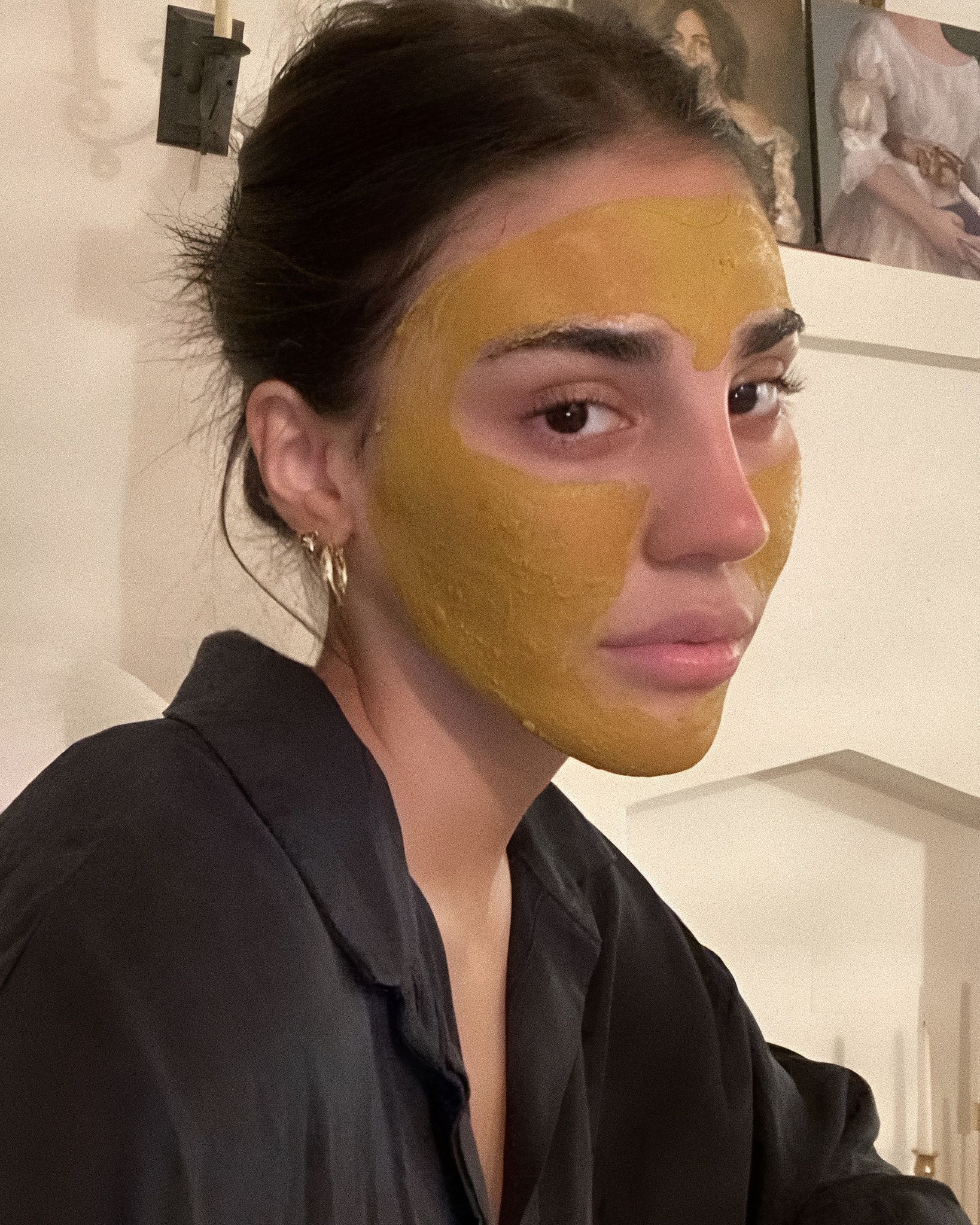
@gabbbriiellle It’s not oerfect but getting there!!! #beevenom #beevenomskincare #acneskin #acneproneskin #breakouts #skincarehacks somebody else - tucker
Bee venom is a mix of molecules that bees use to defend themselves. It’s 88% water, and the rest consists of active molecules like peptides, enzymes, and bioactive amines. The star of the show is melittin, responsible for that characteristic tingle: it has anti-inflammatory properties and helps the skin regenerate, also soothing and reducing acne and skin eruptions. There are also minor peptides like apamin, which slightly relax the skin and contribute to a smoother appearance. Enzymes, such as hyaluronidase, help the components penetrate the skin, stimulate collagen production, and tissue repair. Finally, bioactive amines, like histamine and dopamine, work on microcirculation, toning the skin.
Does it really have a Botox effect?
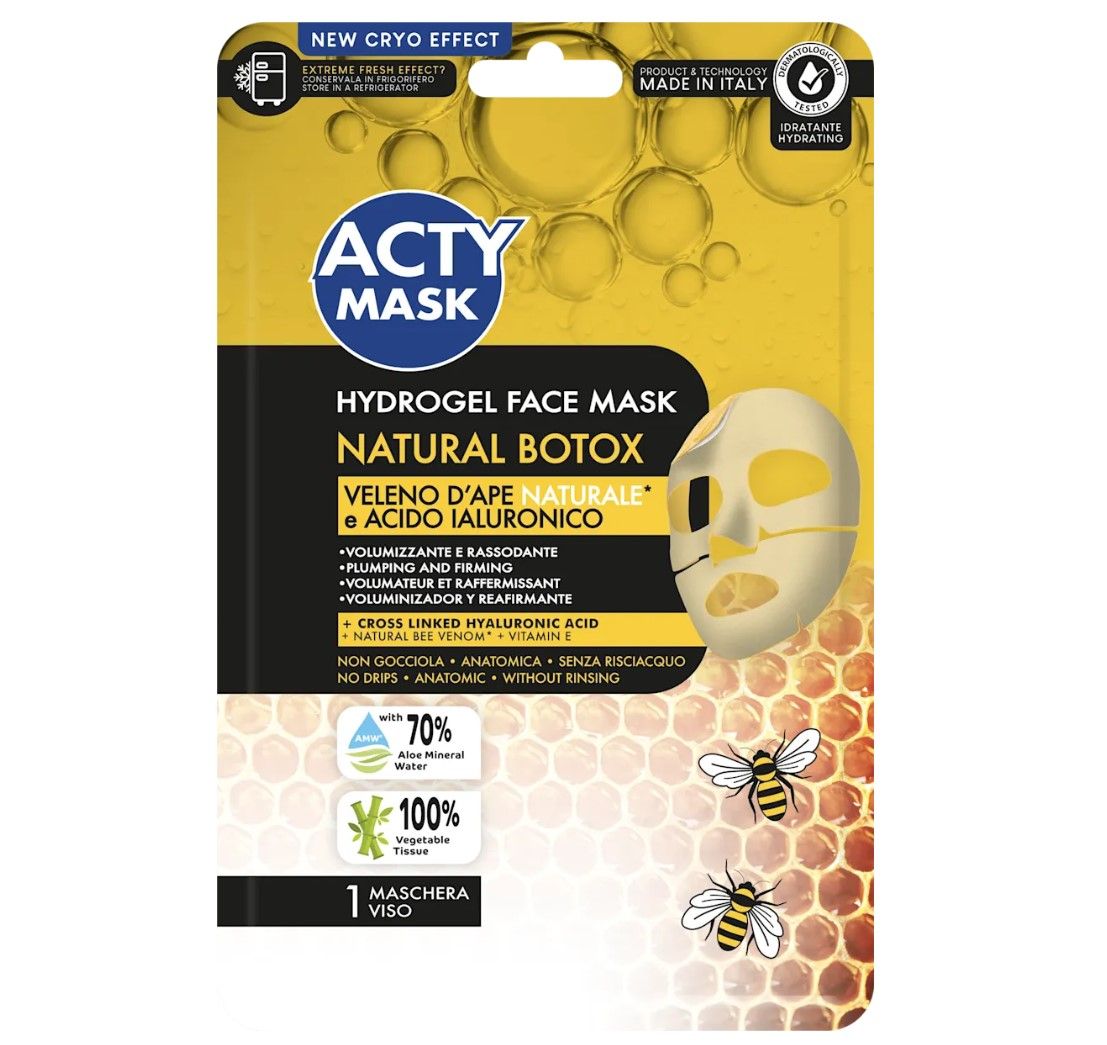
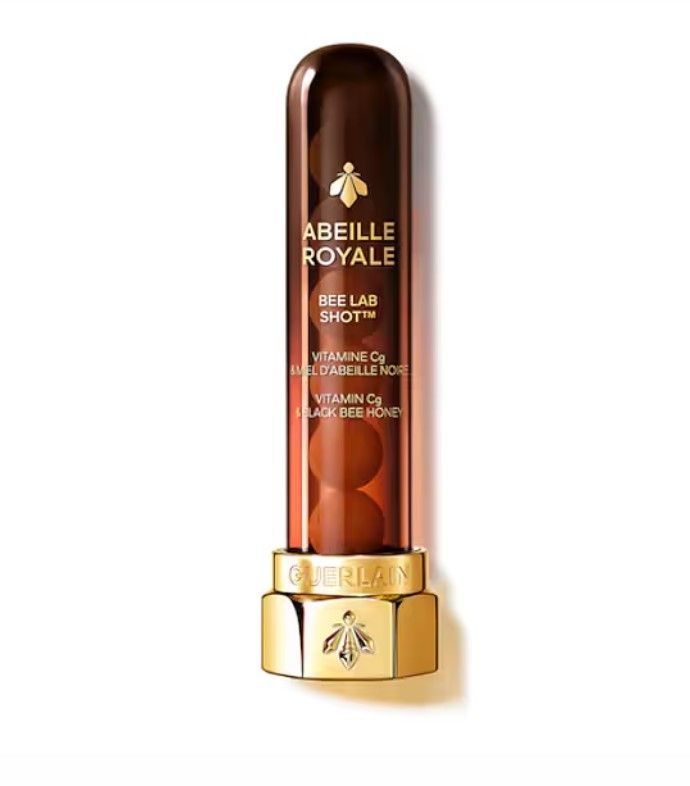
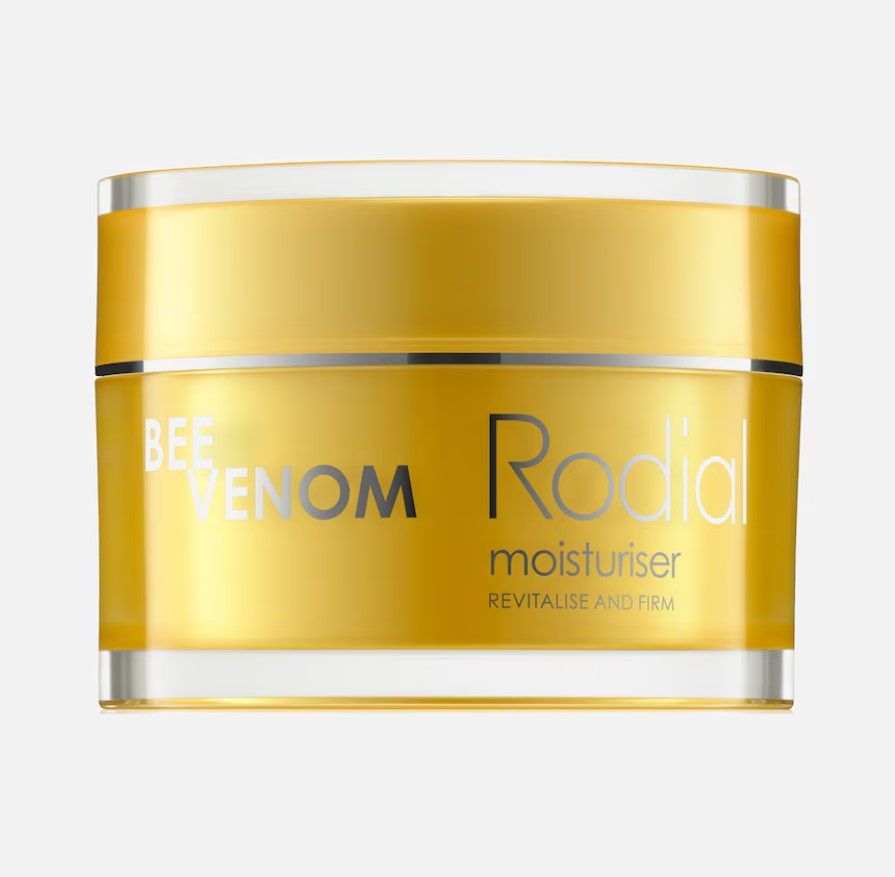
The reason people often talk about a "botox effect" is that some peptides can contribute to a slight relaxing effect on the skin. Apparently, bee venom does have tangible effects, as confirmed by a 2015 Korean clinical study that tested a serum with 0.006% bee venom on 22 women for 12 weeks. The result was a significant reduction in the number and depth of fine lines. Certainly not a Kris Jenner-style lift, but the skin did appear smoother, more even, and firmer. Other studies even suggest it can reduce MMP activity, the proteins that break down collagen when you overexpose to the sun. In simple terms, the skin looks firmer, less puffy, and more vibrant. But before getting too excited, it’s important to note: many of these studies are on very small groups of people. Does it work? Yes. Does it perform miracles? Definitely not. Bee venom remains a boost in your routine, a little extra that can make a difference, especially for mature skin, but results, as always, vary from person to person. So, take the promise of natural Botox with a grain of salt, but enjoy the concrete benefit of firmer, more radiant skin.
Apipuncture: the 2.0 bee venom treatment
@maddiemassy Would you ever try bee venom acupuncture? Refs: Masterton, 2018, ‘Woman dies after bee sting acupuncture’ Park et al., 2015, ‘Risk Associated with Bee Venom Therapy: A Systematic Review and Meta-Analysis’ Lee et al., 2014, ‘Bee venom acupuncture for rheumatoid arthritis: a systematic review of randomised clinical trials’ Soo Lee et al., 2008, ‘Bee Venom Acupuncture for Musculoskeletal Pain: A Review’ #alternativemedicine #medicalscience #sciencefacts #instascience #humanbody Sneaky Snitch - Kevin MacLeod
Apipuncture is the hardcore version of bee venom: instead of applying it as a cream, you get stung directly by a bee or it’s injected. Among the celebrities who have tried it is, of course, Gwyneth Paltrow, always ready to experiment with extreme beauty treatments. Originating in alternative medicine, this practice promises miracles for inflammation, pain, and even skin, but science is far less convinced: evidence is scarce, risks are many (including severe allergies), and no, it doesn’t work better than a carefully formulated serum in the lab. More than a beauty treatment, it seems like an extreme challenge for the rich & bored celebrity set. Better stick to a tested cosmetic.
