

The club kid makeup is back When makeup is not just beauty, but art and provocation
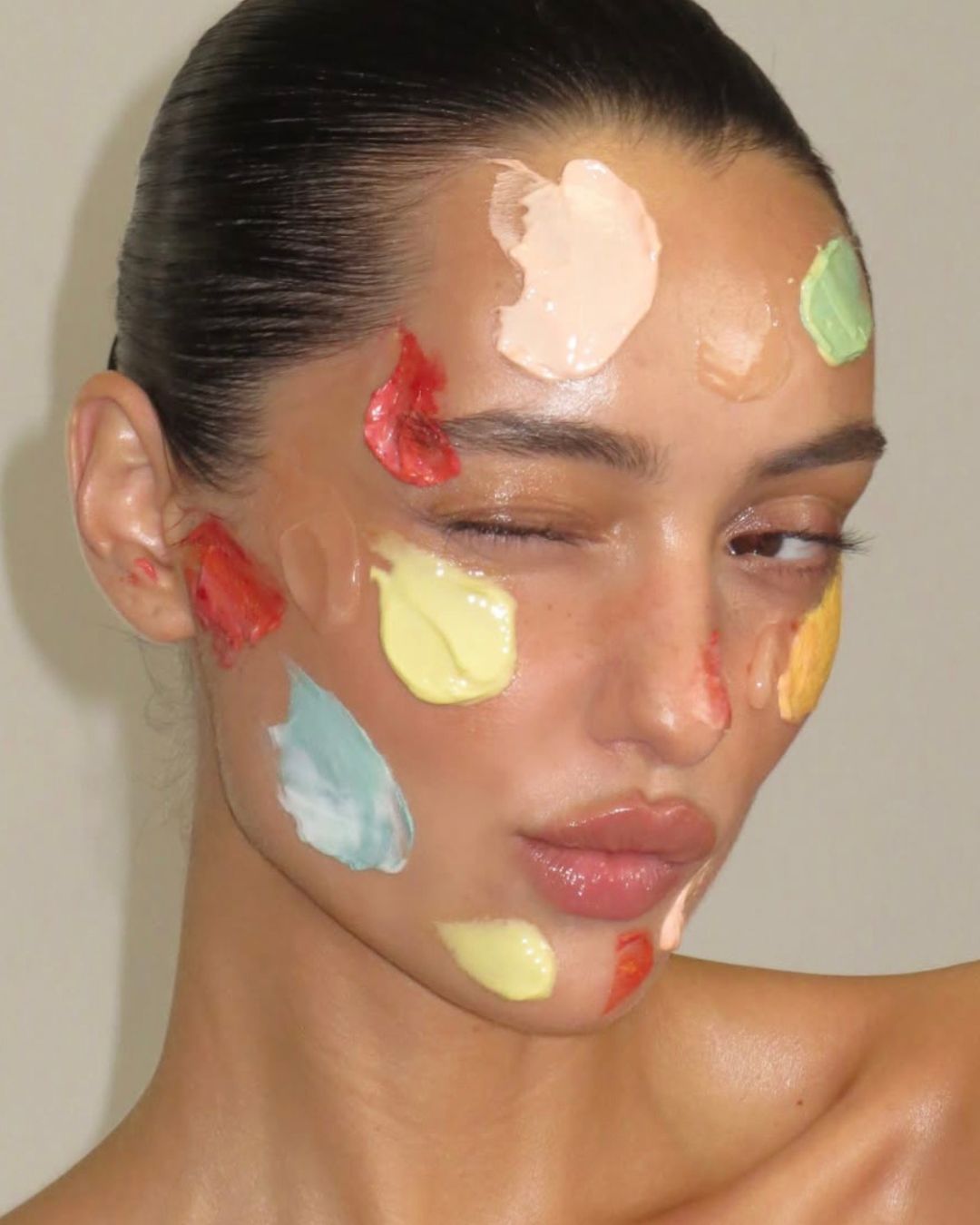
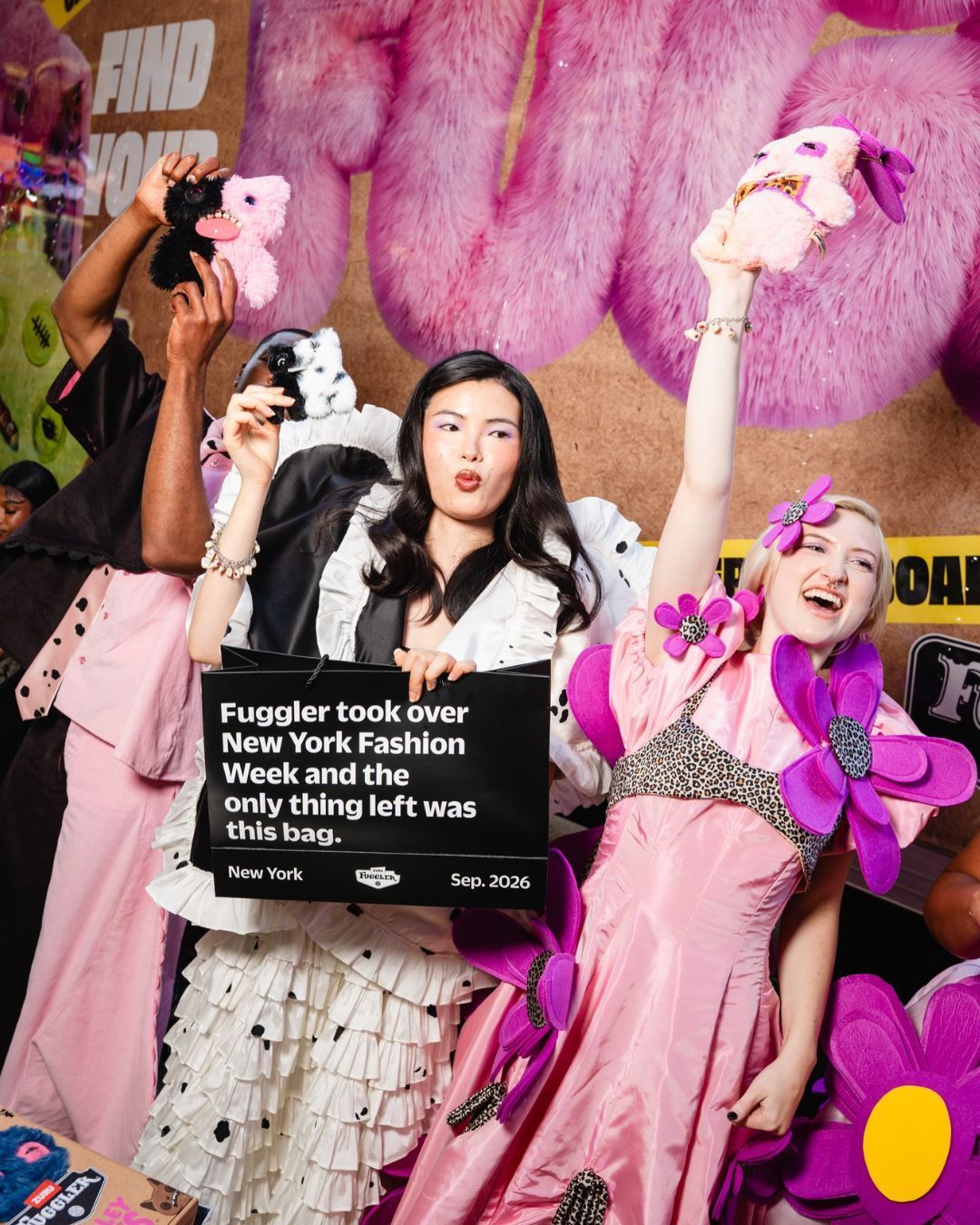
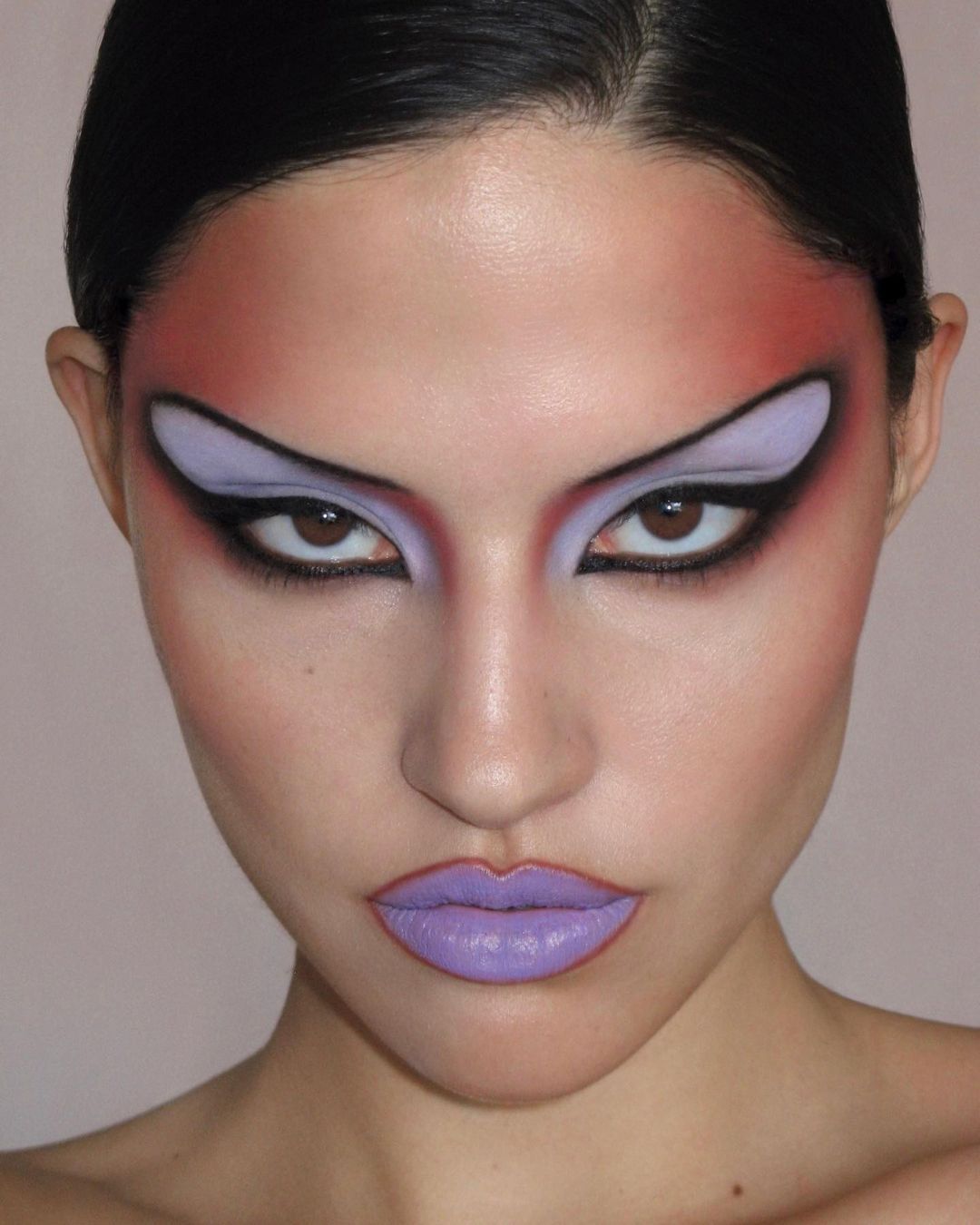
Make sure your clean girl friends are sitting down and relaxed, because news is coming that will shake them: club kids make-up is back in town. There’s something magical about the darkness of underground nightclubs: light effects, flawless music, and a space where identity, fashion, and freedom intertwine. The club kids movement was born right there, not just as a subculture but as a visual rebellion, a performative uprising, and something deeply queer. It’s a colorful explosion of excess, where make-up isn’t just beauty but also art, provocation, and self-expression.
Who are the club kids?
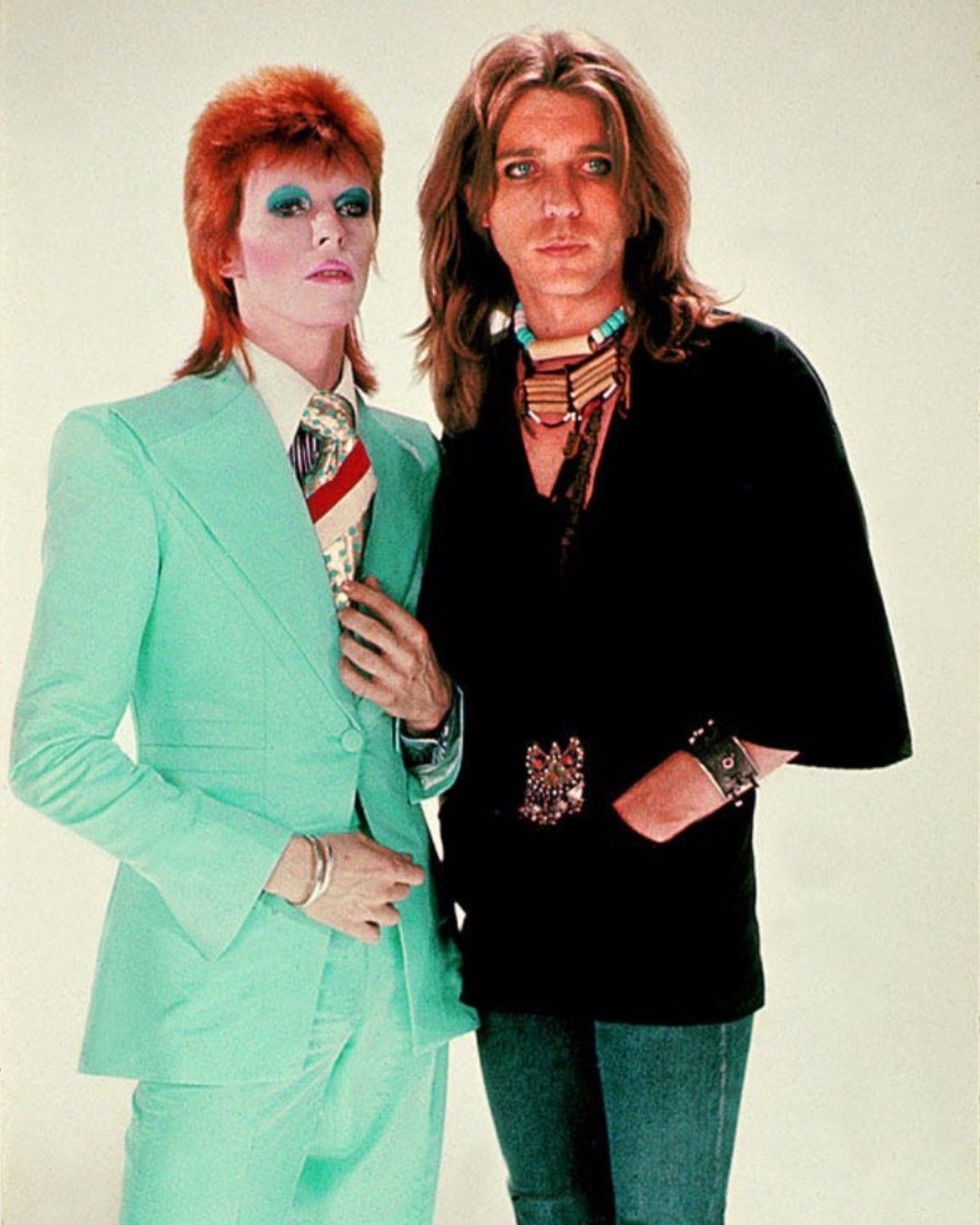
Let’s take a step back: what exactly is the club kids movement? In New York, between the late ’80s and early ’90s, while the city simmered between urban decay and a hunger for freedom, one of the most irresistible and wild subcultures of all time emerged: the club kids. They weren’t just kids going out to party, they were the party. Night creatures, performers, avant-garde style icons who turned every night out into a full-on performance: from make-up to outfits, music, and the very identity of the event. Minimalism wasn’t part of their vocabulary, no such thing as “less is more”: more was never enough. Their make-up wasn’t a mask but an armor against the boredom of daily life, a political statement in an era eager to categorize everything. Bold eyeliner, shimmer everywhere, theatrical contouring, and dazzling lips. The goal wasn’t to be pretty, it was to be iconic and unforgettable. Everyone flaunted their own alter ego, free from gender, fashion, or social rules.
The beauty icons of the Club Kids movement
When talking about the Club Kids, beyond mentioning Michael Alig, the famous promoter of the Limelight parties in New York, one cannot forget the beauty icons of that era those who, with nothing more than a brush and some pigments, managed to redefine the very concept of a face, rewriting - or rather burning - the rules. First and foremost Leigh Bowery: artist, performer, and above all, a master of unrecognizability. His make-up wasn’t beauty; it was body art: redrawn eyebrows, colors poured like paint over the head, prosthetics, glitter, and ultra-exaggerated lips. His aesthetic influenced entire generations of artists: from David Bowie to Boy George, with whom he helped establish make-up as fluid, theatrical, and undefinable identity. His influence reached designers like Alexander McQueen and John Galliano, who reinterpreted Bowery’s make-up in the Christian Dior Fall/Winter 2003 show. Alongside Bowery, we must also remember James St. James, with his blush swept to the temples, theatrical lips, and extravagant wigs. And then there’s Amanda Lepore, the cyborg diva who brought club aesthetics into a more glamorous realm. Her XXL lips, porcelain skin, and pin-up eyes created one of the most recognizable looks ever. It’s clear that without them, club make-up today wouldn’t be what it is: a world where everything is possible and nothing is too much.
The return of the club kids today is all about make-up
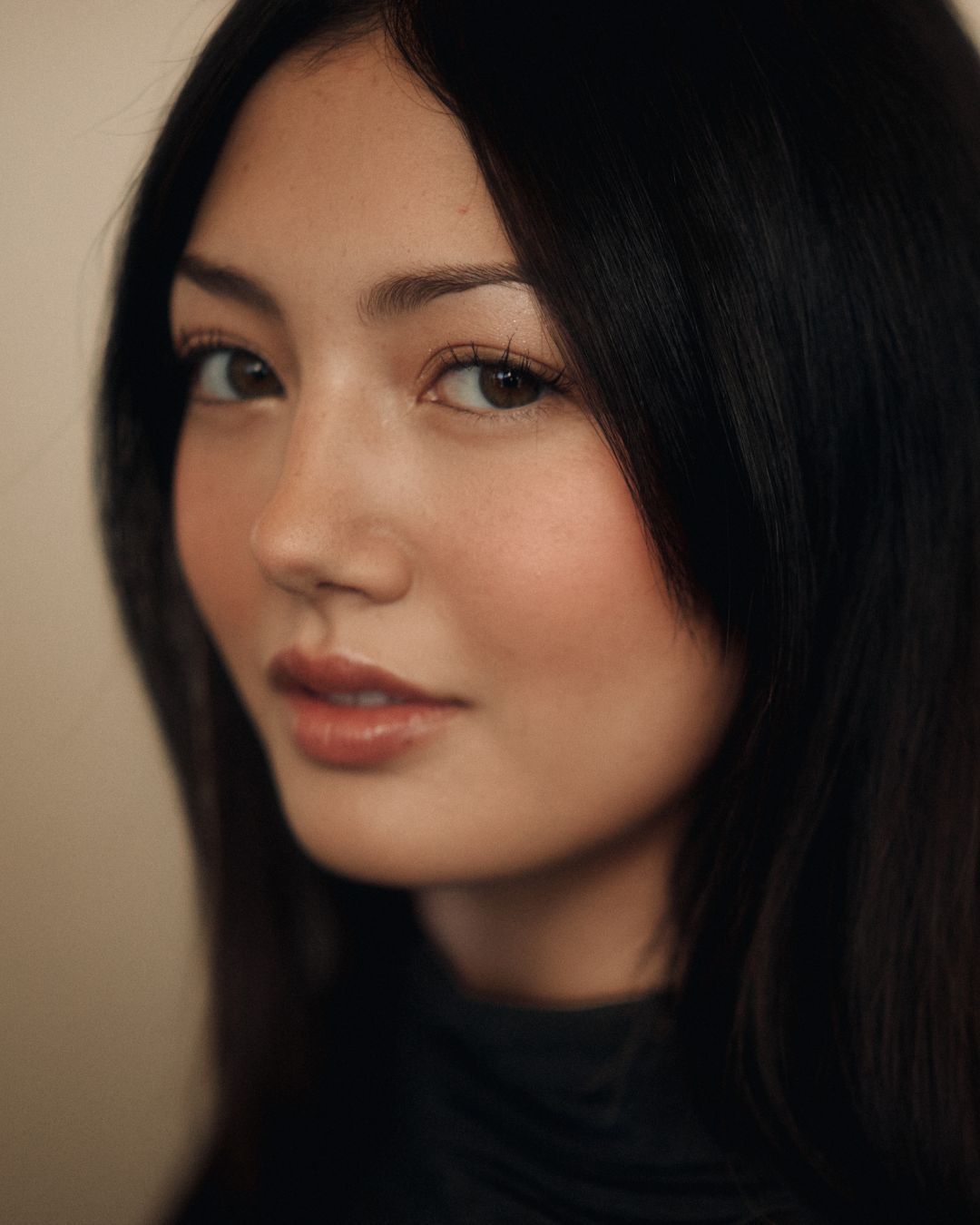
Today, club kids make-up has officially emerged from the Limelight basement and returned to center stage. After years of glowy skin, brown mascara, and no make-up make-up, Gen Z decided it was time to switch the vibe. What revived the trend wasn’t just social media but especially a new wave of make-up artists - emerging and established -who have officially said goodbye to prim minimalism and predictable looks. More and more MUAs are experimenting without rules, creating theatrical make-up inspired by and reinterpreting the club kids’ energy. Make-up is once again becoming a daily disguise: an alter ego to wear for a night out, a short TikTok, or simply to go out and grab some milk from the corner store.