















The meaning of "beauty" goes beyond what we see And I understood (really) on the Nipoti di Babbo Natale website
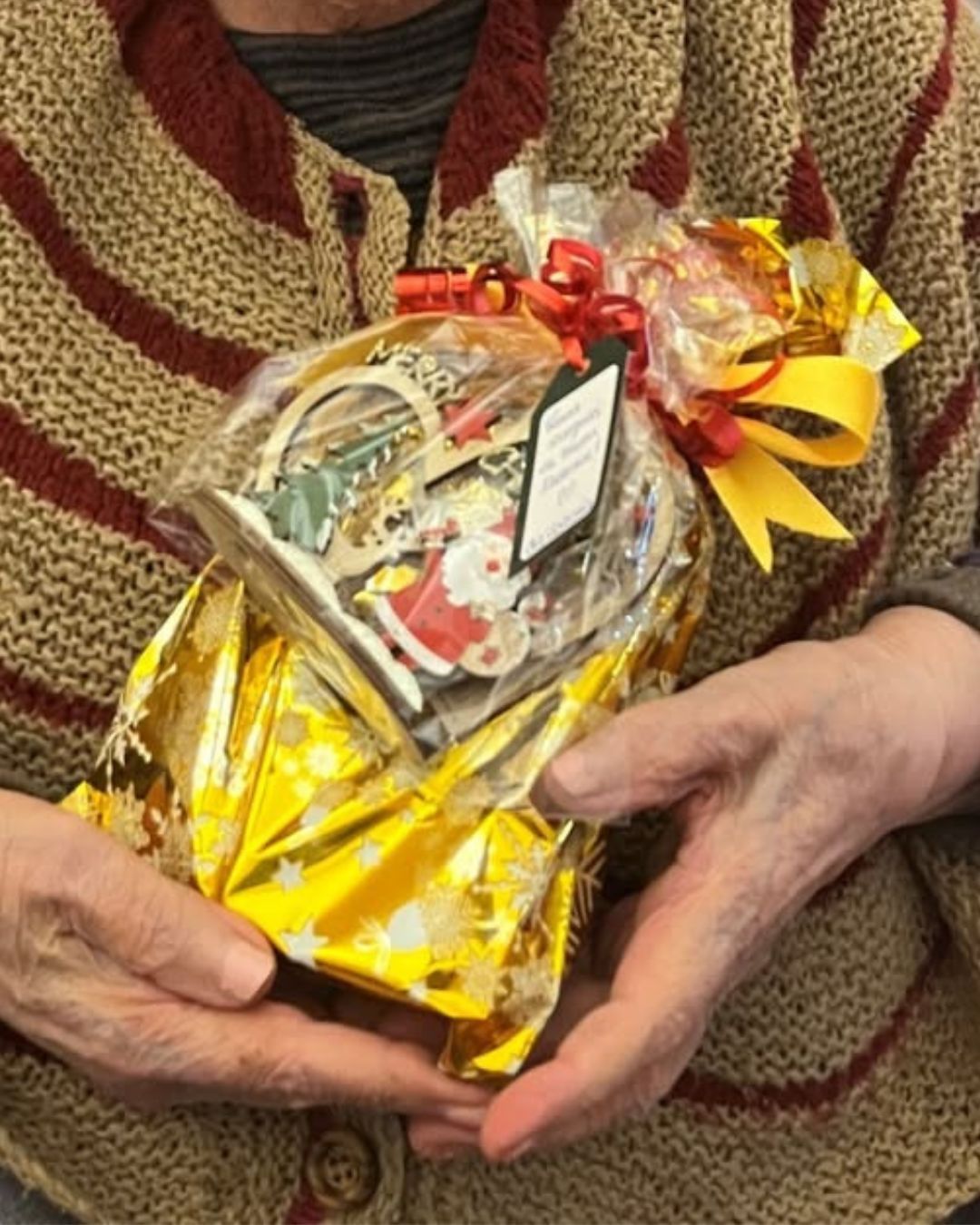
Every year for the past two years (yes, it’s a young tradition, ok?) at the beginning of December I take a moment to go on the Nipoti di Babbo Natale website and sign up to fulfill the Christmas wishes of a lady or gentleman living in a retirement home. Last year, Mr. Luigi (a fictional name), 72 years old, deeply wished for an MP3 player loaded with his favourite songs. I spent an evening, honestly, a very fun one, downloading them and figuring out how to put them into the little gadget I bought. This year, I thought about it a bit earlier. When the email arrived announcing the first published requests, I dove right in. And I discovered some very interesting things.
What Nipoti di Babbo Natale is and how it works
Nipoti di Babbo Natale is a project by the association Un sorriso in più, active since 2004. The initiative is very simple: around mid-November a list of wishes from elderly residents across Italy is published. Users can read who wishes for what (often the person’s name, age and place of residence are included, along with a couple of sweet, tender and funny lines explaining why they desire that specific gift) and sign up to become the Nipote di Babbo Natale for that person. After filling in the form, the gift appears as “reserved”. At that point, the retirement home or organisation where that person lives will contact you directly to arrange delivery. You can mail the gift, but you can also go in person, do a video call, or receive photos of the unwrapping.
The power of beauty, for real
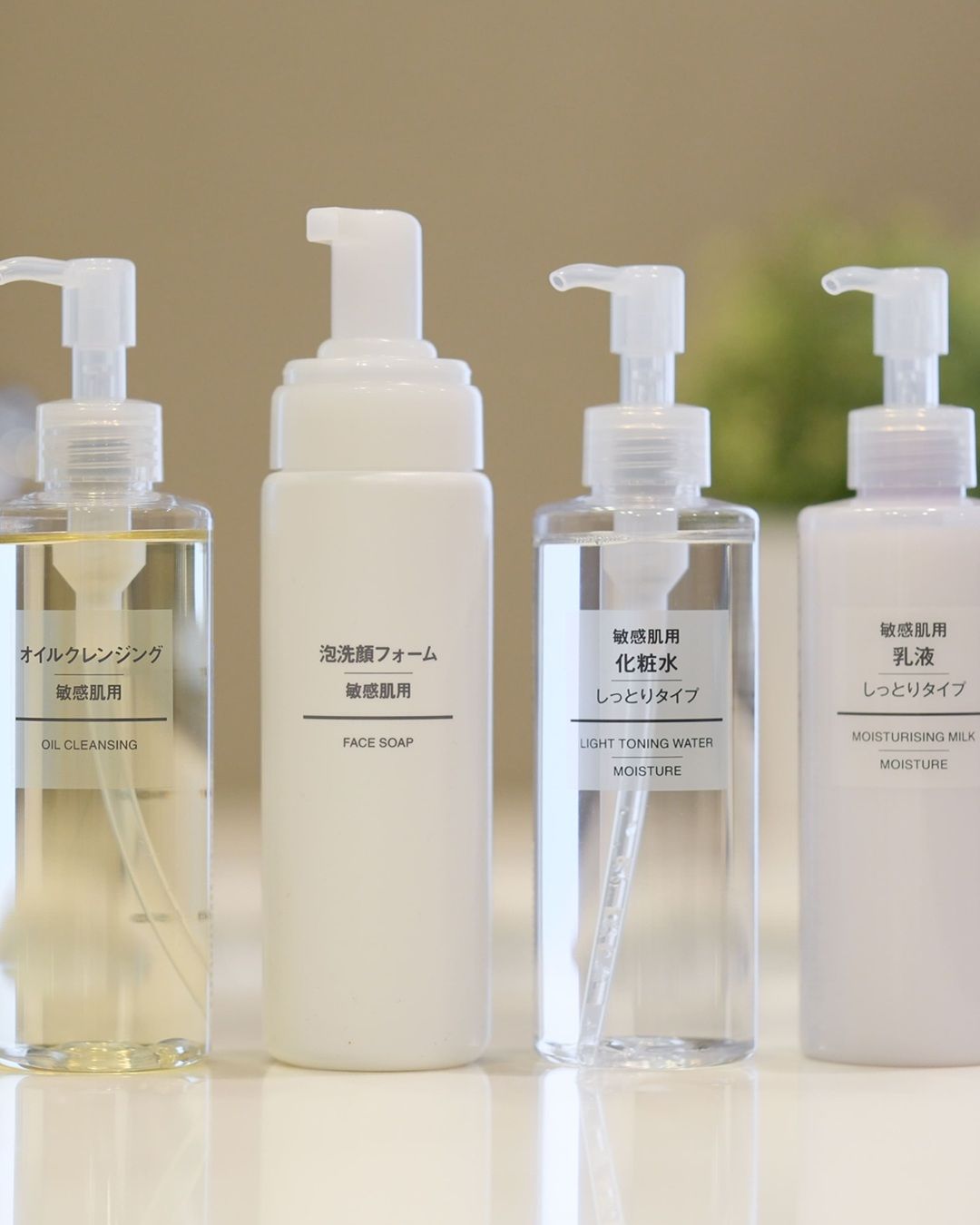
This year, since I checked earlier, I noticed something. Many, truly many people were wishing for something related to personal care. And they weren’t asking for everyday necessities, quite the opposite. Women mostly wished for perfumes (sometimes specific ones, sometimes general with notes like “classic” or “sweet”), but there were also requests for moisturising face creams (“because her daughter does her skincare routine with her,” someone explained about a 90-year-old lady). For men, alongside perfumes (fewer in number), there were countless requests for beard razors. Without slipping into clichés, it’s clear that personal care is seen as a way to feel good, to take part in social life, to remember better times, to feel “put together” even when you’re old, and therefore often invisible. Stepping outside debates about trends, microtrends, the beauty industry or longevity clinics, it’s nice to be reminded that “beauty” is also, and above all, this.
