






















Why did Miley Cyrus say no to Coachella? Apparently, it has to do with the anti-LGBTQ ties of the most social festival in the world
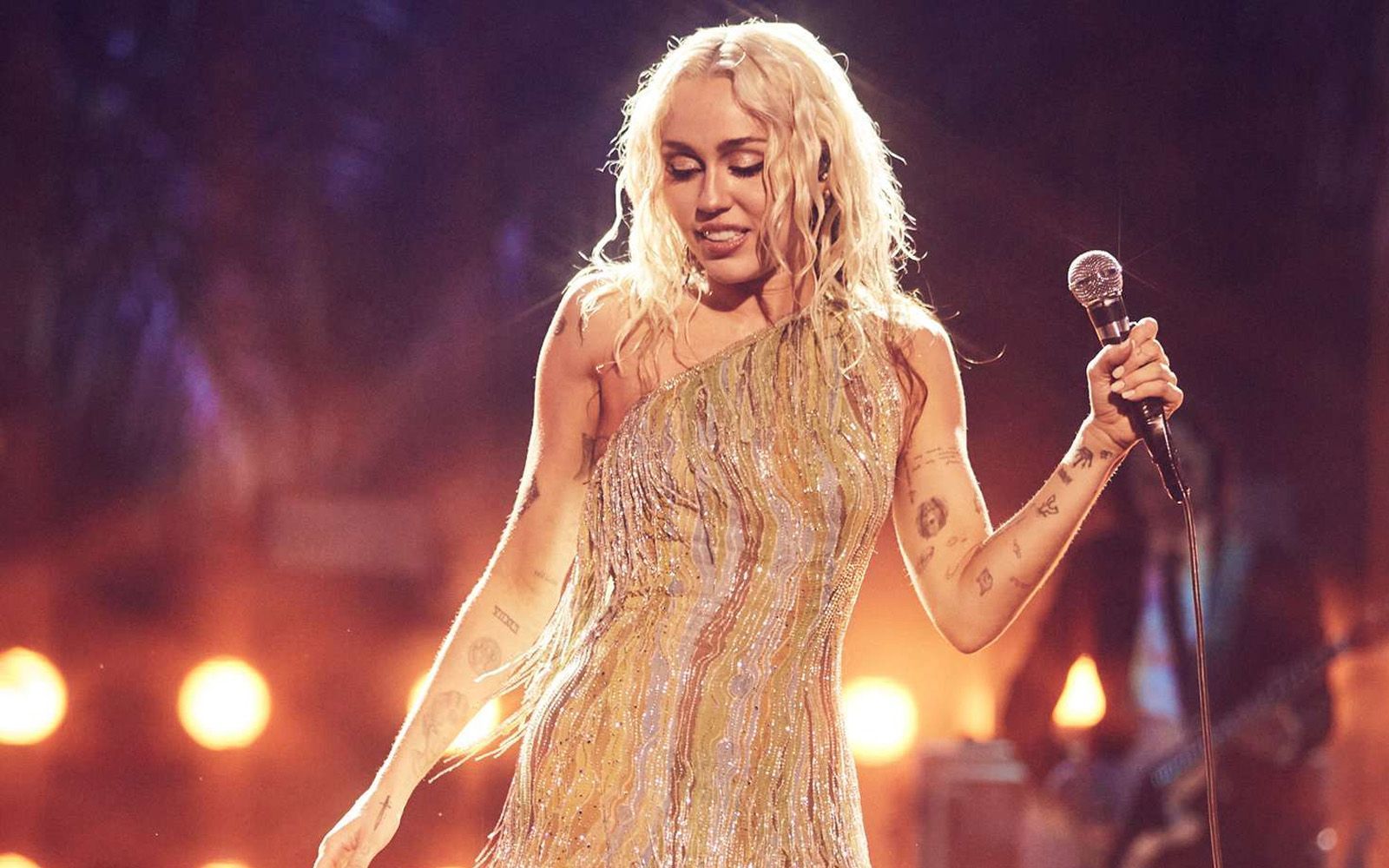
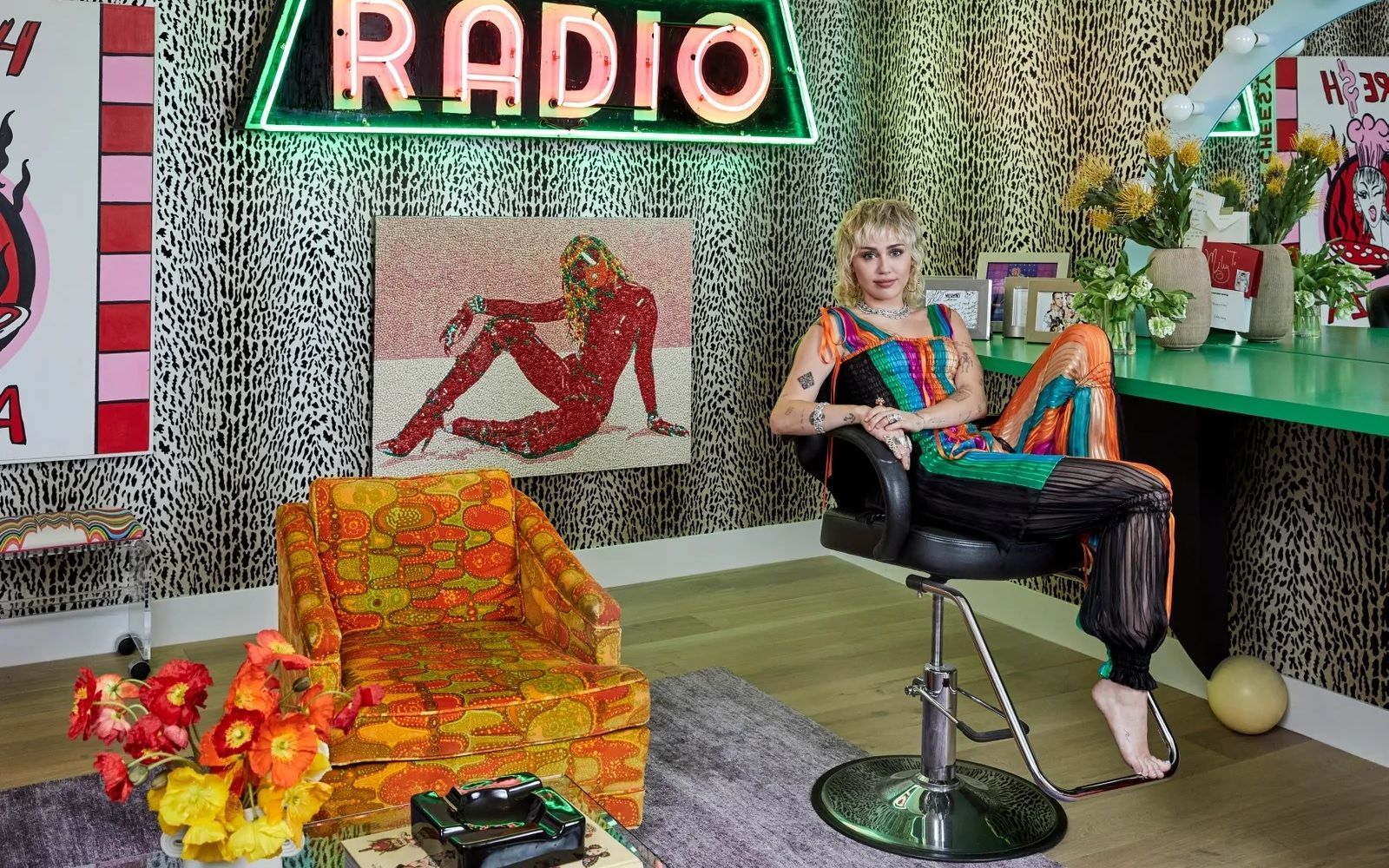
Miley Cyrus announces her tenth album, Bass Persuades, due out on September 18, 2026, along with two special concerts at the Hollywood Bowl in Los Angeles, on October 16 and 18. A return to the live dimension that comes after years in which Miley had hinted that she had no particular interest in returning to a long concert activity.
Miley Cyrus won't be performing at Coachella
At the same time, however, he announces that he has refused an offer to headline Coachella 2027. It was reported by Hits Daily Double, a magazine specialized in the music industry, according to which Miley was among the artists considered for one of the most important places at the California festival, but she decided not to accept it. At the moment, there is no public statement from Miley that attributes the rejection of Coachella to the festival's relationships with anti-LGBTQ organizations, but there are links that lead us to think so.
Why Coachella is associated with anti-LGBTQ organizations
The problem goes back mainly to the ownership of the festival. Coachella is organized by Goldenvoice, a company acquired in 2001 by AEG, the entertainment giant controlled by American billionaire Philip Anschutz that over the years has ended up at the center of a long controversy over funding conservative organizations with positions strongly criticized by the LGBTQIA community. In 2017, Pitchfork reviewed the Anschutz Foundation's tax documents and documented donations to associations such as Alliance Defending Freedom and the National Christian Foundation. In 2015 alone, there were 75,000 dollars for the first and 15,000 for the second. The same investigation also reconstructed previous donations to the Family Research Council.
The issue was particularly controversial because Alliance Defending Freedom had a long history of legal and political activities against certain achievements of LGBTQIA rights. The Family Research Council, in turn, has long been identified as an organization strongly opposed to LGBTQIA rights. Anschutz has always rejected the accusation of being anti-LGBTQIA. In 2017, he called the accusations 'fake news' and declared that he supported the rights of people regardless of sexual orientation. His position was that, when the foundation became aware of the controversial positions of a funded organization, it stopped donating. The problem is that the tax documents analyzed by Pitchfork showed that some of the contested donations had continued until 2015.
The rainbow-washing festival and the Coachella paradox
Regardless of the owner's fame, to date, Coachella is by no means a festival that presents itself as hostile to the LGBTQIA community. Instead, the festival has its own initiative called Queer, explicitly designed to celebrate and support the LGBTQIA BIPOC community. The program also includes the Q amp, an experience dedicated to queer people that allows them to participate in the festival and interact with community figures.
On the festival's official website, Coachella also declares that it wants to promote inclusion and respect for identities and provides all-gender bathrooms. In short, Coachella has become one of the most important spaces in contemporary pop culture also for queer representation. Them had already recounted this paradox in 2018: on the one hand the growing presence and celebration of queer artists, on the other the controversies related to the owner Philip Anschutz. The thing we should ask ourselves is: “where is the consistency? Can the festival be inclusive even if its owner has funded controversial organizations?” . I don't think so.