
































Milano Pride 2026: the symbolic places of the LGBTQIA community Lime launches the Pride Map
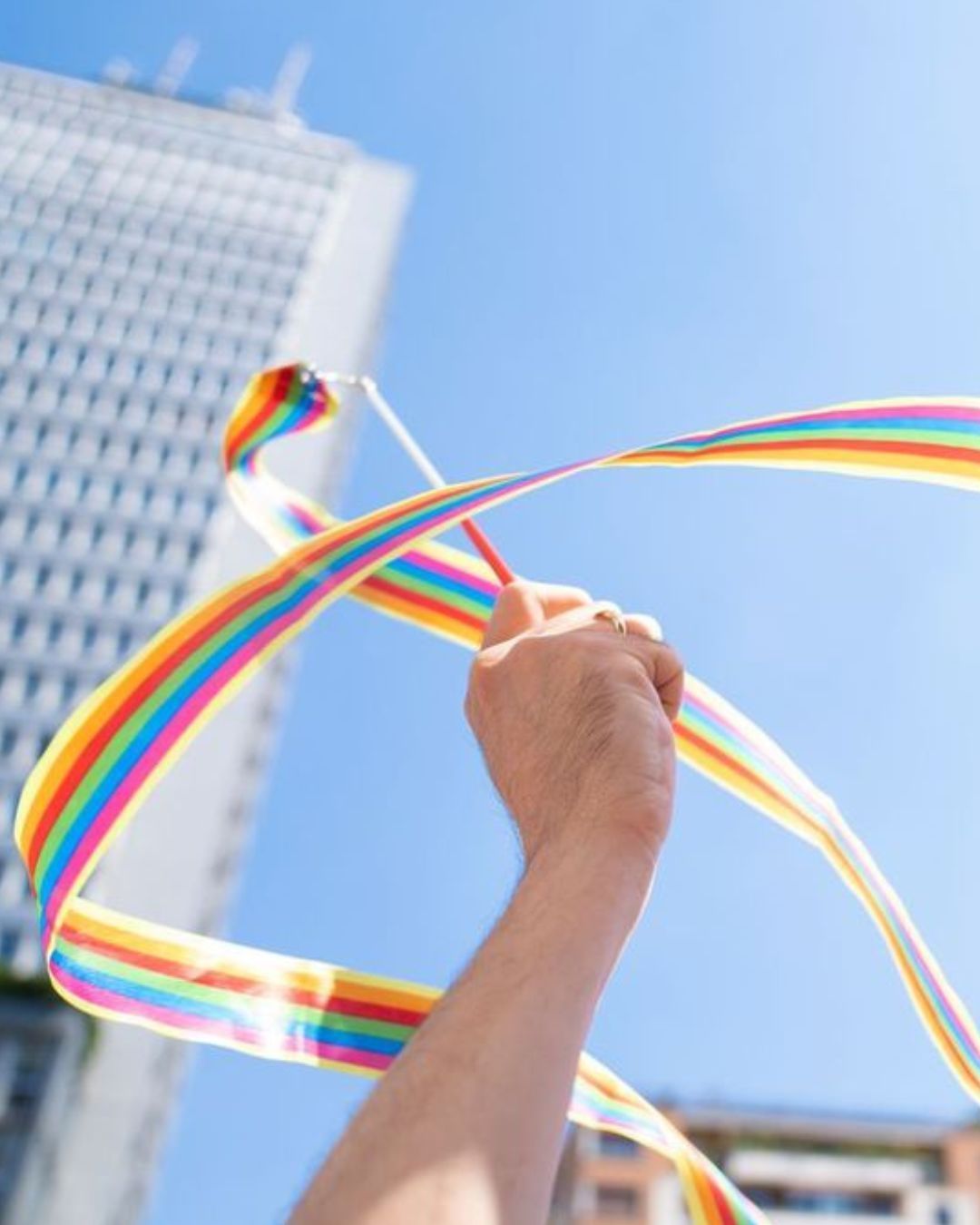
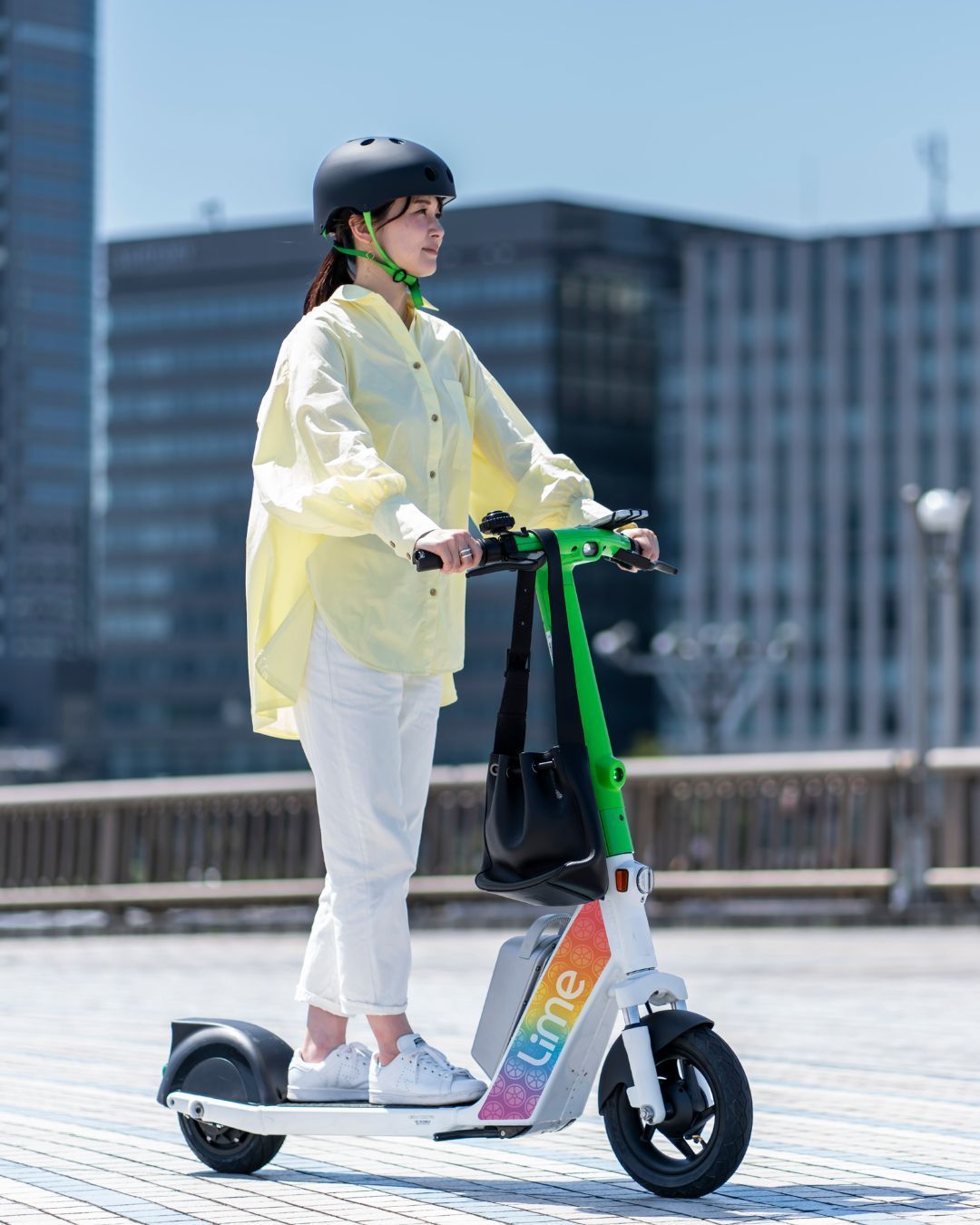
Lime, a global leader in shared electric mobility, celebrates Milan Pride 2026 (24-26 June) with the Lime Pride Map: a journey to explore by e-bike and electric scooter through the places that have helped write the history of LGBTQIA inclusion and activism in Milan. Through 9 stages, the route transforms the city into an open-air historical archive. Each place tells a fundamental chapter of the Milanese LGBTQIA identity, from the first spaces of activism in the Seventies to the current places of encounter and aggregation. Users are invited to discover the map, go through the history of the city and share their experiences using the hashtag #TellYourStory: because Pride is not only made up of the places that have made history, but also of the people who have lived it.
Milano Pride 2026: Lime's Pride Map tells the city's LGBTQIA story
The itinerary designed by Lime accompanies citizens and visitors to discover the places that have marked the history of LGBTQIA rights in Milan, transforming every trip into an opportunity for memory, discovery and sharing.
The 9 stages of Lime's Pride Map in Milan
Stage 1 — Antigone Library (Via Antonio Kramer)
The first stop is a cultural landmark. The Antigone Library represents a symbolic place for the Milanese LGBTQIA community, specialized in queer and feminist books, graphic novels and essays. Throughout the year it hosts book presentations, writing workshops and events dedicated to the community.
Stage 2 — Piazza della Scala
On 27 June 1992, this square hosted the first symbolic same-sex marriage celebrated in Italy, a moment that marked an era. Since then it has become the stage for important civil rights demonstrations, including the garrison that helped pave the way for the law on civil unions. On a railing next to the central flowerbed there is still a chain with two padlocks, intended to be opened only when equal marriage becomes law.
Stage 3 — Palazzo Morigi (Via Morigi 8)
A few steps from the Duomo, this 15th century palace is one of the founding places of the gay rights movement in Italy. In September 1976 it was occupied by the Milanese Homosexual Collectives (COM), who were looking for a space where they could freely express their identity. Among those who gathered there was also Mario Mieli, a pioneering figure in Italian queer activism.
Stage 4 — Via Lecco
The stretch between Via Lecco and Largo Bellintani represents the beating heart of Milanese LGBTQIA nightlife. In the month of June, the street comes alive with Pride events, aperitifs and evening parties. From Mono to LeccoMilano, this urban axis has become the center of the city's queer scene.
Stage 5 — Porta Venezia
Milan's LGBTQIA district par excellence. The reception begins already in the subway, where the platform is decorated with a long rainbow flag. On the surface, restaurants, clubs and inclusive spaces make Porta Venezia the main meeting place for the local and international LGBTQIA community.
Stage 6 — Strehler's Piccolo Theater
Every June, the Strehler Piccolo Teatro hosts the MiX International Festival of LGBTQ Cinema and Queer Culture, one of the longest-running events of its kind in Italy, now in its fourth decade of activity. It has always represented an important cultural moment that precedes the Milan Pride Week.
Stages 7, 8 and 9 — Navigli, NoLo and Central Station area
The route covers three constantly evolving neighborhoods. The Navigli have long been a reference point for the city's alternative and inclusive culture. NoLo (North of Loreto) is rapidly emerging as a new hub of the Milanese LGBTQIA scene. The Central Station area completes the map as a crossroads of different communities and a meeting place for some of the city's most vulnerable people.