


















Human creativity is the new luxury The spread of content created with AI has given value back to human-made, and some brands make sure to emphasize it
Lately, scrolling through social media has really put my critical thinking skills to the test. And my self-esteem, too. I’ll admit I also fell victim to videos like the (very viral) one of rabbits jumping on a trampoline, only to then start watching every piece of content with an almost automatic suspicion: “Is this AI?” As Adam Mosseri, CEO of Instagram, wrote in a recent post about the future of the platform, “authenticity is becoming infinitely reproducible.” Or rather, its artificial version. In the case of that video, what was misleading was precisely the simulated imperfection: a camera angle reminiscent of surveillance footage, unspectacular movements, no visual virtuosity. All cues that, until recently, we would have associated with reality. And this is exactly where the paradox that will define content creation in the coming years emerges: the more sophisticated AI-generated content becomes, the more content made by humans will gain value. Symbolic, cultural - and inevitably - economic value.
Is humanwashing here to stay?
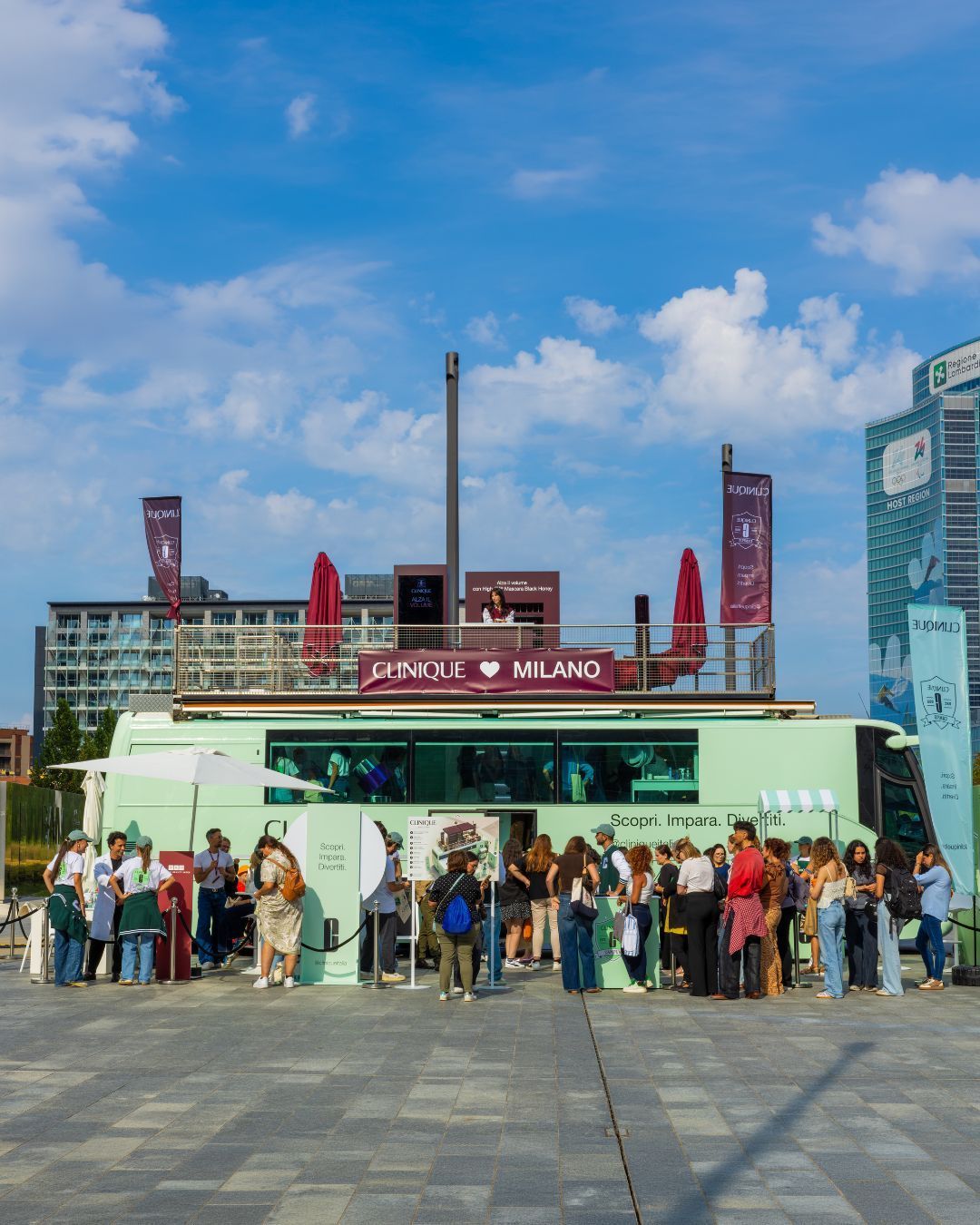
In the near future, we’ll witness an increasingly clear polarization. On one side, brands that will continue to push AI as a creative and economic lever. Coca-Cola is the most obvious example: from AI-generated holiday ads to co-creation projects for new products, the brand has chosen to fully embrace AI, unfazed by criticism accusing it of producing standardized content lacking emotional depth. On the other side, there are brands building an opposite narrative, placing strong emphasis on human-generated content, on the creative process, on time, and on human talent. This is where the concept of humanwashing comes into play: a communication strategy that, much like greenwashing, puts an ethical-cultural value - in this case, the celebration of human creativity - front and center, turning it into a brand asset. The difference, however, is substantial: here, the human presence is real (unlike many sustainability practices that are promoted but not implemented), but it is amplified and, above all, narrated. A step that, until recently, no brand felt the need to make explicit. A telling example is the new Apple TV intro, created entirely using analog techniques. Glass, lights, no CGI, let alone AI. And above all, a detailed making-of narrative, almost as if to reiterate that value lies not only in the final result, but in the process itself.
@ali.berardi la lavagnetta sposta #perte #humawashing #greenwashing #ai suono originale - Alice
Imperfection as the new proof of authenticity
There’s another increasingly evident side effect: today, authenticity passes through imperfection. Just as something “handmade” is distinguished from an industrial product by small flaws, in the digital world humanity is recognized in smudges, long timelines, and visible mistakes. This trend is turning into a fully fledged aesthetic. According to a recent Business of Fashion article, glossy imagery has given way to what is defined as an anti-AI aesthetic: photos of messy sinks or already-used cosmetics aren’t just thriving among content creators, they’ve also invaded the creative spaces of brands. This slightly chaotic and imperfect aesthetic is perceived by audiences as more real and authentic, something AI still struggles to replicate convincingly, but something brands increasingly need.
@synsation_ This video was made by a human #brandstrategy #antiai #artificialintelligence original sound - Synsation
The return of aura
Almost a century ago, Walter Benjamin spoke of aura as that which makes a work unique and unrepeatable: its here and now, its time, its context, the hand that created it. With photography and cinema, he argued, that aura would dissolve through mechanical reproduction. Today, in the age of artificial intelligence, we are witnessing a similar but reversed paradox. It’s no longer just the artwork that’s infinitely reproducible, but also style, aesthetics, even apparent authenticity. And that’s precisely why aura is becoming central again: in practice, it’s no longer a quality of the image, but of the process. It lies in the time invested, in visible errors, in declared craftsmanship, in a human presence that cannot be scaled or automated. It’s what remains when everything else can be simulated. That’s why brands today show the process, insist on no AI, and explain how and by whom something was made. They’re not just selling a product, but a reconstructed aura: a cultural signal that distinguishes what has simply been generated from what has truly been created.
@ben_zank If you have seen some of these already, I apologize. These images take a long time to make and I cannot just spit them out like a content machine. However, I am feeling a lot more inspired and motivated lately so I’ll be putting out work more frequently. If you want to see when I upload new work then I would suggest following me on IG. ok thanks #photography #surrealism Elevator Music - Lesfm
The medium is (still) the message
Pushing this scenario to its extreme, the bar for content production is shifting, as Mosseri wrote, from “can you create?” to “can you create something that only you could create?” We’re back in the realm of uniqueness, which for now remains a human exclusive. Not least because generative artificial intelligence still has a major limitation: it is never truly original, merely reworking what already exists. And if it’s true, as Marshall McLuhan said, that “the medium is the message,” it will always be difficult to communicate value and authenticity through a tool perceived by audiences as a shortcut: doing more, in less time, at lower cost. It’s likely that this trend will reverse, or that we simply won’t be able to tell what’s human from what’s not (very likely!). In the meantime, however, brands are keen to let us know. And we, as an audience, remain free to decide whether or not to assign value to it.