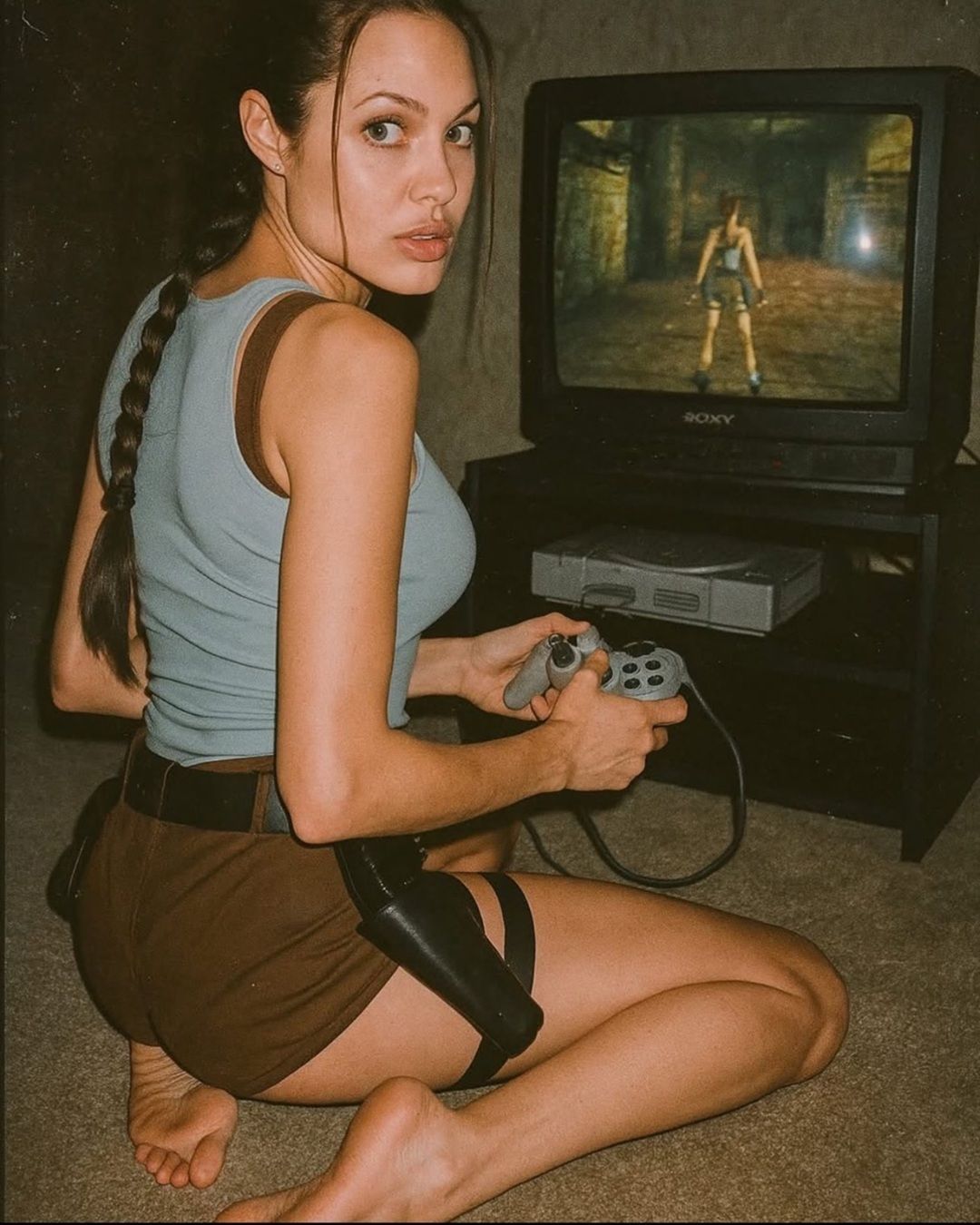



























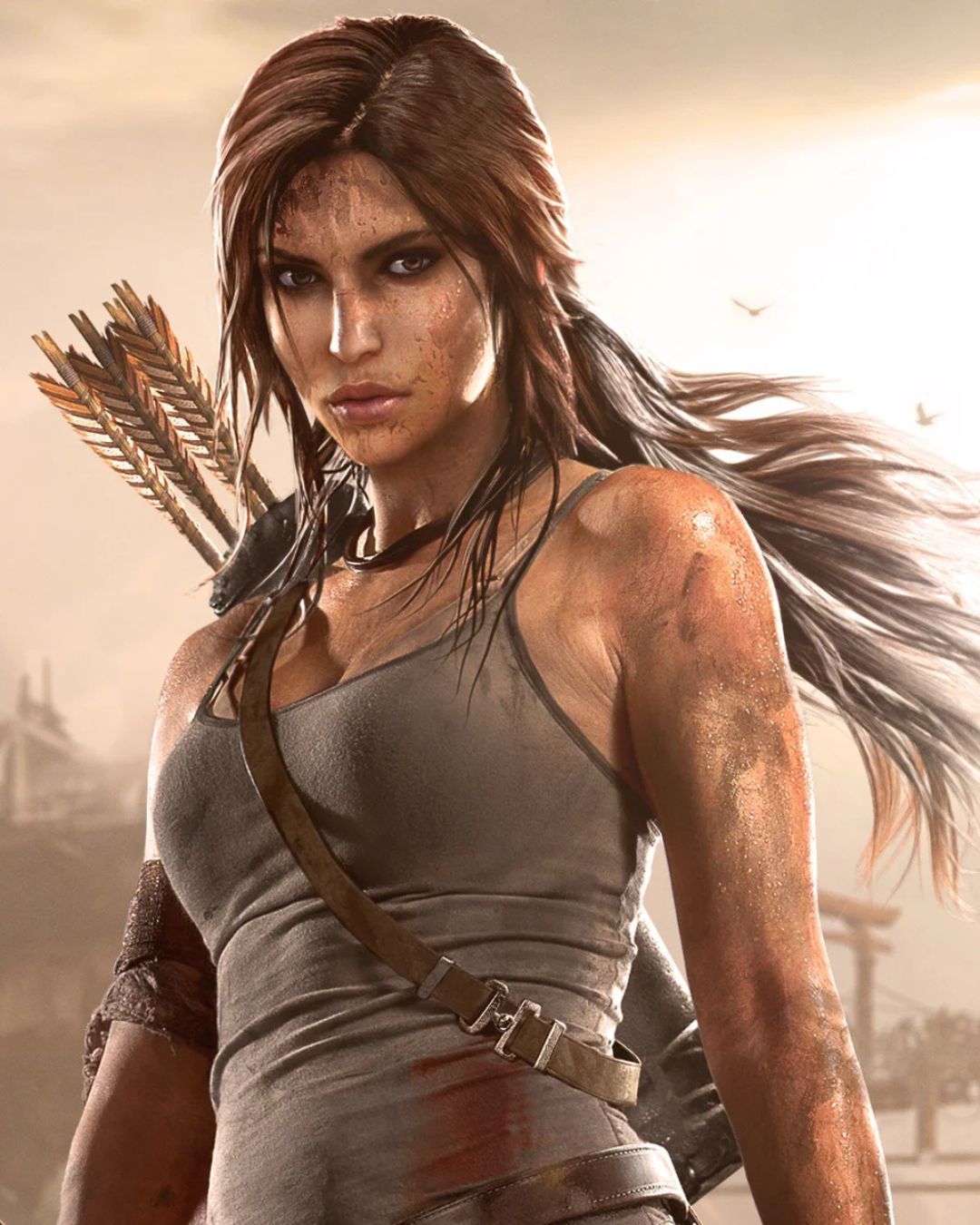
Have you ever thought about female representation in video games? To explore the topic, the book "PlayHer" by Giulia Martino and Francesco Toniolo comes to the rescue
Female representation in video games is a hot topic, just like inclusivity within a universe often considered “for males”. Evidence is increasing. During the 25th edition of Trieste Science+Fiction, the panel PlayHer. Female Representations in Video Games was held, named after the homonymous book released in 2025, written by Giulia Martino and Francesco Toniolo and published by Edizioni Tlon. “I don’t want to say it’s the only one, but I felt it was important that such an essay existed,” says Martino, a lawyer and video game critic attending the event. “I’m happy that it is becoming a useful text for those who want to delve deeper into the topic as well as write other volumes or academic theses.” Publishing takes time, as we know. PlayHer was born in the summer of four years ago: “I’m proud of the result and what we managed to achieve. The book brings together academic study but also part of my personal experience as a person and gamer.”
13 female characters in video games
PlayHer. Female Representations in Video Games, unlike other books that address gender issues within the videogame cosmos, chooses to vertically analyze thirteen female characters, each one filling a chapter, ranging from artificial intelligences like SHODAN to the famous Princess Zelda. Readers can explore the worlds of soldiers, goddesses, and vampires, with research spanning from gender studies to intermediality, as in the case of the witch Bayonetta, for which Giulia Martino studied German engraving art from the 16th and 17th centuries. “It’s important to have focused studies on the subject, but equally important that reality itself becomes the first to change,” continues Martino. “You don’t know how many times young girls are prevented from playing video games, especially by fathers. It makes me very angry because it is extremely limiting.”
The interview with Dariia Selishcheva
The release of PlayHer is certainly a step forward in the exploration and especially in the opening of this world, which hopes to expand more and more both inside and outside video game codes. Martino also stated she would expand the space dedicated to queer themes and include the experiences of some female developers, such as the creator she had the chance to interview only after completing the book. “While Dariia Selishcheva was in an air raid shelter in Kharkiv with her laptop on her lap, she created What's up in a Kharkiv bomb shelter, a free video game available on itch.io, lasting five minutes, which shows what life is like in such a situation. Dariia is not only the creator, she is the protagonist. I find it incredibly powerful and a story that hits right in the chest because it is not filtered by anything. She clearly told me: I made this game because I thought I was going to die.”
From Trieste Science+Fiction to Checkpoint Festival
This example, that of Dariia Selishcheva, but also of the characters in PlayHer as described by Giulia Martino, shows how life can merge with an increasingly pervasive and fundamental media system such as video games. And this conversation may continue from Trieste Science+Fiction to the Checkpoint Festival, an event that celebrates video games as an inclusive art form featuring notable industry figures, took place from November 13 to 16 in Rome. Another opportunity to analyze the influence of female professionals and female video game characters, observing how they are incisively redefining the global gaming landscape.
What to read next
5 witchy romances to fall in love with in October 2026
Charming witches, talking cats and toads just in time for Halloween