

































Books to read in October 2025 Recommendations on what to read in the coming weeks
As autumn deepens, it brings with it a time of literary reflection and new editorial releases that explore the complexities of our modern world. This month’s selection of books delves into questions of identity, gender construction, and political art, spanning from the West Bank reinterpretation of Hamlet to the analysis of modern masculinity, and from the intimacy of body and desire to the cultural politics of beauty and self-presentation. Whether you are looking for new fiction, thought-provoking essays, or contemporary literature, here are some of the most anticipated books to add to your reading list.
Books to read in October 2025
Isabella Hammad – Enter Ghost (Marsilio)
I had been waiting for over a year for the publication of Enter Ghost (translated by Maurizia Balmelli, Marsilio), a novel by Isabella Hammad, a British writer of Palestinian descent. Enthusiastically praised by critics (among others, by Sally Rooney and Zadie Smith, my personal markers of quality), it was shortlisted for the Women’s Prize for Fiction. Enter Ghost tells the story of an adult woman, Sonia, a Palestinian actress who decides to return to her homeland after the end of a relationship. There, she becomes involved in a production of Hamlet set in the West Bank. Hammad quotes and rewrites passages from Shakespeare’s play, not by translating from the original English, but from an earlier Arabic version, an act that highlights translation as a gesture of both material and symbolic reclamation. In December 2023, The Guardian published an email exchange between Hammad and Rooney about Palestine and the political role of art, you can read it here.
Manolo Farci – What Remains of Men (Nottetempo, October 10)
Manolo Farci is an Associate Professor at the University of Urbino, specializing in Communication and Digital Media Sociology. In his essay What Remains of Men, published by Nottetempo, Farci analyzes contemporary masculinity and the practices and discourses that shape it. From media figures like Andrew Tate to the use of concepts such as toxic masculinity, the book examines how the male crisis stems from voids that are ultimately filled by toxic subcultures, misogynistic personalities, and far-right forums, drawing in many young men.
David Szalay – In the Flesh (Adelphi)
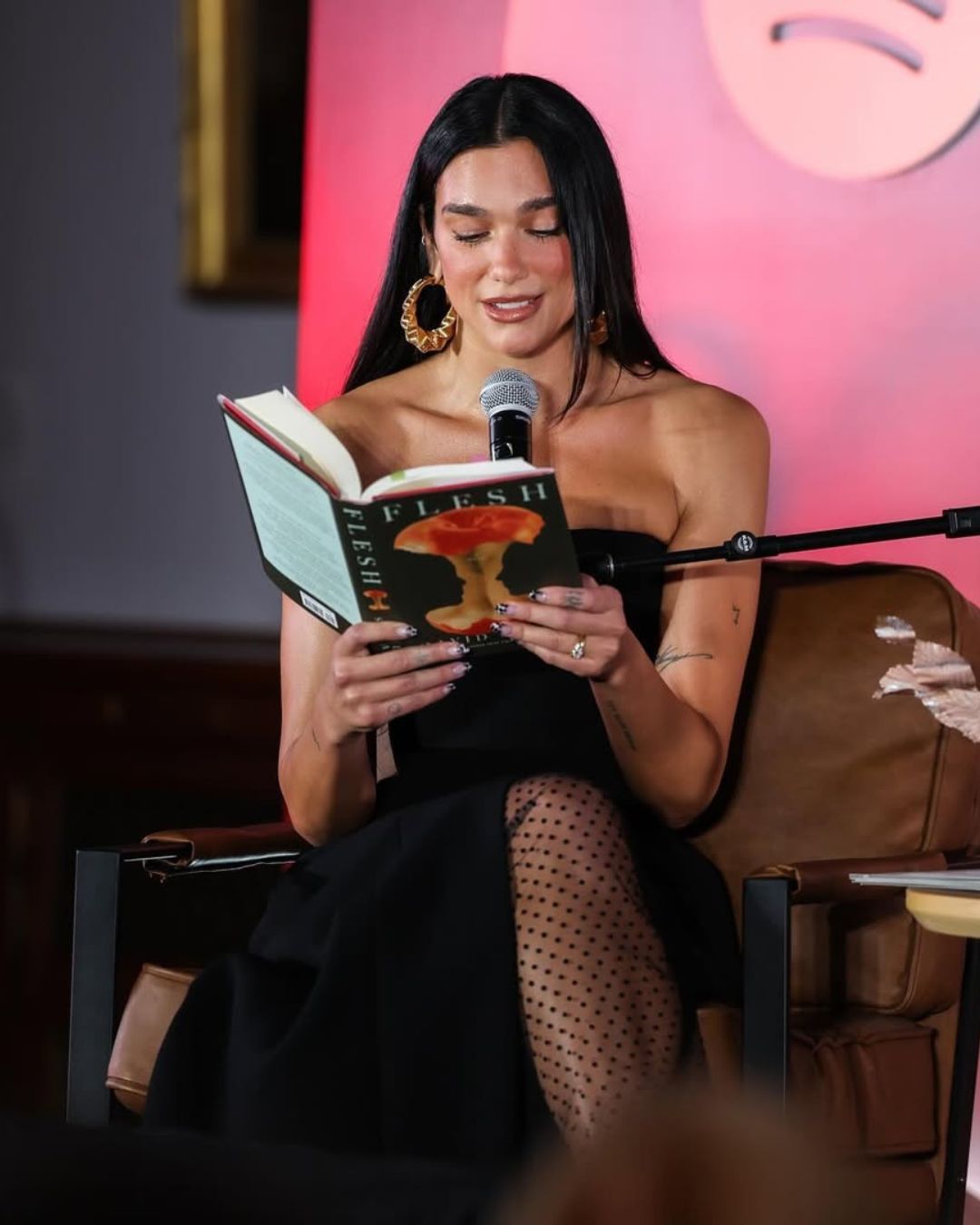
Minimalist and controlled, In the Flesh could be seen as a perfect example of what Farci explores: the life of a man, once a boy, in the modern world. The protagonist is István, and the novel opens with a charged and liminal theme: the first sexual experience. The “flesh” of the title reminds the reader that the silent protagonist lives through his body; unable, or perhaps unwilling, to express himself in words, István manifests his desires impulsively, at times violently.
Sara Marzullo – Getting Ready (66thand2nd)
According to the Treccani dictionary, getting ready means “to arrange what is necessary for a given action or operation.” In Sara Marzullo’s new essay Getting Ready (66thand2nd), this everyday gesture, performed in front of the mirror, becomes a lens through which to analyze the dynamics of gender, class, and power that shape bodies. What is the substantial difference in dress between Maddy, Cassie, and Nathan in Euphoria? Or between Don Draper and Peggy in Mad Men? Starting from examples of daily life, quiet luxury, and skincare, Marzullo explores how these acts, gestures, choices, and tastes are socially and culturally situated.
Frances Cha – If I Had Your Face (Astoria)
Statistically, South Korea is the country with the highest number of cosmetic surgery procedures per capita in the world. But what happens beyond the statistics, in the lives of ordinary women? In the novel If I Had Your Face, published by Astoria on October 17, South Korean author Frances Cha explores the theme of beauty and its ramifications through the lives of four women in Seoul who live in the same building: Ara, Kyuri, Miho, and Wonna. The multiple perspectives allow the narrative to embrace diverse experiences and lives, intertwining themes such as sexism, class inequality, and wealth as a source of control over women.