














































Esthetic tourism in South Korea has never been better, but there is a catch Forget about hair transplants in Turkey, here we're talking about total body
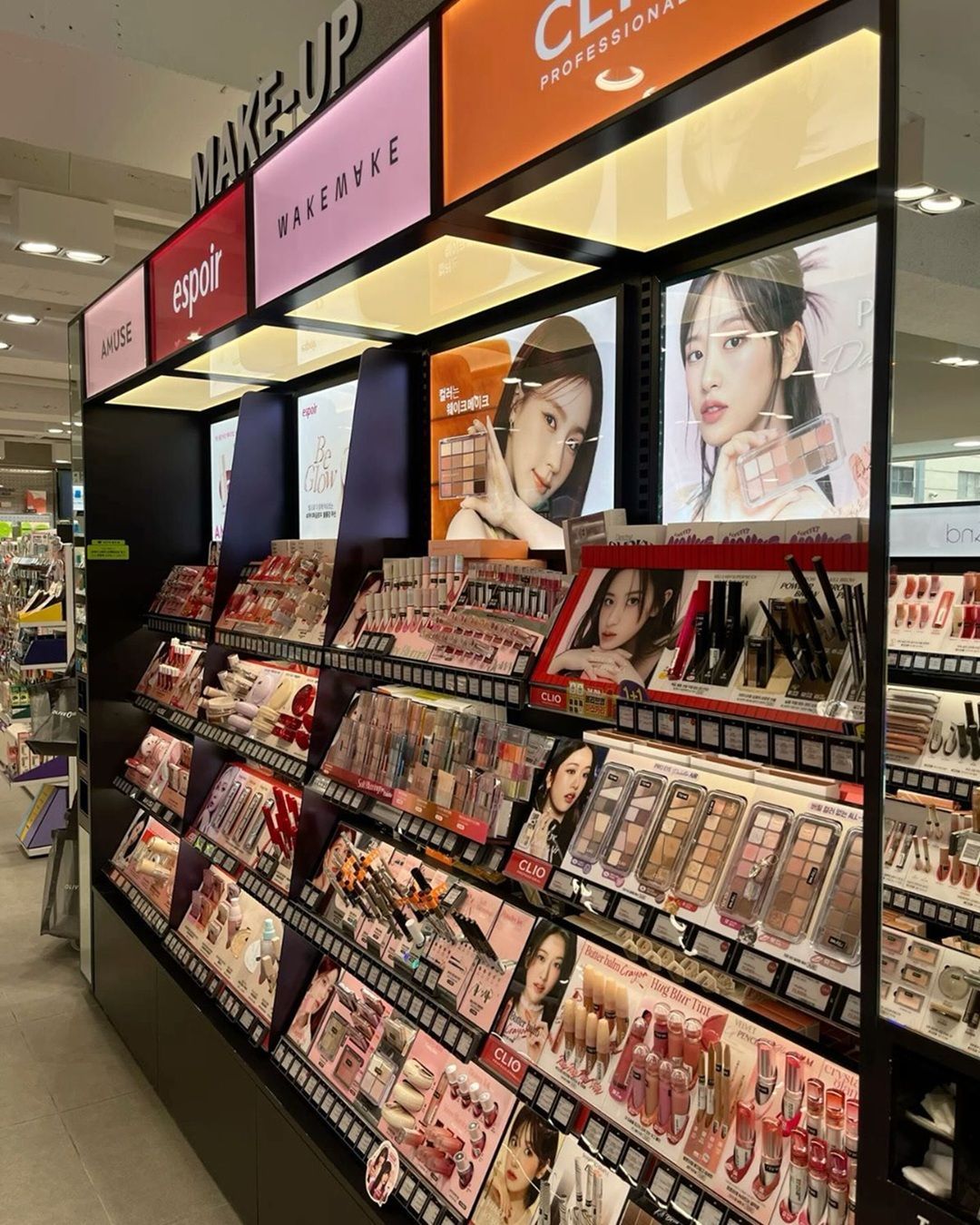
When I went to Seoul in October 2024, I often found myself simply observing. In the city's busiest neighborhoods and in the most-photographed boutiques and concept stores, it was impossible not to notice how many people (mostly women, but also men) showed visible signs of recent (or very recent) cosmetic procedures. Bandages, wide-brimmed hats, medical tape, and traces of the salmon sperm facial. There, aesthetic medicine isn’t something to hide, it's something to celebrate. Not surprising: looking away from the people and into the streets, I saw signs everywhere advertising low-cost clinics, complete with price lists in English. In short, South Korea knows where to focus its efforts, and one of those areas is undoubtedly beauty tourism. According to Statista, more than 100,000 people travel to the country every year from abroad for aesthetic procedures, and the market is consistently growing. Forecasts suggest that the 2023 peak will soon be surpassed. What motivates these travelers? Innovative treatments that are more affordable than in the U.S. or Europe. When did it all start, and how is it going? Let’s take a closer look at this rapidly evolving phenomenon, with both bright spots and darker sides.
What aesthetic procedures are trending in South Korea in 2025?
Around 2010, a new approach to skincare began to take shape in South Korea. As the field grew, focused more on skin than makeup, on treating deeply rather than masking flaws, it was natural for aesthetic medicine to awaken and develop in parallel. Today, the country leads the world in procedures per capita and is a pioneer in non-invasive, non-surgical treatments. In 2019, for example, 77.5% of procedures targeted facial aesthetics, with high numbers of rhinoplasties and blepharoplasties. Now, among the most popular procedures in South Korea, we find: laser toning, a laser treatment that brightens the skin and is often used for sunspots and hyperpigmentation; HIFU, a high-intensity ultrasound treatment that firms the skin with a lifting effect and no surgery; microneedling, which also lifts the skin; as well as laser liposuction and body contouring. Over the years, the focus has shifted from face to body, giving rise to a new wave of total-body treatments.
The economic factor of aesthetic medicine in South Korea
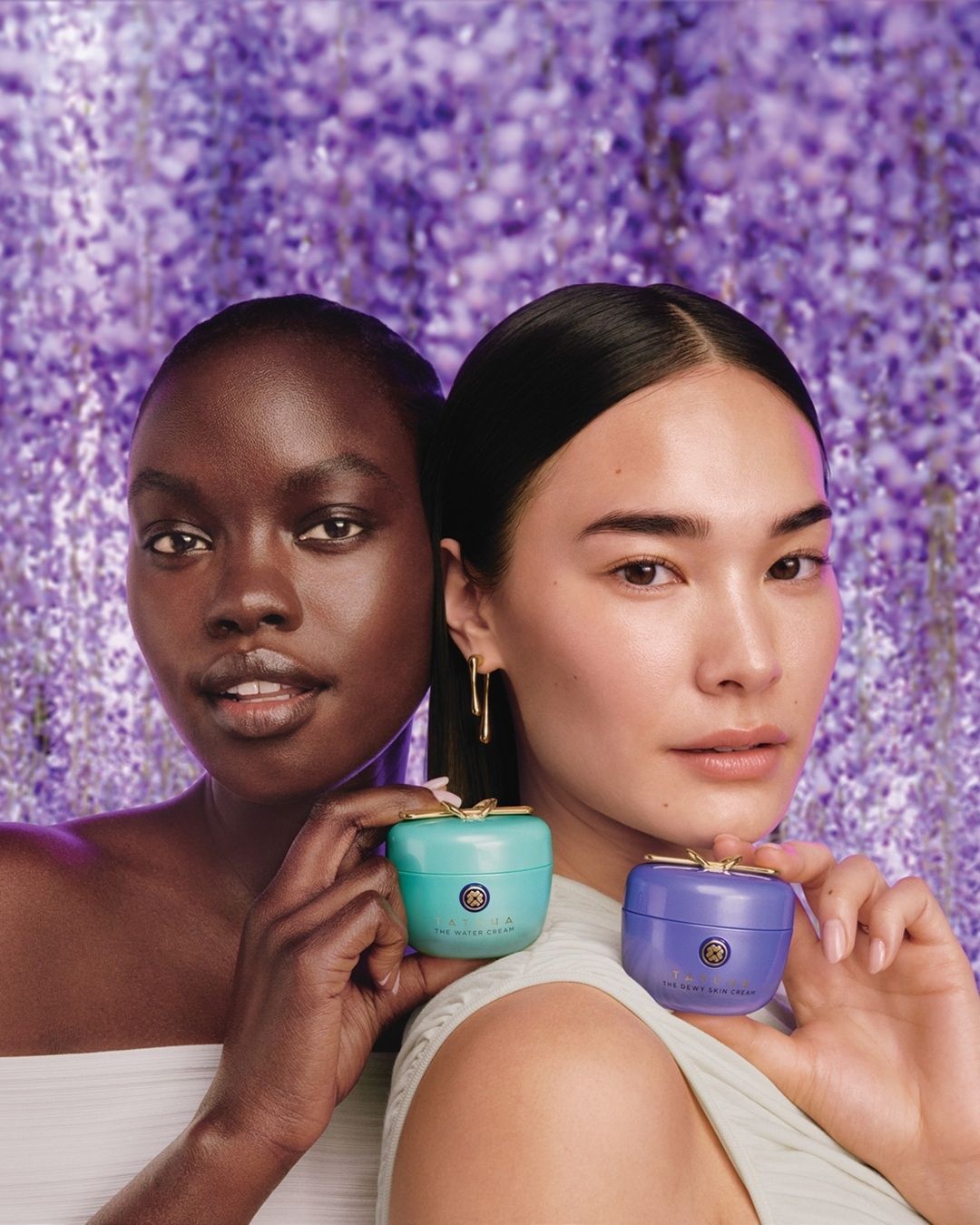
As you might expect, this sector has a significant economic impact. Revenues reached $2.4 billion in 2024, and projections from Grand View Research indicate growth to $6.3 billion by 2030, while other sources estimate as much as $12.14 billion by 2034. In the near future, we can expect a shift toward personalized treatments powered by Artificial Intelligence, combining a holistic wellness approach with customized plans blending invasive and non-invasive procedures. Then there’s the booming export of Korean beauty products, which continues to grow, spreading the Korean beauty philosophy globally and encouraging more people to travel to South Korea for their beauty needs. Its influence reached a new milestone last year: South Korea surpassed France as the largest exporter of cosmetics to the United States. Retail giants like Sephora and Ulta Beauty are riding the wave of the “second era of K-beauty,” introducing new Korean brands to international markets.
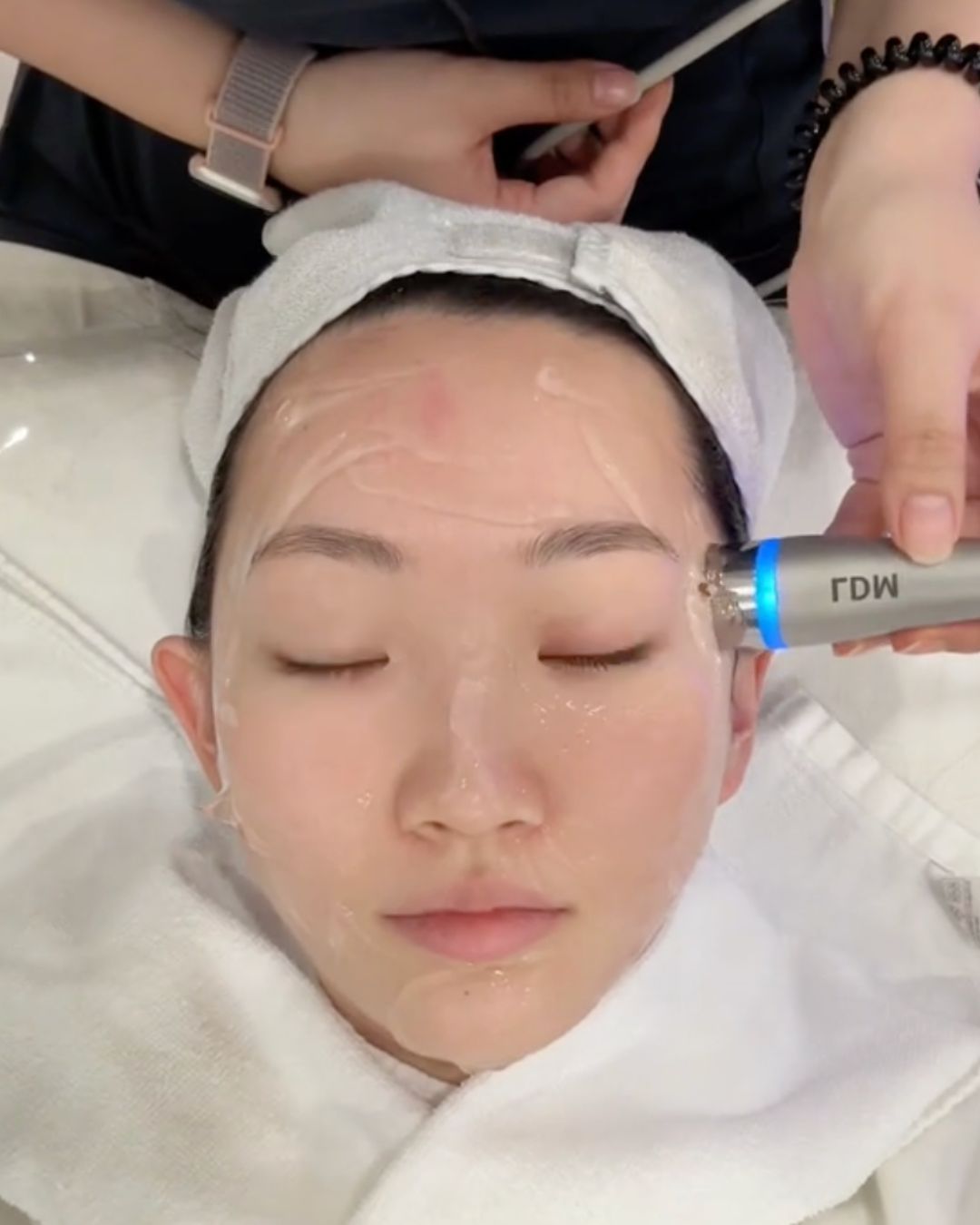
@annalisachiesi @Lamiche Dermatology The clinic name is Lamiche Dermatology located in Seul #Koreantreatments #KoreanSkincare #GlassSkinGoals #KBeauty #LaMICheDermatology #SeoulBeauty#supplied#SkinTransformation Mantra - JENNIE
Tips for beauty tourists, and the dark side of beauty tourism in South Korea
Traveling to a foreign country with a different language and writing system for more or less invasive procedures is no small decision. Before booking a trip, there are many factors to consider. First, thorough research is essential, ideally with help from someone who speaks the language. Second, one must understand the local context, which is more complex than it might seem to an outsider. For example, since 2024, an ongoing medical strike has been underway in response to government plans to increase medical school admissions, raising concerns about training quality. This has led to staffing shortages that could affect the quality of care - especially in case of complications - and is forcing some hospitals to turn away patients due to lack of resources. Additionally, South Korea has strict laws regarding online defamation. This means that negative reviews, even if true, can be considered cyber defamation, making it difficult to know which clinics to trust. Lastly, some doctors are raising concerns about the normalization of plastic surgery as a casual, lunch-break procedure. In South Korea, this is common, especially in large clinic chains that rely on high volume and low prices, often at the expense of quality and care. Still, the trend continues to grow. Whether or not that growth is sustainable in the medium to long term is another question.