





































Is shopping addiction real? We asked some experts
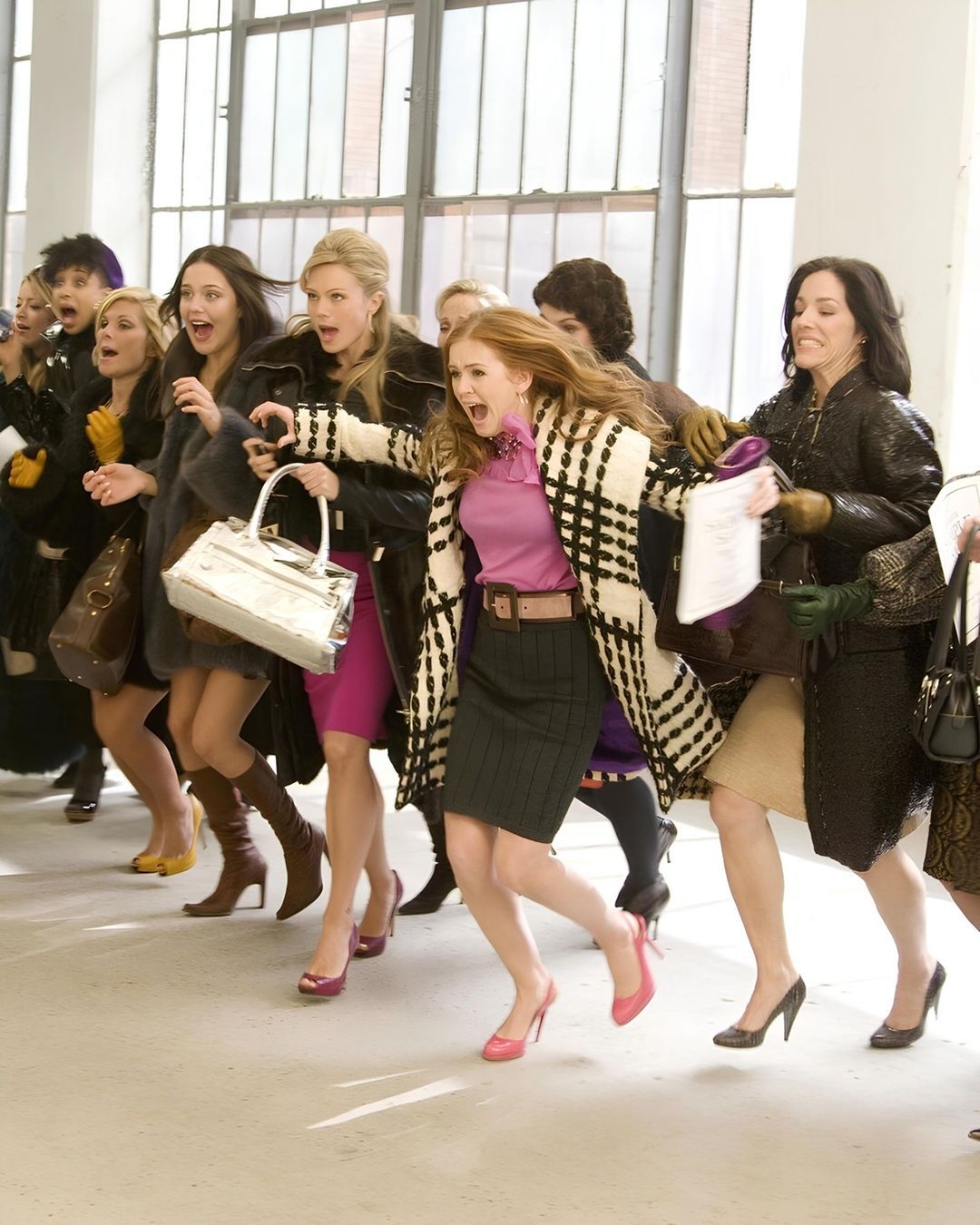
“I suffer from compulsive shopping” is now a familiar phrase, used in books, TV series, and films often as a tongue-in-cheek joke. How many times have you said it after a little too much online shopping? We asked ourselves: what really is shopping addiction? “When I see a store, my heart beats faster. It’s like falling in love… only that it lasts longer.” Rebecca Bloomwood in I Love Shopping put it that way, but what does a true neurofashion expert think?
What is shopping addiction or compulsive shopping?
Dr. Chiara Salomone defines shopping addiction as "an uncontrollable need to buy that goes far beyond indulging in a small pleasure. It's a way to numb pain, fill a void, or feel alive when inside there's only emotional silence. The relief comes, yes, but it doesn’t last. Then shame, guilt - and often financial problems - show up. It's a vicious cycle where your credit card becomes a crutch for a limping heart.£ She explains the origins: "It’s not new; it was already discussed in the early 1900s, but with mass consumerism, e‑commerce, and social media, it’s become more visible and widespread. With easy credit and consumer culture, the soil is ripe." Psychologist Gaia Cavalleri notes the term’s clinical history, initially called ‘oniomania’ by Kraepelin and Bleuler, but increasingly studied since the 1980s, when consumption became a form of gratification.
@blondegirldiary A shopaholic worst problem #fyp #foryoupage #girlblogger #relatable #clueless #cherhorowitz #shopaholic #shoppingaddict PARTY 4 U x NEVER BE LIKE YOU - ALTÉGO
Can shopping addiction be considered a true psychological disorder?
Experts say yes, with a caveat. While not officially recognized as a standalone diagnosis in DSM‑5 TR or ICD‑10, many researchers and clinicians view it as a real psychological, behavioral and impulsive disorder. It shares features with substance addictions but without drugs or alcohol. It belongs to the category of new addictions, or behavioral addictions. Cavalleri explains that it fulfills all the addiction criteria, including:
- Salience (dominance in daily life)
- Craving
- (Emotional) Withdrawal
- Relapses and interpersonal conflict
Varley argued that compulsive shopping often signals deeper disorders, yet it can exist independently. Salomone adds, "Regardless of diagnostic labels: when someone feels shopping controls their life, they can’t stop, and purchasing is the only way to soothe overwhelming emotions, we’re facing something that needs psychological attention. It’s not frivolous or shallow; it's a cry hidden under a load of shopping bags."
Who is at highest risk for shopping addiction?
Chiara Salomone cites research showing that people most vulnerable are those with low self-esteem, emotion regulation difficulties, or histories of anxiety and depression. And yes, data shows a higher prevalence among women, not because they’re weaker, but because shopping has long been culturally linked to women as socially accepted gratification. Men may express it differently: through tech, cars, gambling. The mechanism is the same: buy not to own, but to belong. Cavalleri shares further data: personality disorders, especially avoidant, borderline, and obsessive-compulsive, are common. Women aged 30 - 40 are most at risk, though young men on e‑commerce platforms are increasingly affected. About 60% of compulsive buyers present at least one personality disorder, often alongside alcoholism, kleptomania, eating disorders, or gambling.
Has the rise of the internet and social media worsened the issue?
"With the rise of e‑commerce and social media, shopping has become so easy" Salomone admits. The space‑time barrier thins and can throw us into confusion. These days, we shop almost anywhere, at any time, often without realizing we actually spent money. But she clarifies: "Internet doesn’t create addiction, it amplifies vulnerabilities. Platform mechanisms (notifications, flash deals, algorithmic suggestions) speak directly to our impulsive brain and thirst for instant gratification." Salomone’s final thought reminds us: "It’s not just where we shop that changed, our relationship with consumption changed. Today, consumption is often a mood regulator. The issue isn’t to demonize social media or online shopping, but to ask: what am I really seeking when I click 'buy now' from my couch, office, bed, or beach?” Cavalleri adds that these systems are dangerous: "Social media and online ads constantly promote consumer ideals and create fake needs, exploiting insecurity and belonging. As Goldsmith notes, compulsive behavior increases online. So yes, it’s easier to develop addiction today, even if the underlying vulnerability is the same. The context changed, not the psychology."
@vintagepinksoul I will literally be the old woman who lived in her shoes ! #carriebradshaw #sarahjessicaparker #satc #viral suono originale - vintagepinksoul
Tips for breaking free from shopping addiction
"I spent $40,000 on shoes and have nowhere to live? I'll end up the old lady who lives in her shoes" once quipped Carrie Bradshaw. Maybe quitting shopping would've helped her, but here's some advice for you. Salomone says: "There are no easy fixes. Deleting your credit card or uninstalling apps isn’t helpful if you don’t address why you’re buying. When shopping becomes compulsive, the problem isn’t stopping, it’s figuring out what you’re trying to soothe or fill. It's not a dress or product, it’s an’emotion that needs to be seen. This work isn’t done alone: you need someone to help you understand that inner void and how to fill it differently. Quitting isn’t the cure, it’s a symptom of healing." Cavalleri recommends seeking professional help when the behavior disrupts one’s daily life: "Consult a psychologist and start a path toward inner well-being."