
































The protein craze is getting out of hand No, you don't really need to drink a protein coffee
Protein cookies, protein puddings, even protein water: protein has become the most beloved macronutrient in marketing, even more than among nutritionists. These days, almost any food can be made protein-added, with very few exceptions. Behind this trend is, on one hand, the growing obsession with healthy living and having a fit body, and on the other, a tendency – made worse by social media – to want everything right away, preferably with minimal effort. Unsurprisingly, it all started in the United States, with the rise of diets like Atkins, paleo, and keto from the 1970s onwards. All of them are based on a simple principle: drastically reduce carbohydrate intake in favor of protein and fat. Since then, protein has been associated with a healthy lifestyle, a sculpted body, and weight loss.
Does protein help you lose weight?
Let’s start with this question: does protein make you lose weight? First, it’s crucial to highlight something often overlooked: as nutritionist Dr. Cecilia Anfossi explains, “Weight loss happens in a calorie deficit – it doesn’t matter whether those calories come from fat, carbs, or protein.” Especially since the last two macronutrients – spoiler alert – provide the exact same amount of calories: 4 per gram. So where does this protein-mania come from? “On one hand, the fitness boom and body worship turned protein into a symbol of healthy living,” says the doctor. “On the other, the growing fear of carbs drove many to see protein as the safer choice.” All of this amplified, of course, by social media, where pages dedicated to diet and fitness recipes (protein-based, obviously) keep growing.
@jacbfood If you have a protein powder you like the taste of, you can find lots of different things to add it to so you can make it easier to meet your protein goals.
Eatin' Good - Woodcamp
Protein products: a booming market
That the protein-mania is spreading isn’t just proven by supermarket shelves and TikTok videos – it’s backed by data: one study predicts that the global market for protein snacks will hit $10 billion by 2032. In the meantime, companies focusing on this product category are popping up all over the internet, offering everything from spreads to cookies to pancake mixes (all protein-packed, of course). Promotion is driven by fitness influencers and content creators, who highlight both the nutritional benefits and – most importantly – the fit lifestyle appeal. The result? A wave of new, arguably unnecessary consumer needs. As Dr. Anfossi points out, the nutritional value of a protein product “can easily be matched (or even surpassed) by simple, natural foods.” For example, “a protein pudding provides about 20g of protein, but often includes ingredients that aren’t always transparent or healthy. A better option? A Greek yogurt, a handful of almonds, and a spoonful of oats: the same protein content, but more wholesome.” So, the issue isn’t protein itself, but the fact that these products are often ultra-processed, pre-packaged, and loaded with additives like sweeteners, preservatives, and stabilizers.
From popcorn to profee: protein as big business and TikTok trend
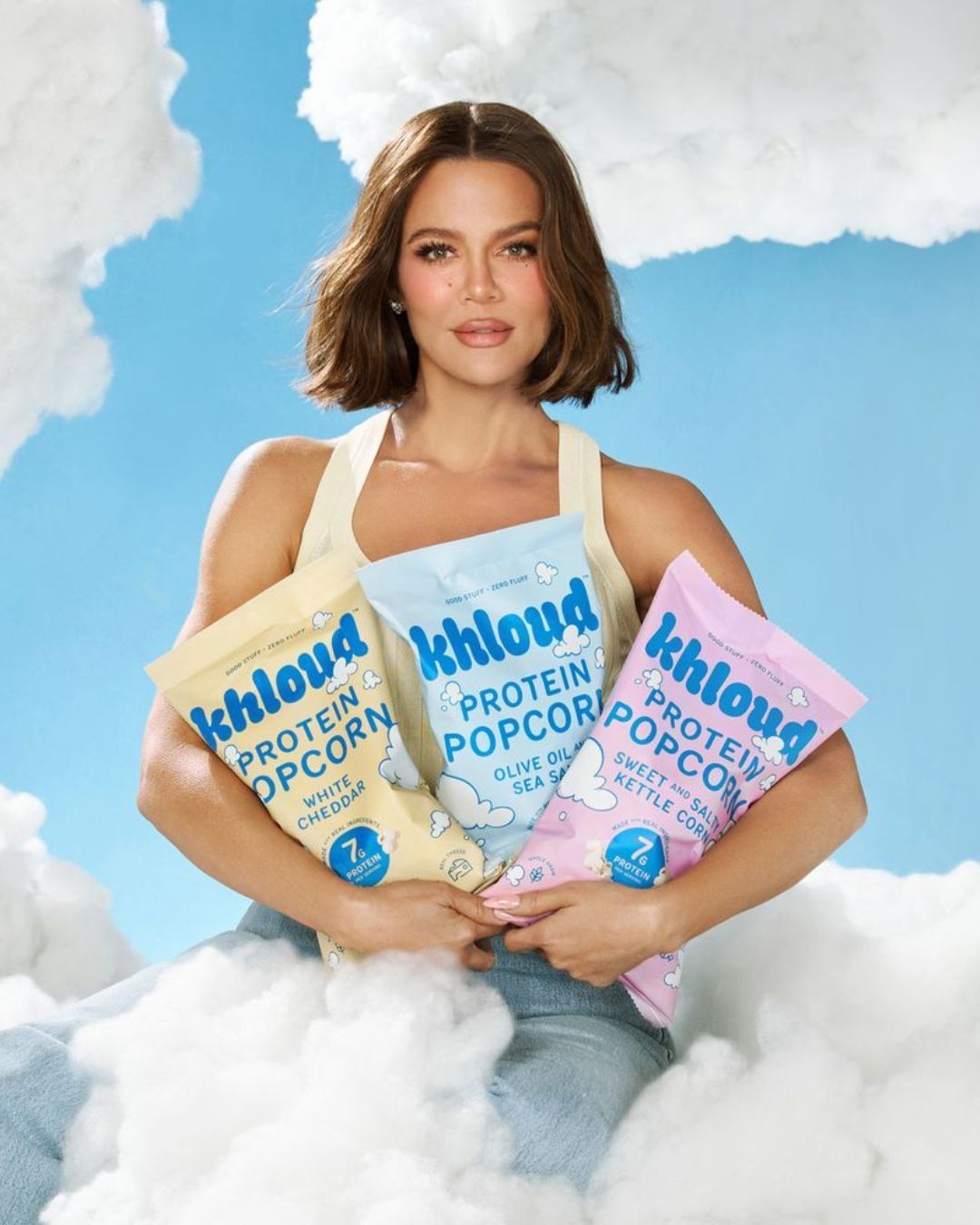
As market logic goes, where there’s supply, there’s usually demand – and profit potential. Unsurprisingly, many celebrities have jumped on the protein-product bandwagon. The latest? Khloe Kardashian and her Khloud protein popcorn made with milk protein. Then there’s Venus Williams with her plant-based protein brand Happy Viking, and Tom Brady with TB12. Many now-viral TikTok trends also originated in the US, like profee – that is, coffee (hot or iced) mixed with protein powder. While “not inherently harmful,” Dr. Anfossi explains, “in most cases it’s simply unnecessary” unless someone has a specific need to increase their protein intake (due to particular health goals or intense training).
@jamescharleslol Trying Khloe Kardashian’s new protein popcorn brand????
Zero Hunger: when protein really saves lives
Amid all the marketing and hype, there is one clear upside: several international companies are partnering with governments and NGOs in the Zero Hunger initiative promoted by the UN. The goal is to end hunger and improve nutrition for millions by 2030. One of the most effective strategies involves fortifying food with protein, vitamins, and minerals to improve nutritional value – as seen with Super Cereal and fortified rice and flour products. In those cases, yes, protein really does matter.
