


























Beauty products: what really happens when we use an expired cosmetic? Mascara that's been open for a year, last summer's SPF, and that face cream we just can't bring ourselves to throw away
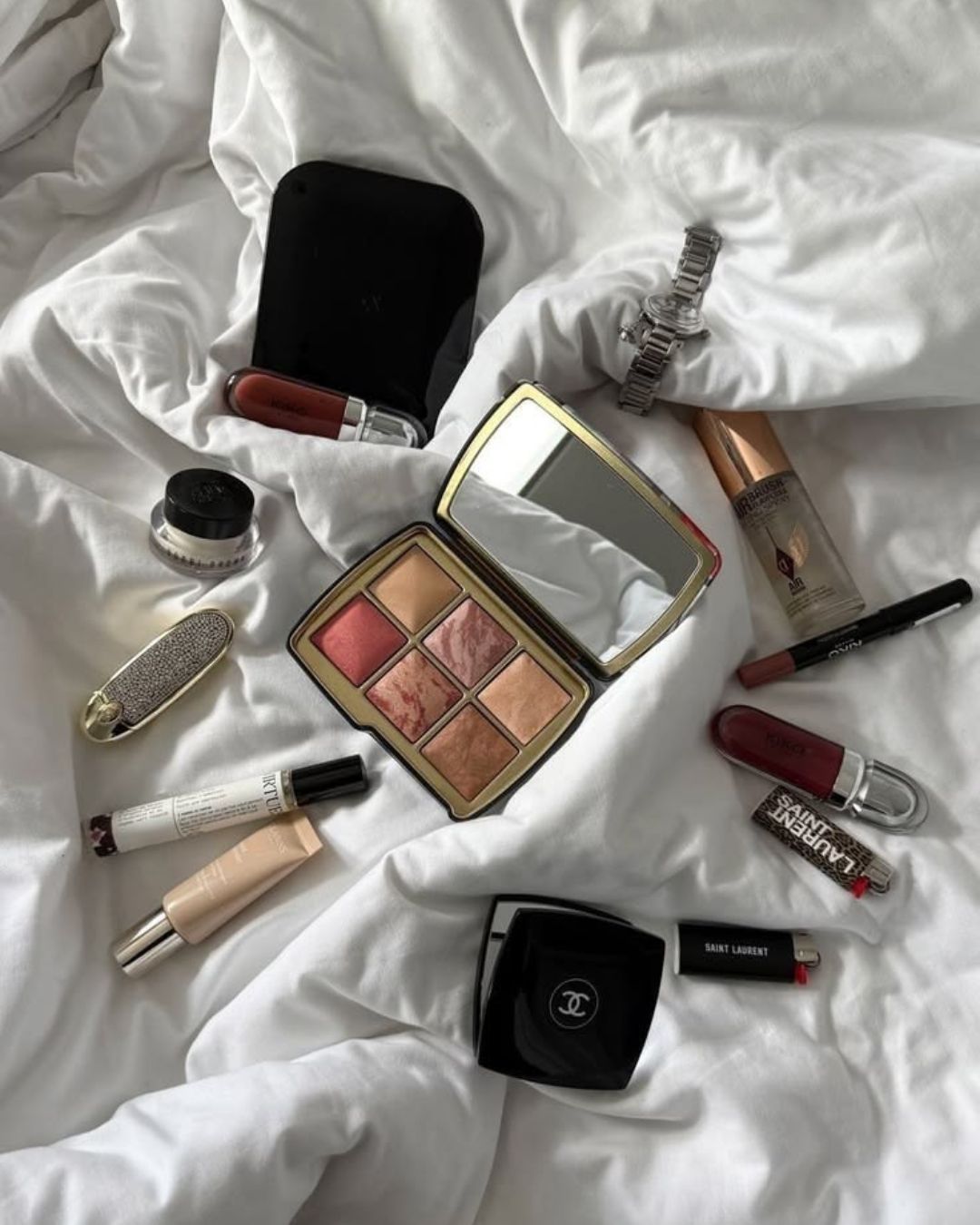
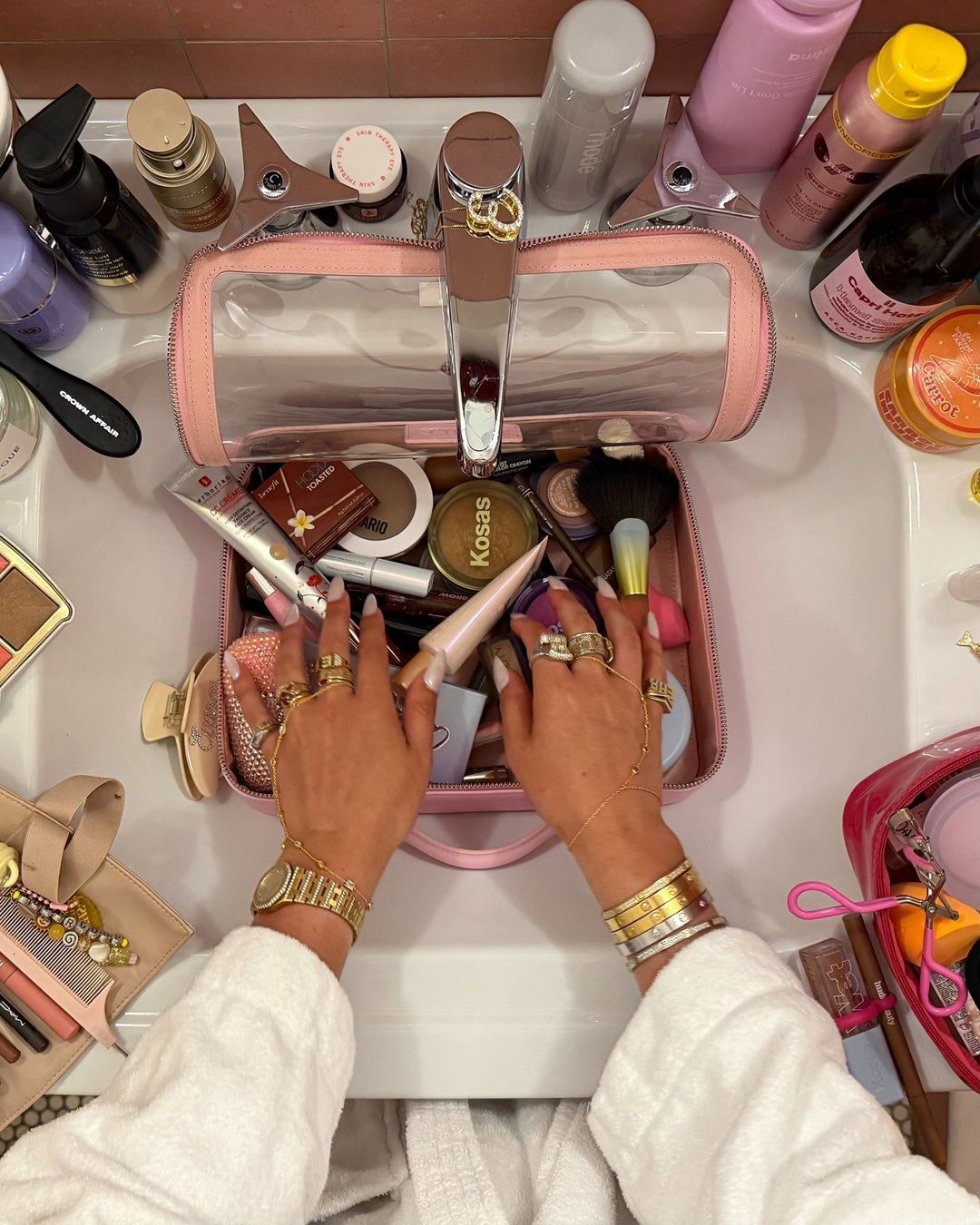
There's one category of items that we struggle to let go of almost as much as the wrong romantic partners: beauty products. It doesn't matter how many we buy or receive as gifts. Eventually, they all end up in the same place: that drawer, shelf, or makeup bag where a mascara that's been open for at least a year lives alongside a lipstick we haven't used since 2022 and a bottle of sunscreen that's survived more summers than some relationships. And yet we keep them there because our relationship with cosmetics is far less rational than we think. We collect them, save them "just in case," convince ourselves that the expensive serum still deserves a second chance, and develop a strange emotional attachment to products that probably should have already made their way to the recycling bin. But what really happens when a cosmetic product expires? And how can we convince ourselves that it's finally time to let it go?
@beatricegherardini Lo sai che anche i prodotti make-up scadono ? #makeup #makeuptutorial #makeupartist #makeuphacks #trucchi #pao #makeupscaduto #beauty #beautytips 10 minutes BGM for light training such as yoga(845880) - kakumaru
Expiration date and PAO: they're not the same thing
One of the things I learned while speaking with dermatologist Ines Mordente is that many of us don't even know how to correctly read the information printed on cosmetic packaging. The expiration date and the PAO are not the same thing. The expiration date tells us how long the product remains safe and effective while still sealed. The PAO (Period After Opening), represented by the little open jar symbol with labels such as 6M or 12M, tells us how long the cosmetic remains safe after it has been opened. And this is where the problems begin, because almost no one remembers when they first opened a mascara, a face cream, or that eye cream they swear they bought "just a few months ago," when in reality it's already survived at least two seasonal wardrobe changes.
Is an expired cosmetic really dangerous?
The short answer is: it depends. As the dermatologist explains, a product that has gone beyond its recommended usage period doesn't suddenly become toxic overnight. The real issue is that, over time, its formulation can change. The active ingredients may lose effectiveness, preservatives may become less stable, and the product itself may change in smell, color, or texture. In some cases, there's also an increased risk of bacterial contamination and skin irritation, especially for people with sensitive skin. In other words, that expensive serum probably isn't delivering everything it originally promised on the label anymore.
@stevenaura_ Voi sapevate come si riconosce la “scadenza” di un prodotto? #expiredmakeup #makeup #80s #versace #vintage #thrift som original - San Tiago
The case of the mascara we refuse to throw away
Among all beauty products, one deserves much more attention than it usually gets: mascara. We open it, close it, toss it into our handbag, take it on trips, and keep using it until it practically turns into concrete, even though experts generally recommend replacing it every 3 to 6 months. And yet it's one of the most delicate cosmetics we own. It's applied right next to the eyes, constantly comes into contact with air, eyelashes, and bacteria, and should be replaced far more often than most of us actually do. The same level of care should also apply to eye creams, especially those packaged in jars that we repeatedly dip our fingers into.
And then there's last summer's SPF
Every year, when June arrives, the same question comes back: Can I still use the sunscreen left over from last summer? The answer isn't quite as strict as many people think. If the product has been stored correctly, away from heat sources, and is still within the PAO indicated on the packaging, it can usually continue to be used safely. The problem starts when that bottle has spent weeks at the beach, inside a hot car, or forgotten in a beach bag under the sun. In that case, the UV filters may have lost stability, meaning the level of sun protection promised on the label may no longer be guaranteed. Considering that sunscreen isn't just meant to prevent sunburn, but also helps protect against photoaging and long-term skin damage, it's probably the one skincare product where optimism is least advisable.
@cliomakeup_official Vi spiego perché è importante fare decluttering della propria beauty bag Chi di voi ha prodotti comprati anni fa che ancora usa? #cliomakeup #tiktokbeauty #tiktokmakeup #howtotiktok #makeuphacks #dietrolequinte #calendariodellavvento suono originale - ClioMakeUp
Why is it so hard to throw away cosmetics?
Maybe because beauty products are more than just objects. They're promises. The promise of better skin. The promise of a fresher, more rested version of ourselves. The promise of that perfect skincare routine we'll finally start next Monday. Or of that vacation where we'll finally use the travel-size product we've been saving for two years. Throwing away a cosmetic product means admitting that we'll probably never use it. Maybe that's exactly why we keep holding onto them: because we're still hoping those promises we made to ourselves will eventually come true. The good news is that you don't need to automatically throw away everything that's a few months older than expected. If a product has been stored properly, shows no changes in smell, color, or texture, and is still within the recommended PAO, in most cases it can continue to be used safely. The bad news is that no, that mascara you opened last summer probably doesn't deserve another chance. Neither does the bottle of sunscreen that spent more time forgotten in a beach bag inside a hot car than it ever did protecting your skin. Let's learn to let go of beauty products just as we learn to let go of other things: without guilt and without waiting for them to become something they no longer are, or perhaps never were. Because sometimes the best skincare and self-care isn't about adding another product to your routine. It's about making room for the products you'll actually use.