
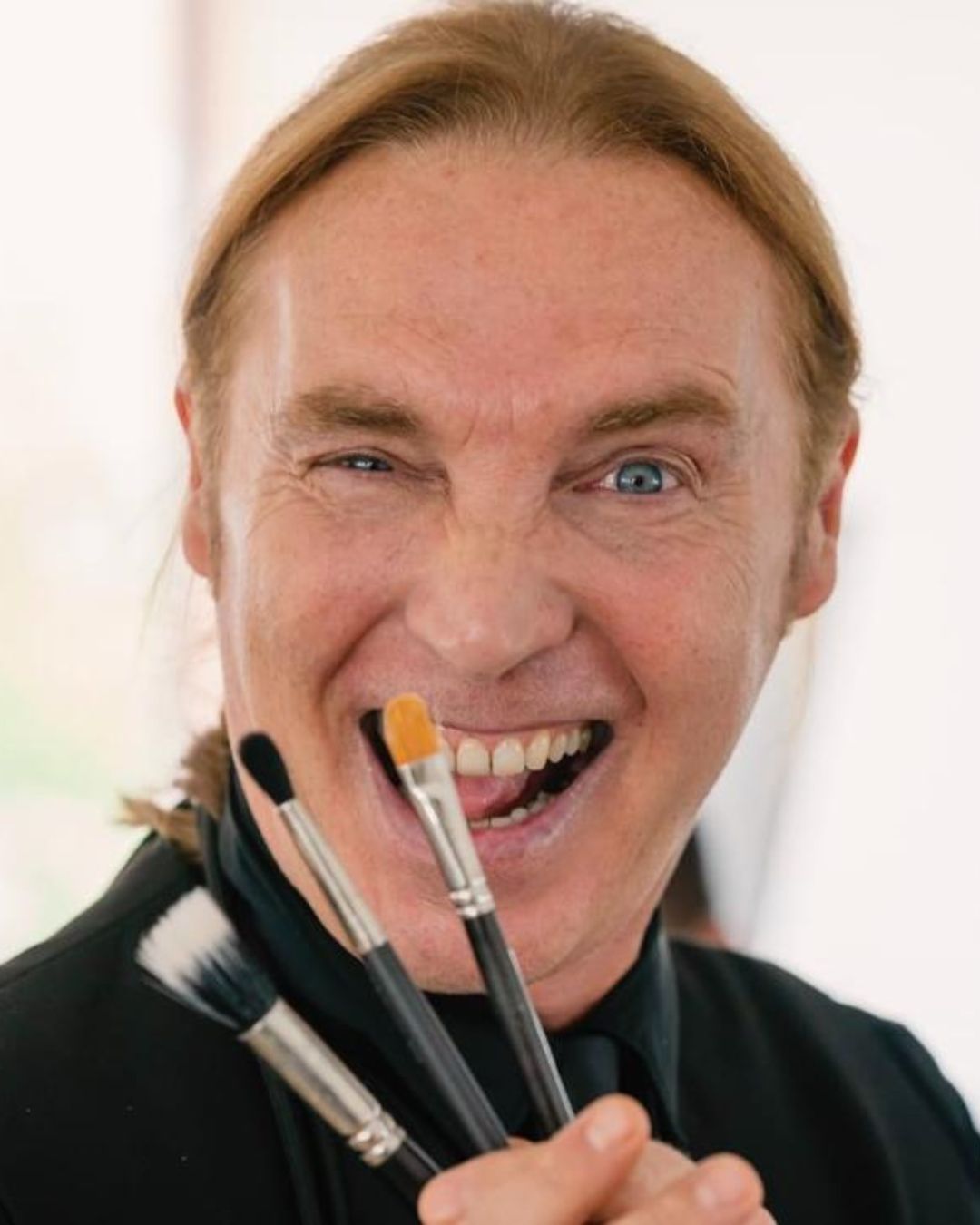

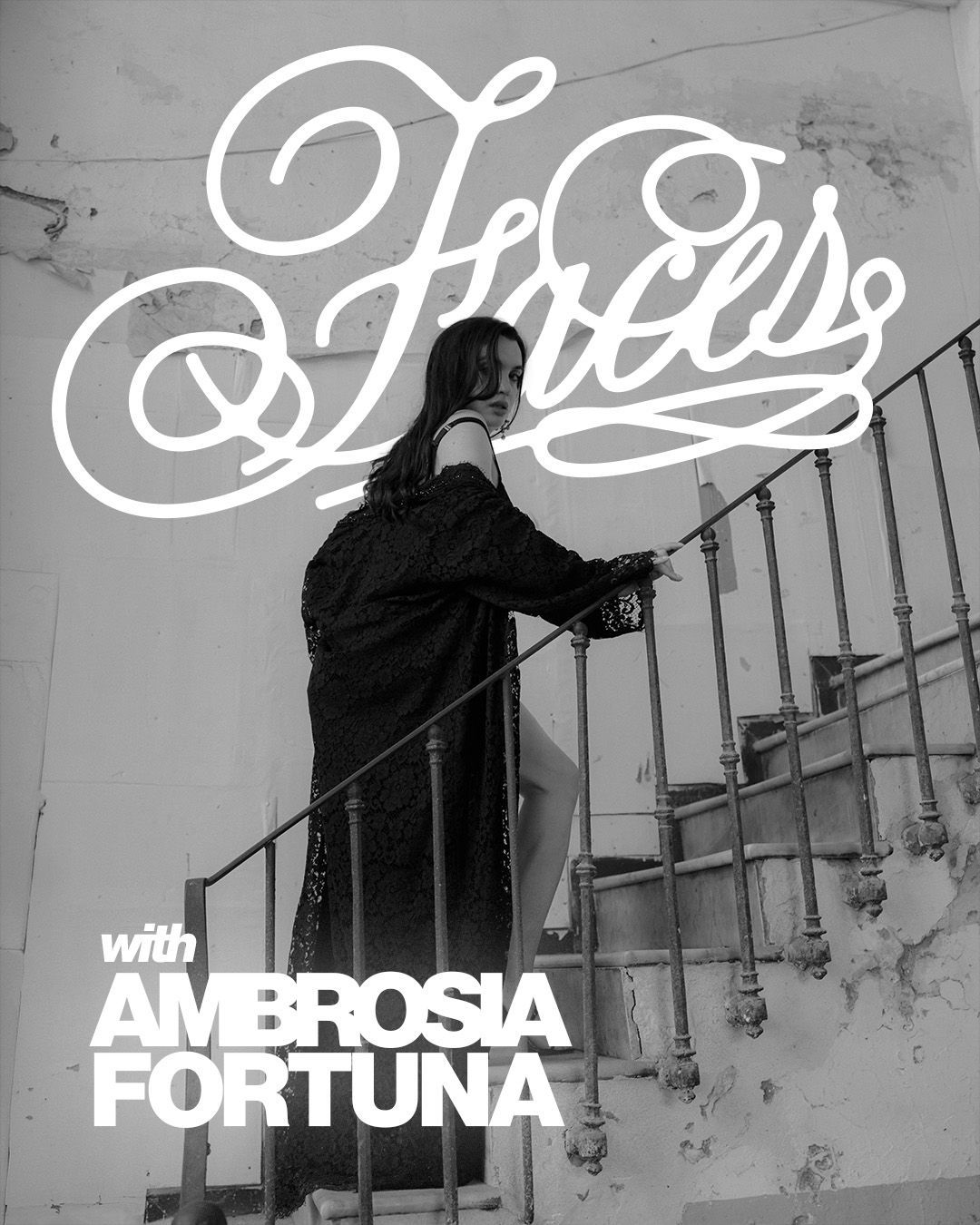
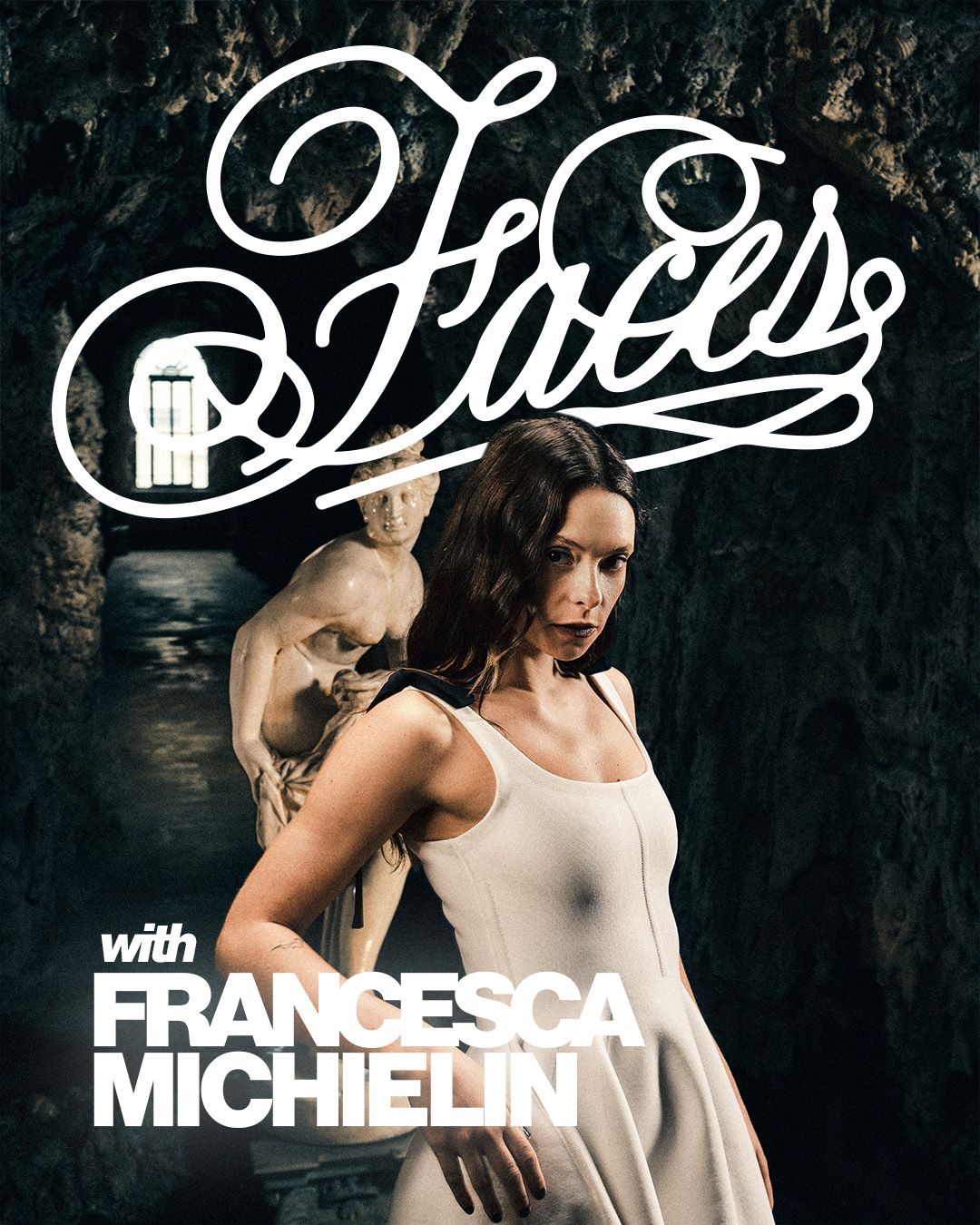
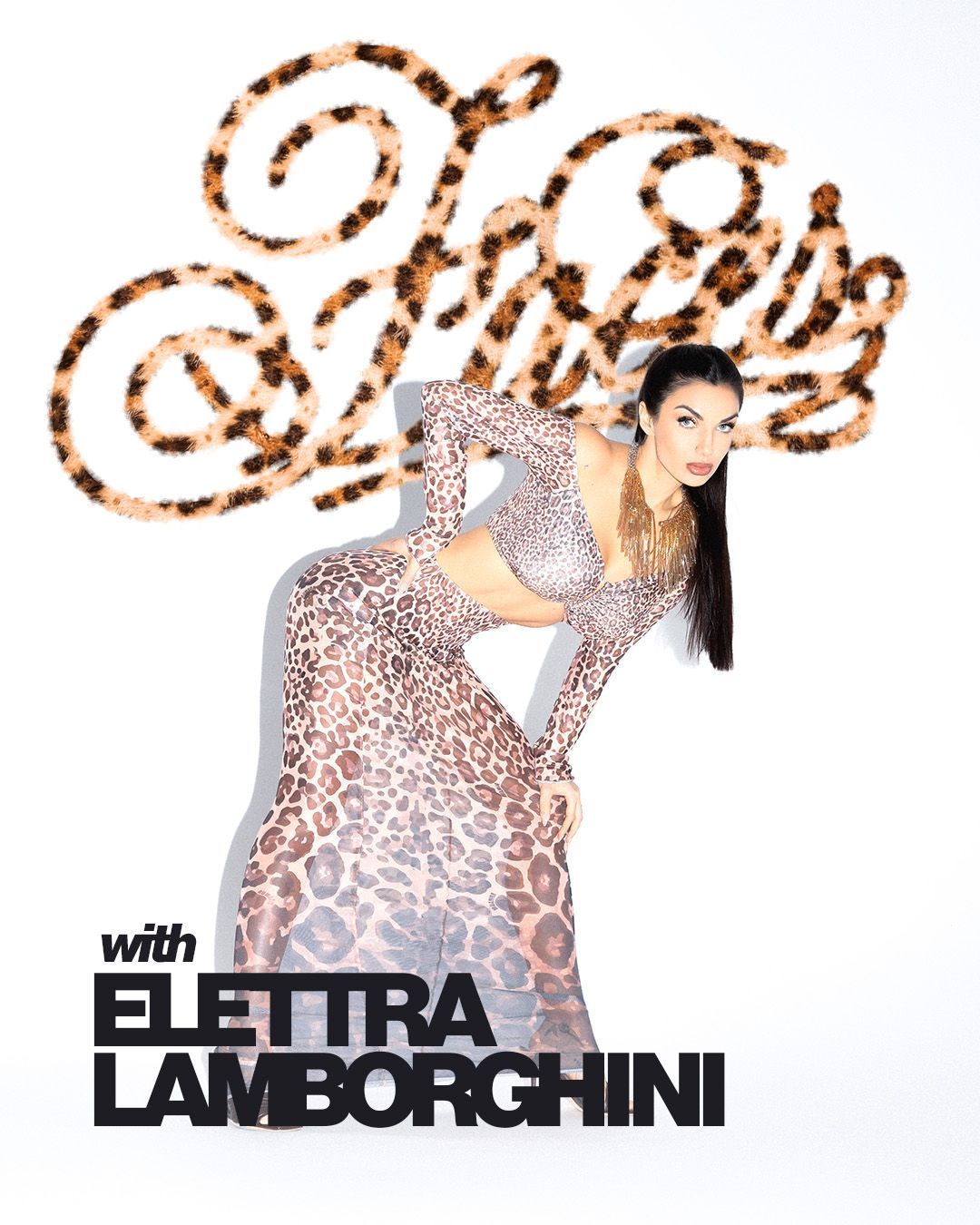
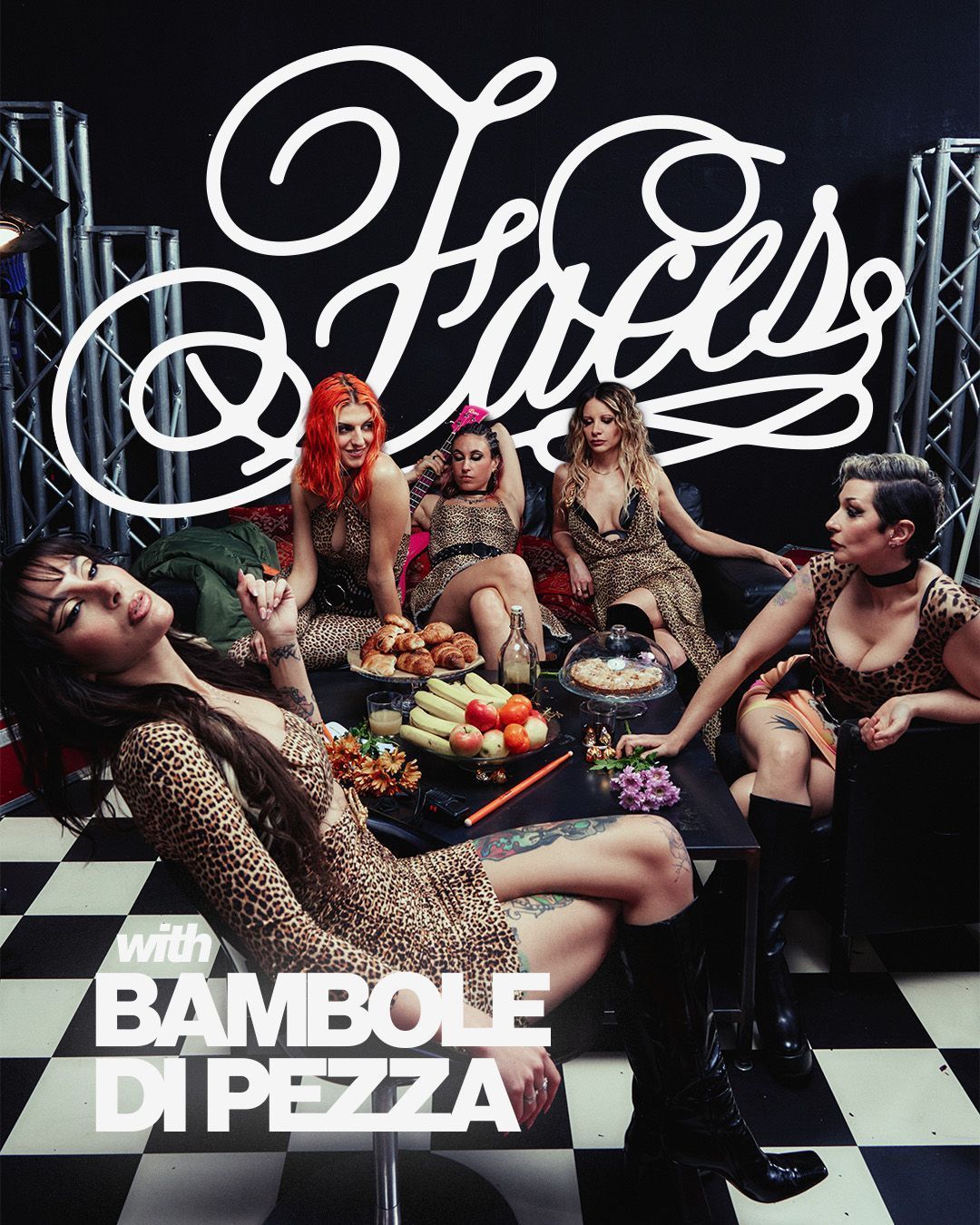
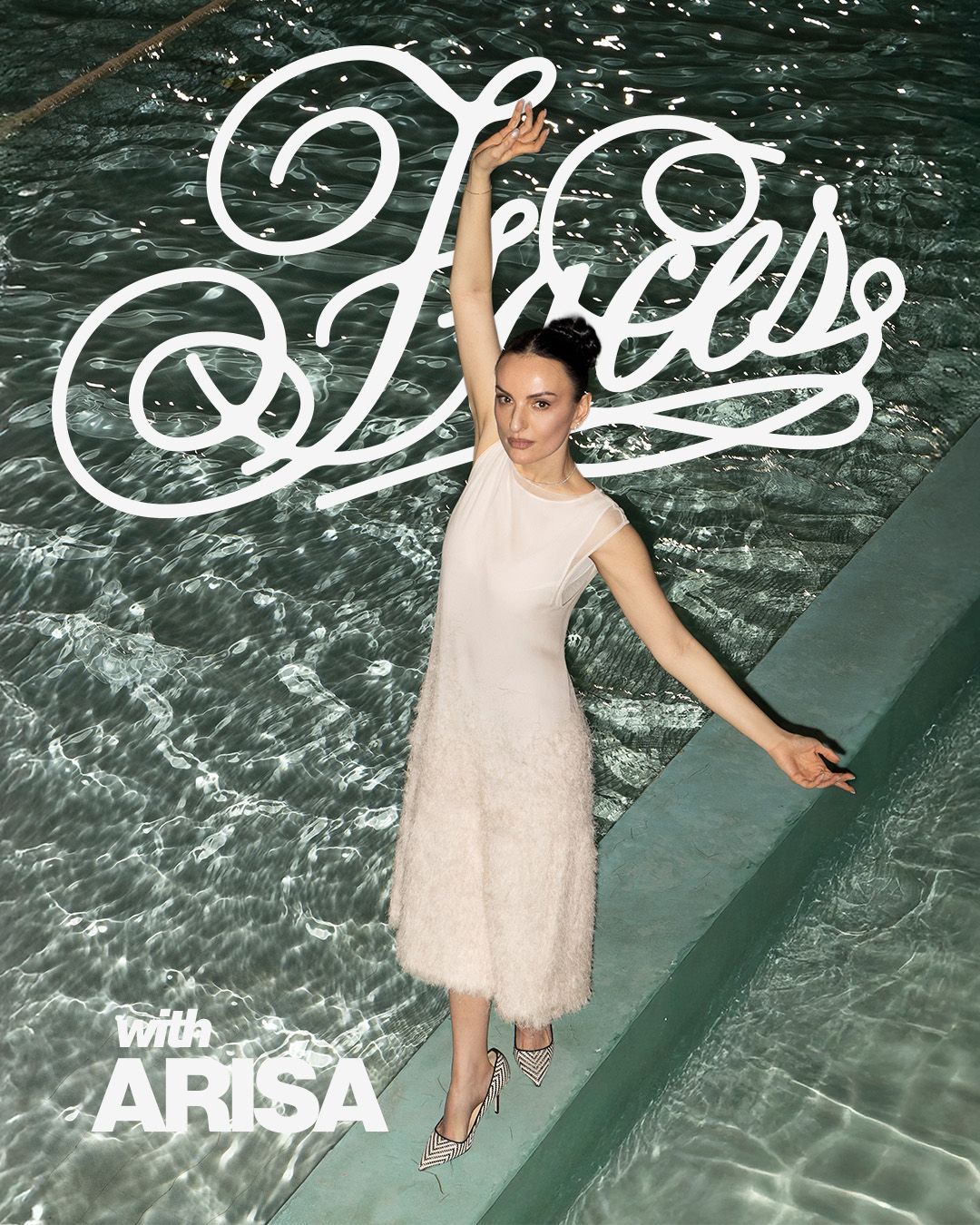
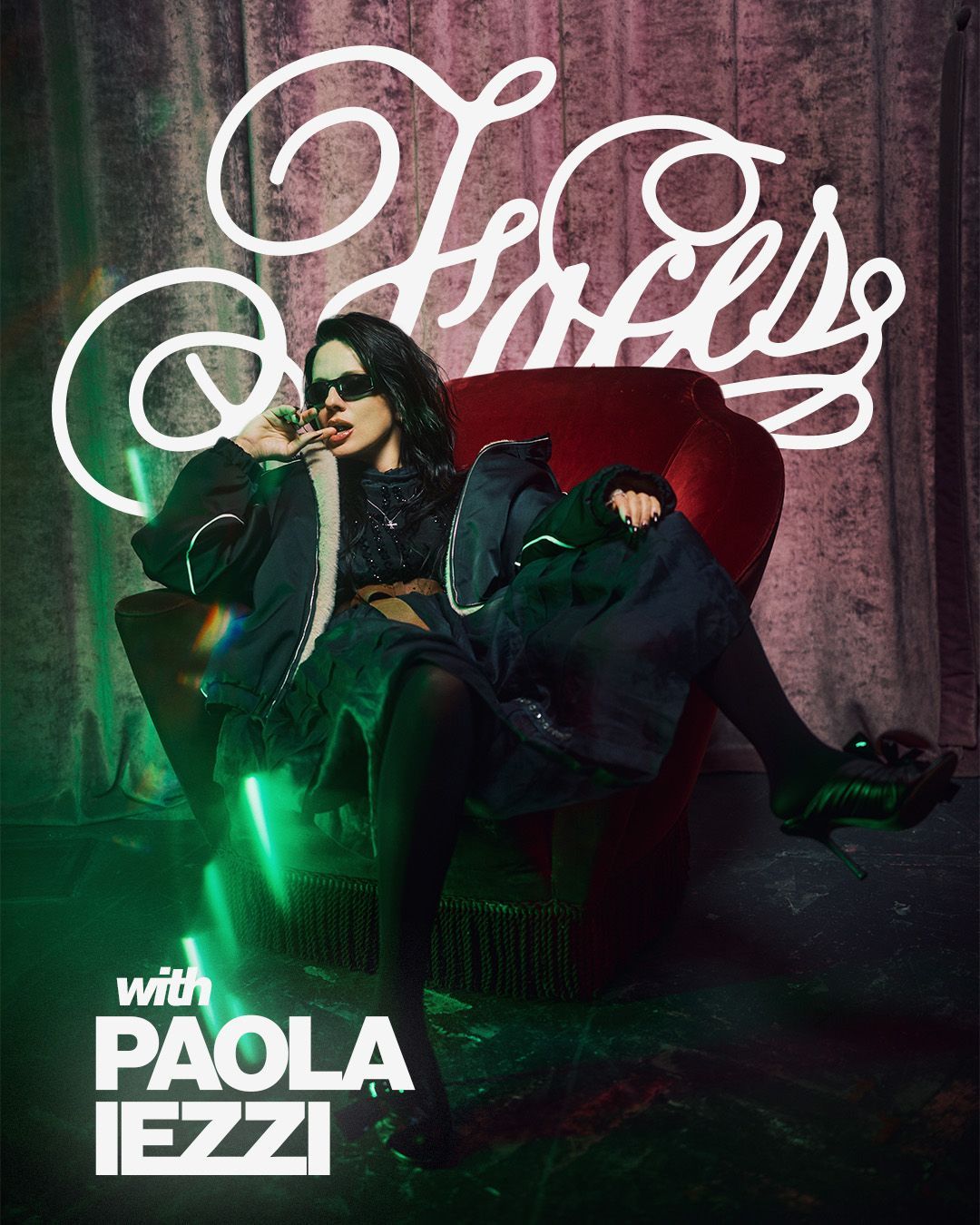
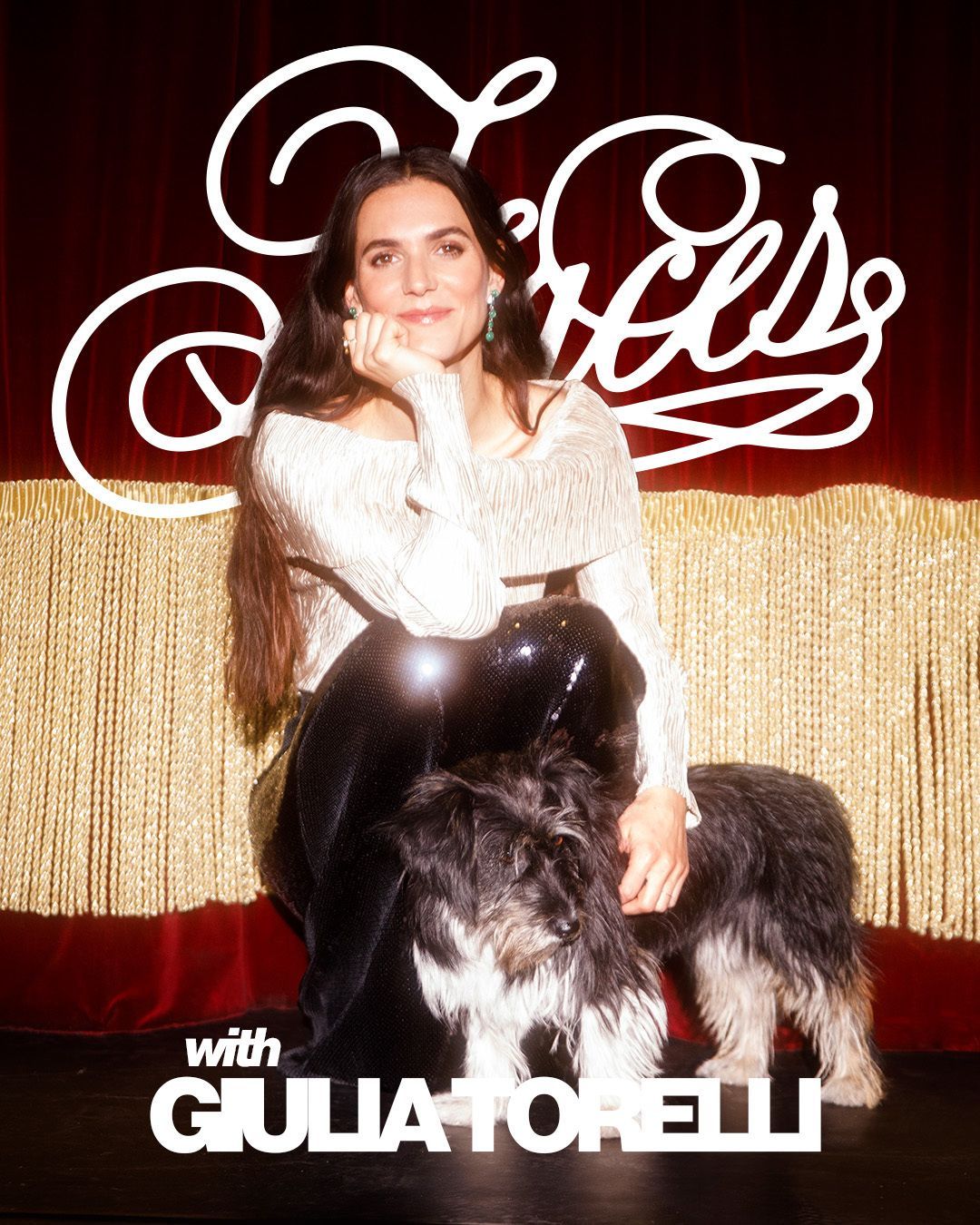
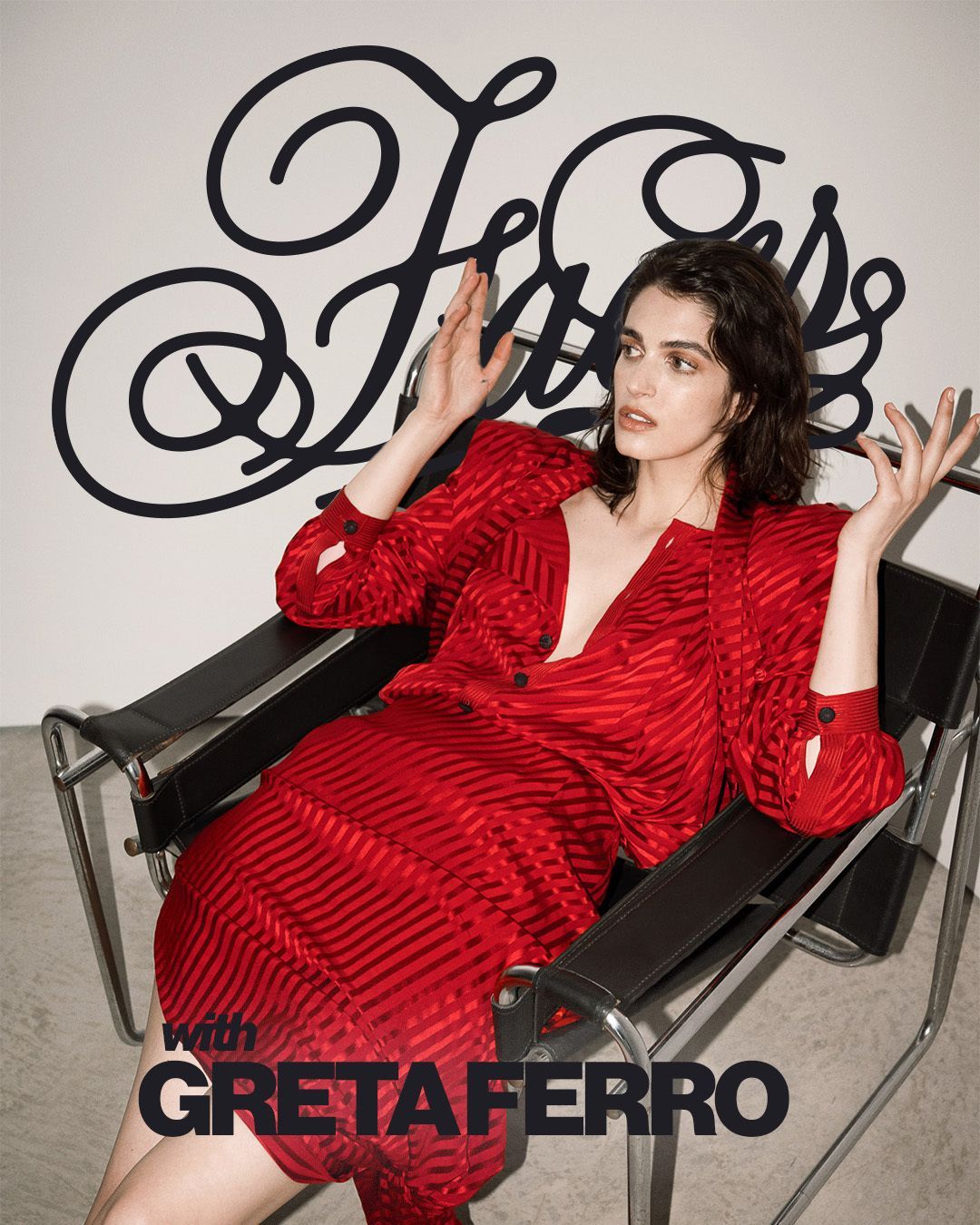
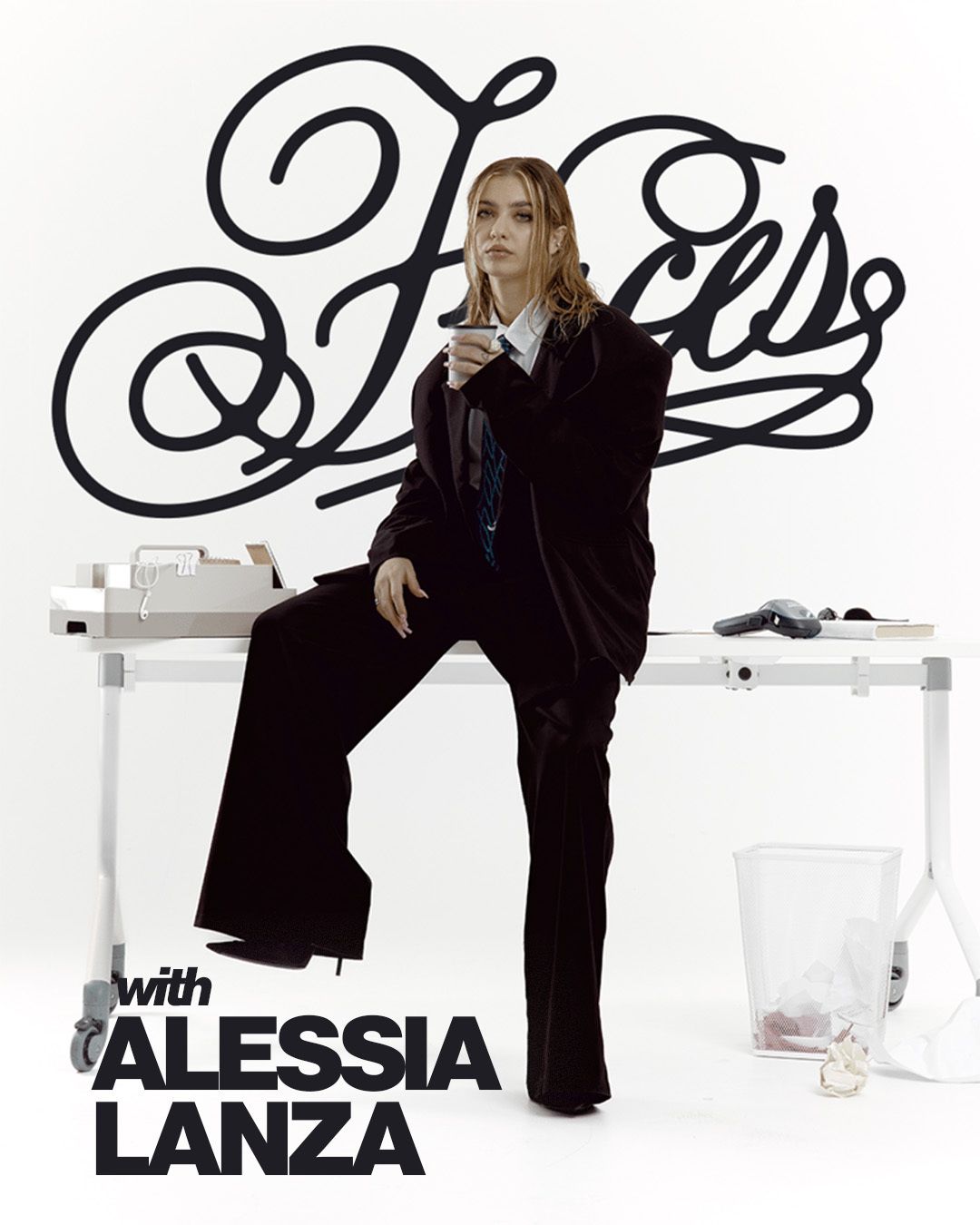
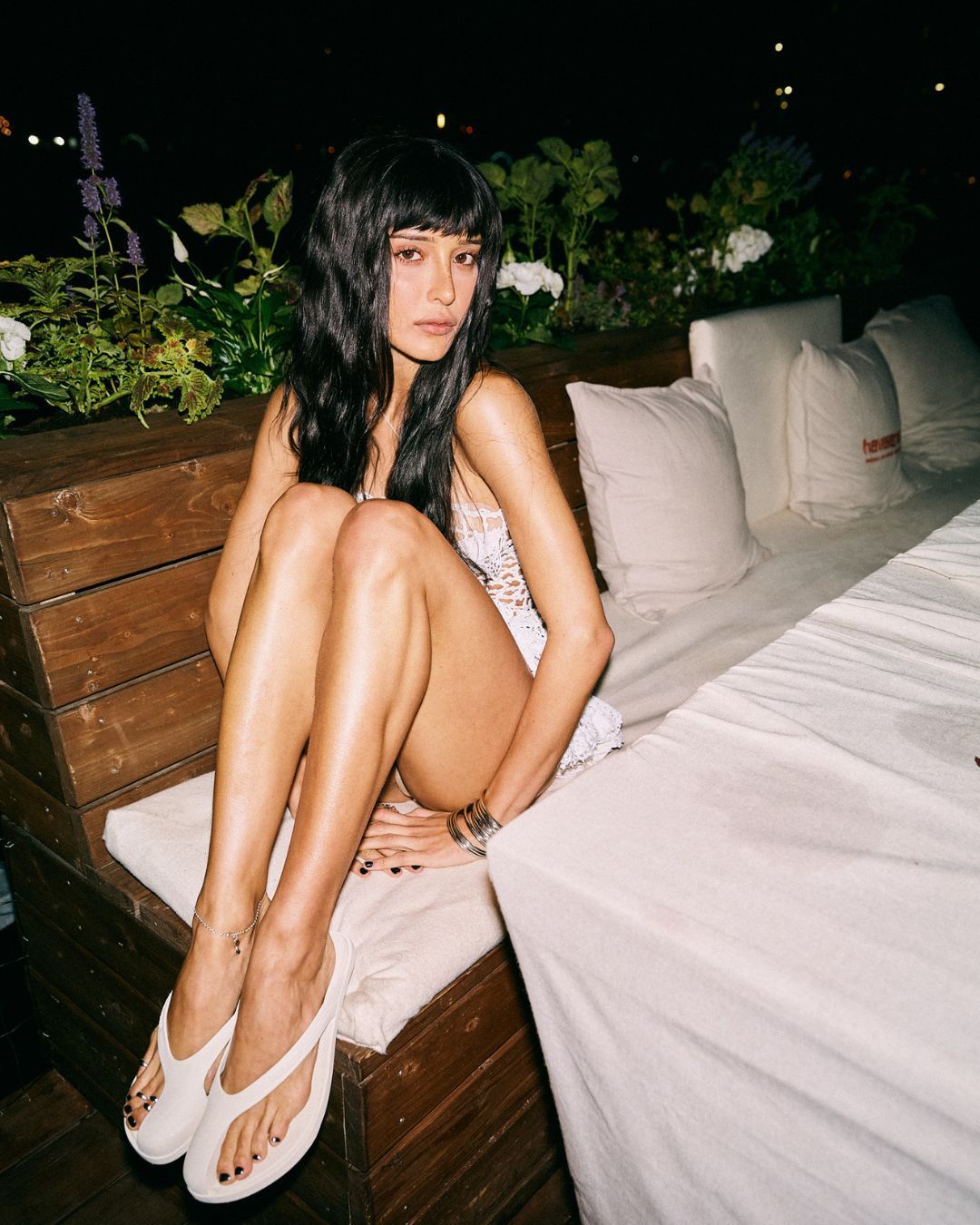
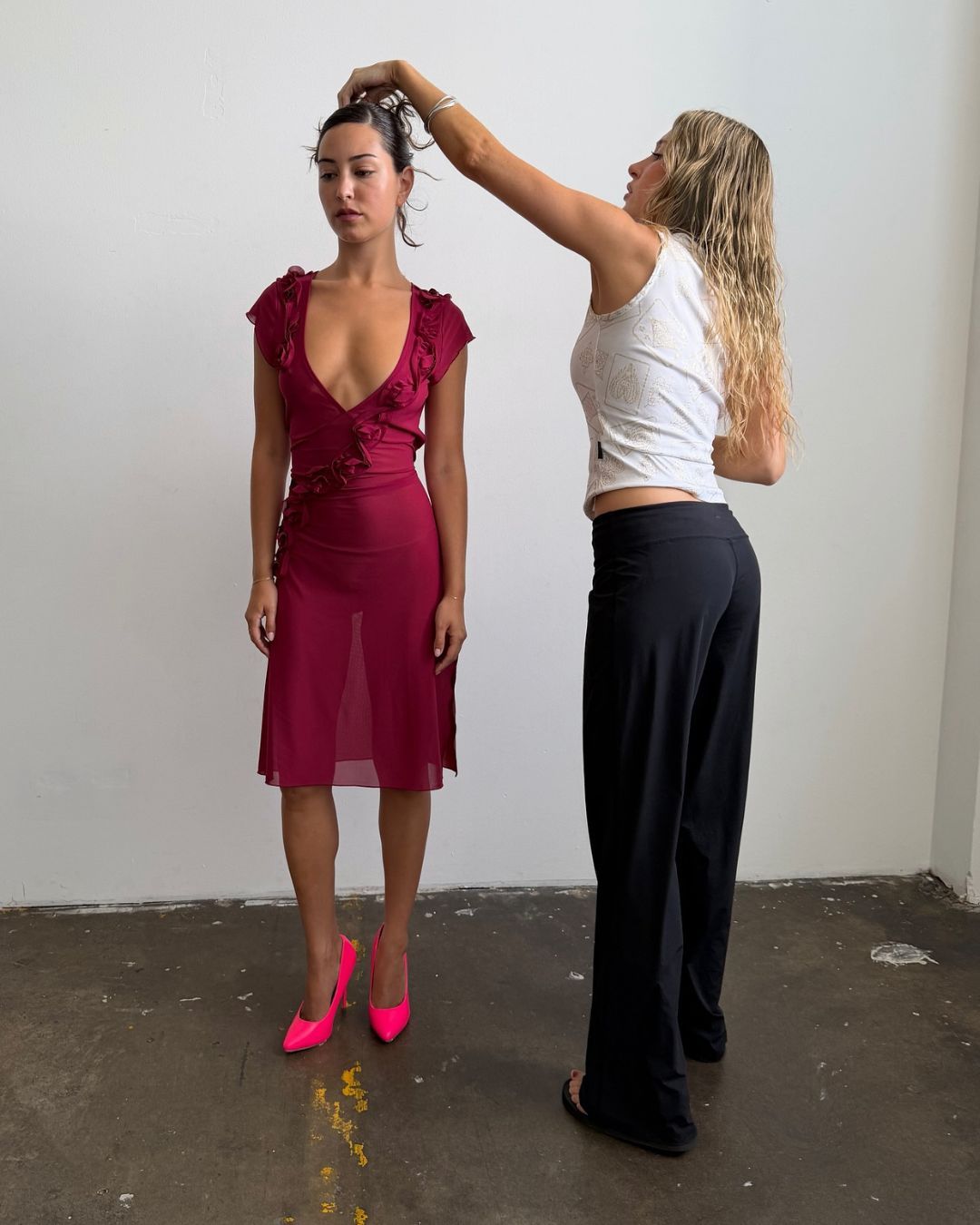
"I prioritise a consistent aesthetic approach" Interview with make-up artist Giorgia Lecce
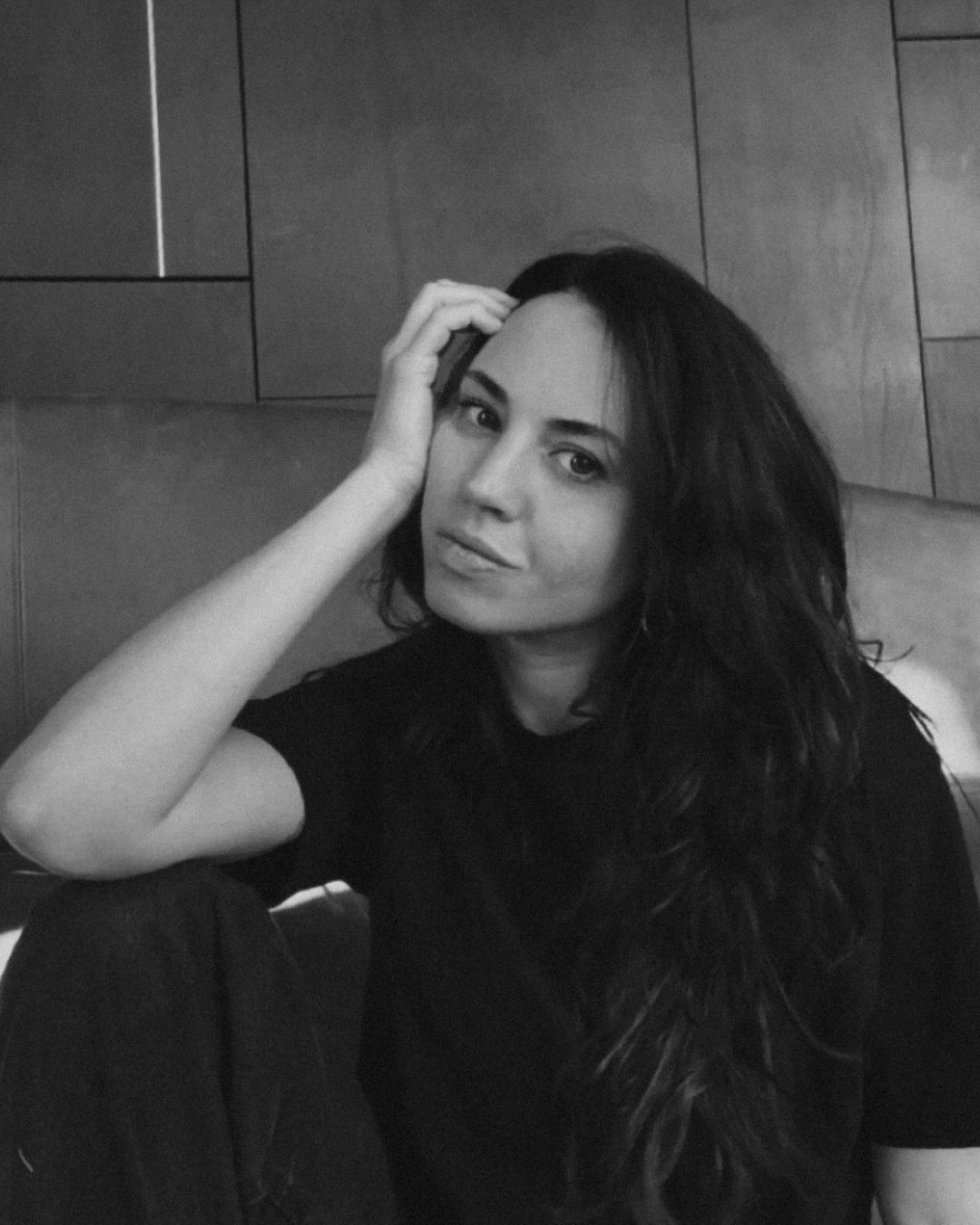
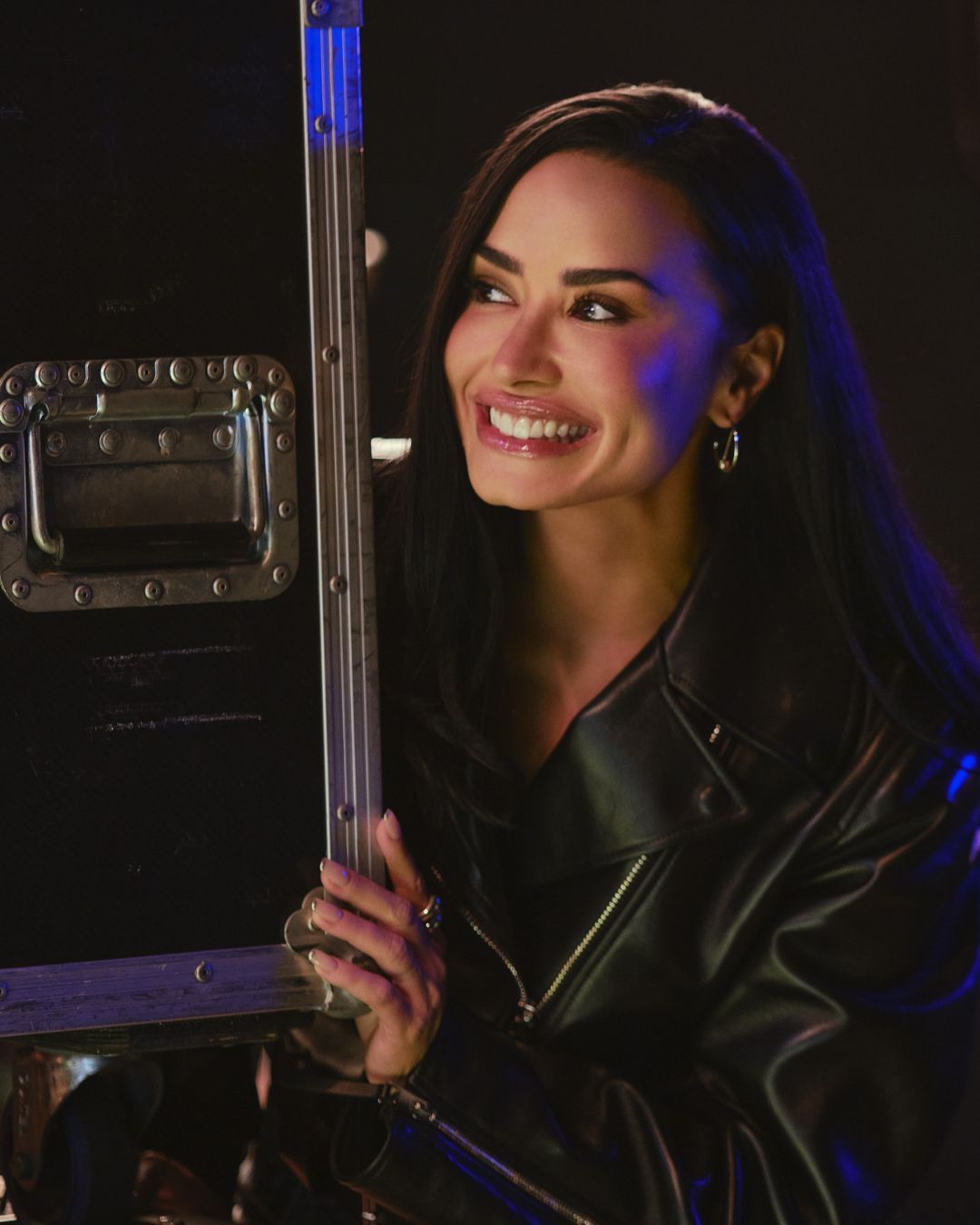
“I'm Giorgia, I was born in Taranto in 1991 and I'm a make-up artist. After graduating from classical high school, I moved to Bologna to attend university; Puglia is a place I feel deeply connected to, but I felt the need to experience a different environment and broaden my opportunities for personal and educational growth.” This is how our conversation with Giorgia Lecce, the star of the latest episode of Under The Beauty Radar, begins.
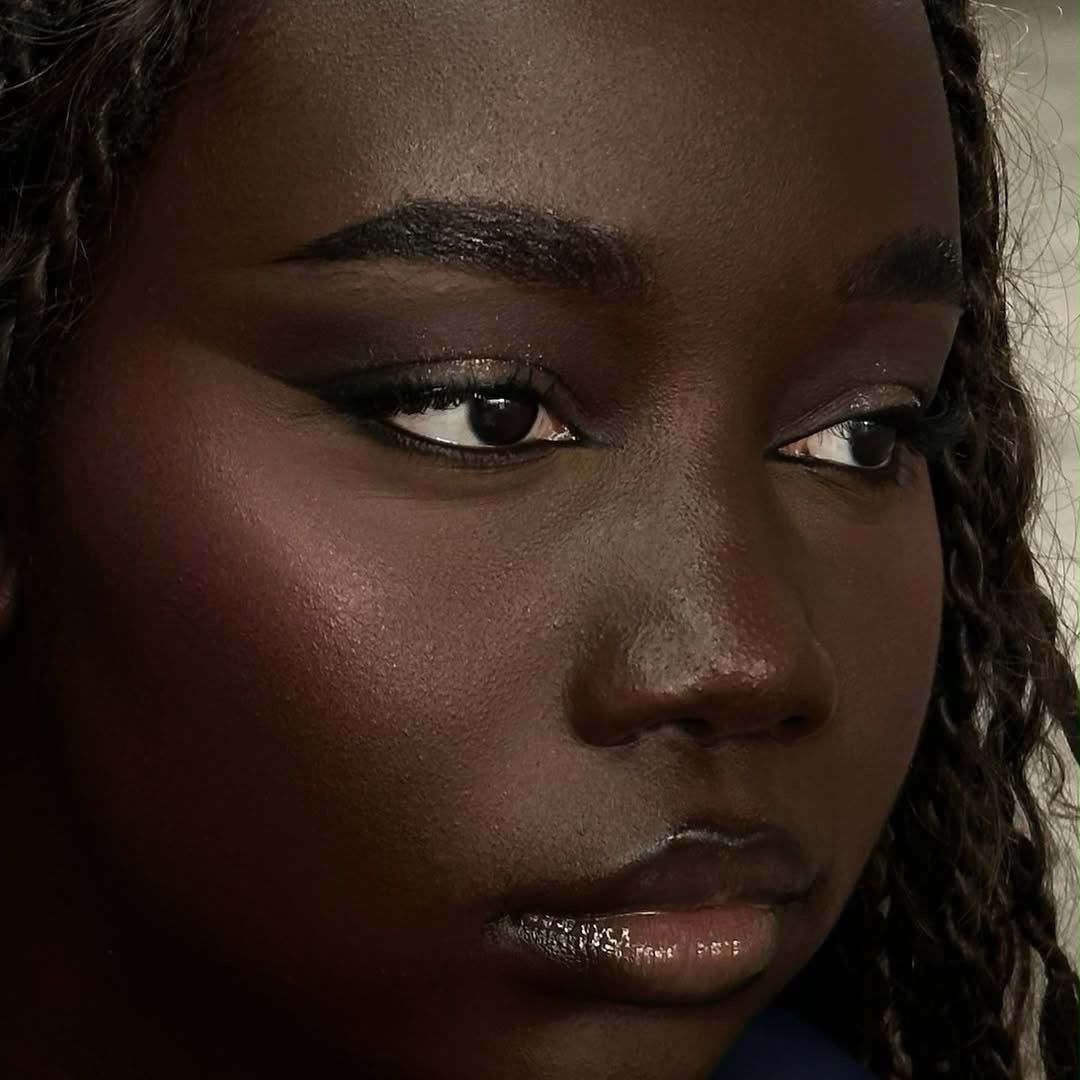
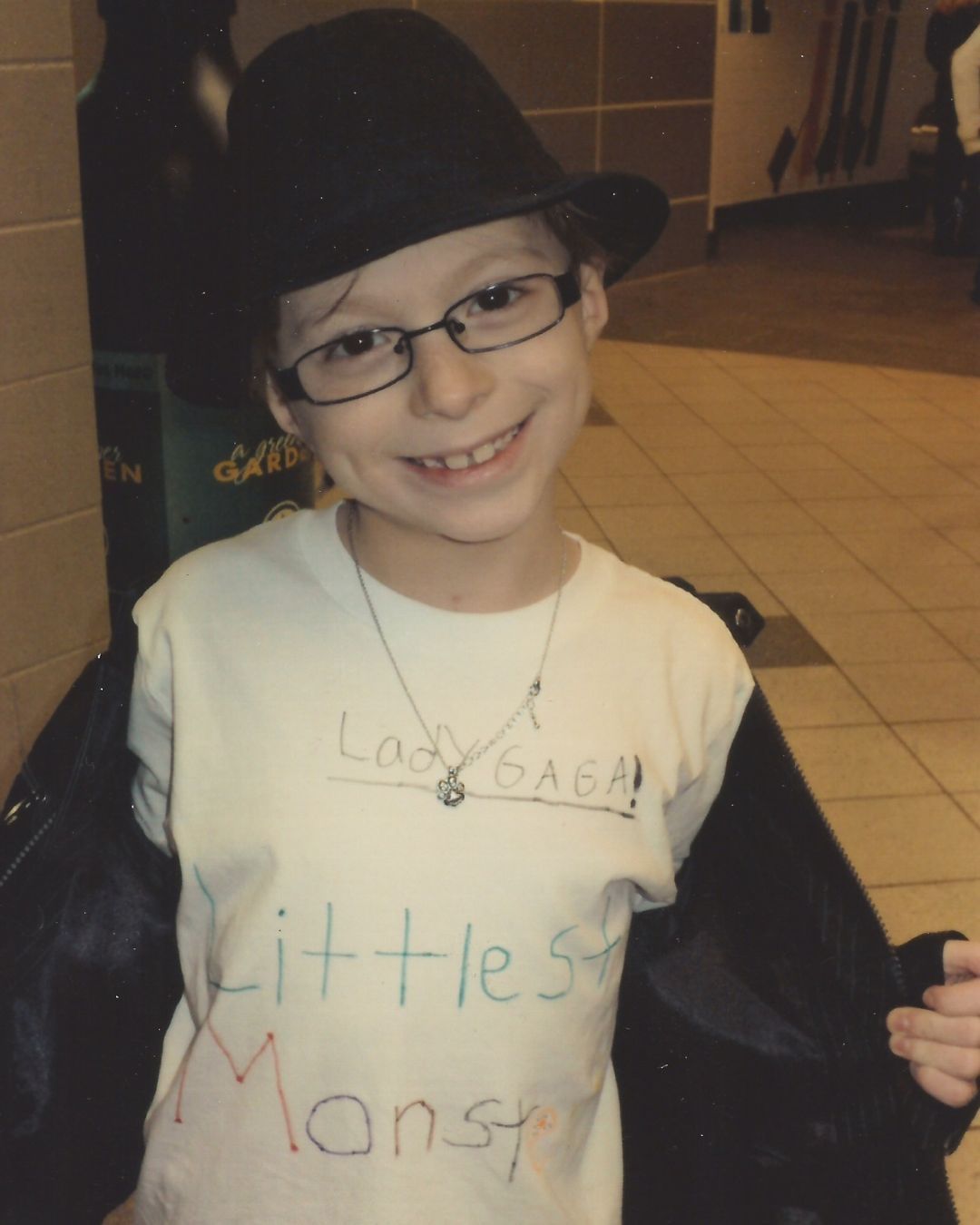
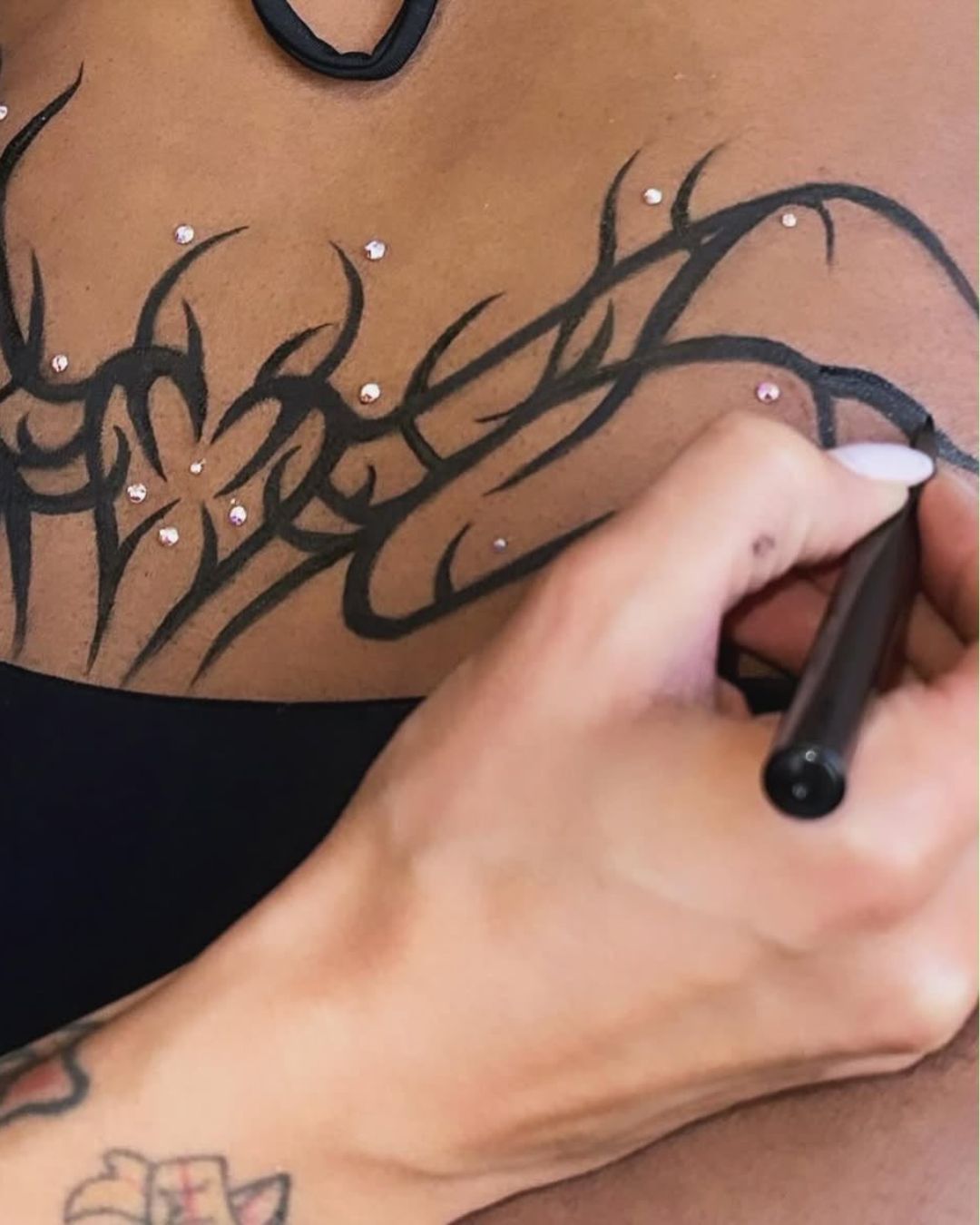
“My approach to make-up began very early, during my first dance recitals: I started dancing when I was four, and I remember that after just a few years I was already having fun doing my classmates' make-up backstage before performances. It was a moment I loved because it allowed me to express my creativity while also showing me how make-up could change and transform faces.” Craftsmanship and manual skills are also part of this background of experiences and references: “I've always had a strong passion for drawing and for anything involving hands-on creativity. That's why, after graduating from classical high school, I decided to follow my artistic inclination by enrolling at the Academy of Fine Arts, where I studied Visual Arts. It was a fundamental experience that gave me the opportunity to experiment and express myself through different forms and materials, deeply influencing the way I approach make-up as well. For this, I am profoundly grateful to my family, who have always supported every choice I've made.”
Interview with Giorgia Lecce, make-up artist and star of Under The Beauty Radar
How would you define your visual style in three words?
I don't really like labelling myself or defining my style with three specific adjectives, because I see it as something freer and constantly evolving. However, I would say that I identify with a polished and versatile style, one that allows me to adapt to different situations without losing my identity. For me, it's important to maintain a recognisable aesthetic consistency that reflects my taste and my way of seeing things, regardless of the context I'm in.
How did Giorgia Lecce begin her career?
At the Academy of Fine Arts in Bologna, I had the opportunity to experience art in a tangible way, experimenting and creating through different forms and materials. I studied Visual Arts, with a focus on sculpture. I studied a lot of art history and other theoretical subjects, but what truly fascinated me were the drawing and sculpture workshops: those were the moments when I could express myself freely, working with the materials I felt most connected to. Since I was a child, I've always had a natural inclination towards craftsmanship and creativity, and I've always found in art a space where I could feel completely at ease. After graduating, I decided to move to Milan to attend a make-up school and finally pursue what had been a dream of mine since childhood. From there, through commitment, sacrifice, and dedication, work came gradually and naturally.
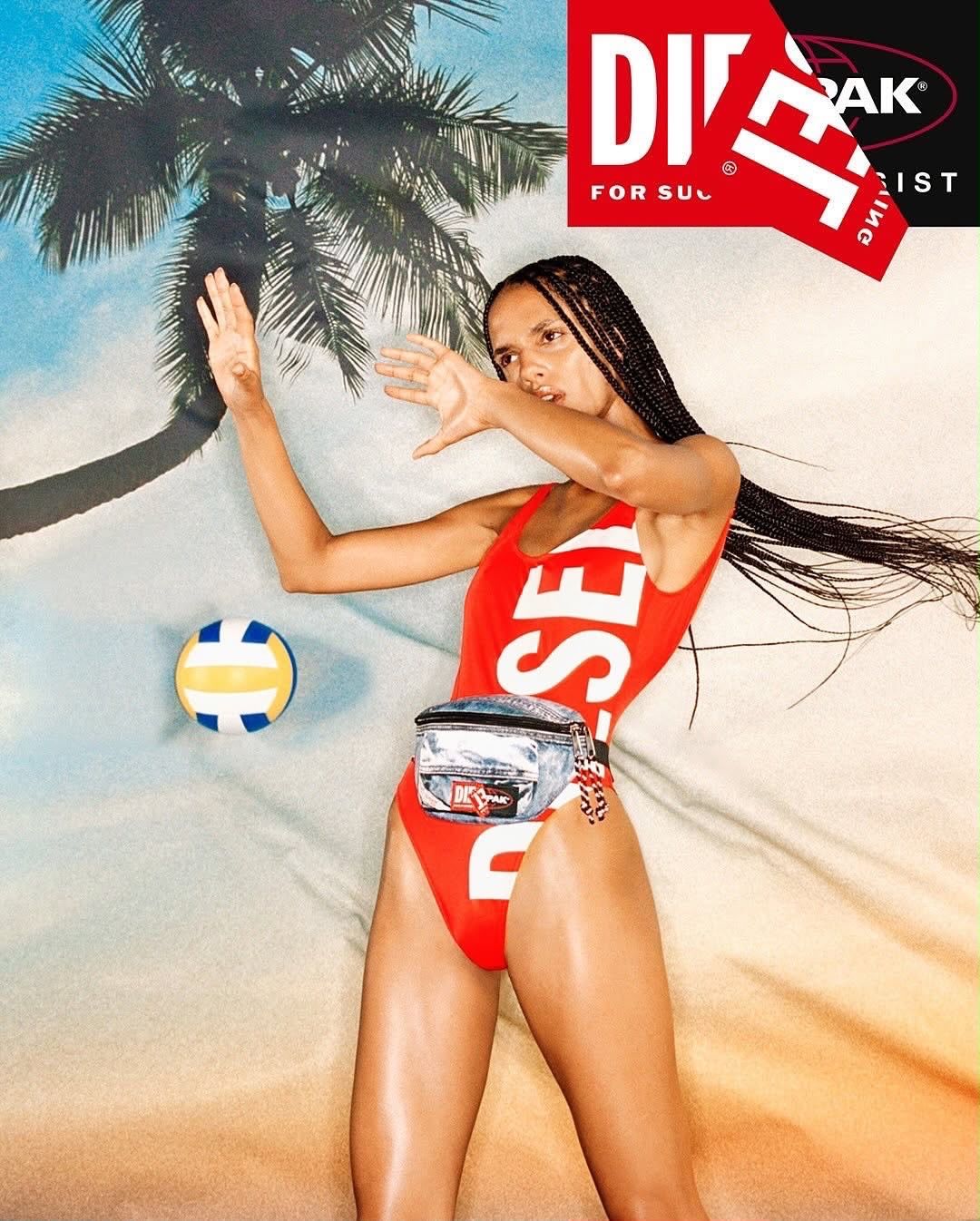
Giorgia Lecce's sources of inspiration: music, cinema, and visual culture
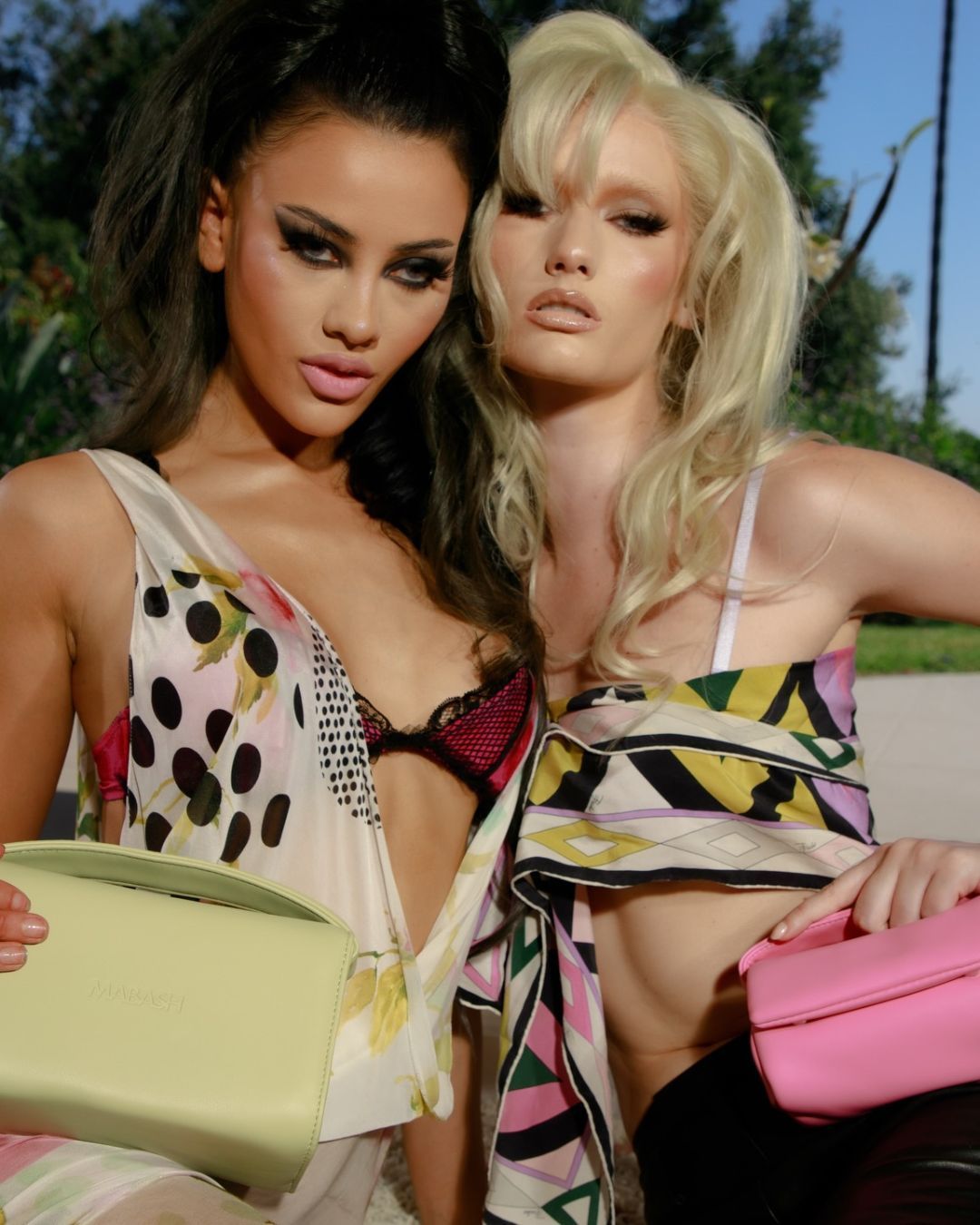
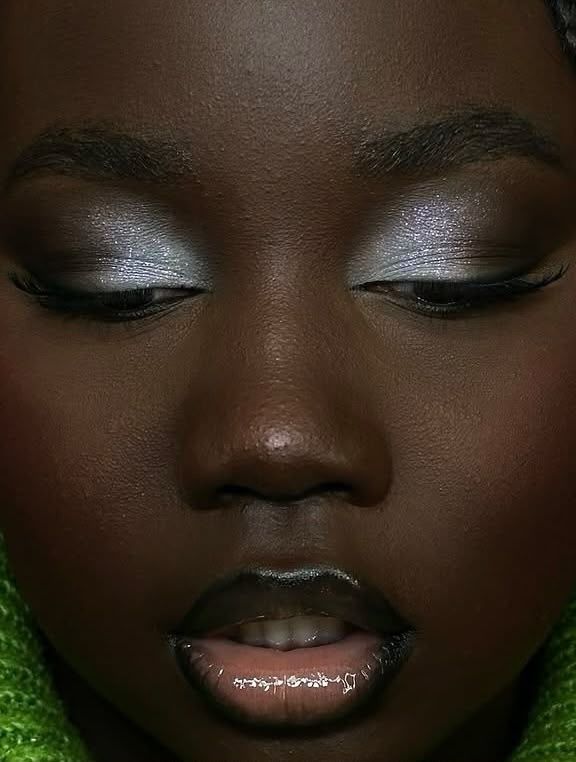
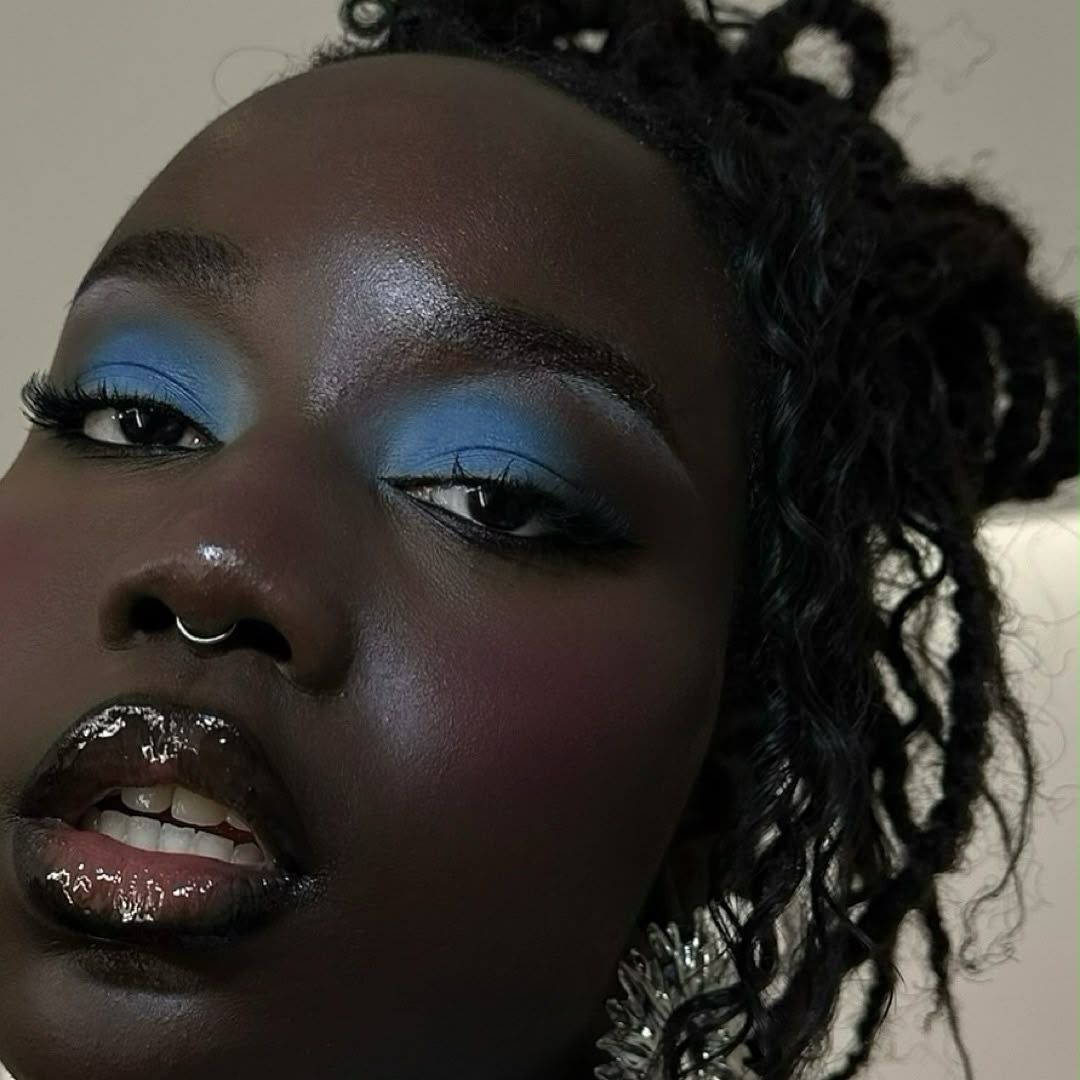
Among my main sources of inspiration are definitely music and the visual aesthetic connected to it. I grew up surrounded by music, both thanks to my father, who was always playing records at home, and because I practised dance for many years. I can honestly say I've explored almost every music genre because I've always been curious, and that journey was fundamental in shaping my taste and understanding what truly represented me. Having grown up between the '90s and the 2000s, I was deeply influenced by that imagery: R&B music videos from those years, in particular, have strongly shaped the way I see beauty. To this day, I'm still fascinated by super glossy, defined lips, glowing golden skin, and, more generally, warm and vibrant colours. My references stem from this very mix: music, imagery, and visual culture that I've absorbed over the years and continue to constantly update through everything that surrounds me today.
Fashion, music, and celebrities: how does your approach change on set?
Working on fashion sets and music sets are certainly two different realities, but both belong to me and enrich me in different ways. There isn't one I prefer over the other: I enjoy situations where I have the opportunity to truly express myself and, so to speak, have my say, going beyond simple corrective or purely technical make-up work. I find it far more interesting when I can contribute creatively, engage with the project, and bring a personal perspective to the overall vision. That's what motivates me most in both contexts.
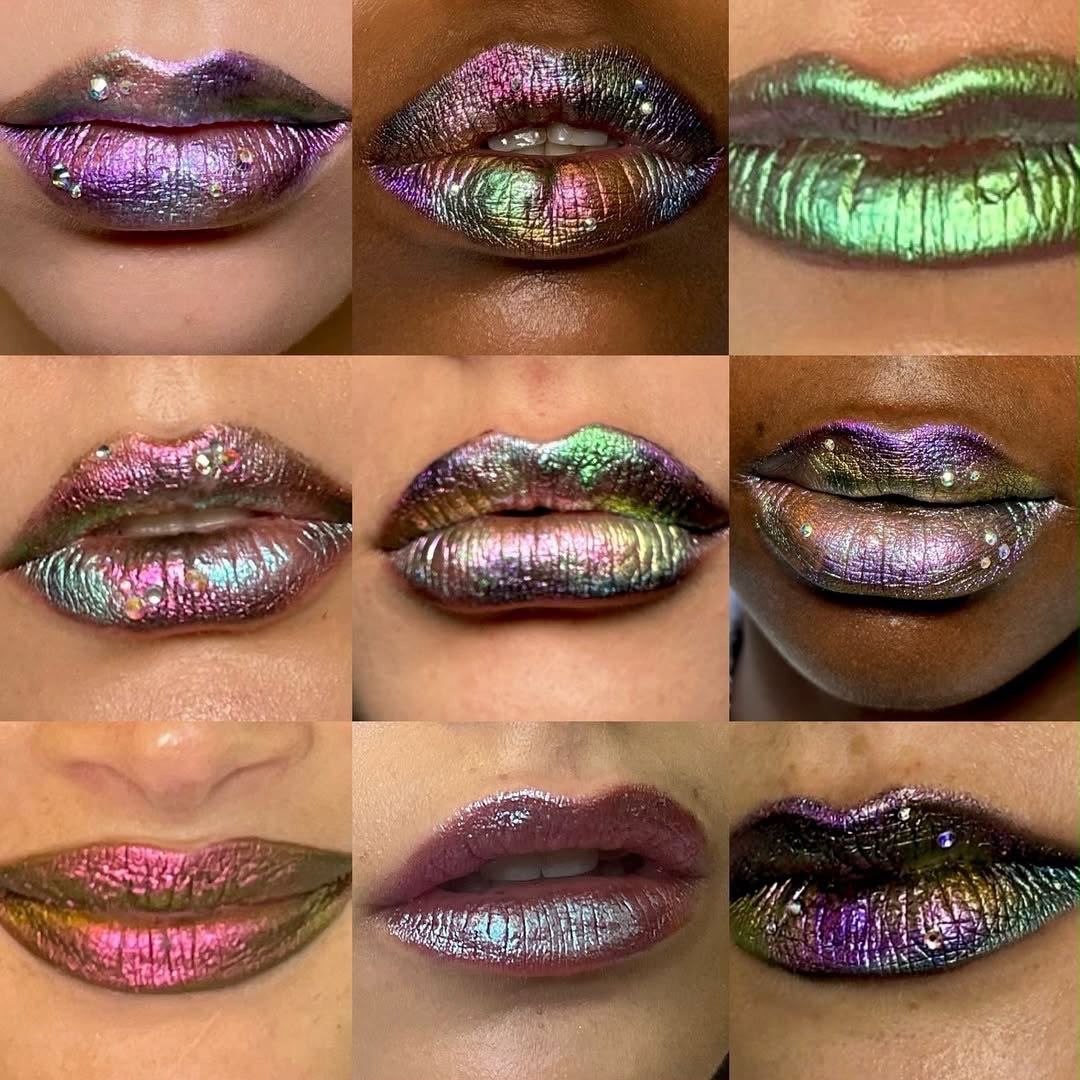
Naturally, working with artists is especially enjoyable for me, as music is one of my greatest passions. Following an artist means entering their world, their projects, and their creative journey, which makes the experience even more engaging and exciting. I also love the idea that, through work, strong teams can be built and strengthened, because I believe collaboration and harmony between people are fundamental—and often decisive—for the success of a project.
The future of the beauty industry in Italy according to Giorgia Lecce
I hope that the beauty industry in Italy will continue evolving towards greater openness and inclusivity. Significant progress has certainly been made in recent years, but I believe there is still room to further celebrate diversity, both in terms of aesthetics and professional paths. In some contexts, I think there is still a lack of true creative freedom and greater trust in individual professionals' talent, regardless of labels or hierarchies. It would be wonderful to see more collaboration and openness to new ideas, even beyond traditional frameworks. At the same time, however, I find it to be a very stimulating environment full of creative energy. It is a dynamic world, where growth is constant and exchange with others is continuous and invaluable.
Do make-up artists today have the artistic freedom they deserve?
I believe that make-up artists today certainly enjoy greater visibility and recognition than in the past, but the artistic value of our work is still not always fully understood. In some contexts, creative freedom is real and respected, especially when working within open-minded teams and on projects where make-up is an integral part of the overall vision. In other cases, however, the role of the make-up artist is still viewed in a more executive way, as something merely technical or supportive, when in reality it can and should be much more than that. For me, make-up is a form of creative language, so artistic dignity does exist, but it must also be protected and built through the way we present ourselves and the kind of projects we choose. It's a balance that is evolving, but one that has not yet been fully achieved.
Beauty trends: follow them, avoid them, or create them?
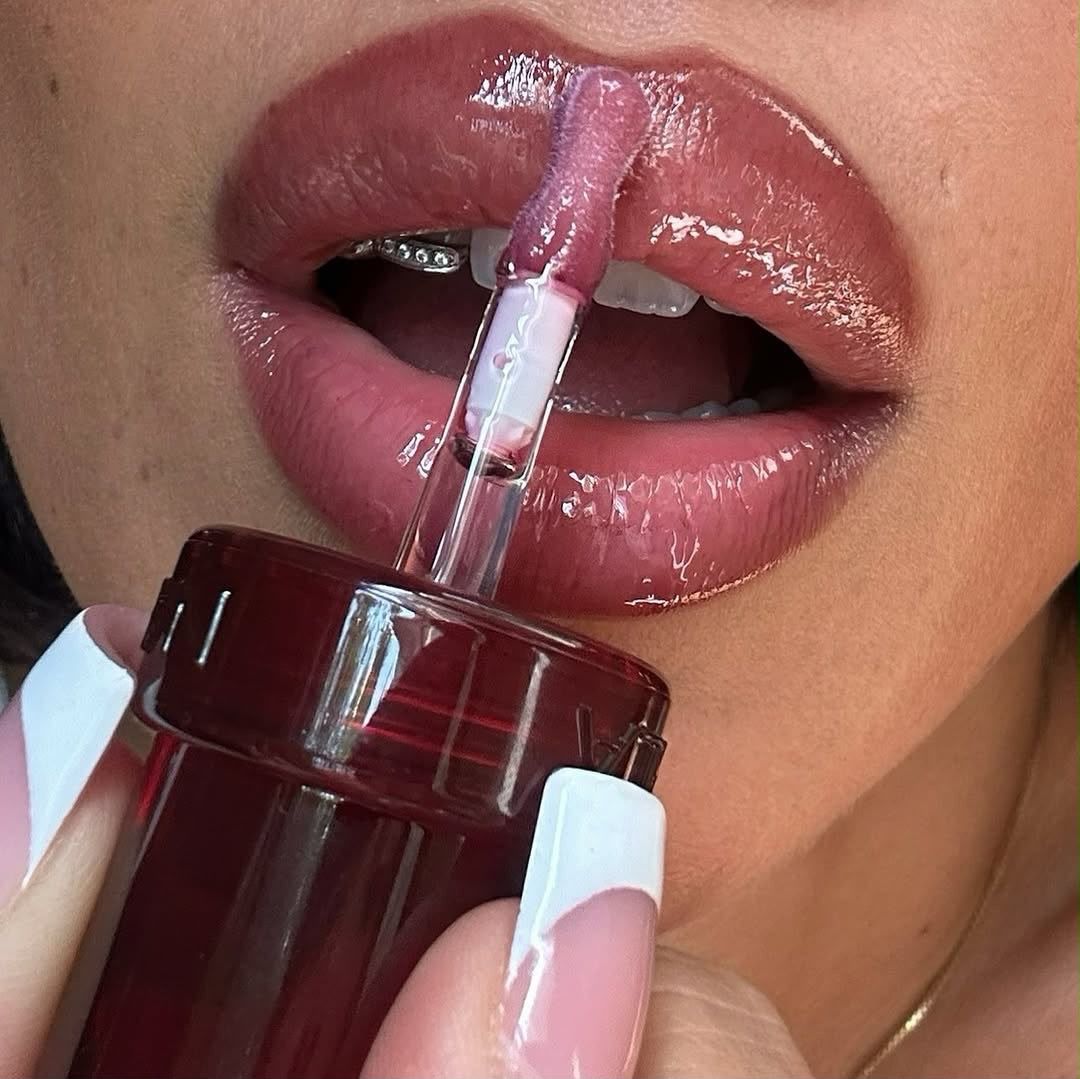
I don't have a particularly close relationship with trends and, in most cases, I tend not to follow them, as I often see them as tied to temporary dynamics that are not always meaningful in everyday work. I prefer to focus on a more personal and conscious approach that reflects my vision and my understanding of make-up. When followed passively, trends can become repetitive and predictable, risking the limitation of individual expression. For this reason, I choose to maintain a certain distance, favouring an aesthetic research that is coherent and constantly evolving, capable of adapting to different contexts without losing authenticity.
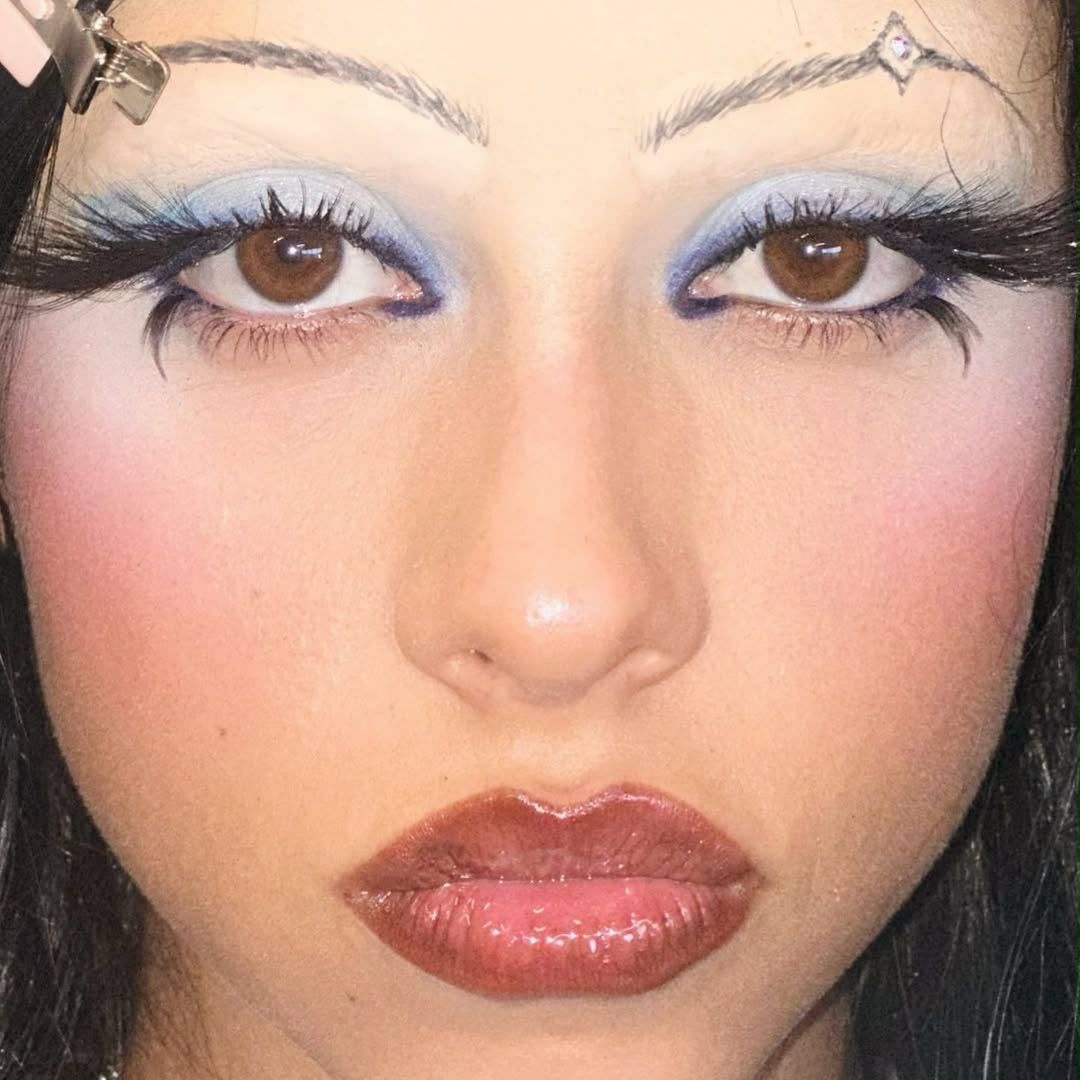
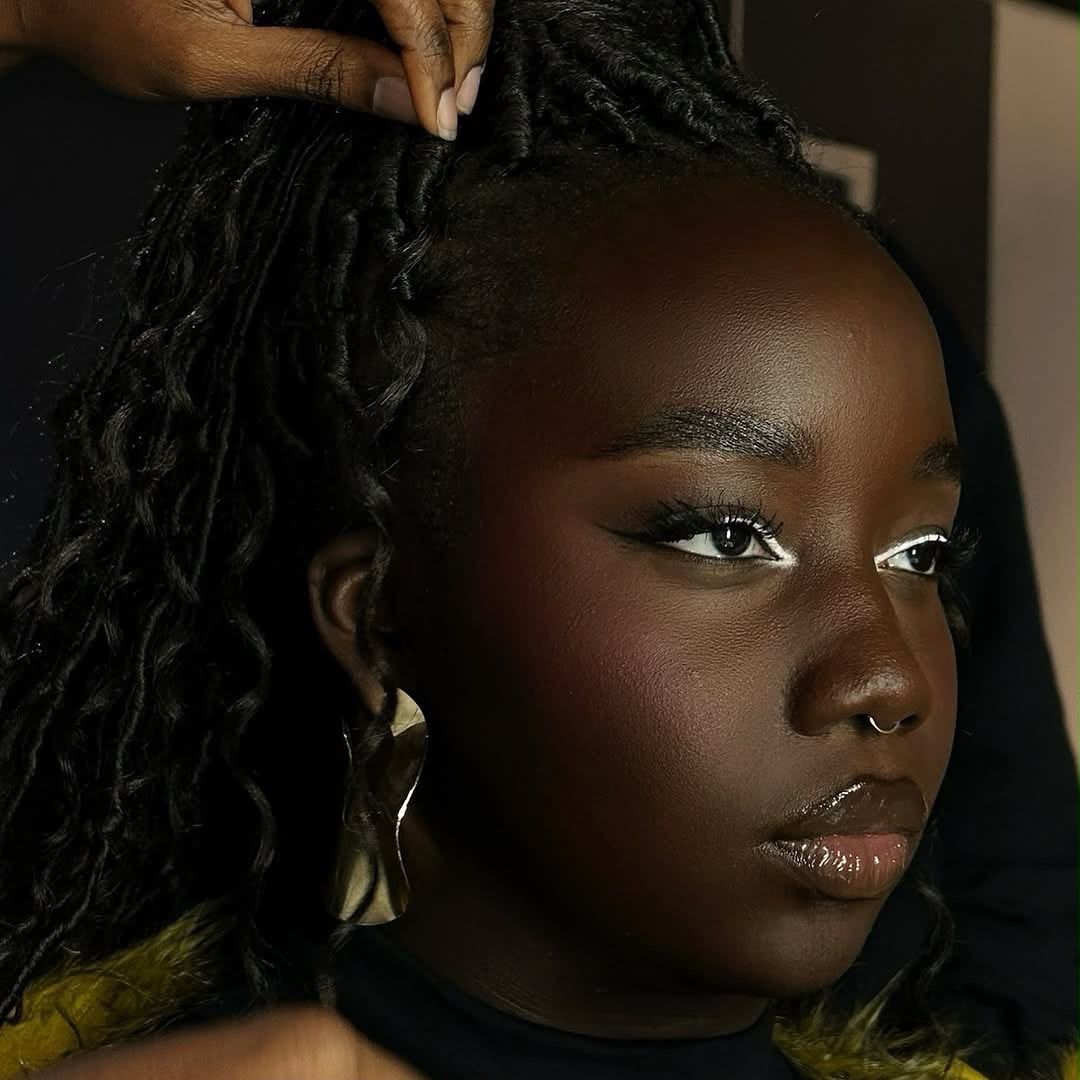
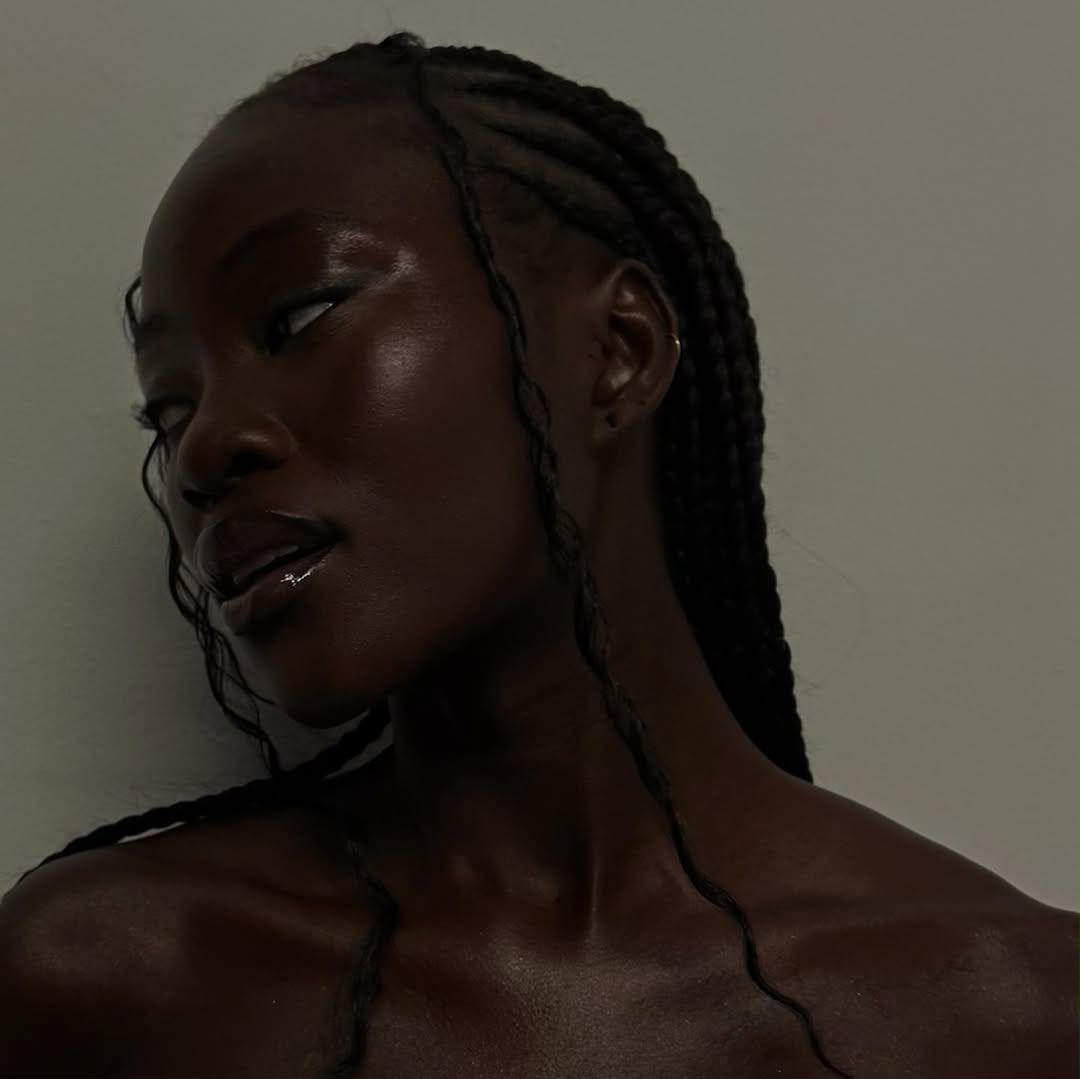
The essential skincare products in my kit
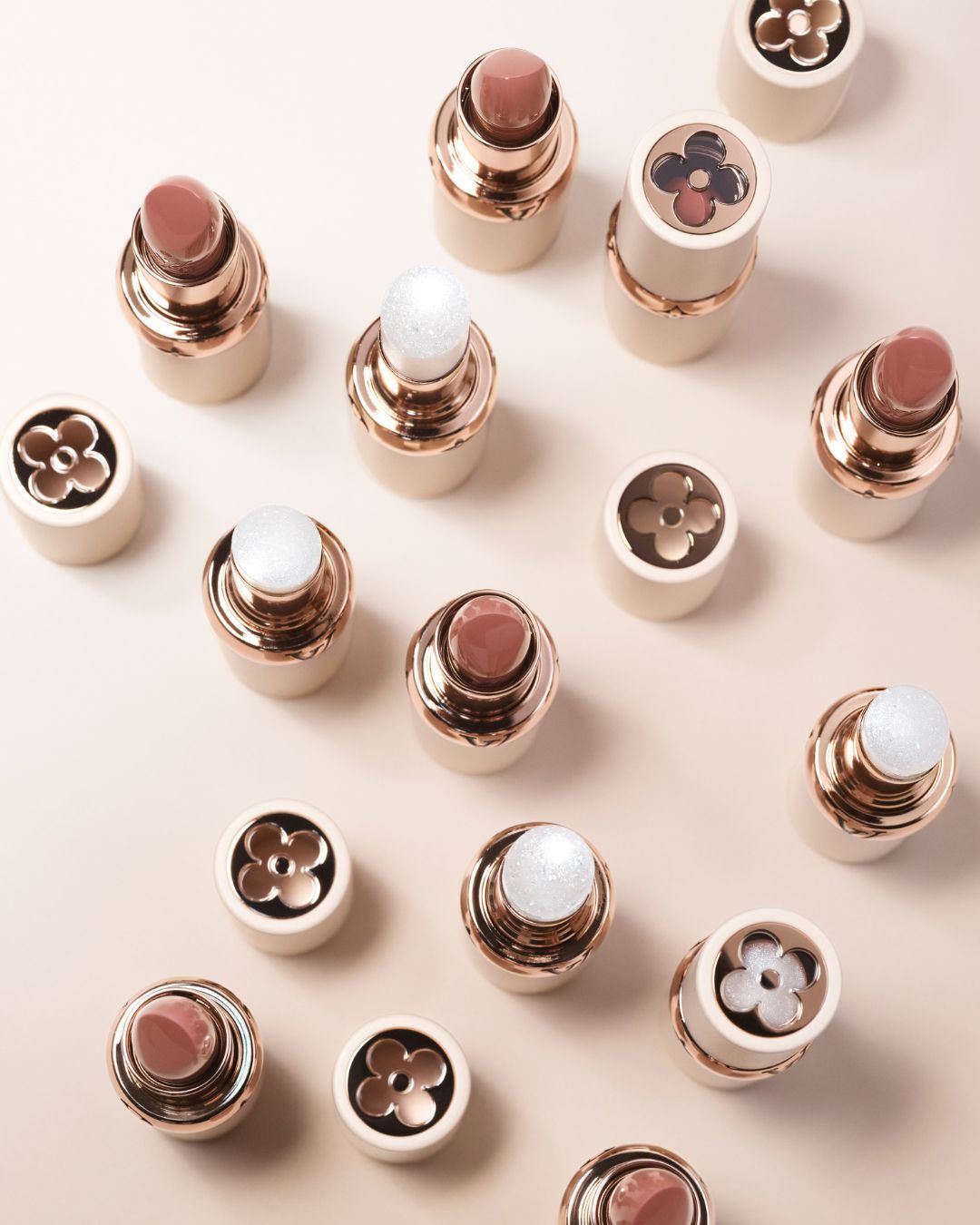
I absolutely love taking care of the skin and paying particular attention to the base, because for me it is the foundation of every successful make-up look. That's why my kit always includes a carefully selected range of skincare products. I enjoy trying new launches and incorporating into my work those products that, in my opinion, truly perform and make a difference. Proper skincare is essential to achieving the best make-up results and should always be adapted to the skin type in front of us.
What would your dream collaboration be?
My dream collaboration would definitely be working with international artists whom I follow and deeply admire. I'm fascinated by the way they build their image and visual identity, and by how make-up becomes an essential part of their artistic language and storytelling. For me, make-up works best when it fits within a broader creative vision.