

































It's too hot at Pride! And so, even public space ceases to be inclusive For accessible participation, it is necessary to rethink schedules and methods
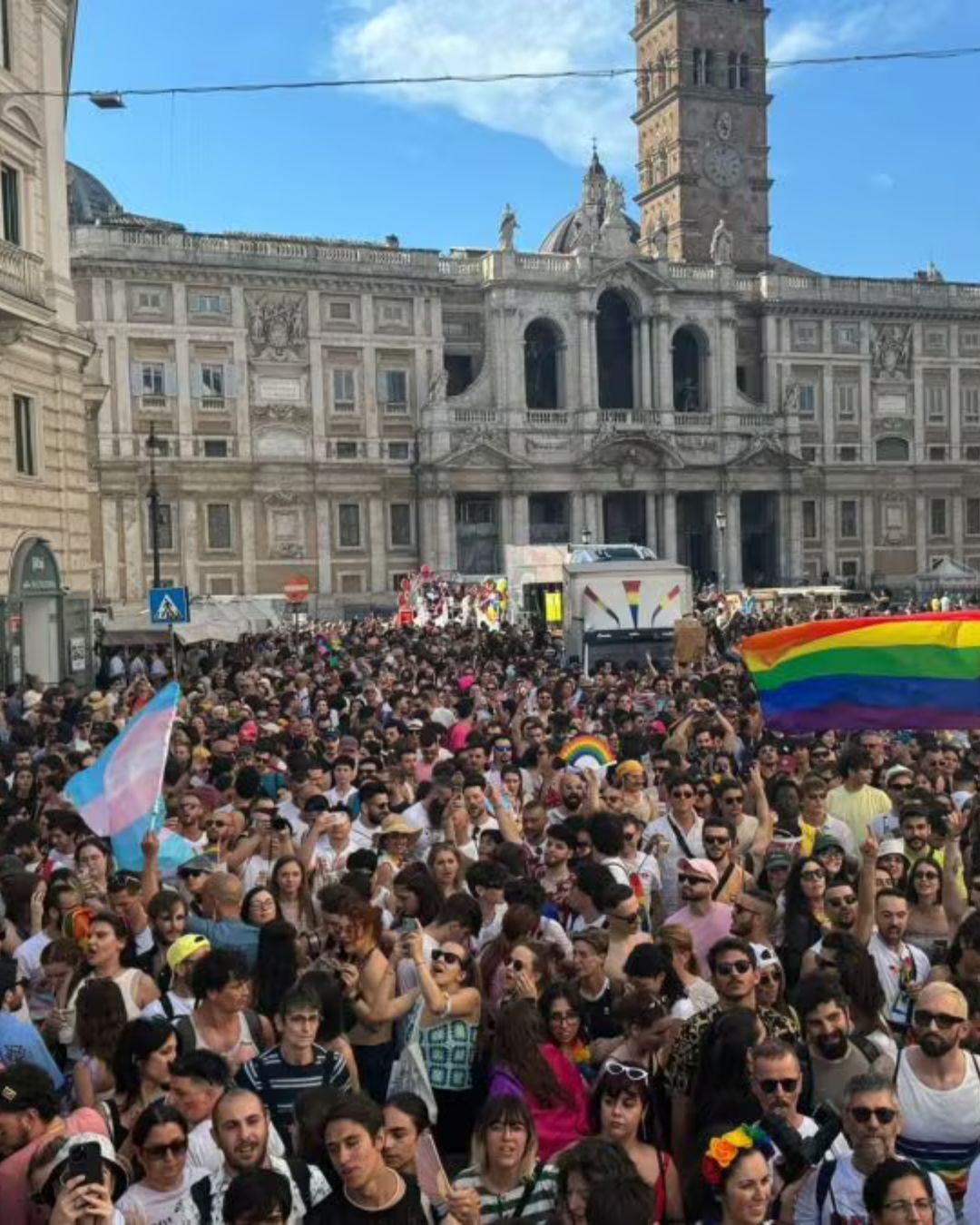
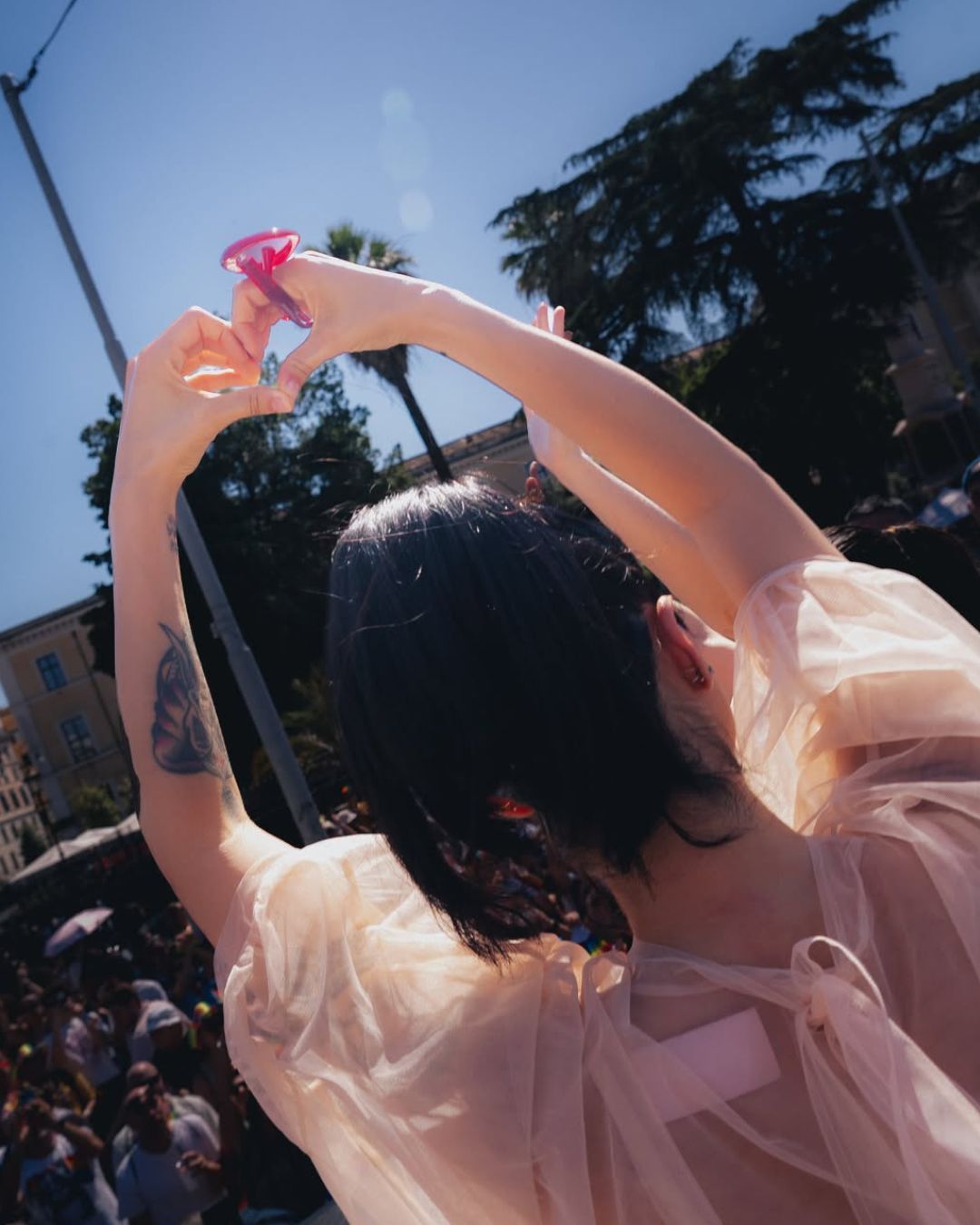
In these days of Pride, a discussion has emerged that, more than a controversy, seems like a very concrete question about how we are designing public space. The point is simple: does it still make sense to organize mass demonstrations in the central hours of the day, when the extreme heat makes participation not only difficult but in some cases risky? Obviously, this reasoning applies to all moments of aggregation. In the case of Saturday, June 20, in Rome, during Roma Pride, there were temperatures around 36 degrees. This is not an isolated episode: it is now a recurring condition of Italian summers and, in particular, of Roman summers. This completely changes the way in which we should think about events that, at least in their intentions, want to be open to all subjectivities.
Extreme heat and Pride: when the body becomes the first factor of exclusion
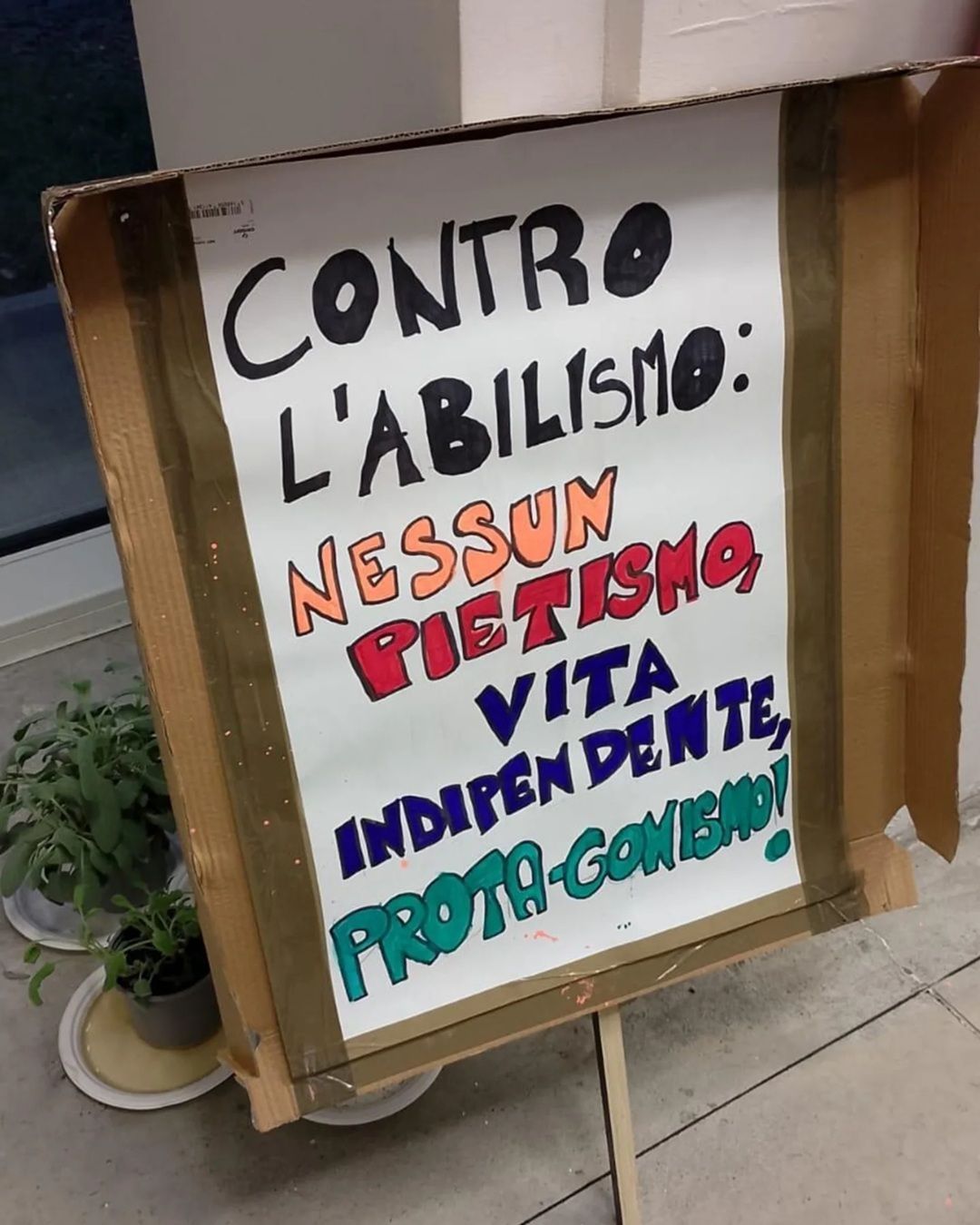
There is one aspect that often remains out of the public debate: not all people experience the heat in the same way and, above all, not all of them can adapt in the same way. People with motor, chronic or invisible disabilities are among the most at risk. The heat amplifies fatigue, reduces physical resistance, makes moving and waiting longer on your feet more complicated. But the same is true for those with cardiovascular problems, low blood pressure or conditions that are not always considered disabling in daily life, until you are in a crowd under the sun. Then there are neurodivergent people. It's not just a matter of discomfort: it can mean having to leave the event after a short time, or not being able to participate at all. Added to all this are the elderly, frail people, those who take medications that affect thermoregulation and, more generally, anyone who cannot stand hours under the sun without consequences. The point is not to medicalize participation. The point is to recognize that the body is part of citizenship and that public space is not neutral.
The statements of Lou Ms.Femme
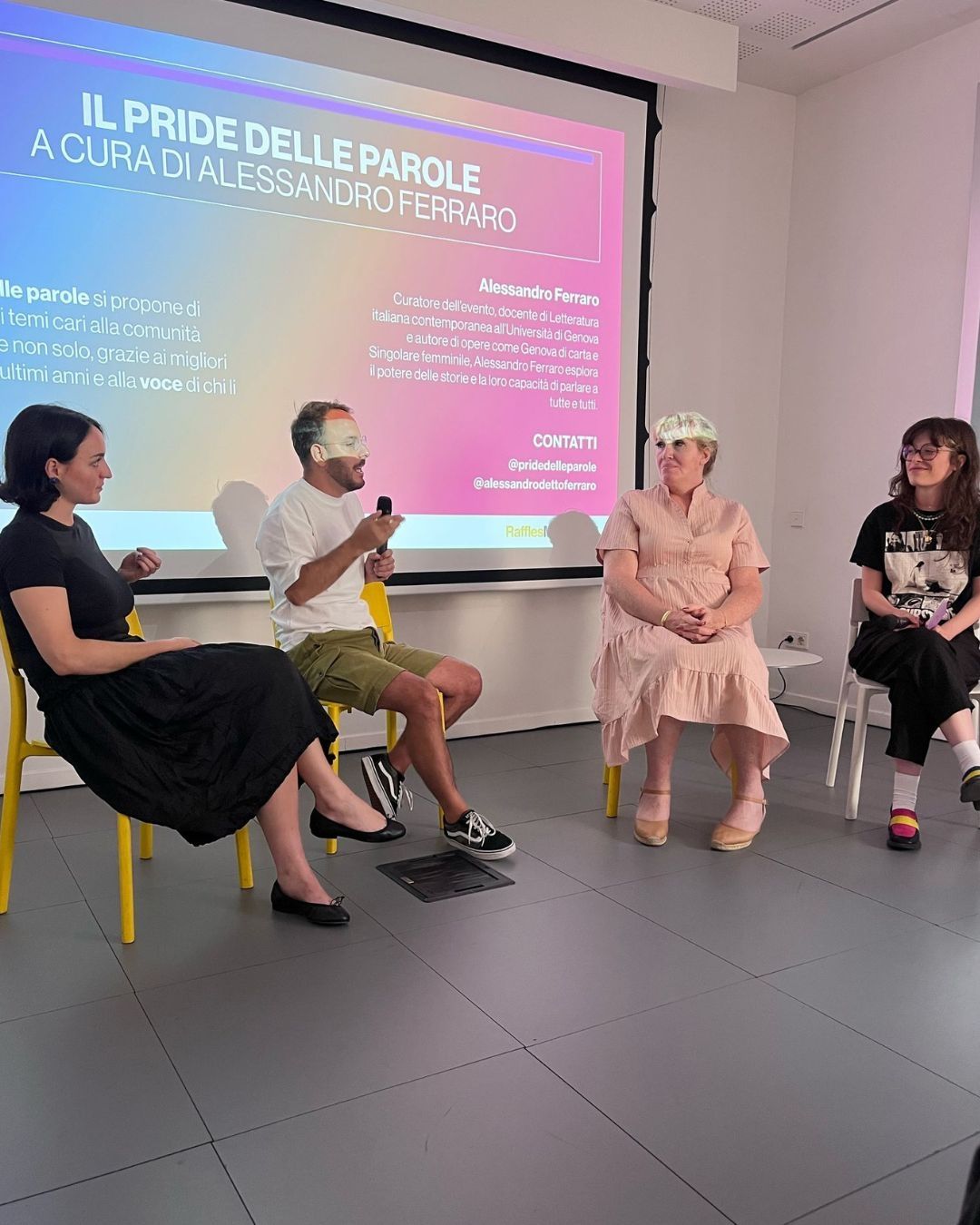
We talked about it with Lou Ms. Femme, a writer, consultant and nonbinary neuroqueer activist. “It is not normal to organize a Pride under these conditions, to continue to do it during the day and at such high temperatures, favoring numbers over safety. I wanted to go to Pride, but as it is understood, thought out and planned, I don't see a place for people like me: fragile, neurodivergent and disabled precisely by these lightnesses. Pride does not exist without neurodivergent and disabled people, whether they are visible or invisible. It is necessary to rethink it, to rebuild it to guarantee a truly shareable space. And stop considering the protests of us disabled neuroqueer people as deferrable whims or annoyances once and for all.”
Inclusion and accessibility in public events: statements are not enough
When we talk about Pride, or more generally about public events, inclusion is often described as a principle. But there is a much more concrete and more uncomfortable level: the real conditions in which people can exist. If you must expose your body to risky conditions to participate, then it is no longer a fully accessible space, and this applies regardless of the political or cultural intentions of the event. Extreme heat, today, is no longer an exception, but has become a structural variable.
Madrid Pride as an example of an inclusive organization
If you look at other major European cities, you can see that this topic is not completely ignored. Madrid Pride, organized as MADO, is one of the biggest events in Europe and attracts millions of people every year. The main event takes place in the month of July and represents the most attended moment of the entire week of events. From the official information of the 2026 program and the updated city guides, the big parade starts in the late afternoon, around 19:00, with a route that crosses the city center from Atocha to Colón. The structure of the event alternates daytime activities and evening moments, but concentrates the moment of greatest participation in the hours when the temperatures begin to drop. The Madrid Pride week is however full of events during the day, but the organizational logic is clear: the heart of the mass demonstration is moved to the evening, when the city becomes more livable and the stay in the public space less tiring. It is not a perfect model, nor the only possible one, but it is an example of how the topic of schedules is already being treated as a matter of security and urban livability, not just of programming.
Climate change and public space: rethinking mass demonstrations
It's about recognizing that climate change has profoundly changed living conditions in cities and that our organizational habits have not yet adapted enough. Continuing to think that a street demonstration can take place peacefully in the middle of summer means ignoring the fact that public space, under those conditions, becomes selective. Not all people are in the same physical condition and should not be in order to attend a public event.