




Here's what you missed at the nss g-club talk with Orgoglio Porta Venezia With a focus on intersectional language in women's (and not only) print media
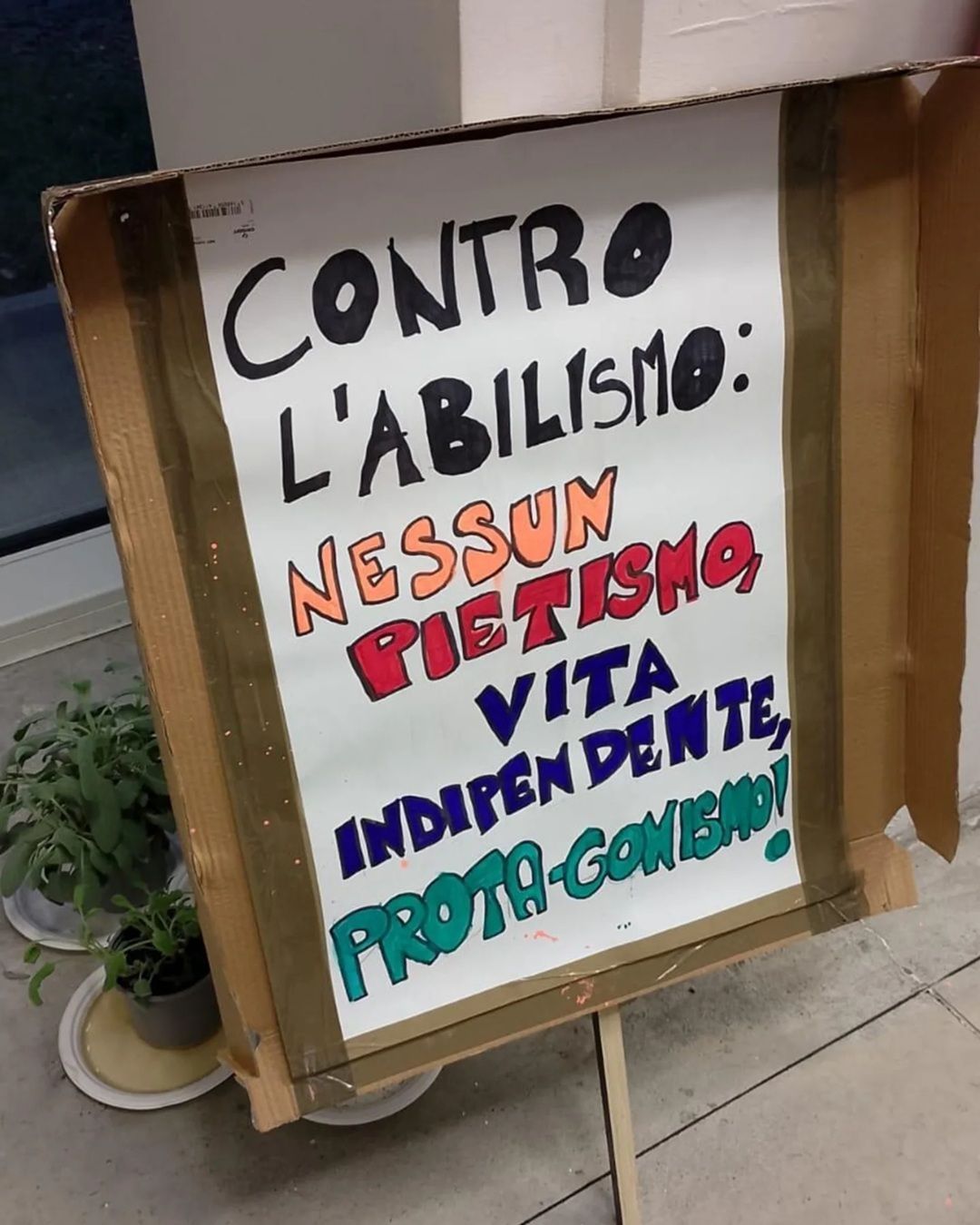
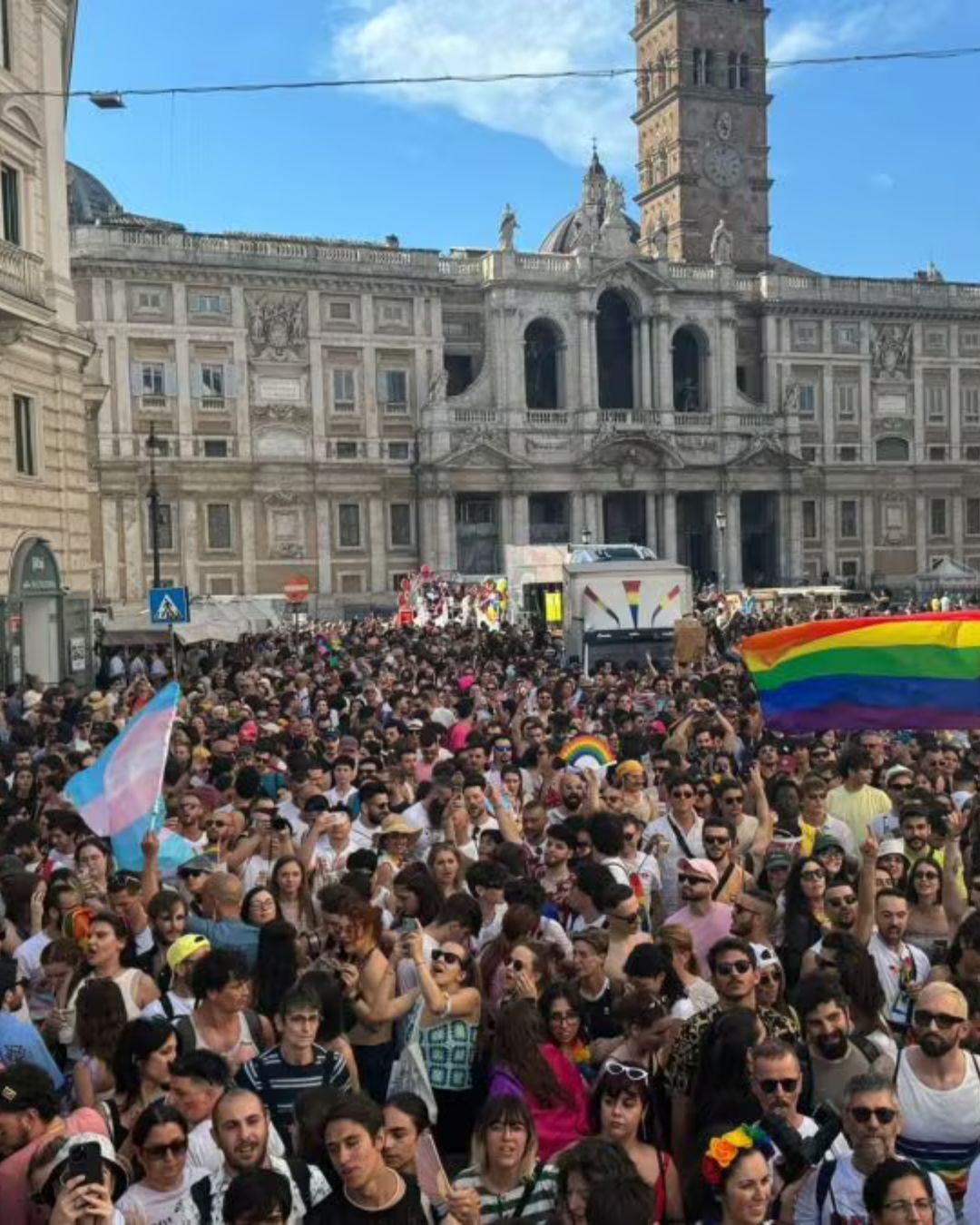
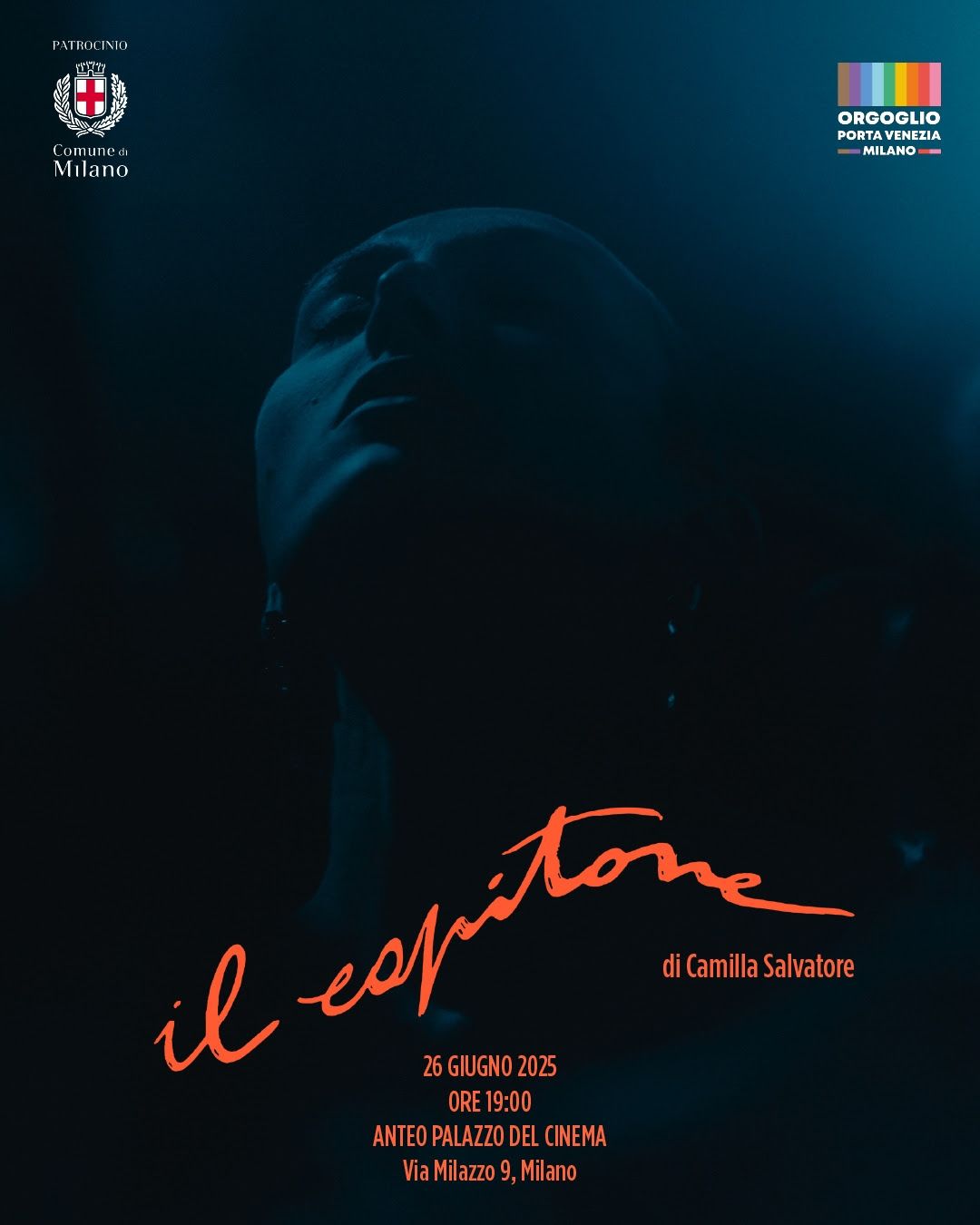
When we started a conversation with Orgoglio Porta Venezia - a city-wide event in Milan in support of LGBTQIA+ rights promoted by Milano Rainbow District - and floated the idea of a media partnership with a talk included, we were faced with a dilemma: what topic should we choose? It needed to be something specific enough to feel like ours, something we felt - if not fully prepared for - at least somewhat ready to discuss. In the end, we landed on the subject of inclusive and intersectional language in the realm of so-called "women’s" or frivolous media. And so, an open event powered by nss g-club was born, held in the spaces of the Istituto di Design Raffles, on via Felice Casati 16, in the heart of Porta Venezia.
The spark that lit the fire was a topic very dear to us: the importance and pervasiveness of online media often labeled as “feminine” in a derogatory sense, and therefore also frivolous. Precisely because of this bias, this kind of journalism is often dismissed, treated superficially, and seen as unfit to carry important themes or the right words. Nevertheless, we believe it’s the perfect vehicle to introduce ideas and inclusivity to a wide audience.
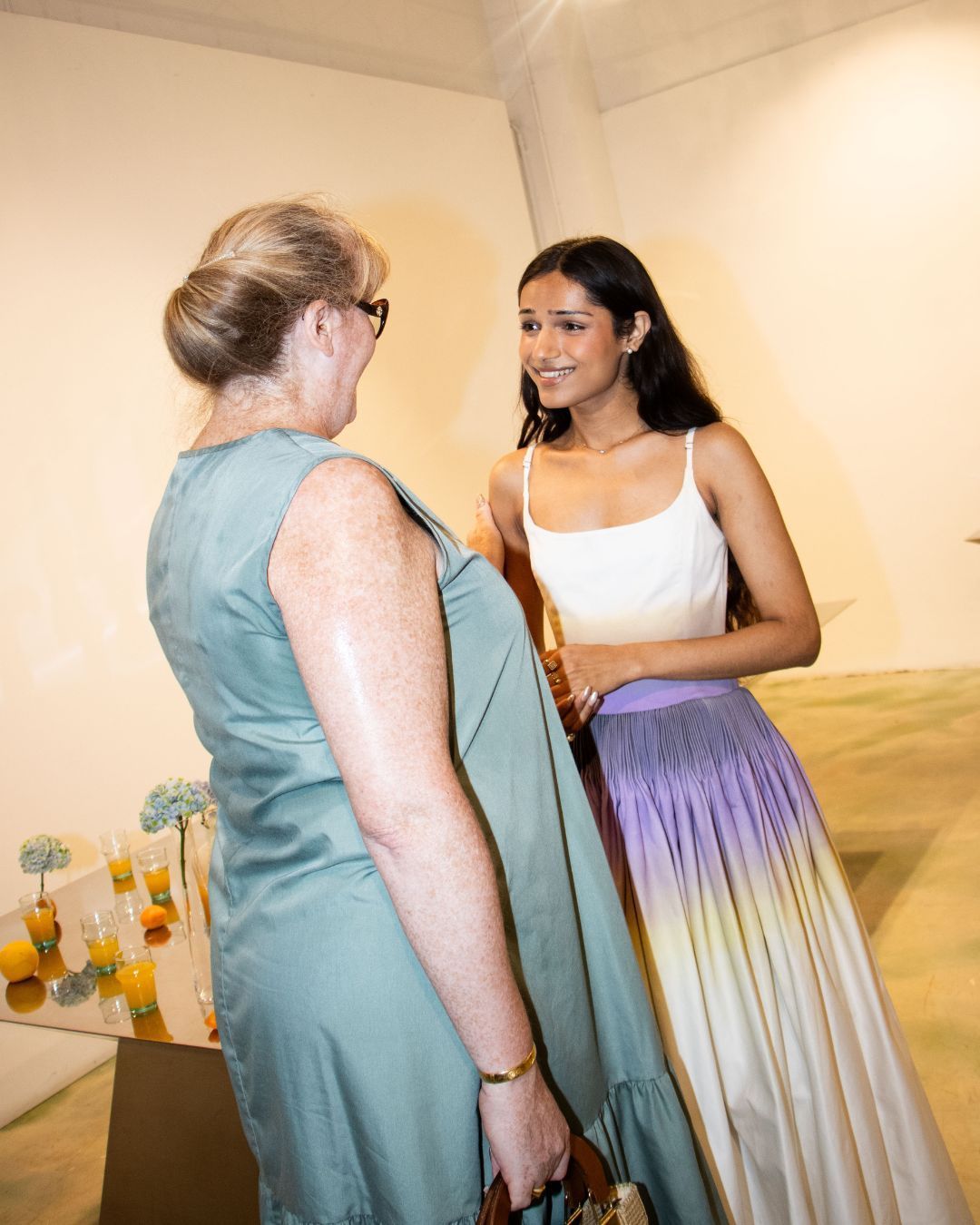
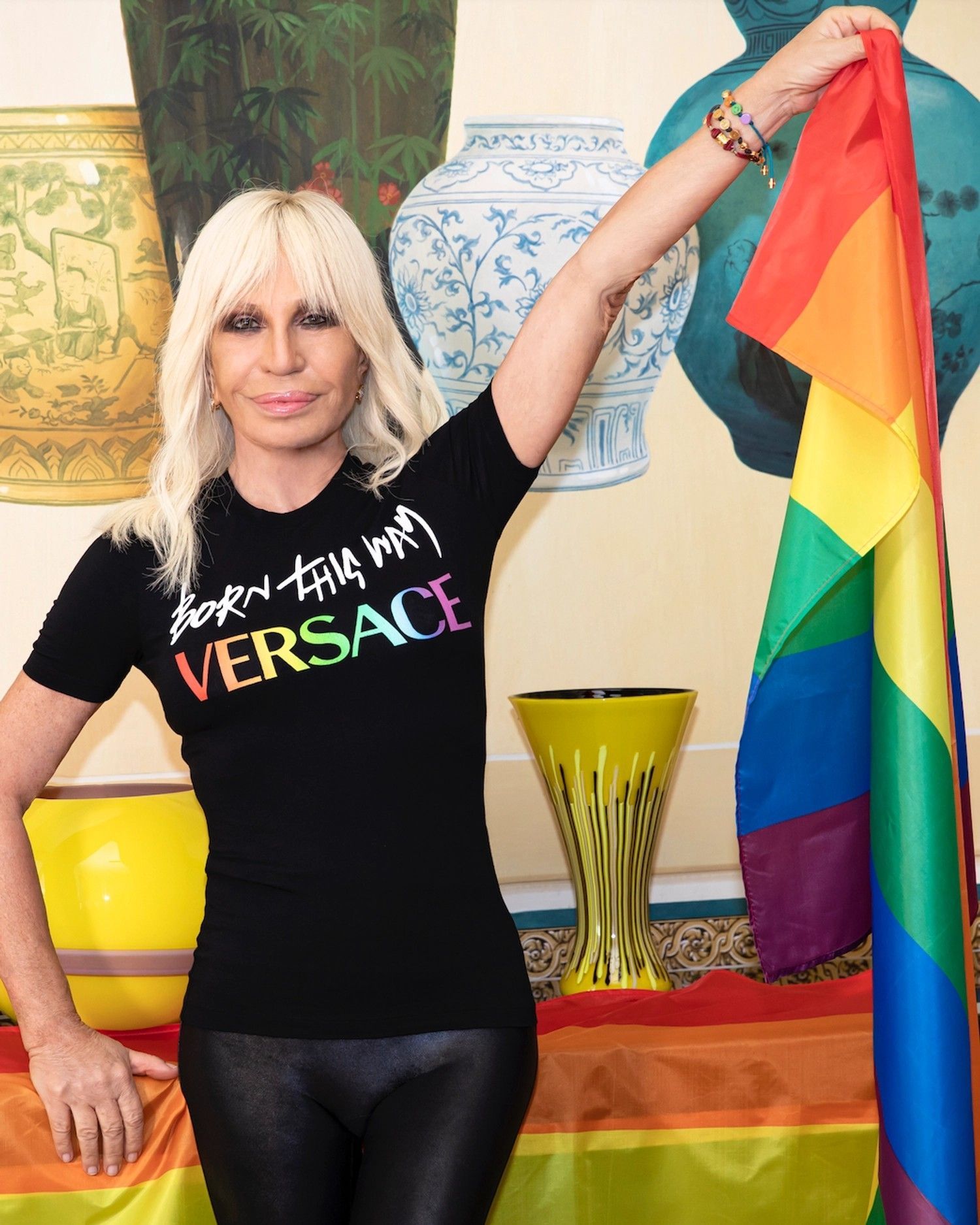
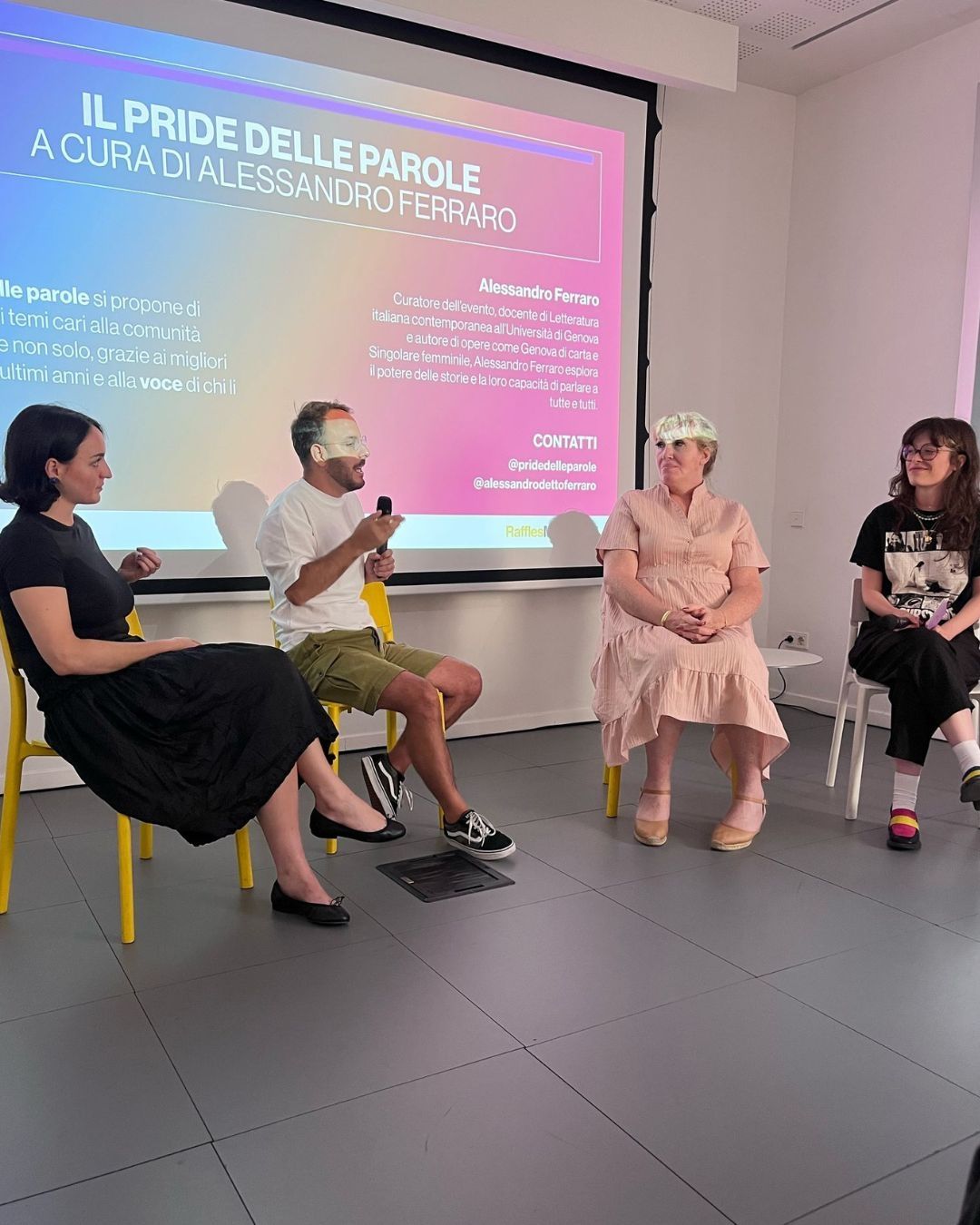
The conversation featured Antonia Monopoli, peer educator, writer, activist, and coordinator of the trans support center at Ala Onlus Milano, who shared with the audience (and with us) her daily work with young people struggling with gender identity and family relationships. She emphasized the importance and responsibility the media has in using the correct terminology when referring to trans individuals. Alessandro Ferraro, author, professor of contemporary literature at the University of Genoa, and curator of the Pride delle Parole, offered insights into inclusive language both in and out of the classroom and introduced us to his literary series. Adelaide Guerisoli, news and culture editor at nss magazine, shared her editorial experience and offered several reflections on how pop and fashion culture can serve as a tool for activism and awareness - from the Protect the Dolls t-shirt to the many ways the bra is worn on the runway (and the conversations around femininity and masculinity that arise from it).
What started as a theoretical talk soon evolved - thanks to the speakers - into a working session full of questions, open issues, doubts, and habits. It became a public conversation meant to open up new possibilities and openly debate what we’re doing, what we can and want to do, and what our options and responsibilities are. Because what matters most is always asking questions. The answers will come, little by little.