








































L'Ozempic makes us buy more hair clips The medicine continues to influence the international market
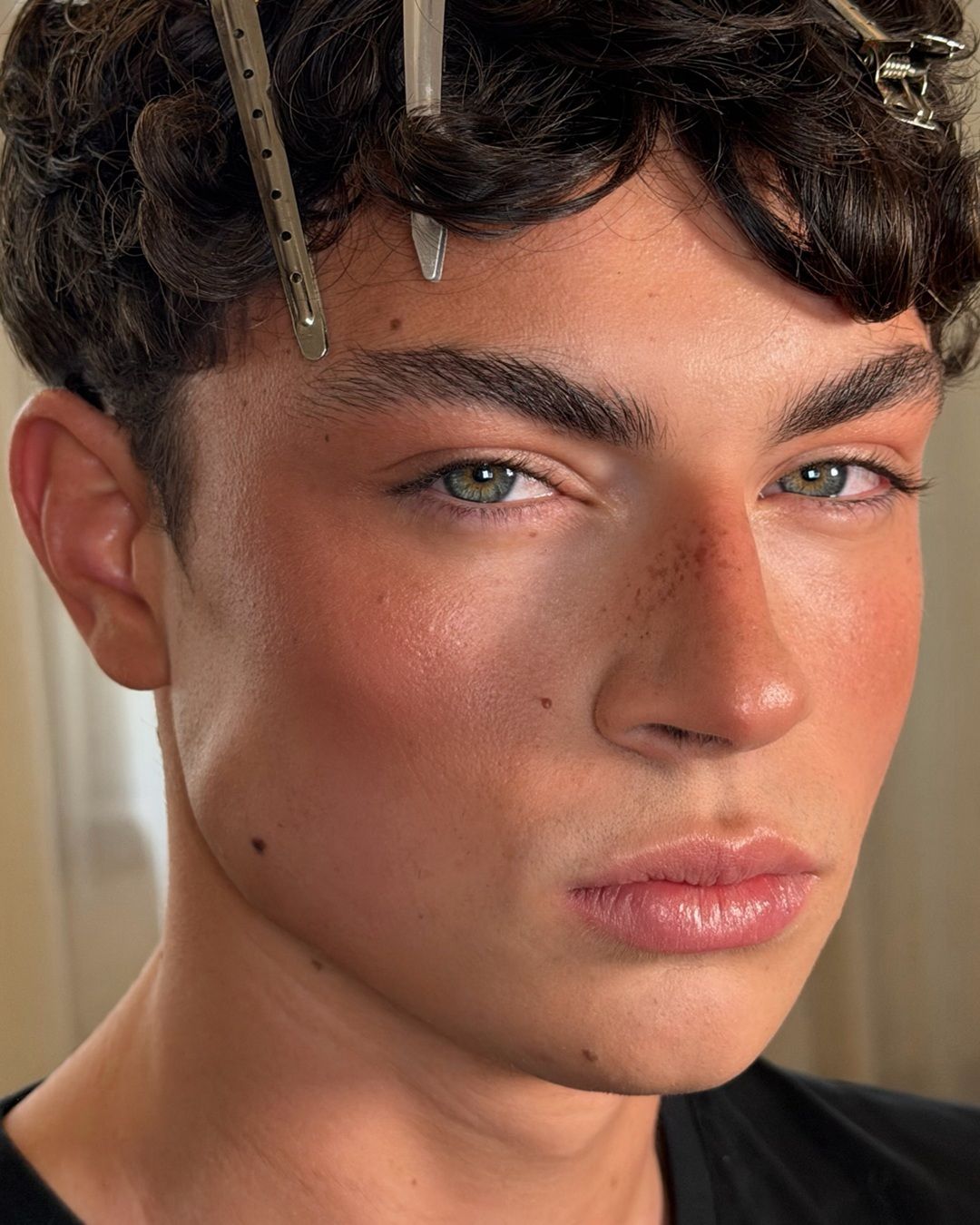
Ozempic and other medications improperly used for rapid weight loss have changed our lives. And no, we’re not being overly dramatic. Think about it: even if it doesn’t affect us personally, this widespread weight loss is having an impact on so many things. On our idea of the ideal body and thinness, on our idea of the ideal face (when used this way, these drugs tend to alter facial features, causing what is now known as Ozempic face, hollowed and unnatural even without plastic surgery), on the sale of snacks and junk food, and now even on the sales of hair accessories. Have you noticed the rise in hair clips among brand offerings, including luxury ones? We see them everywhere: in skincare routine kits, in backstage photos from fashion shows. All branded and camera-ready, of course. Small, affordable clips - even snap ones - used to keep hair away from the face without ruining a blowout, once confined to the home (or backstage), are now stepping into the spotlight. And the reason (or one of the reasons) is a little unsettling.
The rise of hair clips: the data
As reported by Business of Fashion, haircare giant Goody has confirmed a sharp increase in searches for these mini barrettes across its e-commerce channels. J.J. Martin, founder of La Double J, said interest in her designer clips has grown “before our eyes,” with “very strong” attention during this holiday season. Similarly, Julianne Goldmark, founder of Emi Jay, reports that her brand’s mini clips “posted one of the strongest growth rates of the year, with +49%.” In short, the data is clear, and so are the streets: hair clips are mainstream, and they’re being worn outside the house. Just like pimple patches.
@haydesha It even has the needle tip too
original sound - Dr Karan Rajan
Why do we love hair barrettes so much? Once again, Ozempic plays a role
Trends are mysterious. They emerge for many different reasons, sometimes top-down, sometimes bottom-up; sometimes obvious, other times as a byproduct of a much larger shift. Today, in the United States, 1 in 8 adults is taking diabetes medications known to have hair thinning and hair loss as side effects. This phenomenon is even more widespread among those using them for aesthetic reasons and not for diagnosed obesity. Is that reason enough to explain the increase in hair clip sales? Yes, but there’s more. Stress, pregnancy and postpartum, long COVID. In short, for a variety of reasons, many of us no longer have enough hair to comfortably use large claw clips, so we settle for smaller accessories, which also happen to be extremely useful during regrowth after a period of thinning.
@drsamanthaellis It’s definitely a thing. #ozempic #ozempicface #zepbound #mounjaro #wegovy #semaglutide #glp1 #tirzepatide #glp1forweightloss #hairloss #hairshedding #telogeneffluvium #hairlossprevention original sound - Dr. Sam Ellis - Dermatologist
This opens up a new chapter for haircare, one that will have to navigate between cosmetics and medicine, between supplements, drug-induced hair loss caused by careless use, and regrowth (hopefully) in better times. Could this be the big trend of 2026? The (please, mindful) management of the different phases of our hair, which, whether we like it or no, —is influenced by everything we do and everything we take. Time will tell.