




















The revenge bang is the liberating snip for an heartbreak Let's ask Nicole Kidman
There’s a moment, right after a breakup, when everything seems to stop. Sure, the world keeps spinning, trams pass, the neighbor’s dog barks, office paperwork piles up, but your world is stuck between a past that hurts too much to remember and an uncertain future. Silence feels heavy, the mirror becomes an enemy, and the only thing you can really control is the distance between your scissors and your forehead. And that’s when the post-breakup fringe is born, or, more dramatically, the revenge bang. A simple, seemingly trivial gesture loaded with centuries of culture, stereotypes, and female self-assertion. Because cutting your hair is never just an aesthetic decision. As The Atlantic puts it, “cutting the front of your hair is the ultimate act of self-deception, a desperate attempt to fix something deeply wrong with a pair of scissors.” And if you think that’s an exaggeration, just ask Nicole Kidman.
Nicole Kidman and the triumphant return of the revenge bang
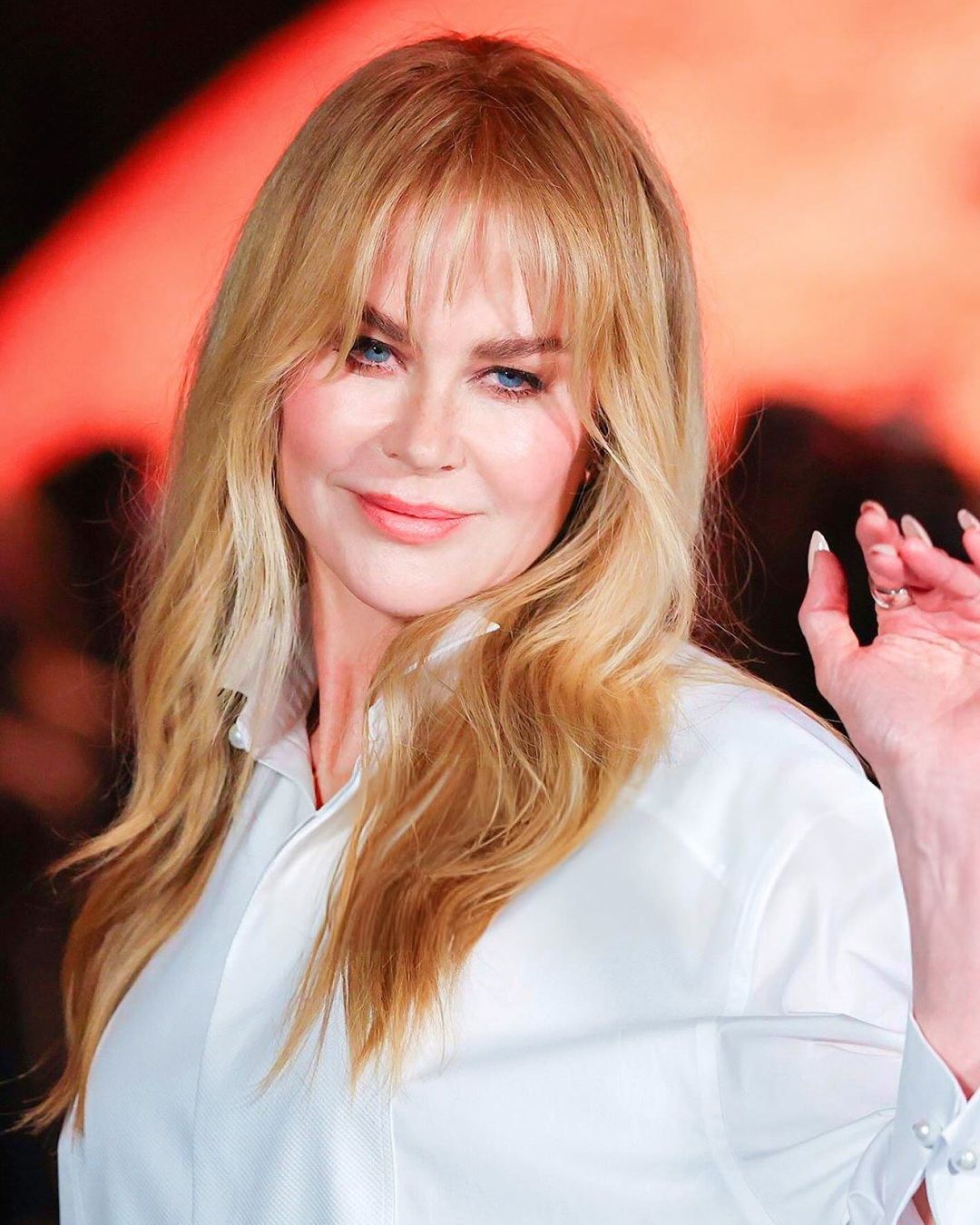
Some people deal with divorce by crying in pajamas in front of Netflix. Others throw themselves into work to avoid thinking. And then there’s Nicole Kidman, sitting stunning and sophisticated in the front row of Paris Fashion Week. Just days after filing for divorce from Keith Urban, the actress appeared at the Chanel Spring 2026 show in an oversized white shirt, high-waisted jeans, and a soft, slightly tousled Jane Birkin–style fringe. A woman freshly out of a marriage, in full Chanel, with a new haircut? The internet reacted as it always does, with a mix of awe, hysteria, and unsolicited psychoanalysis. In just a few hours, a simple haircut became an aesthetic press release screaming: “I’m not broken, I’ve been reborn.” And just like that, the revenge bang officially returned. Her hairstylist, Adir Abergel, confessed to Vogue that the decision was made at the last minute “to give her a broken but expensive look.” Honestly, there’s no better definition of the celebrity post-breakup vibe: broken, yes, but expensive. Nicole didn’t say a word. No cryptic posts, no teary livestreams. She just cut a few centimeters of hair to announce both the end of a love and the start of her rebirth. Because really, what better way to get revenge on those who left you, or expected you to crumble, than showing up with perfect hair and a radiant smile?
The psychological power of the hair cut
Coco Chanel once said, “A woman who cuts her hair is about to change her life.” It’s the quote we’ve all saved on Pinterest at least once, but it gains real weight when the change isn’t just aesthetic, but existential. When a relationship ends, you don’t just lose a person, you lose the version of yourself that existed beside them. And in the attempt to recognize yourself again, you crave an immediate gesture, something tangible. So instead of texting your ex (again), you grab the scissors. Breakup bangs become a form of symbolic shock therapy, the most concrete way to say “I’m starting over,” even if you don’t quite know from where or toward what. It’s visceral and liberating, like burning old letters or listening to your saddest Spotify playlist on repeat. And yes, sometimes the cut turns out bad, too short, too straight, too “five-year-old with safety scissors.” But that’s okay. Because the post-breakup fringe isn’t meant to be perfect, it’s meant to give shape to an emotion that would otherwise hang in limbo.
The heroines of the trauma bang: From Emily to Belly
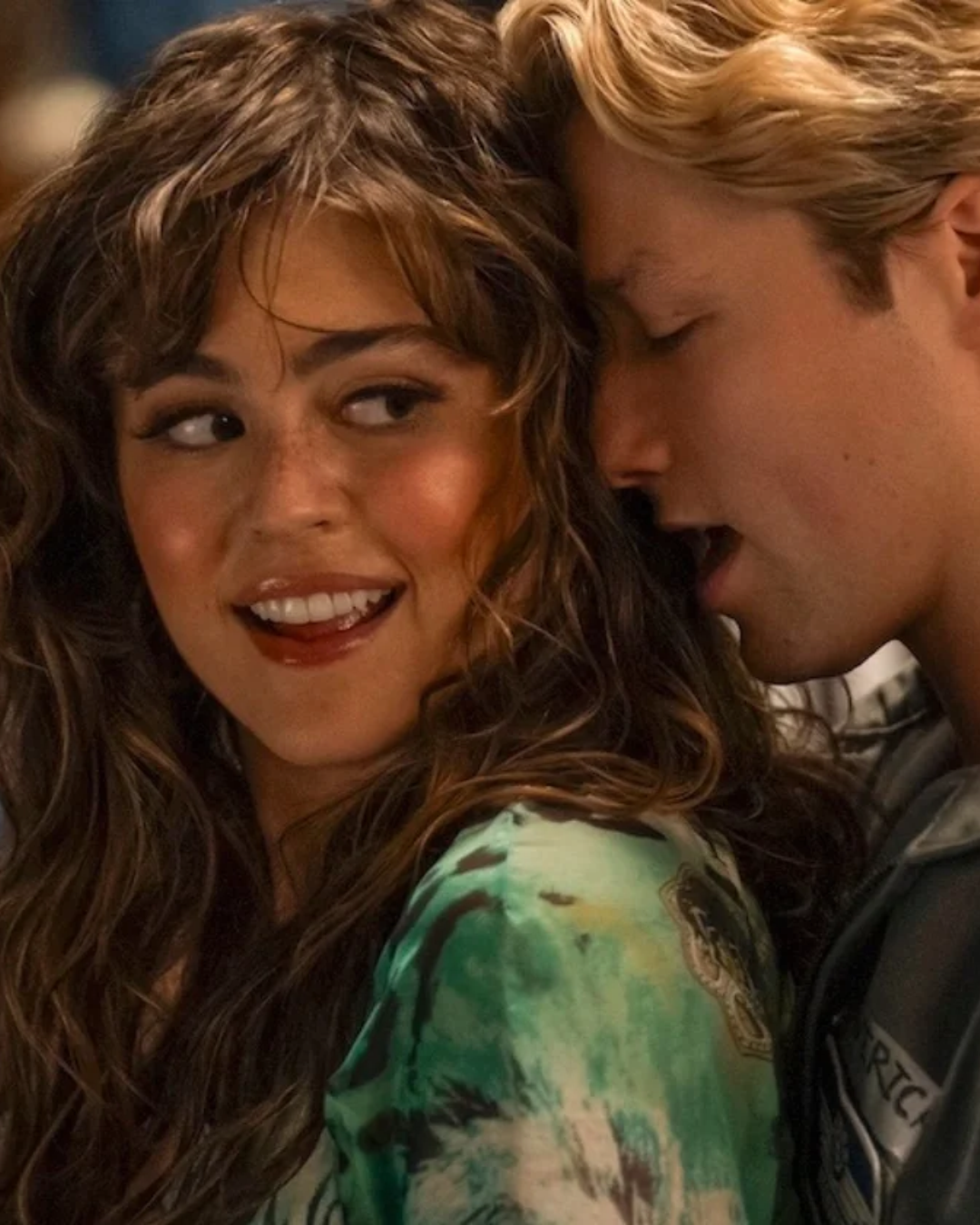
The breakup haircut has always been a cinematic moment. Rory in Gilmore Girls does it after Dean. Carrie in Sex and the City after Aidan. Helen in Sliding Doors cuts her hair and literally becomes a new (and more confident) person. And what about Felicity’s drastic pixie cut after Ben? Or Belly’s bob in The Summer I Turned Pretty after calling off her wedding to Jeremiah? Even the ever-perfect Emily Cooper in Emily in Paris grabs the scissors in season three and takes the plunge. In the show, they call the result a “trauma bang”, even though, let’s be honest, it’s one of the best fringes ever seen on Netflix. The breakup haircut has existed as long as breakups themselves. After all, as the hashtags say, #hairholdsmemories and #hairholdstrauma, hair is an emotional archive. Cutting it is a rite of passage, a way to release what weighs you down and what you no longer want to carry, even symbolically.
“You need therapy, not bangs”? Maybe you need both
There’s an entire corner of the internet that mocks women who cut bangs after a crisis. “You don’t need bangs, you need therapy,” read countless memes and tweets. But the truth is, no one says you can’t do both. As psychologist Jaime Zuckerman explains, changing your hair during a period of transition acts as a tangible form of rebirth, a physical gesture that mirrors mental healing. In other words, the fringe is physical proof that the metamorphosis has begun. And while men rarely get scrutinized for a post-breakup haircut (no one writes, “Brad got a new fade, is it emotional trauma?”), women are still analyzed through their hairstyles. The very idea of a “revenge look” is gendered. But what if we flipped the narrative? Women don’t cut their hair “to show their ex what they’re missing.” They do it to remind themselves of their worth, and their strength.
The moral of the cut
Let’s be real: in 90% of cases, the final result of the haircut isn’t exactly red-carpet-ready. You don’t look like Nicole Kidman. Tomorrow, staring at your reflection, you might hate your fringe, and your heart may still ache. But if, even for a single moment, that snip helps you see the end of a relationship, to draw a clear boundary from which to start again, then it was worth it. So go ahead and cut it. With irony, with rage, with lightness. Because sometimes, the best way to close a chapter is simply to open the scissors. And if it goes wrong, buy a hat, or a headband. While the strands grow back and the pain fades, a small accessory will do just fine.