






Bump forward: the evolution of pregnancy style Once hidden, now seen
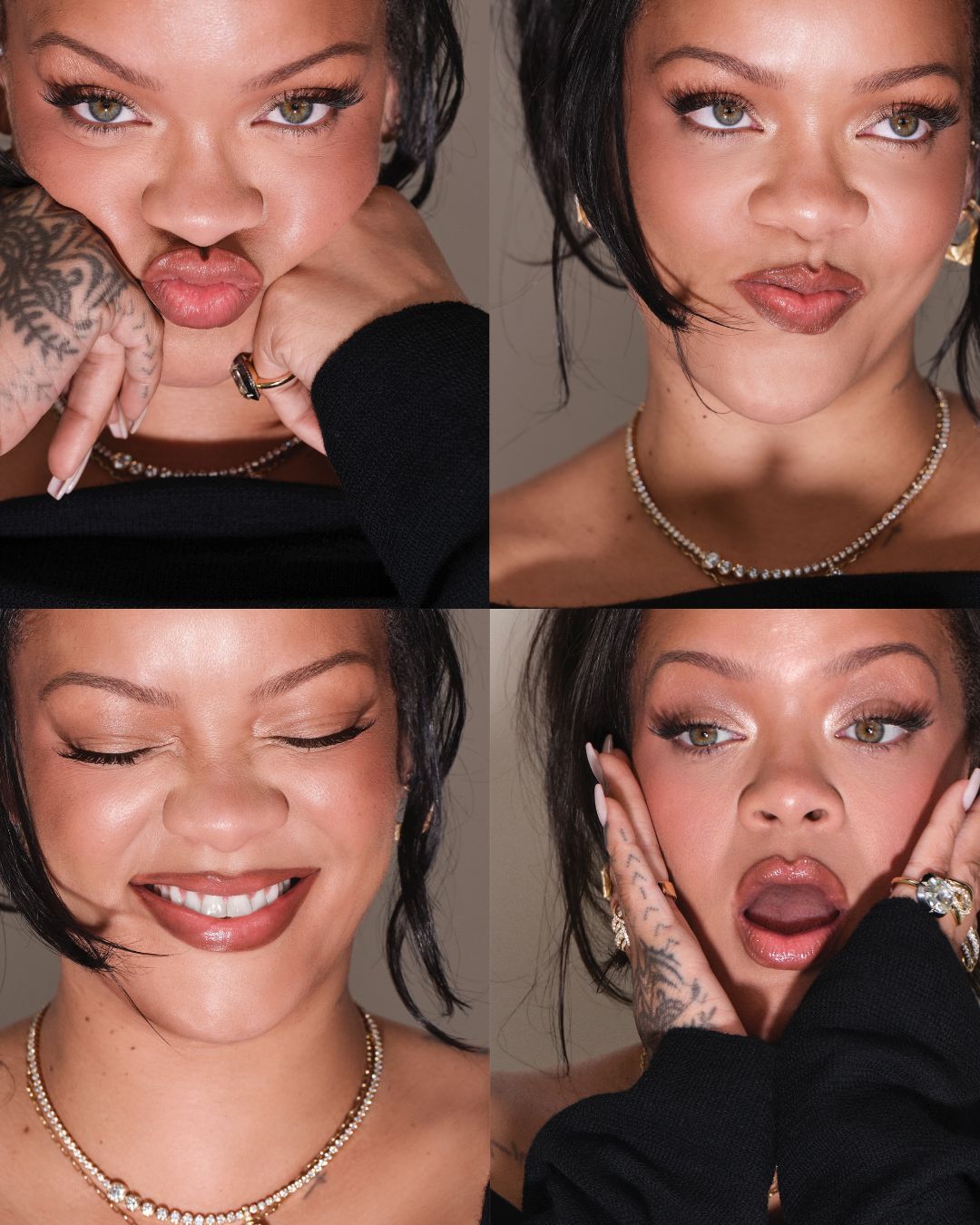
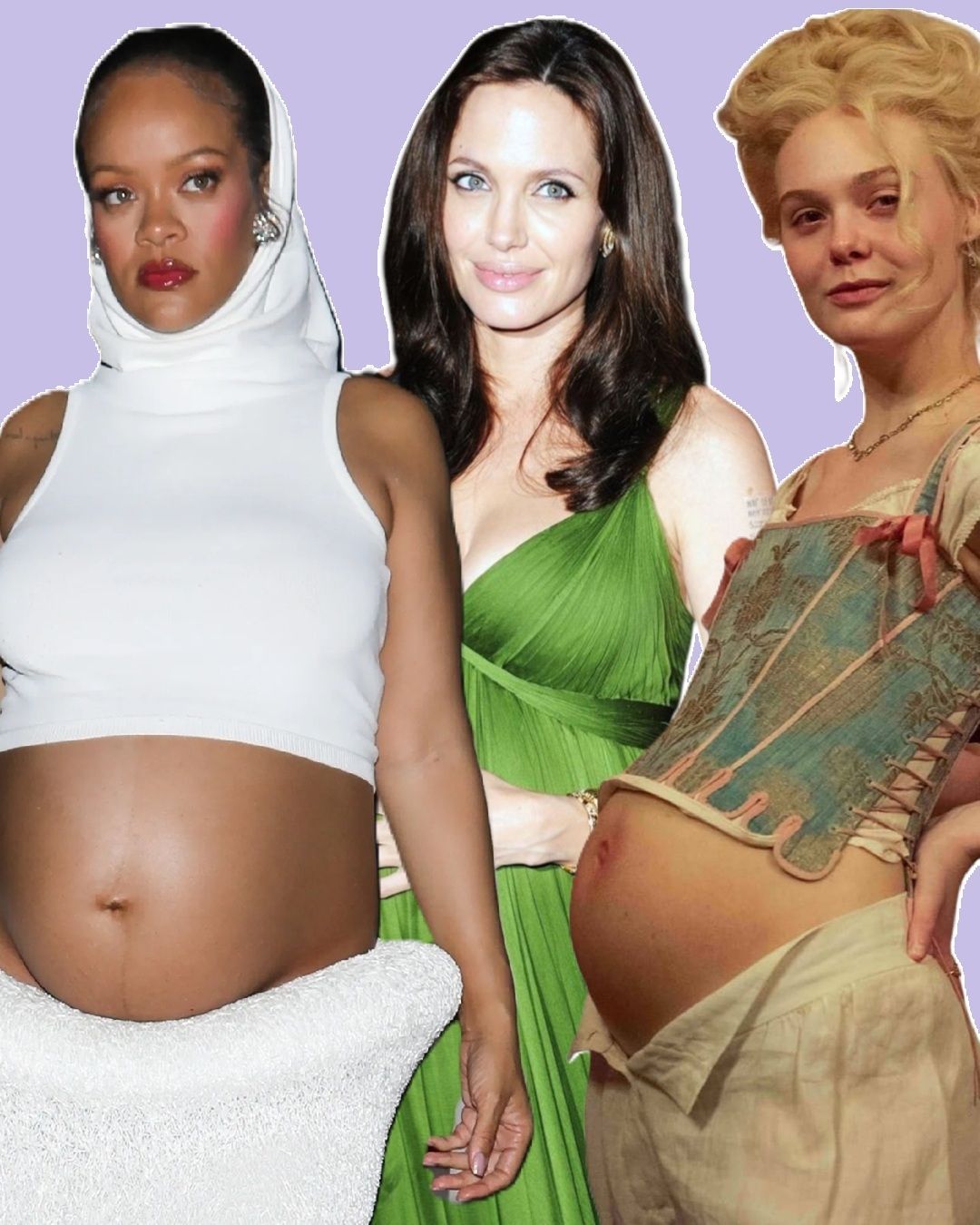
Thanks to Rihanna’s bold, vibrant, and playful fashion choices, the pregnant style has been having quite a moment in the cultural zeitgeist. It hasn’t always been this way, though. While it’s common nowadays to see celebrities showing off their baby bumps on the red carpet and in their everyday lives’ sartorial choices, baby bumps were once quite taboo.
How to dress during pregnancy: maternity style according to the stars
The Middle Ages, the Renaissance, the Baroque period, and the beginning of maternity wear
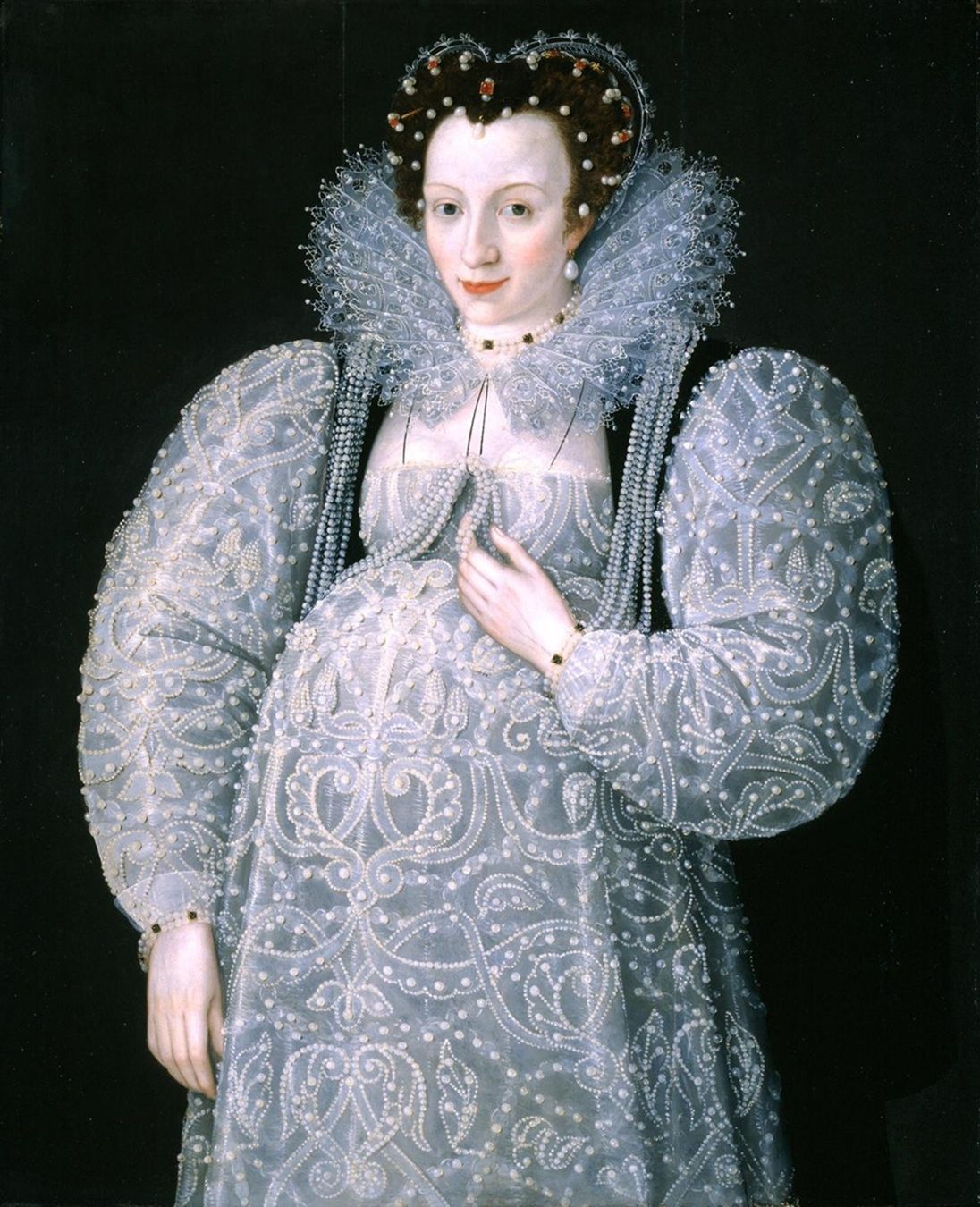
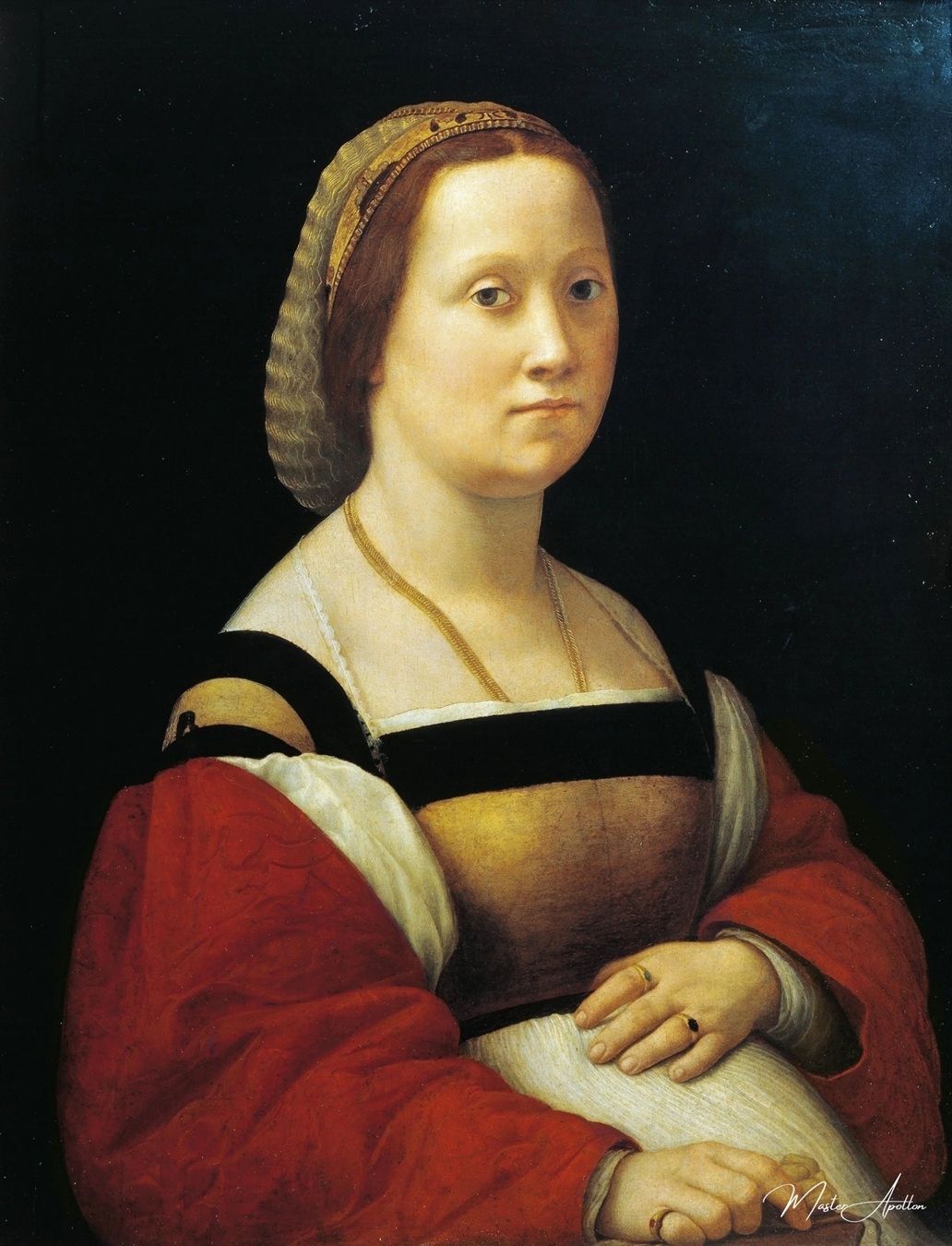
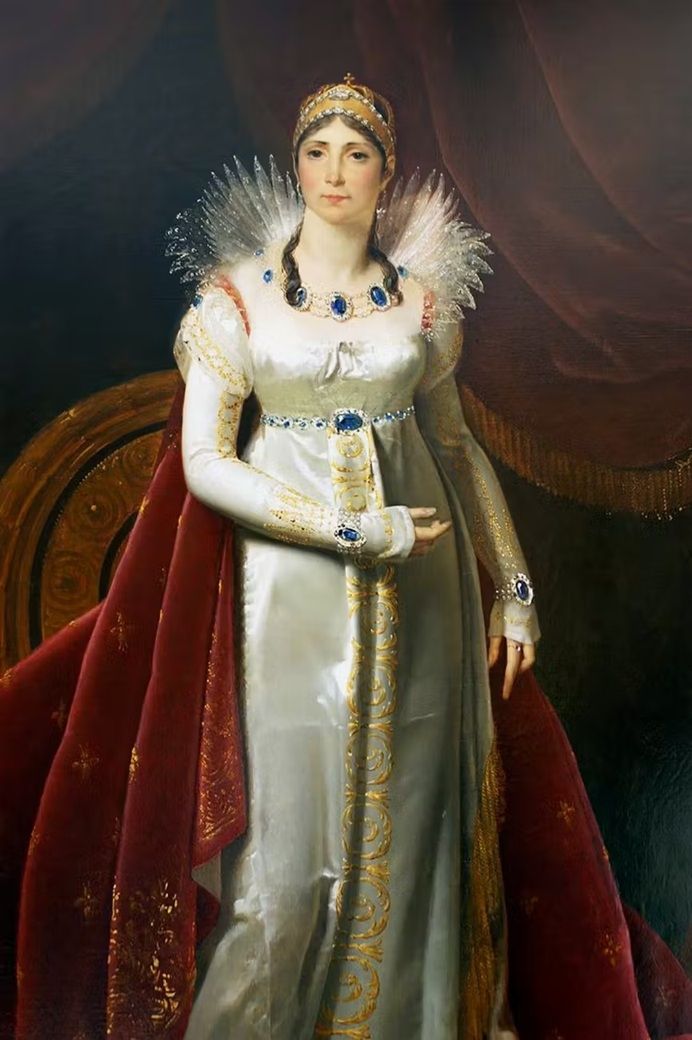
During the 13th to 15th centuries, pregnant women hid their bellies with thick fabrics, aprons, overcoats, and full gowns. The Renaissance period, however, saw them confined to their homes, with little to no information on how they dressed. Maternity gowns first appeared during the Baroque period (1600- 1750). One of the earliest was the "Adrienne" which featured an empire waist presenting a fitted bodice that ended just below the bust and a loosely gathered skirt. Its widespread popularity, however, only came about after Napoleon’s first wife, Empress Joséphine, wore one.
The Victorian era: corsets and conventions
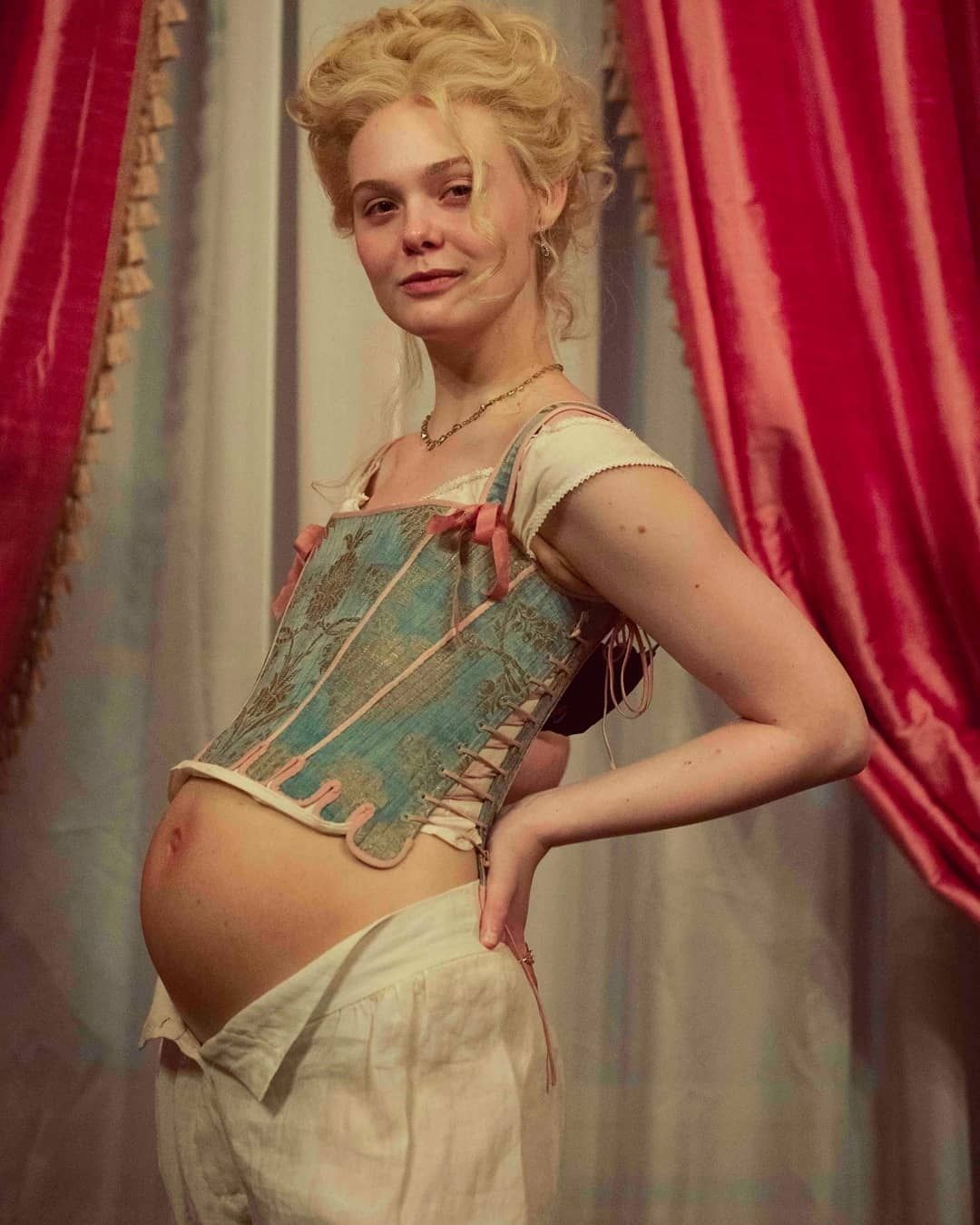
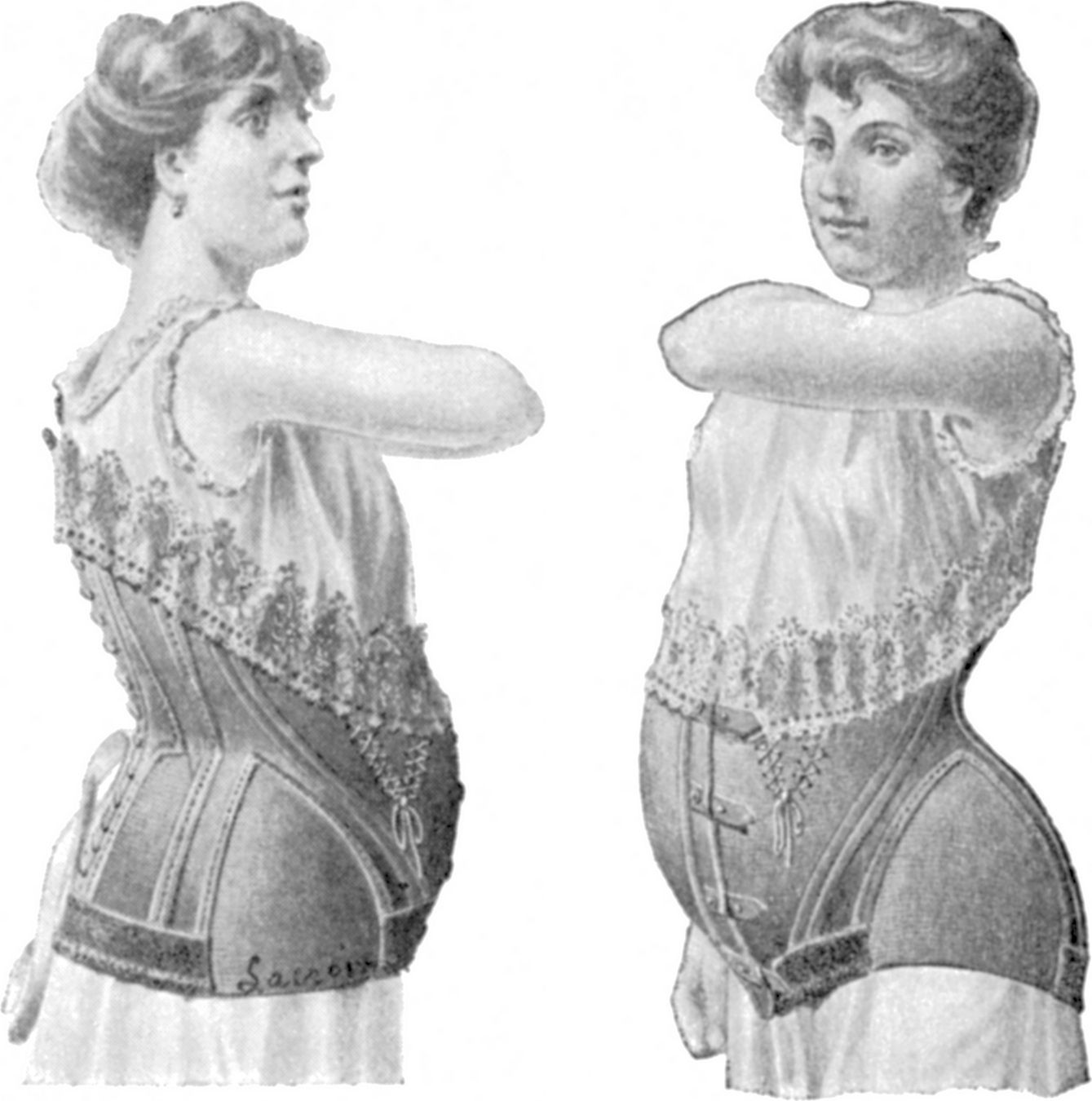
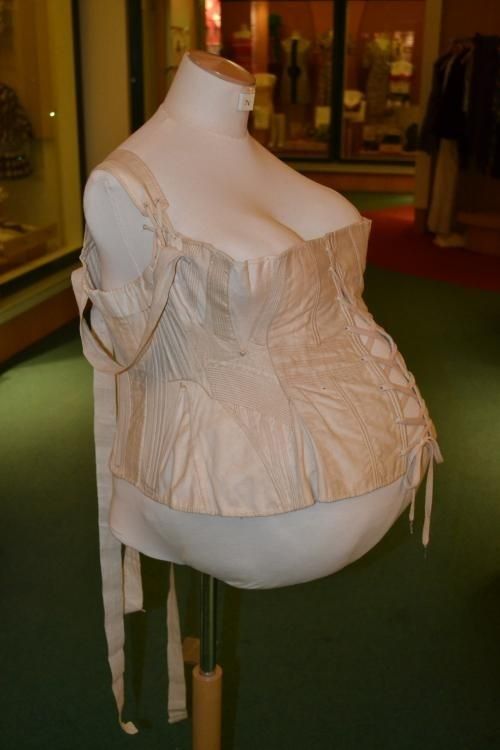
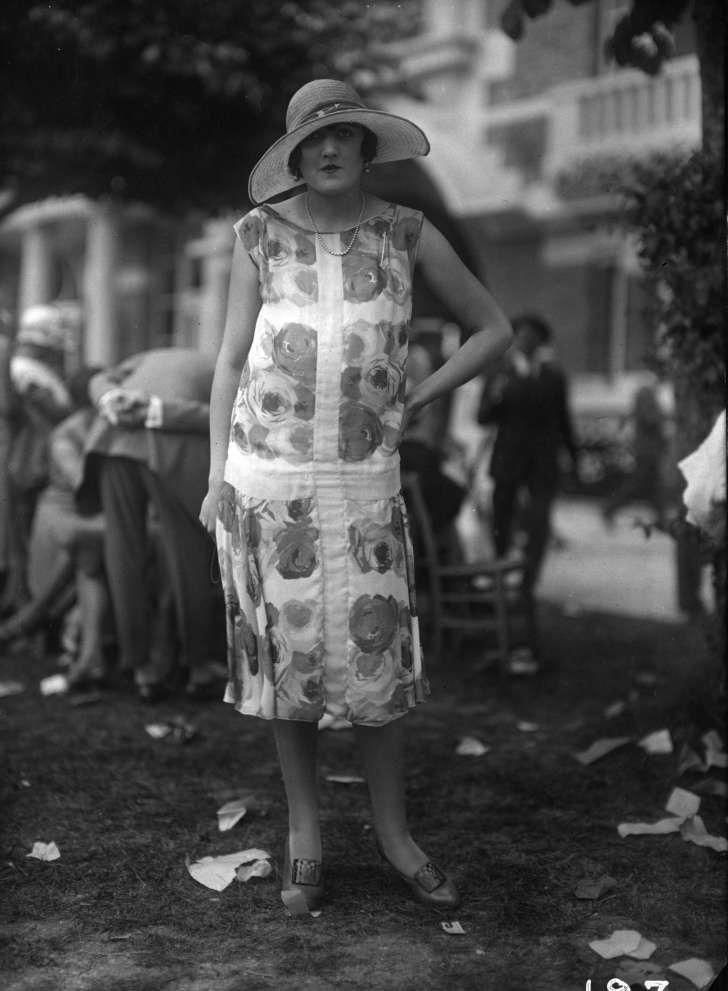
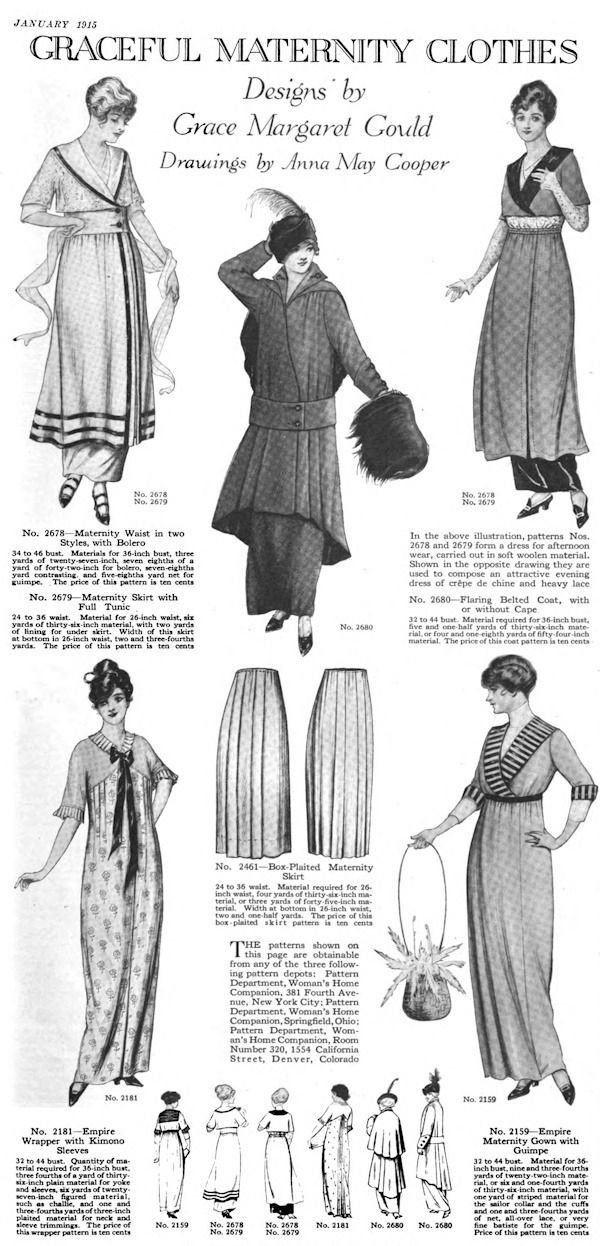
Enter the Victorian era, when maternity corsets became part of the fashion vocabulary. Recommended by doctors as the ideal undergarment, they concealed women’s "condition" and supposedly helped with fetal development. Besides the maternity corsets that were all the rage during the century, high-waisted gowns were popular for mothers-to-be until the 1830s. Then, during the 1840s and 1850s, a fan-pleated bodice took center stage. Until the end of the century, the sartorial choices du jour were empire gowns, maternity corsets, pleated bodices, and fuller gowns with ruffles. Maternity corsets remained popular throughout the 1900s but began to lose momentum in the Roaring Twenties. Similar to regular fashion, pregnancy fashion during this time became looser and freer.
From the 1930s to the 1950s: comfort and discretion
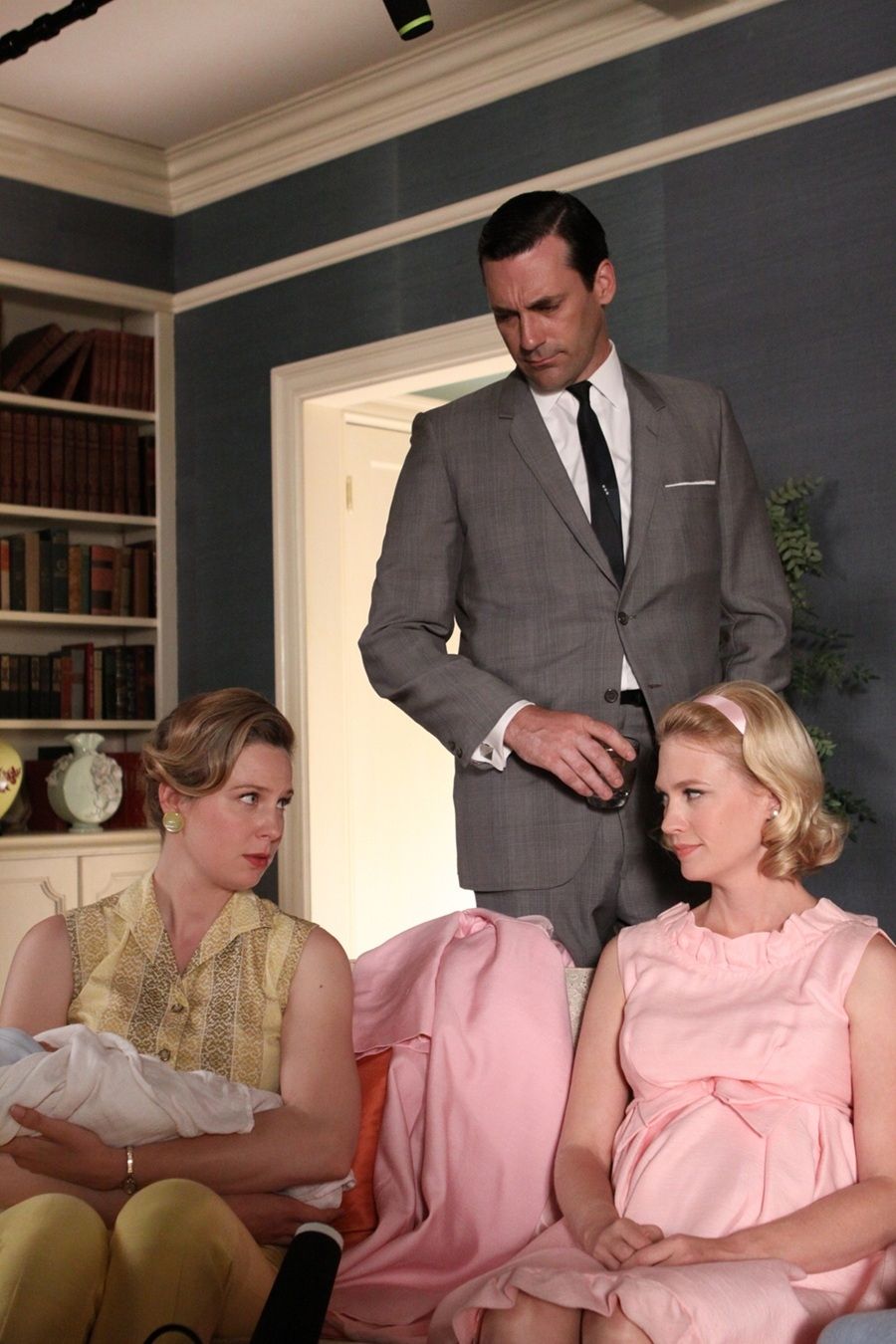
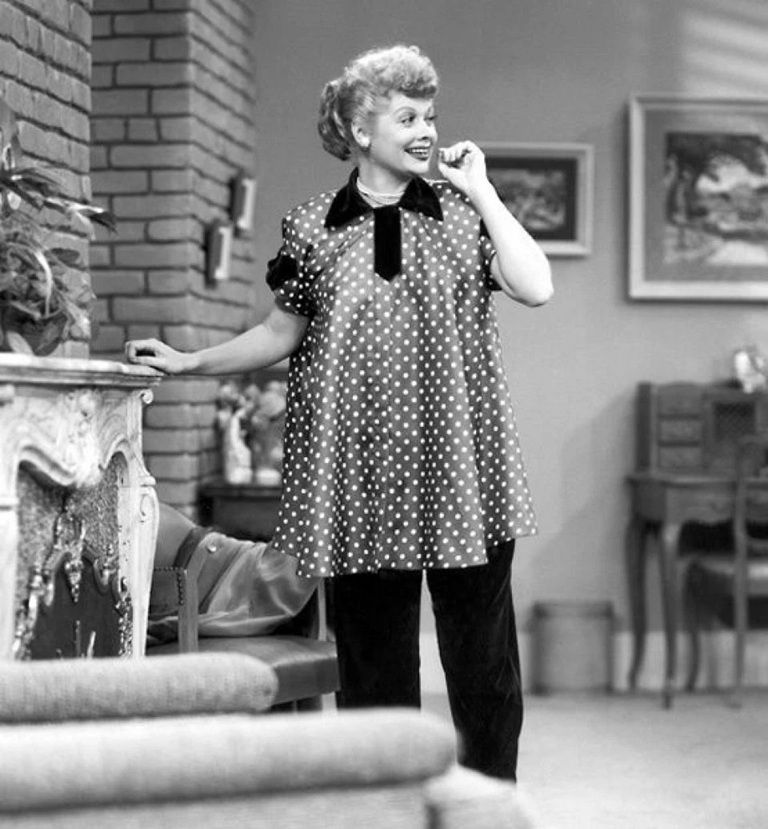
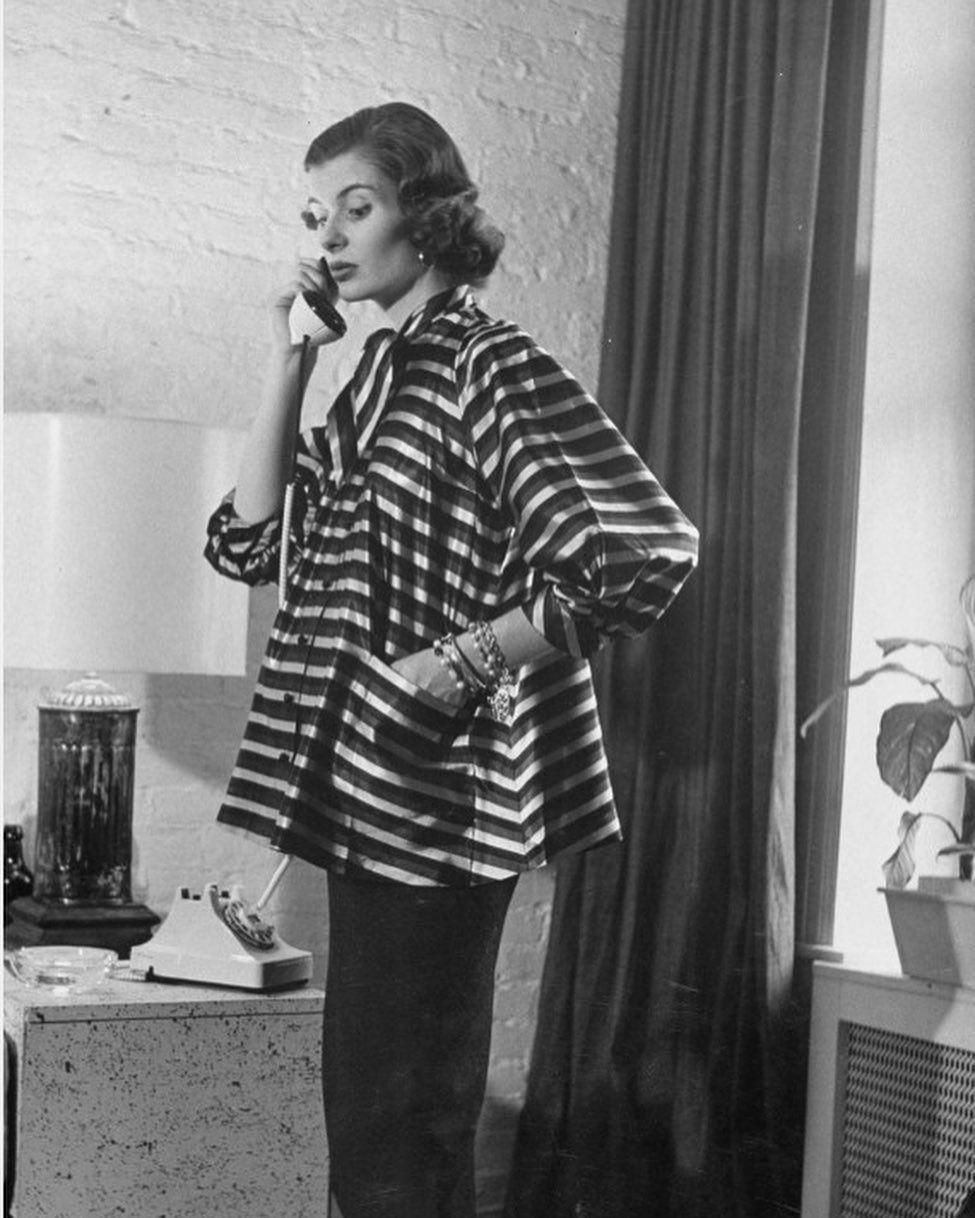
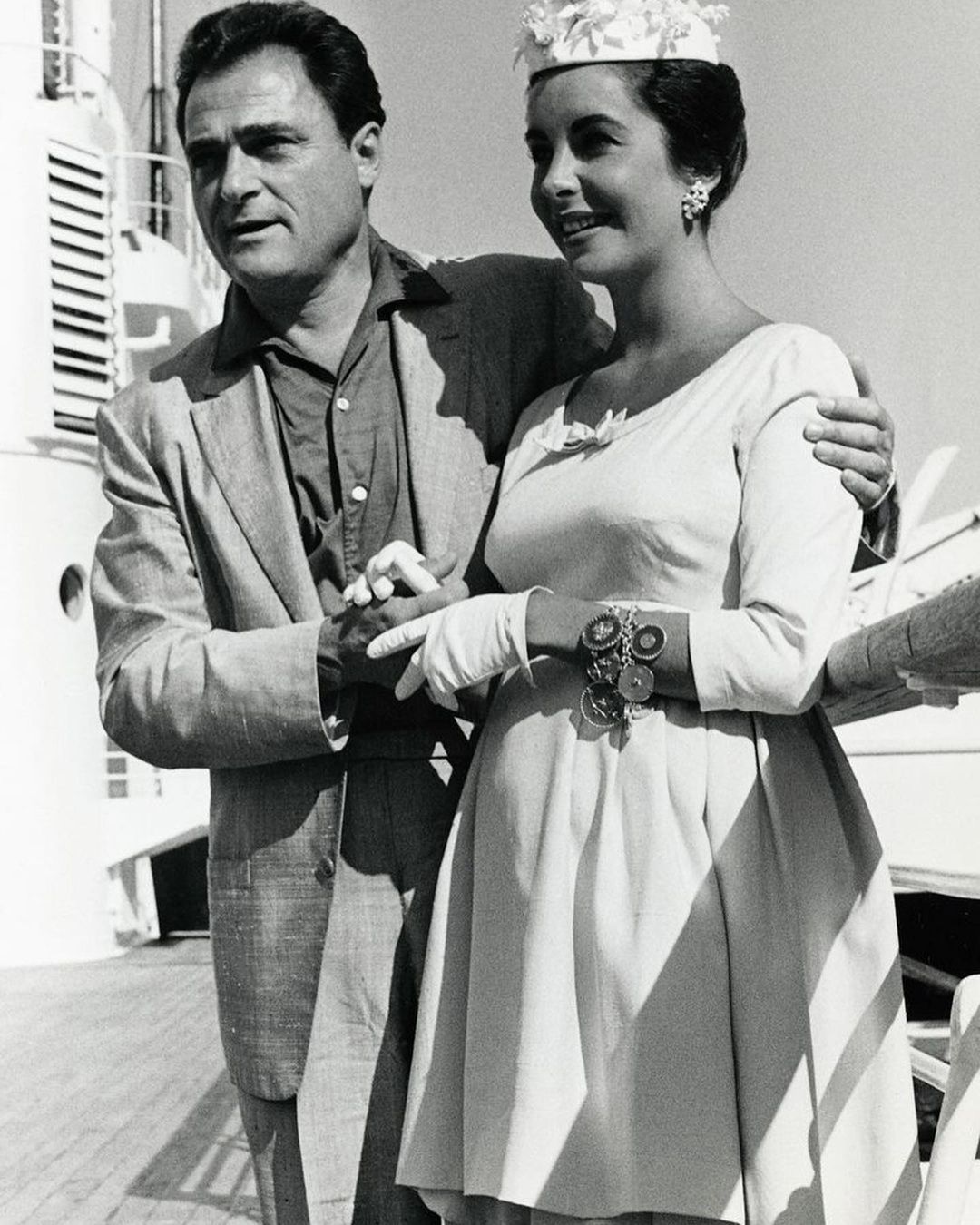
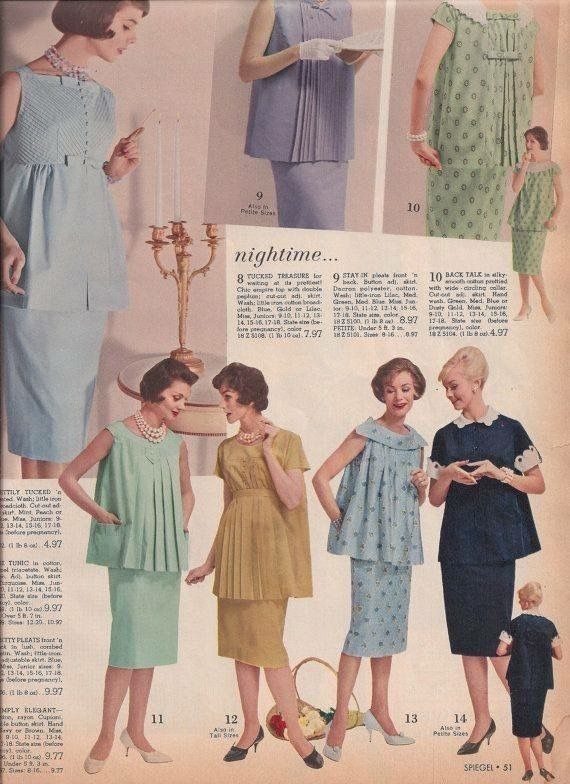
By the 1930s, maternity fashion embraced a more conservative style, characterized by feminine waistlines with adjustable waistbands. Flared necklines, capes, and large bows were popular features that could hide a baby bump in the early months. It was during this decade that separates was introduced, where its signature pleated trapeze tops could be adjusted during the early months and worn more loosely as the bump started to show. By 1937, Page Boy, America's first high-end maternity wear company, introduced a patented skirt with an adjustable design that comfortably accommodated a baby bump instead of hiding it. The 1940s saw similar maternity fashion to the previous decade, but it also included long, billowy shirtdresses and wrap styles. By the 1950s, fashion remained poised and feminine. But actress Lucille Ball broke barriers when she became the first woman to appear pregnant onscreen, proudly showing off her baby bump. Then, on her show I Love Lucy, the star popularized wide blouses worn with pants. The look quickly became a signature staple of the decade, and was also worn with skirts. Actress Elizabeth Taylor, for instance, made the pencil skirt and a dress-like tunic combo her go-to maternity look.
From the 1960s to the 1990s: when pregnancy was shown with proudness
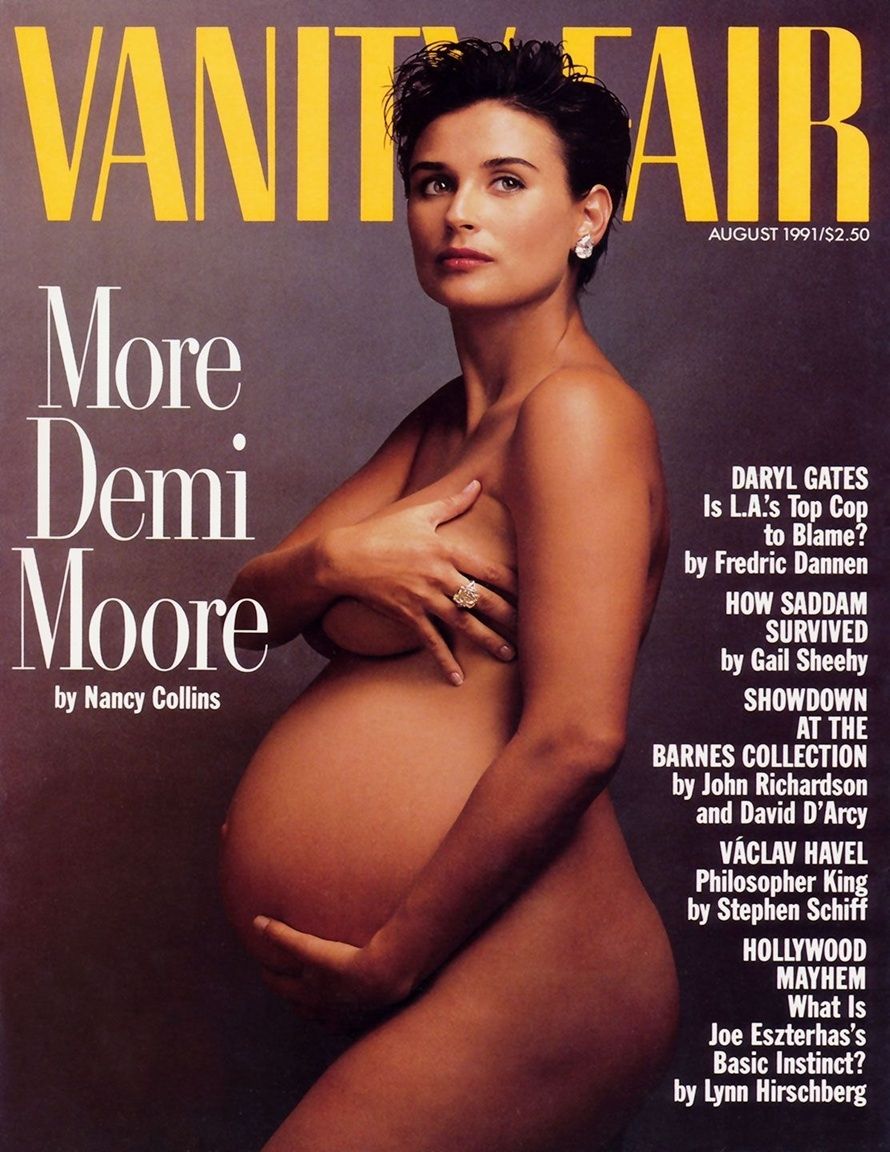
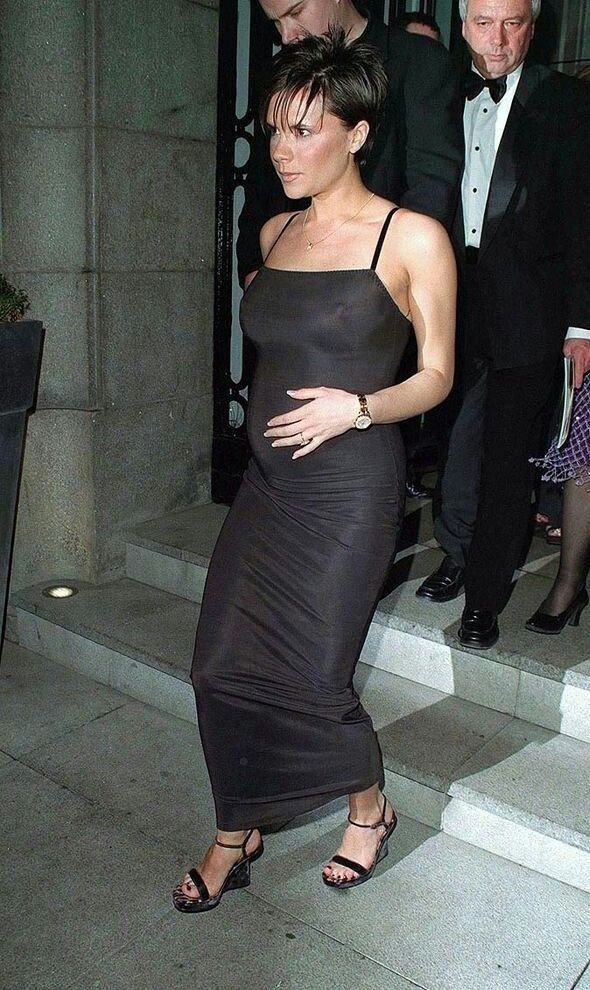
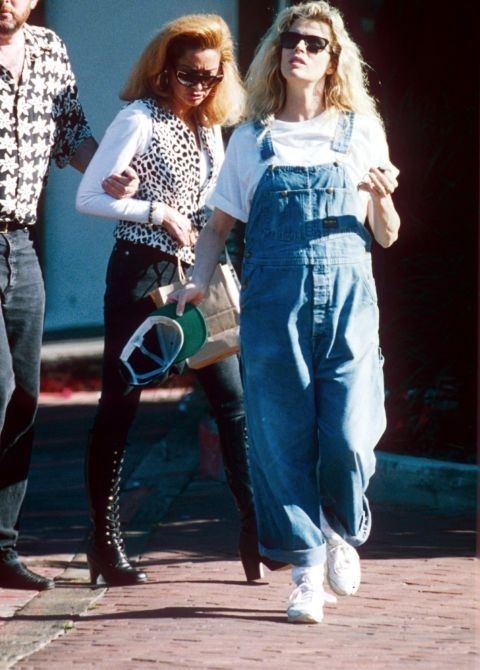
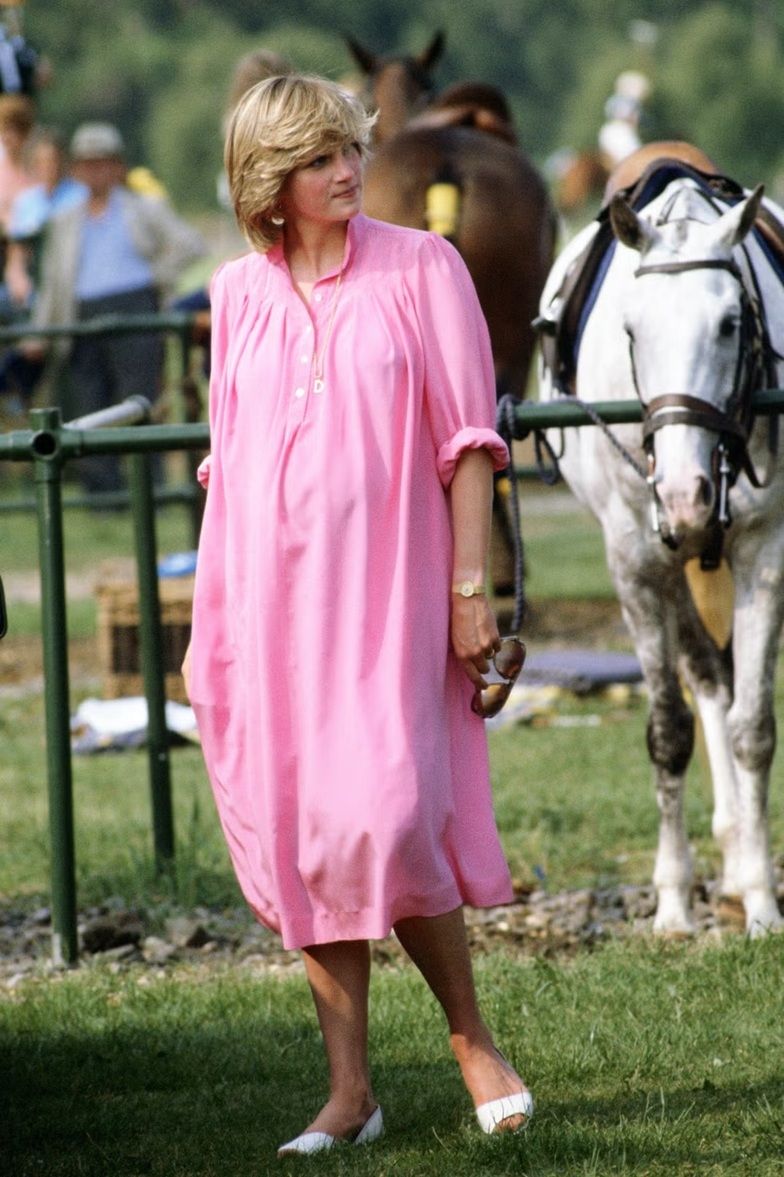
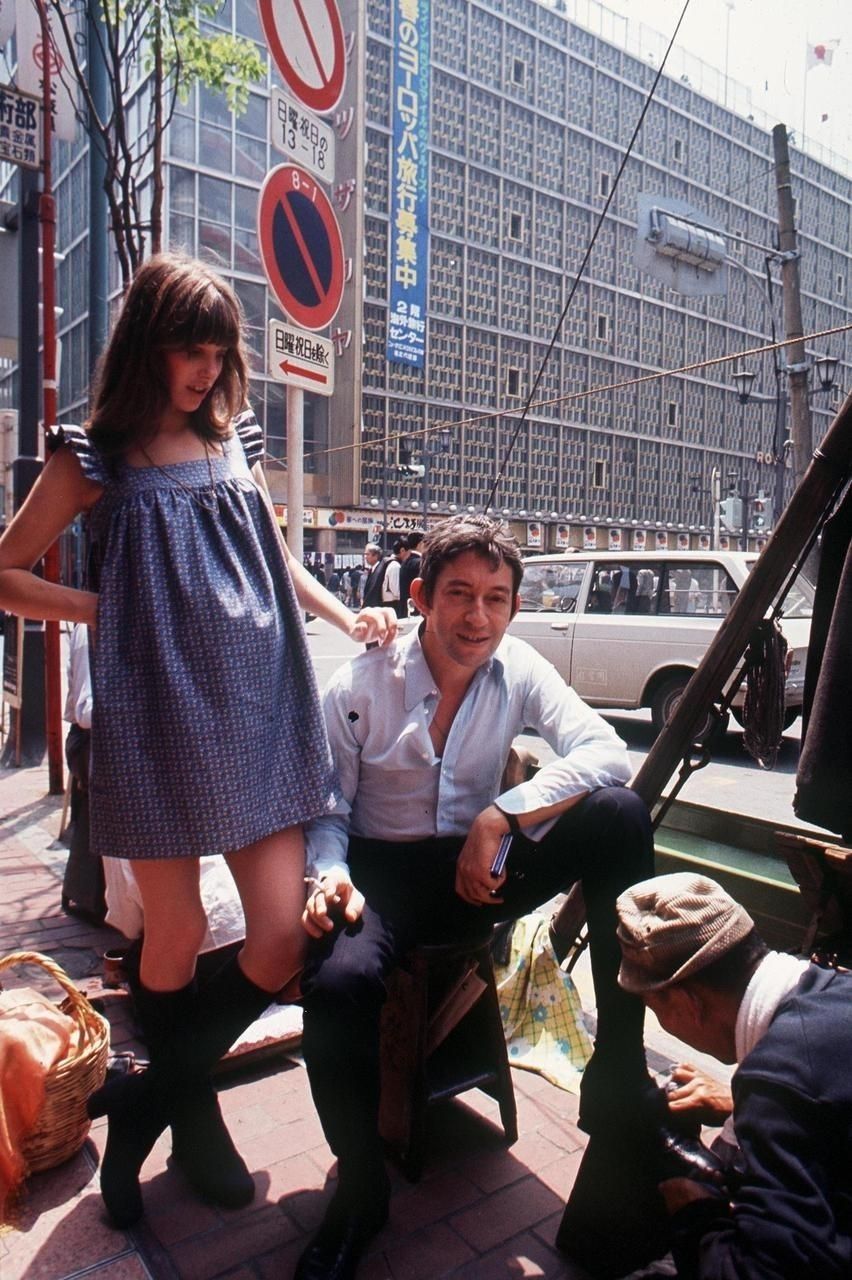
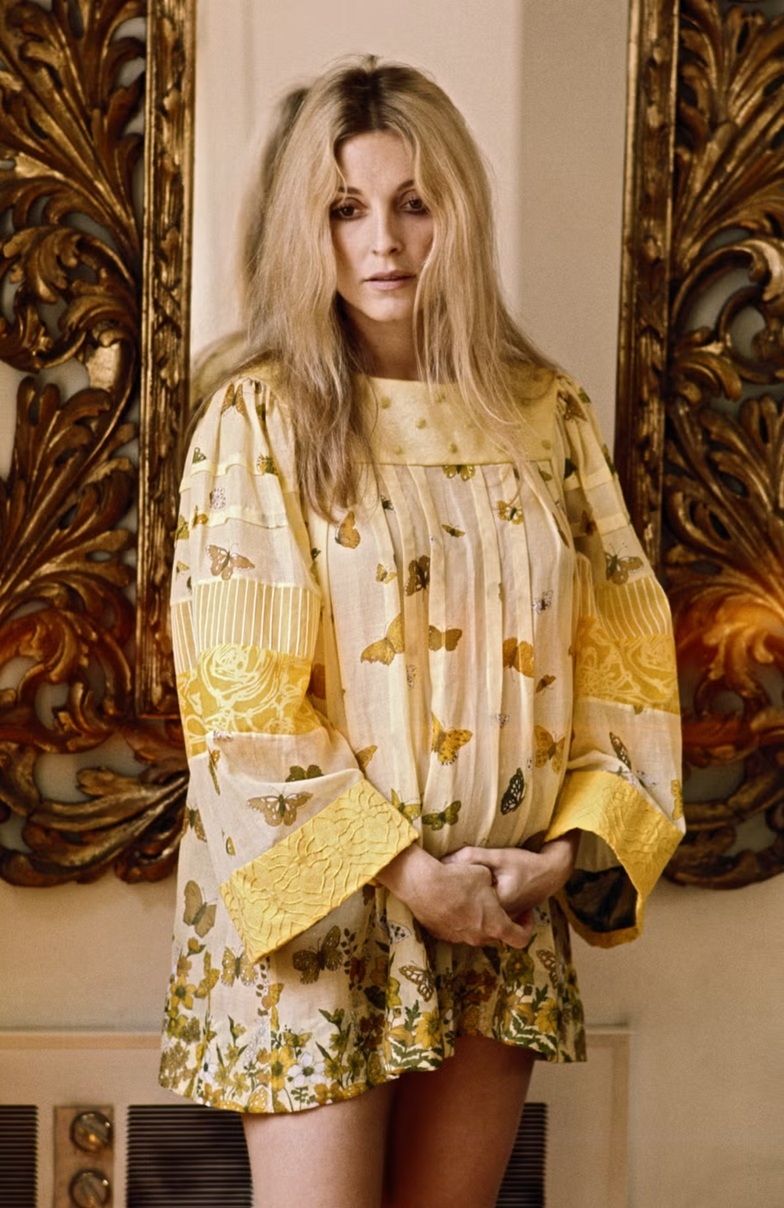
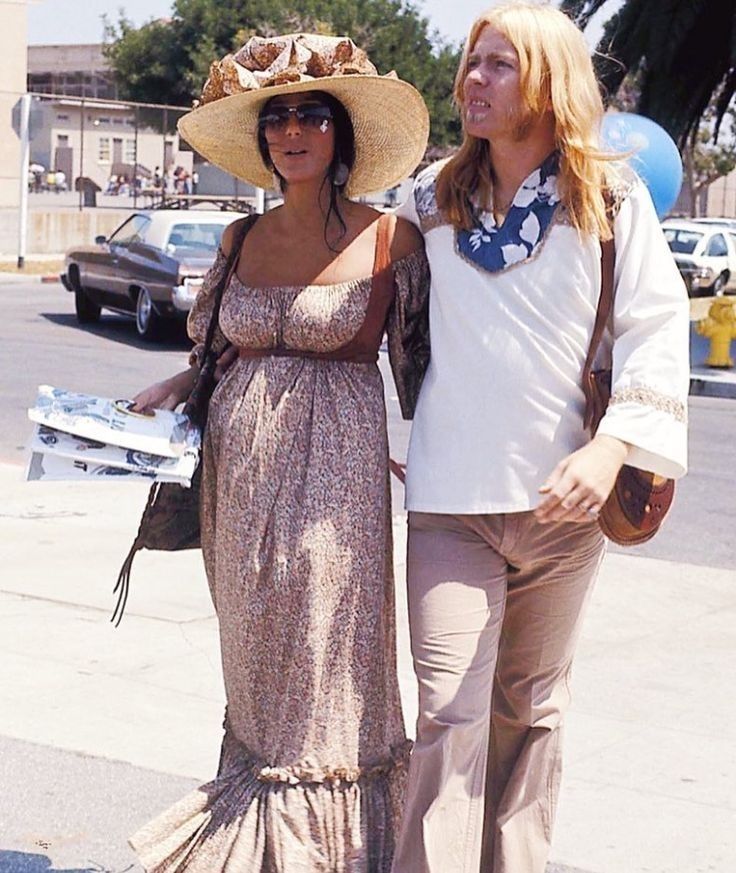
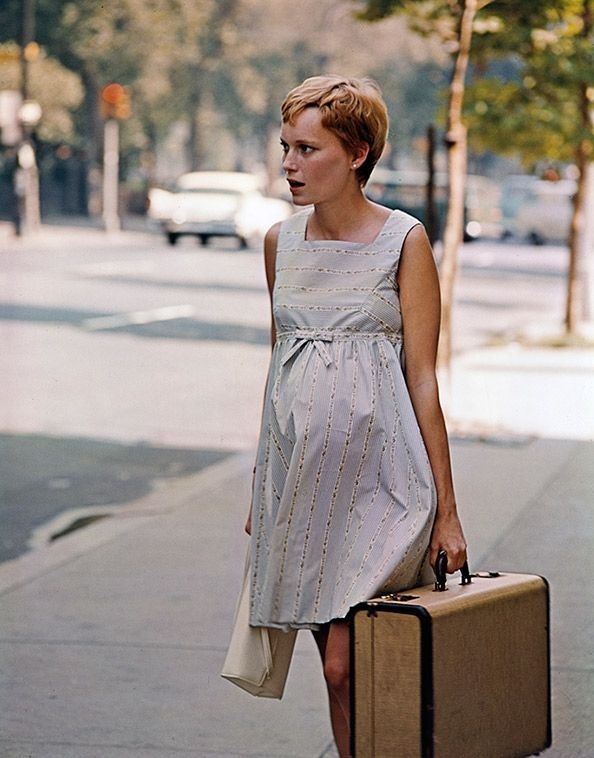
By the ‘60s, maternity fashion loosened up. A-line silhouettes were popular at the early stages of pregnancy, bohemian tunics became popular after actress Sharon Tate was spotted wearing one, and baby doll dresses became all the rage after actress Mia Farrow wore one in Roman Polanski’s Rosemary's Baby. Then, in the ‘70s, maxi gowns like those worn by Cher and Diana Ross, cotton sundresses à la Jane Birkin, and Yoko Ono's kimono robes set a more playful tone for the sartorial choices of all moms-to-be. Much like in the ‘60s and ‘70s, the ‘80s saw more loose-fitting, comfortable clothing, such as capes and shirt dresses popularized by Lady Diana, as well as flowing dresses. It was also during this decade that Gela Taylor and Pamela Skaist-Levy, the creators of Juicy Couture, observed a lack of modern maternity wear, launching then in 1988 a line of maternity denim called Travis Jeans. It was only after Demi Moore and Melanie Griffith, who was pregnant with her daughter Dakota Johnson, were seen wearing them, that pregnancy jeans really took off. By the '90s, pregnancy was no longer taboo. In 1991, actress Demi Moore posed nude with her baby bump for Vanity Fair. High-profile celebrities like actress and model Kim Basinger popularized denim overalls. Posh Spice Victoria Beckham stuck with body-hugging dresses and Jodie Foster embraced casual sundresses. In 1997, singer Cyndi Lauper set the tone for the decade's liberated style with her belly dancer Halloween costume. Despite Moore and Lauper's public display of their baby bumps, as well as the significant evolution in how pregnant bodies were seen during the sleek decade, baby bumps were generally still concealed under shirts and baggy dresses.
The 2000s: baby bumps, maxi looks, and street style
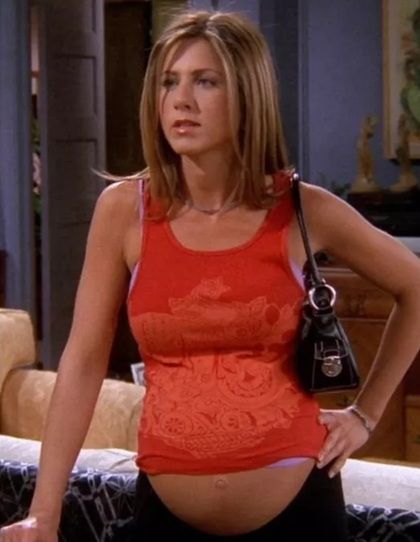
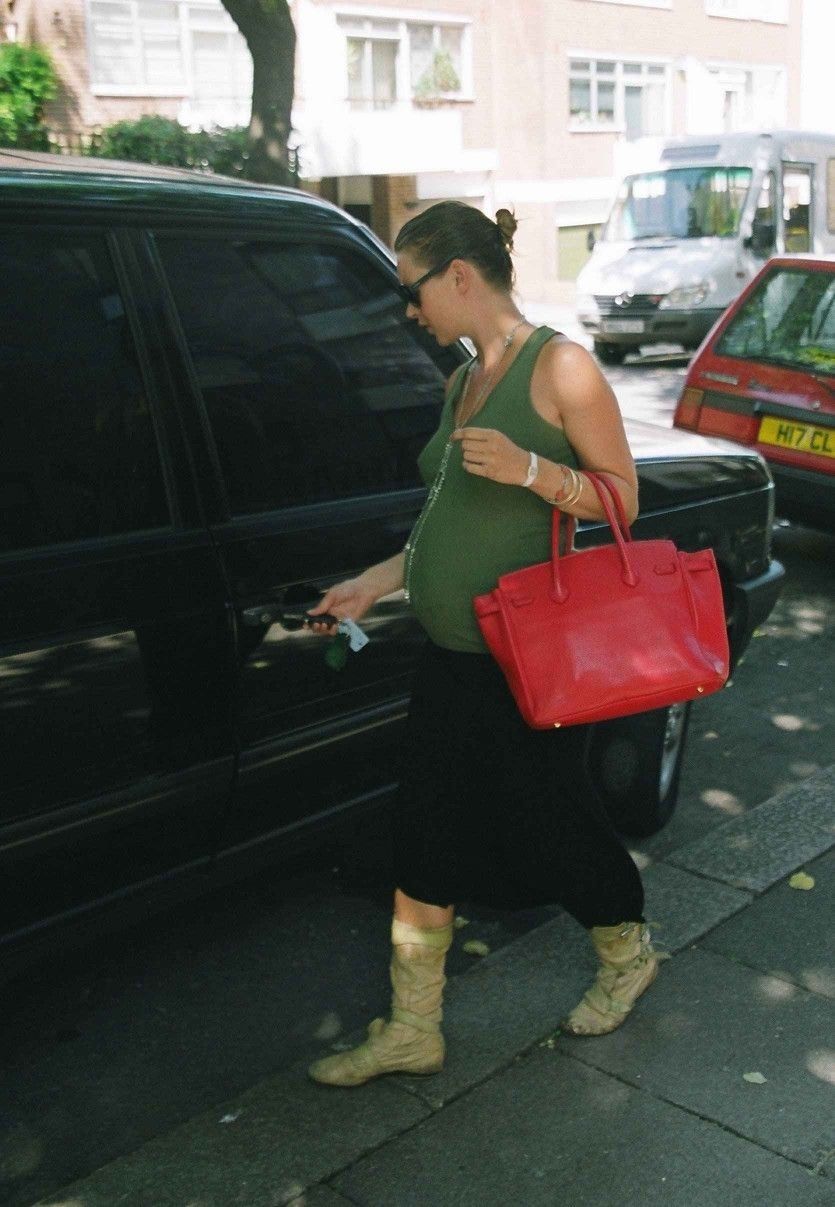
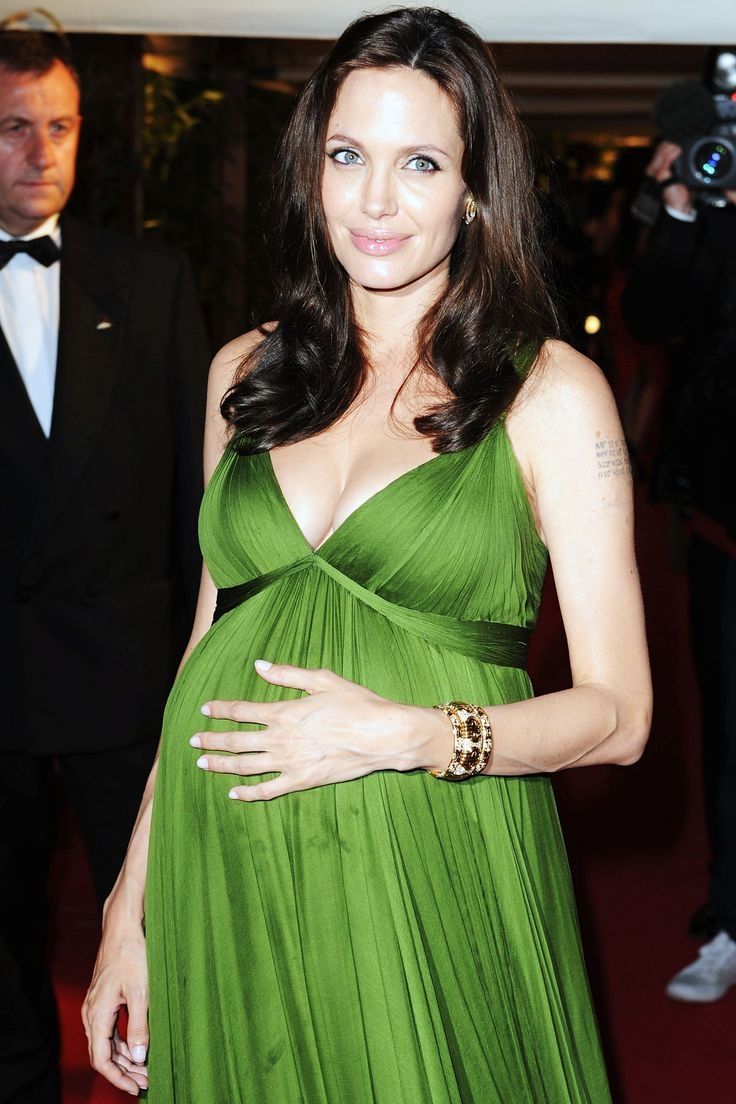
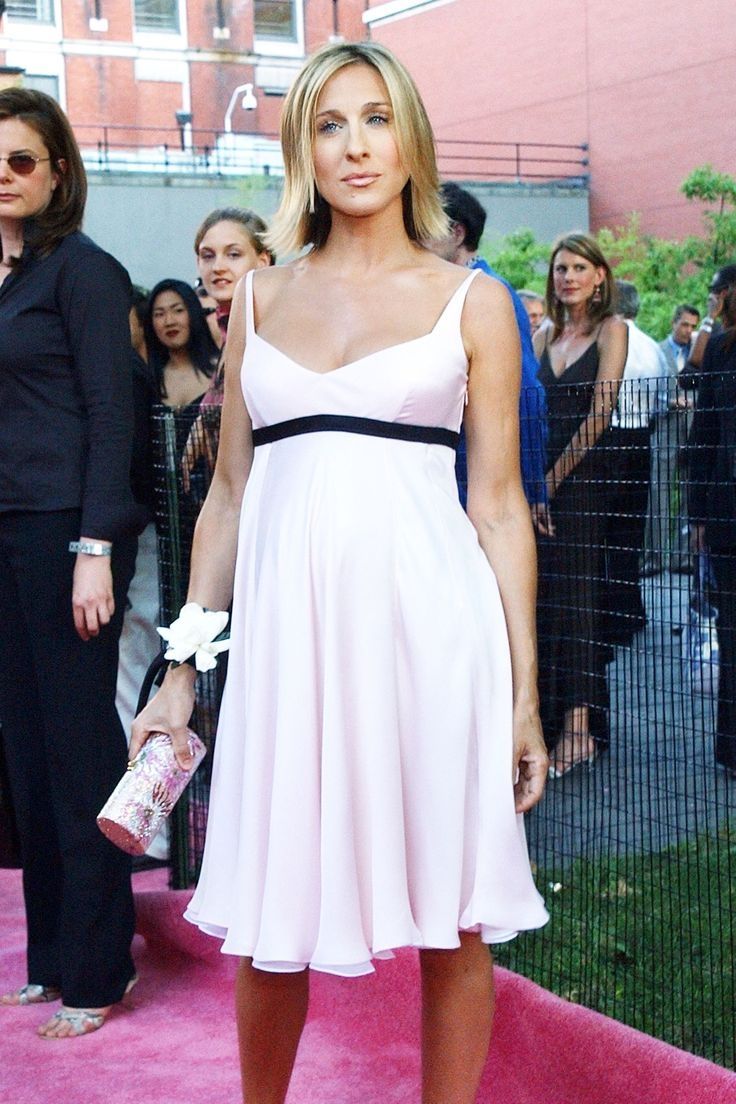
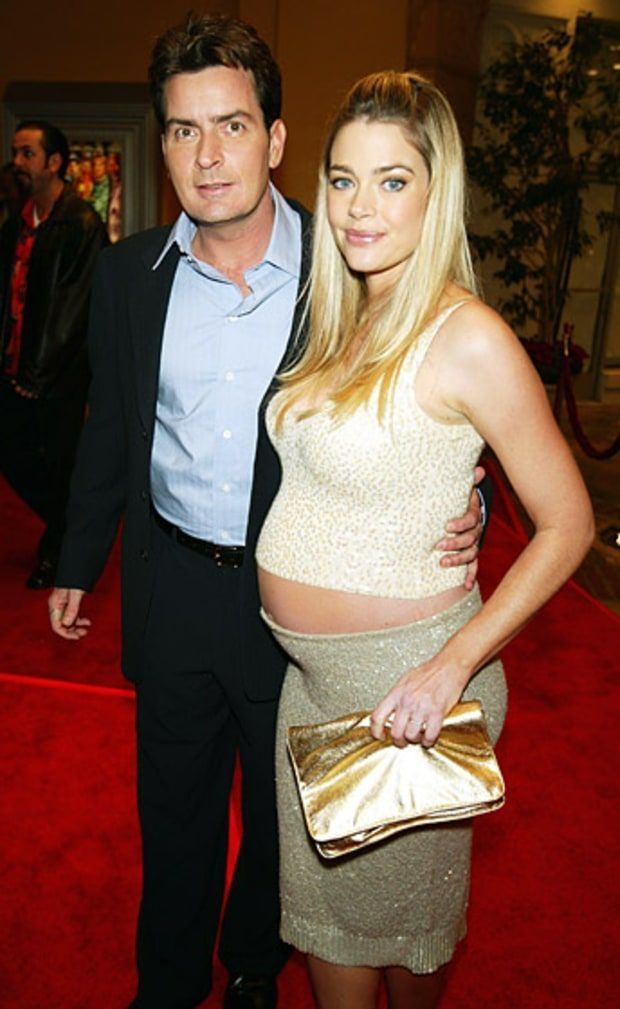
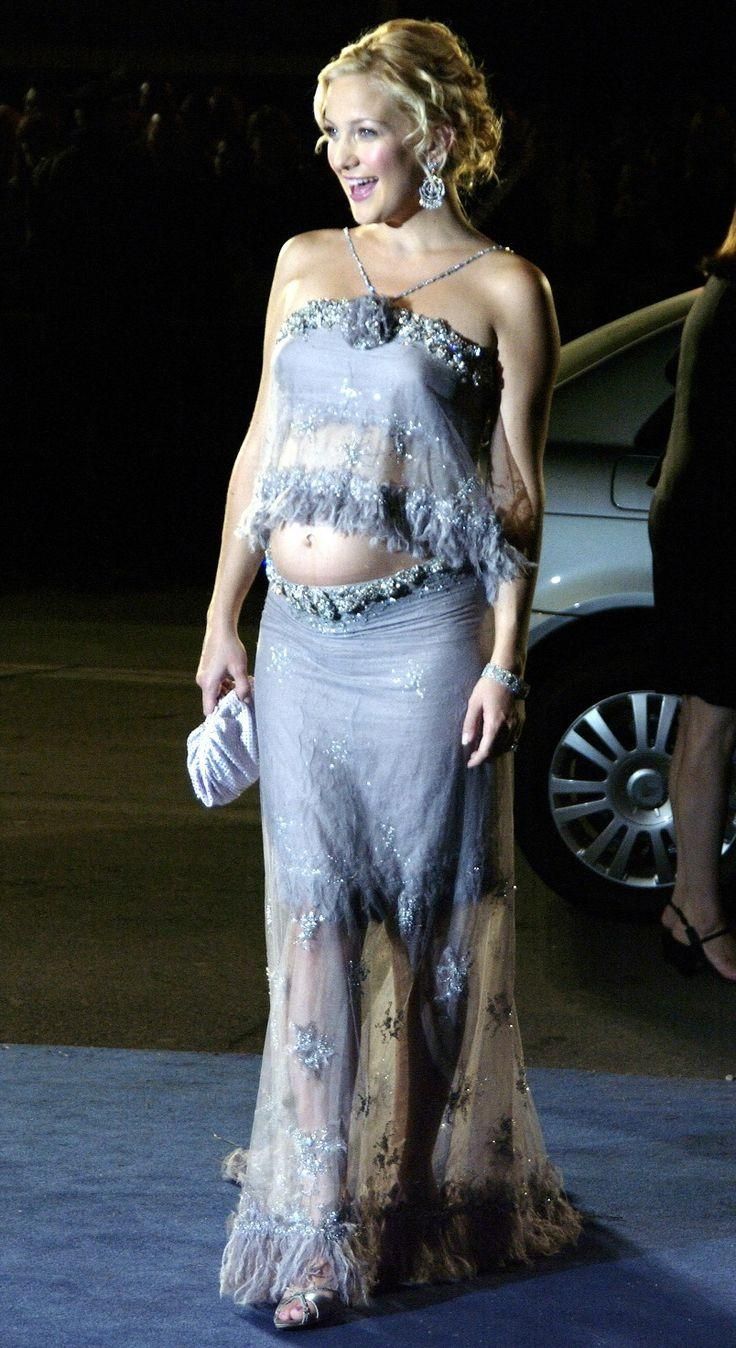
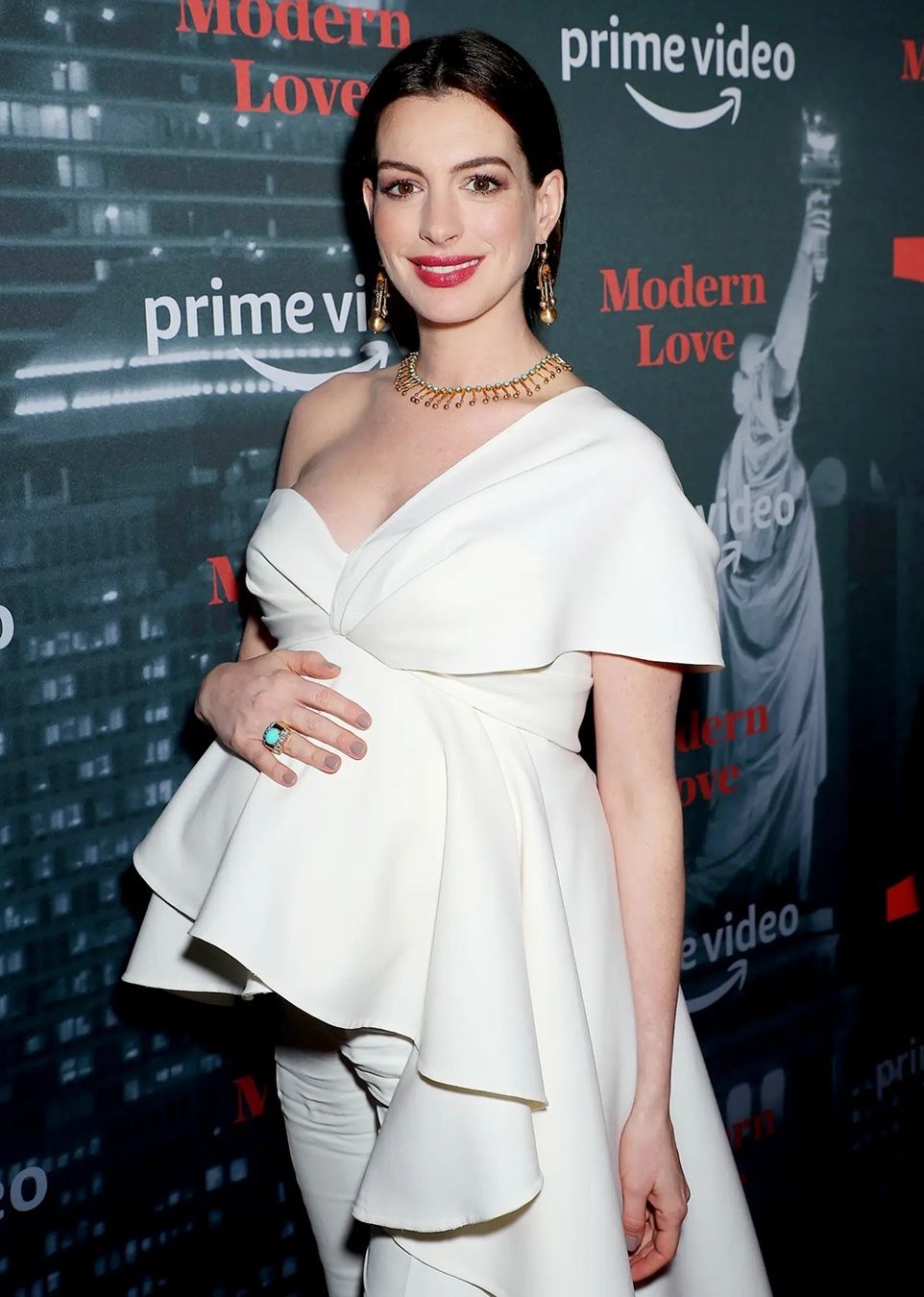
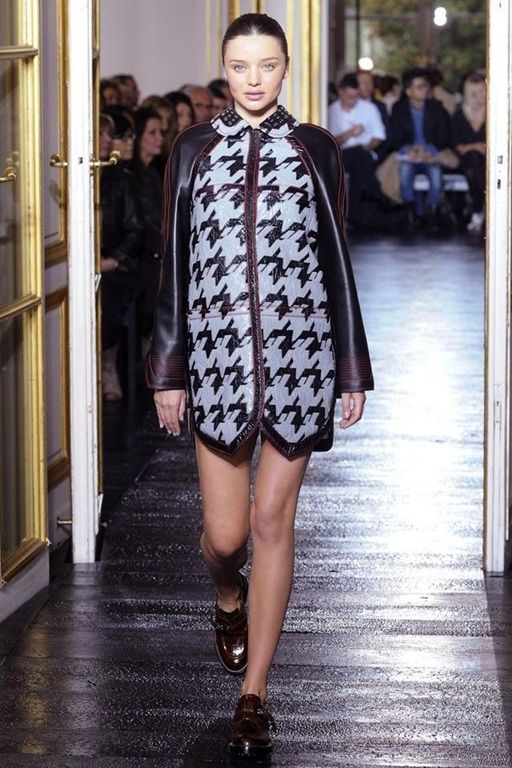
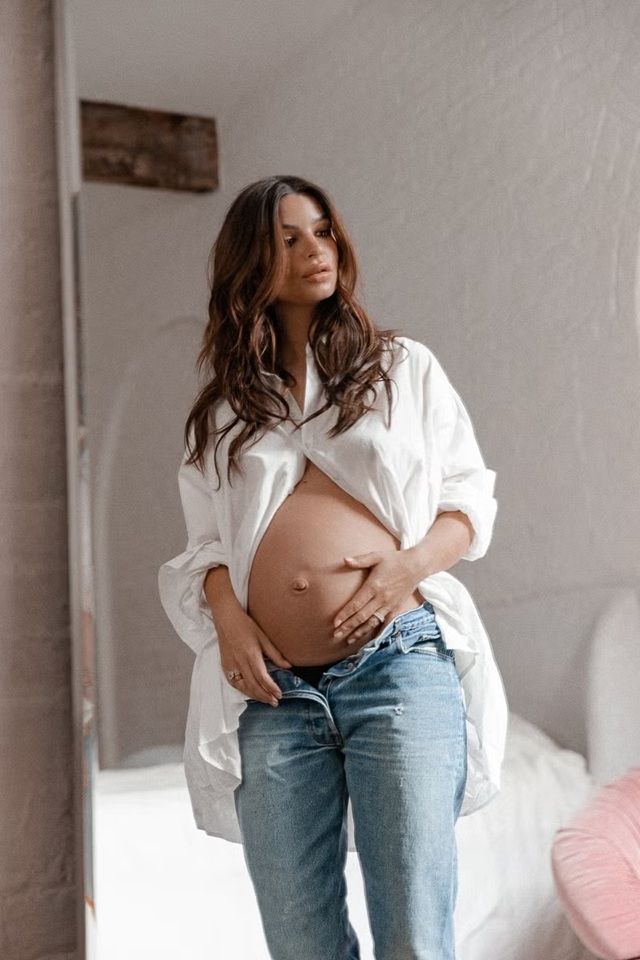
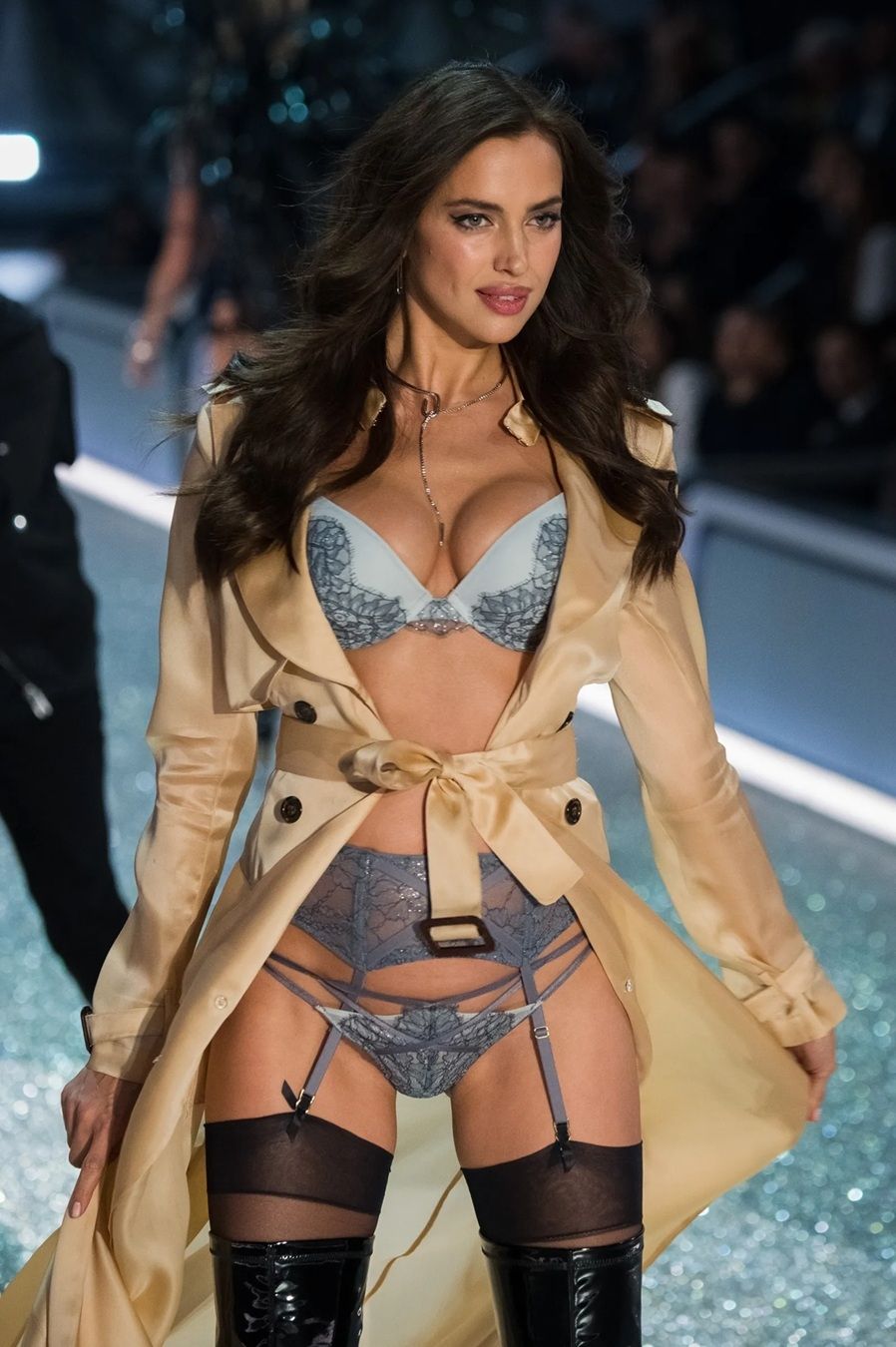
It wasn't until 2001, when actress Jennifer Aniston appeared with a fake baby bump on Friends. Her character, Rachel Green, wore a red tank top that showed off her bump and quickly set the tone for the 2000s. In 2003, actress Kate Hudson graced the Venice Film Festival in a custom Chanel outfit that fully displayed her baby bump. It was a sheer, lilac halter top and maxi skirt adorned with feathers and crystals. The daring look reappeared in subsequent years, as seen when actress Denise Richards posed with her then-husband, Charlie Sheen, wearing a shiny tank top that showed off her baby bump. Similarly, model Katie Price attended the UK premiere of House of Wax in 2005 wearing a pastel pink ruffled crop top, low-rise jeans, a sparkling hot pink belt, and displayed her baby bump as the perfect accessory. Other maternity fashion trends of the 2000s included empire waist baby doll dresses, as seen on Sarah Jessica Parker; flowing gowns, as sported by actresses Angelina Jolie and Nicole Kidman; and maxi skirts and tank tops, as modeled by Liv Tyler and Kate Moss. In 2010, baby bumps made their way onto the runway. Model Miranda Kerr famously walked in the Balenciaga Spring/Summer 2011 show while six months pregnant. Then, in 2016, Victoria's Secret Angel Irina Shayk walked in the show while in the early stages of pregnancy. Baby bumps kept popping up on the red carpet, as seen on Anne Hathaway, Cardi B, Blake Lively, Ashley Graham, and Eva Longoria. However, they were still commonly hidden under gowns. In 2020, model Emily Ratajkowski took to the streets of New York, showing off her baby bump. She wore an unbuttoned button-up shirt, baggy jeans, and a camel-colored coat. Her pregnant street style made as many waves in fashion as her regular style does.
Rihanna: the revolution in maternity fashion
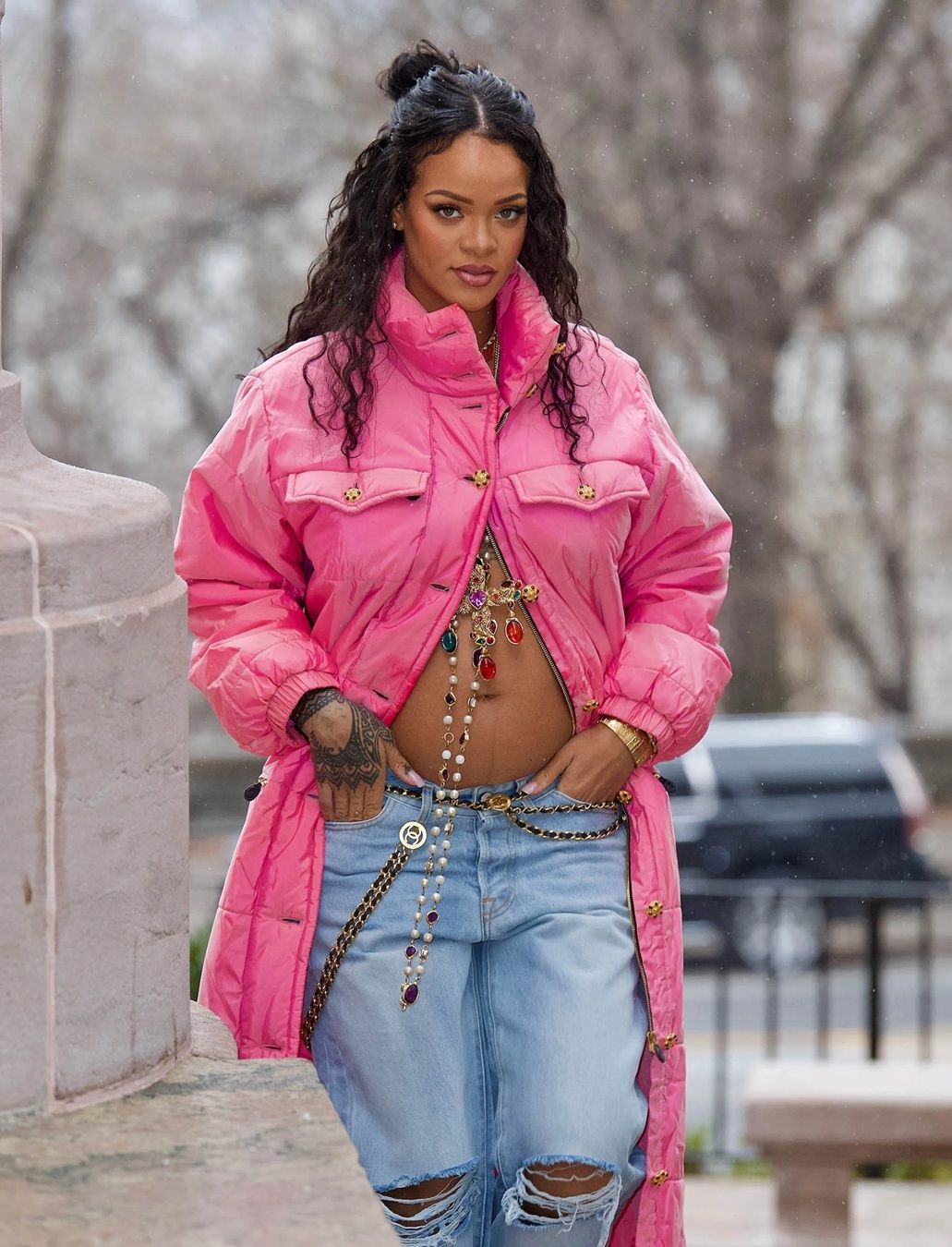
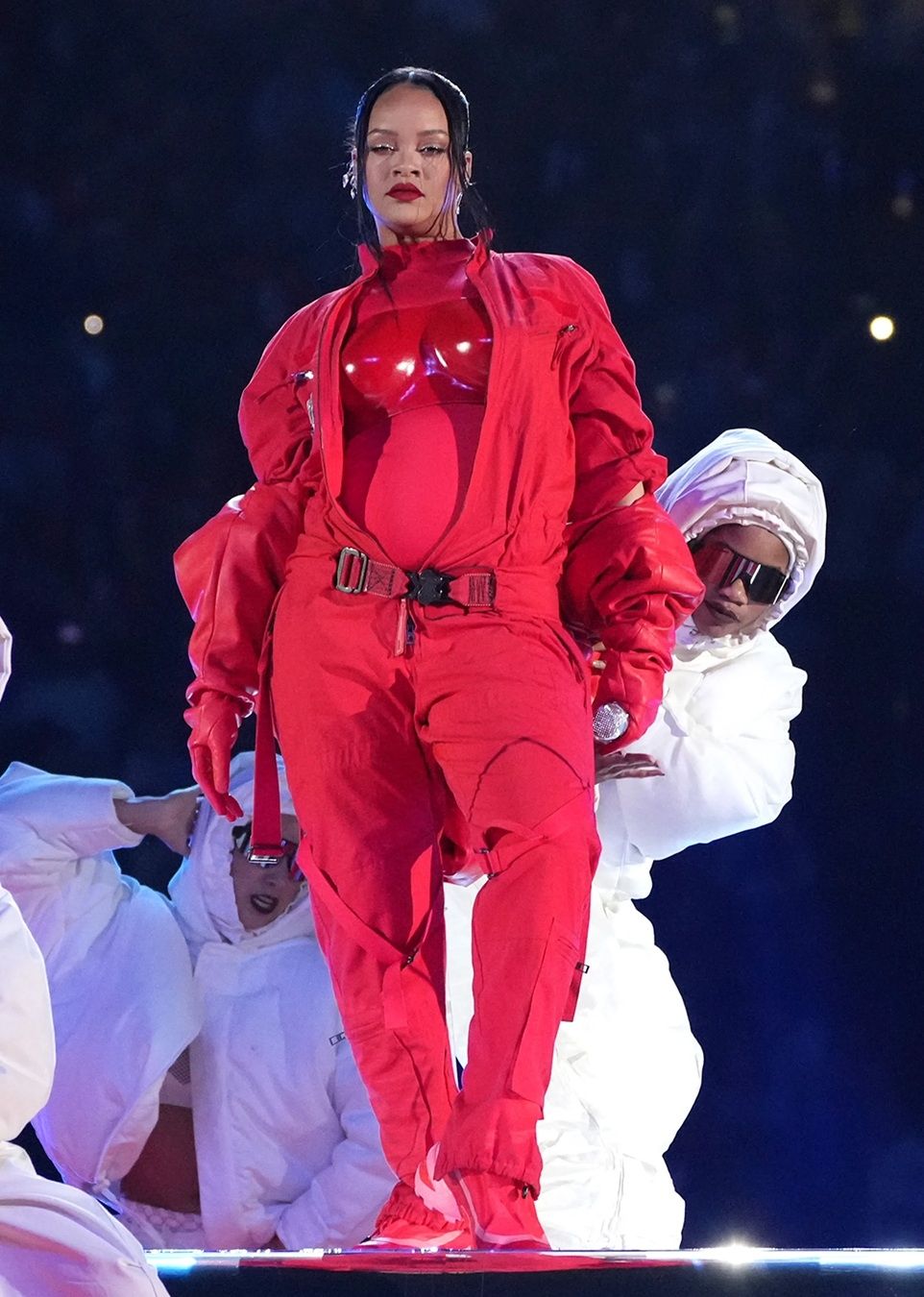
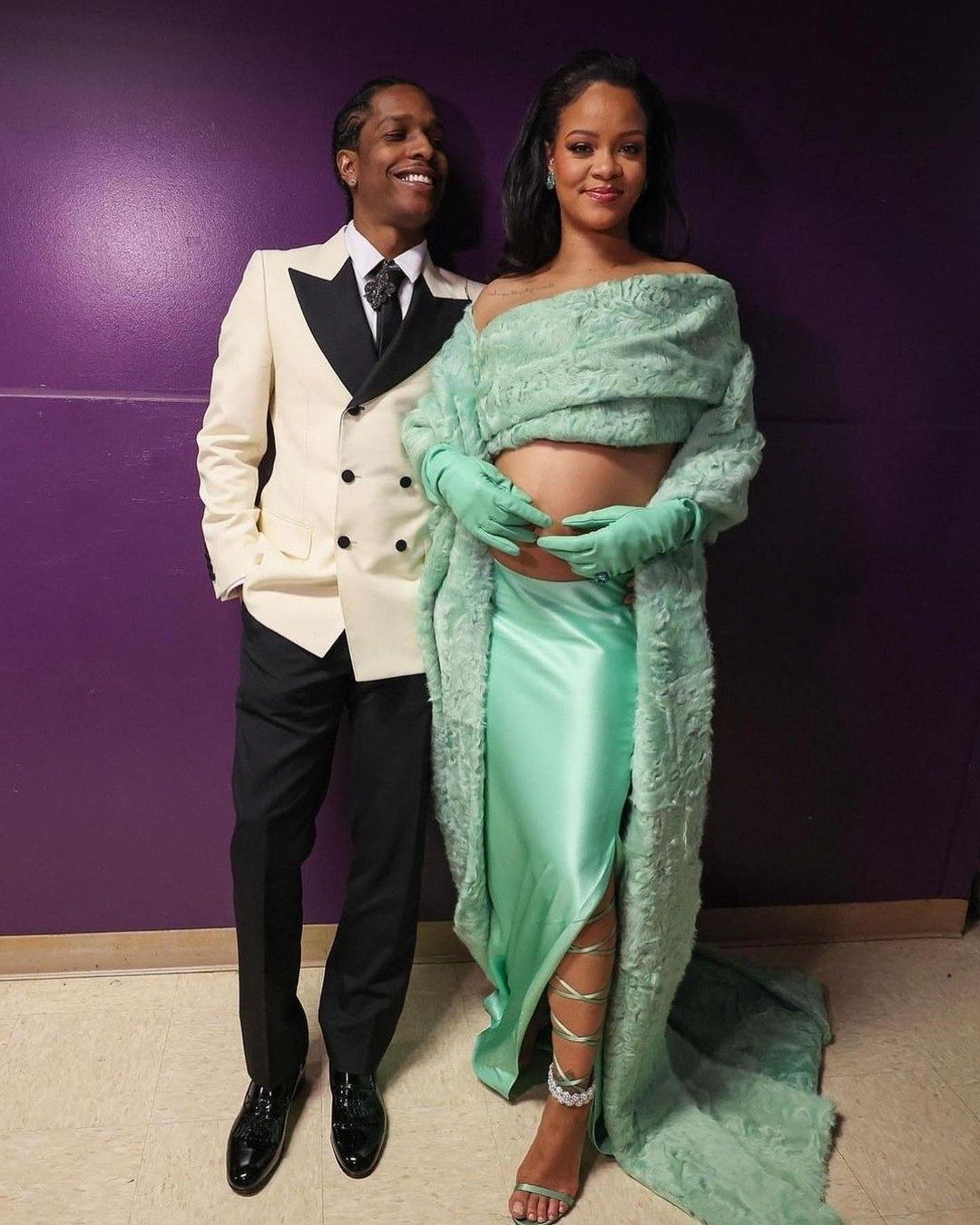
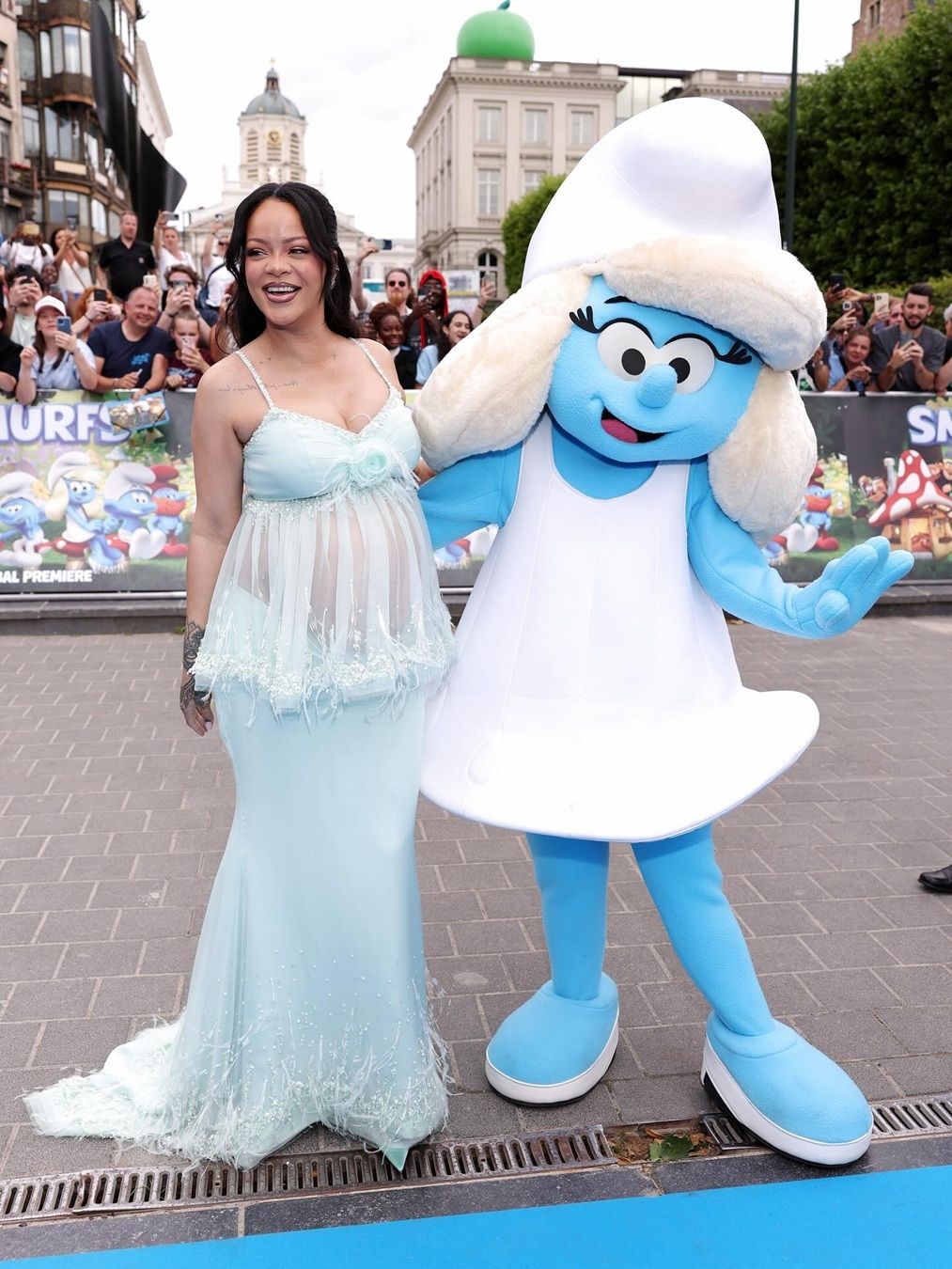
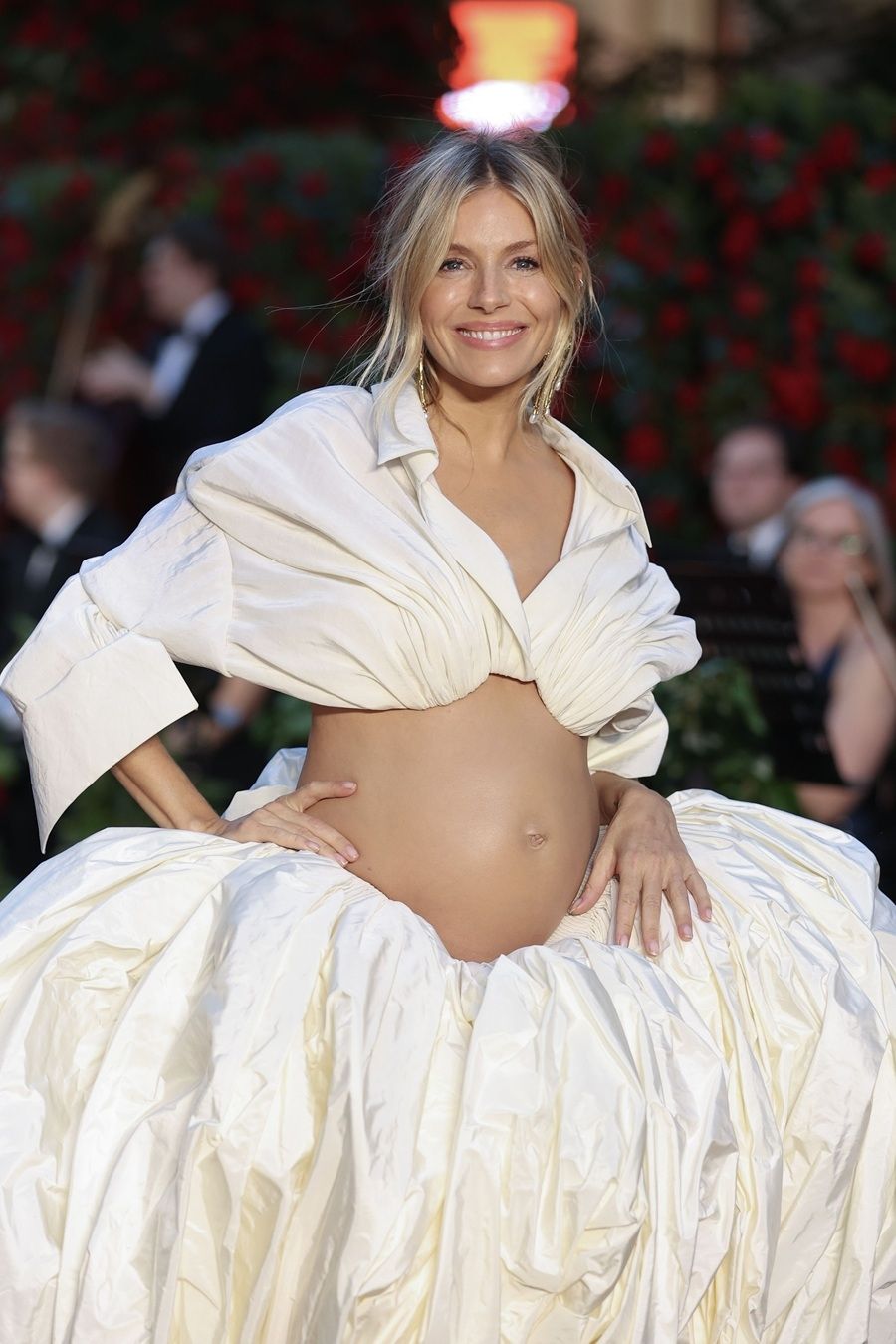
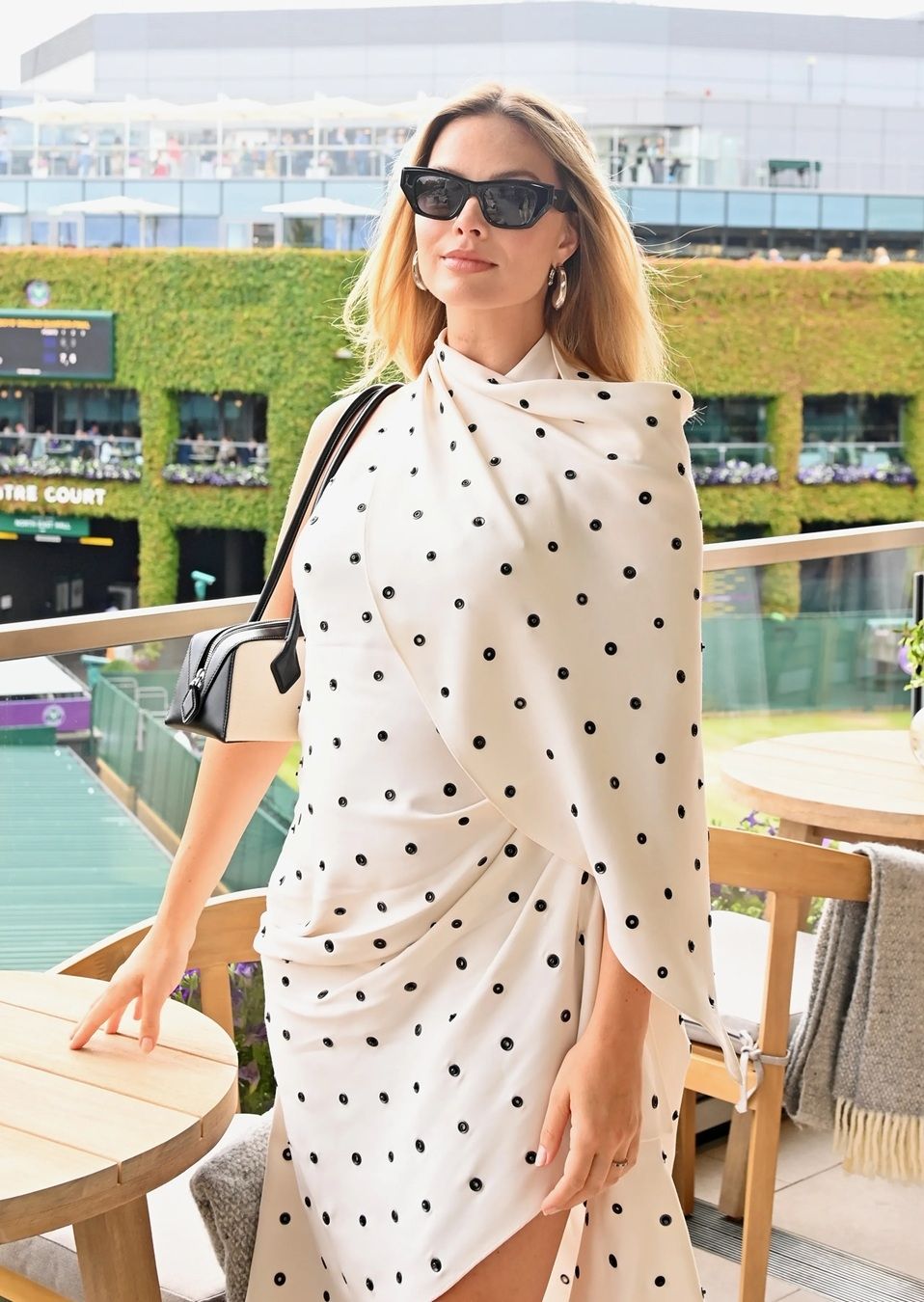
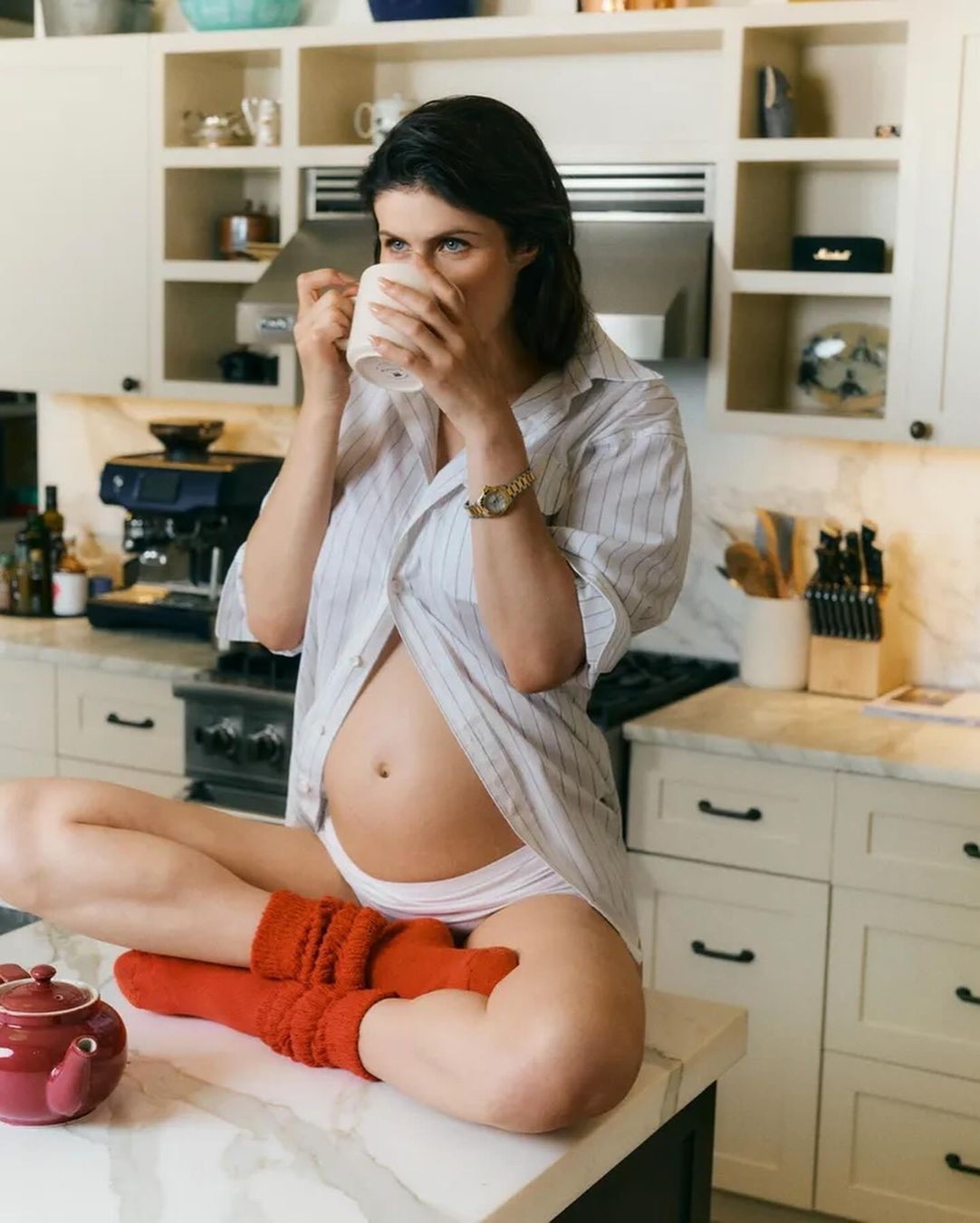
Then came Rihanna, who, since 2022, has redefined maternity fashion. From her first pregnancy announcement in jeans and an open pink puffer coat while walking with her beau, A$AP Rocky, in New York, to her second announcement during her Super Bowl LVII halftime performance in February 2023, where she wore an all-red ensemble including a Loewe jumpsuit, a sculpted breastplate, and a custom Alaïa puffer coat, the beauty mogul has been dubbed the queen of maternity style. Aside from her bold and funky pregnant street style, Rihanna ensures her red carpet looks are playful as well. Take, for instance, her aqua green silk skirt and shawl at the 2023 Oscars or her sheer Chanel ensemble at the Smurfs premiere in Brussels this year. Other stars like Margot Robbie, Adriana Lima, Alexandra Daddario, Sienna Miller, and Gisele Bündchen continued to set the sartorial tone for all moms-to-be, proudly showing off their baby bumps and sporting stylish looks. Now, in 2025, pregnant fashion is no longer a symbol of restraint and shame. Instead, it embodies autonomy and confidence. Ultimately, not only are bumps celebrated, but they are also styled flawlessly.
