











































It's the year of Cloudglow Skin All the secrets to obtain a radiant skin, but not excessive
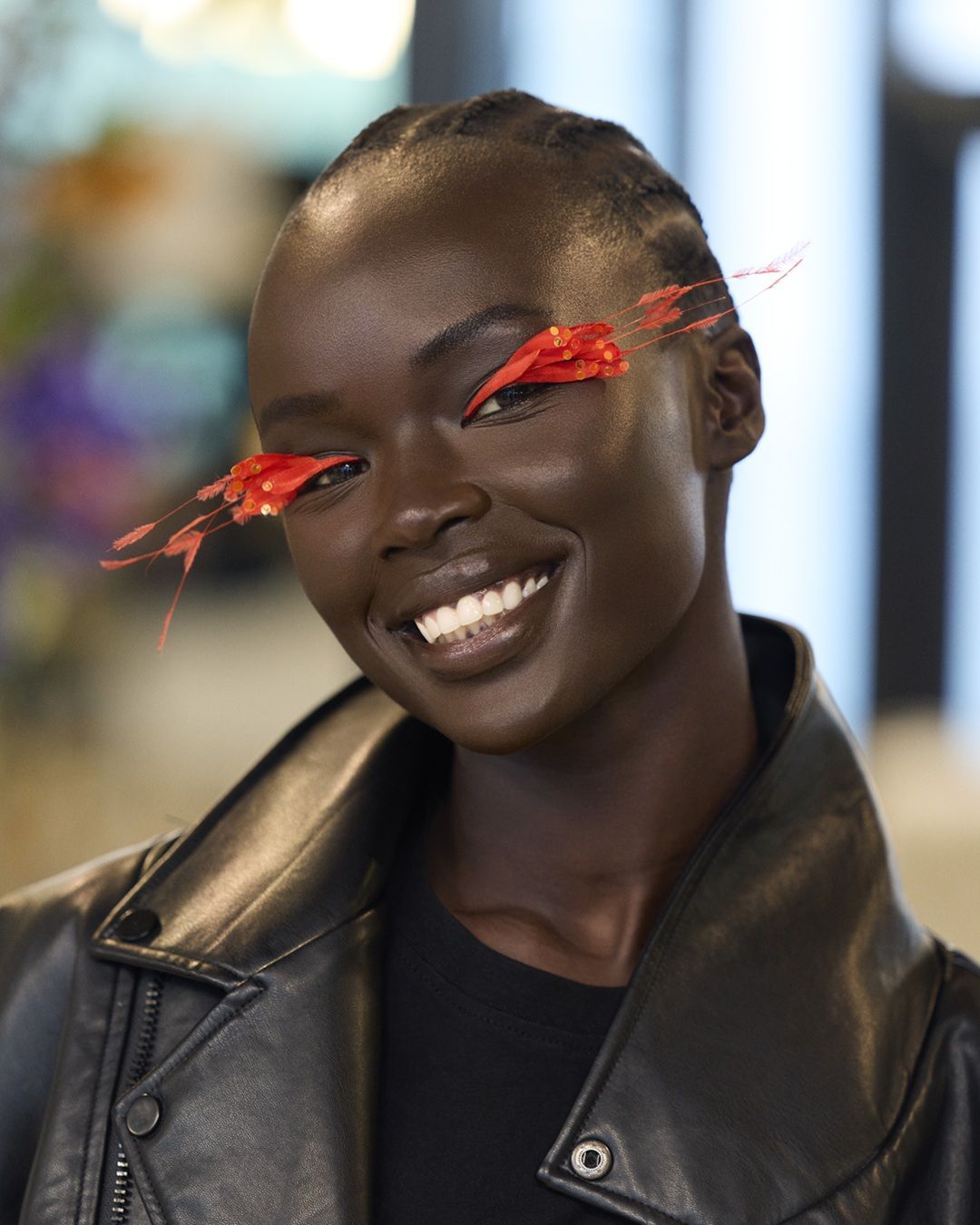
Even if you’re not a huge fan of the Academy Awards, you’ve probably seen at least a few photos of the looks all over social media. But instead of focusing on the outfits, try a mental zoom on the makeup: do you notice anything? They all have incredibly flawless complexions: even, lightweight, and perfectly balanced. Just look at Jessie Buckley, Gracie Abrams, and Emma Stone, and the work of makeup artists Nina Park and Emily Cheng: the glow is there, but it’s elegant, controlled, almost imperceptible. Definitely not overly shiny. And it’s no coincidence. Both MUAs, who are of Asian descent, are simply bringing to a global red carpet what has long been a standard in Korea. It’s called cloudglow skin, and it’s essentially the elevated version of glass skin. Less wet, glass-like shine, more of a glow that seems to come from within. Here’s how to get it.
This is the year of Cloudglow Skin
What is Cloudglow Skin?
To really understand cloudglow skin, it helps to compare it to the well-known glass skin. The main difference lies in how luminosity is managed: cloudglow creates a diffused, even glow with no overly shiny spots, while glass skin focuses on a more obvious surface shine with direct reflections. Texture is also approached differently. With cloudglow, it’s not erased but softly refined, creating a subtle blurred effect where pores remain visible but less noticeable thanks to targeted skincare. The result is skin that looks more natural and balanced, and doesn’t need direct lighting to work: it appears even under both artificial and natural light, without creating overly glossy areas.
How to achieve Cloudglow Skin
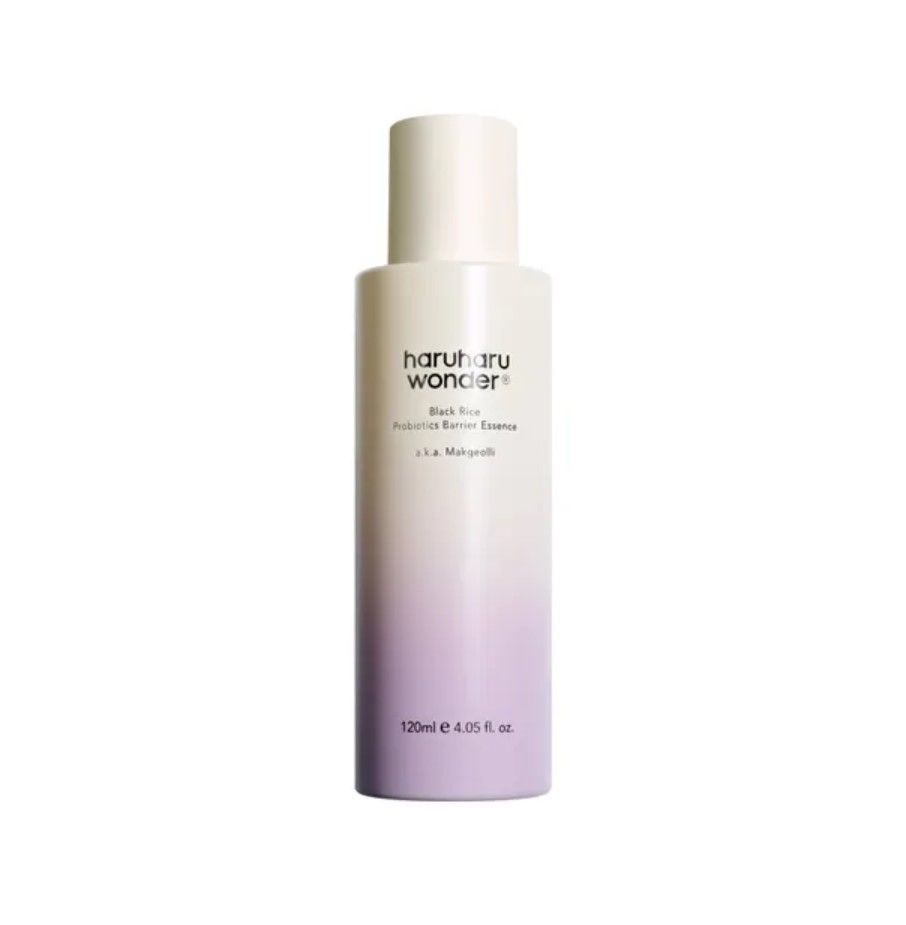
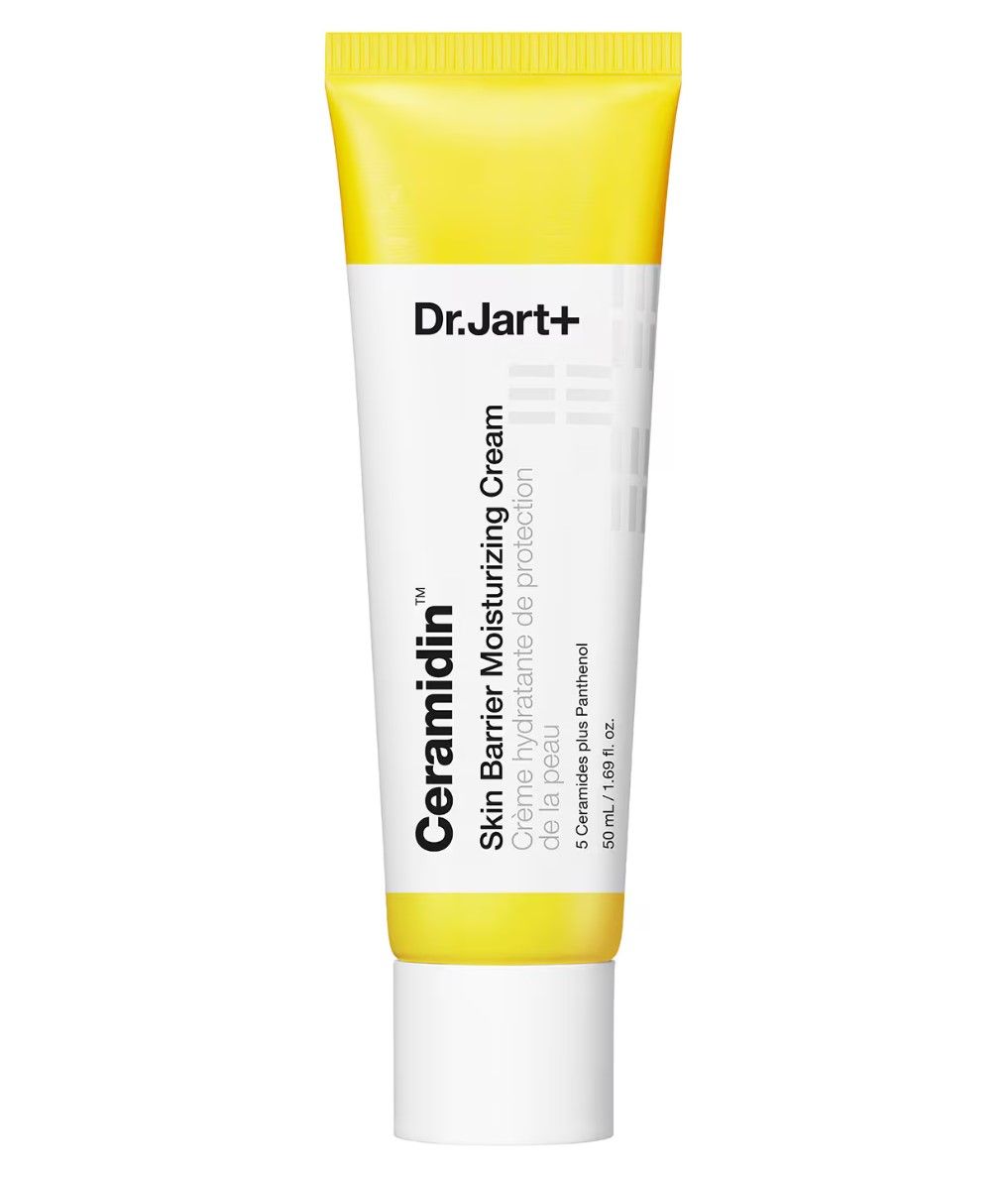
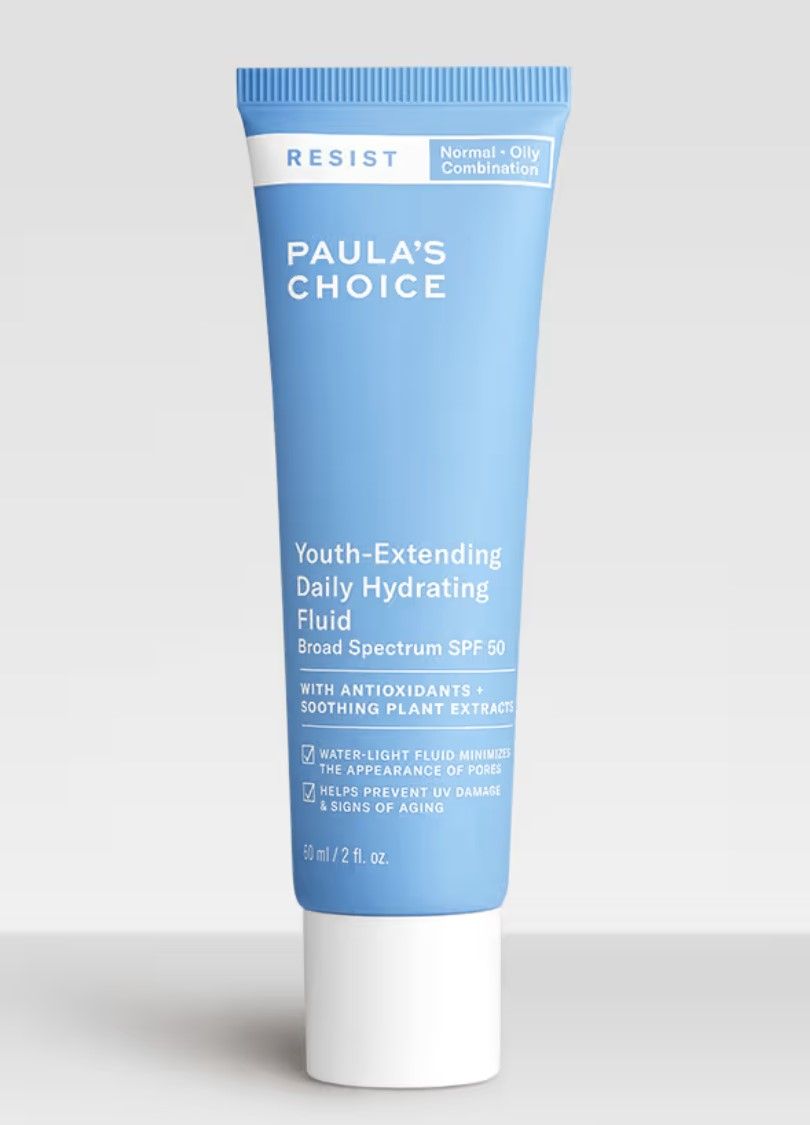
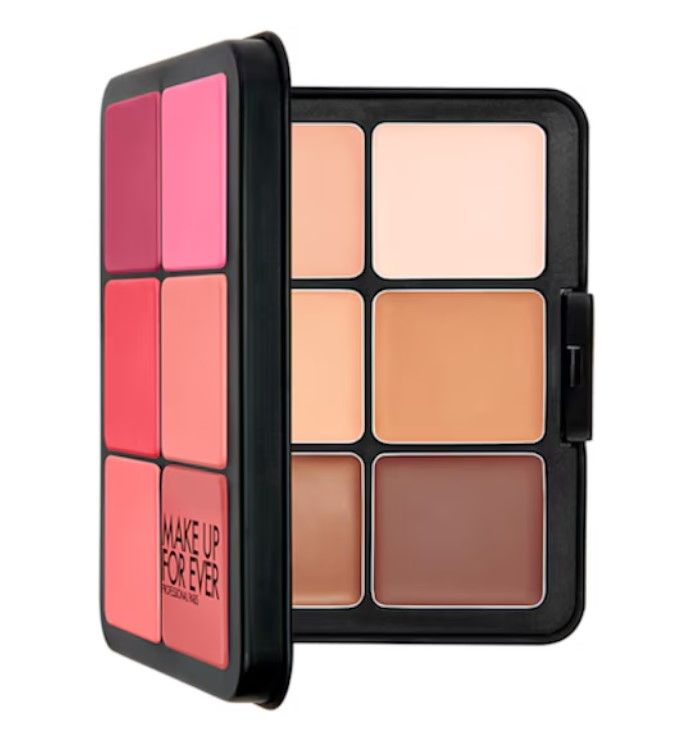
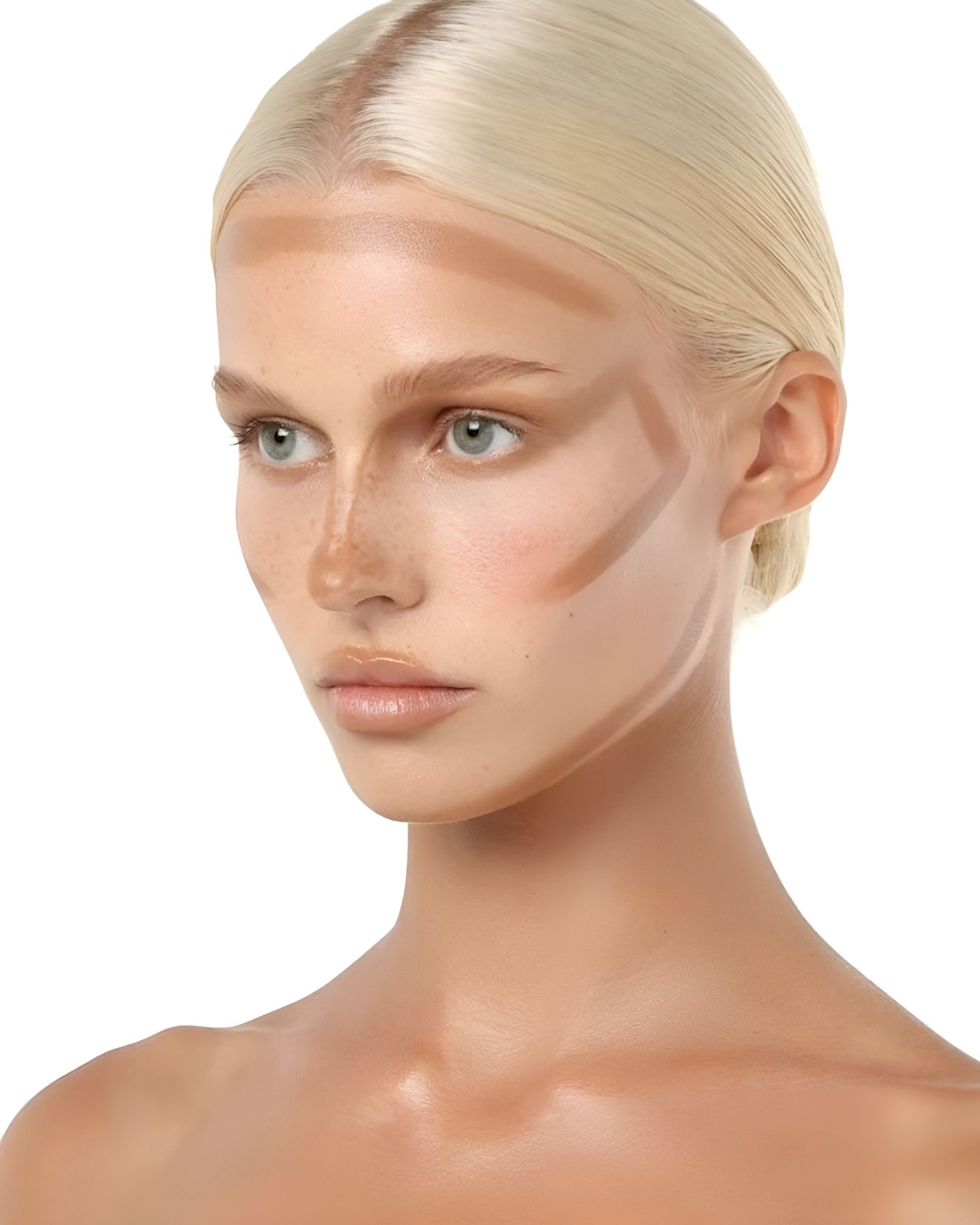
Achieving true cloudglow skin is more about a well-structured skincare routine than “good makeup.” The goal isn’t to add glow with makeup, but to create the conditions for skin to naturally appear luminous. Start with an essence or a lightweight serum, ideally with actives like niacinamide or fermented ingredients, which help improve evenness and radiance. Follow with a moisturizer that strengthens the skin barrier, using ingredients like ceramides or panthenol, and of course, SPF. Only then do you move on to makeup. To truly achieve the cloudglow effect, you need to change your approach: no heavy layering, but targeted application. The idea is to stop building the base in blocks and start thinking in zones, using only what you need, where you need it. Begin with products like cream blush and contour, applied directly onto the skin. Only afterward apply foundation, in minimal amounts and only where necessary to even out the complexion, avoiding areas where other products are already applied. This way, the skin’s texture remains visible and the base looks lighter, with a “your skin, but better” effect.
Is this a final goodbye to glass skin?
Yes, it might be time to say goodbye. Glass skin is starting to lose momentum, it feels overdone. In Korea, people openly talk about “wet look fatigue”: a collective saturation with skin that looks too constructed and overly shiny to feel real in everyday life. There’s also a practical side: cloudglow skin is simply more wearable. It works indoors, in daylight, and in normal settings where no one is lighting you with a ring light. Glass skin, on the other hand, is more of a look you can pull off for a night out, but it’s hard to maintain in daily life without it slipping away or making you look excessively shiny.
