
































“Be nice to my boyfriend,” the new trend fighting toxic masculinity The revenge of the “soft boyfriends”?
These days on TikTok, girlfriends all over the world are carving out little corners of their personal accounts to showcase their boyfriends' hobbies. It’s an ironic trend, but one that carries an important message: men, too, can have creative and lighthearted hobbies without having to compromise their masculinity.
"My boyfriend wants to show you his plants and you better say they’re amazing." That’s how the video by creator @yearningyardies starts — and within hours it racked up nearly 10 million likes. Her partner, proud and smiling, shows off his rosemary, English thyme (used in his cooking), and other homegrown herbs. "I love soft boys, they’re not afraid of alpha male stereotypes," someone writes in the comments. But why are we so surprised to see a man doing gardening? Like a chain reaction, countless boyfriends followed by sharing their passions, from pottery to sewing to Pokémon card collecting, melting the hearts of thousands of users. Which makes us wonder: would the reaction be the same if roles were reversed?
Between gender stereotypes and social stigma: TikTok’s latest trend is a win for soft boyfriends
According to a recent sociological study: “Toxic masculinity or unhealthy masculinity is a social norm describing how men should behave according to traditional masculine standards of the local culture, and it can impact men’s mental health by discouraging emotional expression.” (Beyer, 2024; Darvin, Gray, Baker, Wells, & Holden, 2024; Qiao, 2024). The term was coined by psychologist Shepherd Bliss in 1990. He explains: “Toxic masculinity is used to distinguish between positive and negative male traits, and in his research, the negative side often harms men’s lives.” (Nadira, caDanadharta, & Ayoda, 2024). This creates a number of cultural prejudices. One deep-rooted example is: "Men don’t cry,” since crying is seen as a feminine trait associated with kindness, care, and maternal instincts. Another example: "Men shouldn't be in the kitchen." (Arvan, 2024; Poucke, 2024; Twine, 2024). Today, we’re seeing more guys take interest in hobbies that have long been considered feminine, like makeup or design, but it’s still a challenge. Why? Because toxic masculinity and deep cultural stereotypes still cause many, men and women alike, to label these activities as "unmanly," ridiculing those who embrace them with freedom and confidence.
The kind of trends we want to see on social media
From Tom Holland to Jeremy Allen White to Harry Styles, the image of the gentleman not afraid to carry his girlfriend’s handbag or hold a colorful bouquet is taking center stage in pop culture. The journey to deconstructing the alpha male is underway (finally), and shows like Maschi Veri are proof. Social media is playing a huge role in this shift, offering alternative archetypes and role models. A guy smiling with his girlfriend as he proudly shows off his handmade ceramic pot can help normalize these hobbies, proving that creativity and gentleness aren't at odds with masculinity. The fact that these videos get such high views and likes is a promising sign for destigmatization. Widespread sharing and positive feedback turn these hobbies into points of pride and community connection, instead of shame. Without preaching, these videos quietly educate viewers on what it means to be a man in the 21st century. That said, social media’s impact isn’t always so positive: while it can showcase healthier examples of masculinity, it also tends to amplify toxic norms as shown by research on algorithms that boost misogynistic content or troubling phenomena like the rise of Incel culture.
This TikTok trend asking us to be kind to soft boyfriends is a clear example of how gender norms can be challenged and redefined through individual expression and media visibility, offering a powerful counter-narrative to toxic masculinity. But let’s be real: there’s still a long way to go, and that’s why we’re still so surprised by behaviors that, honestly, should be completely normal no matter who’s doing them.
What to read next

Get Ready With Me has never gone out of style
A history of the beauty format that, from YouTube to TikTok, has changed form countless times without ever disappearing
Angelo David understood the game
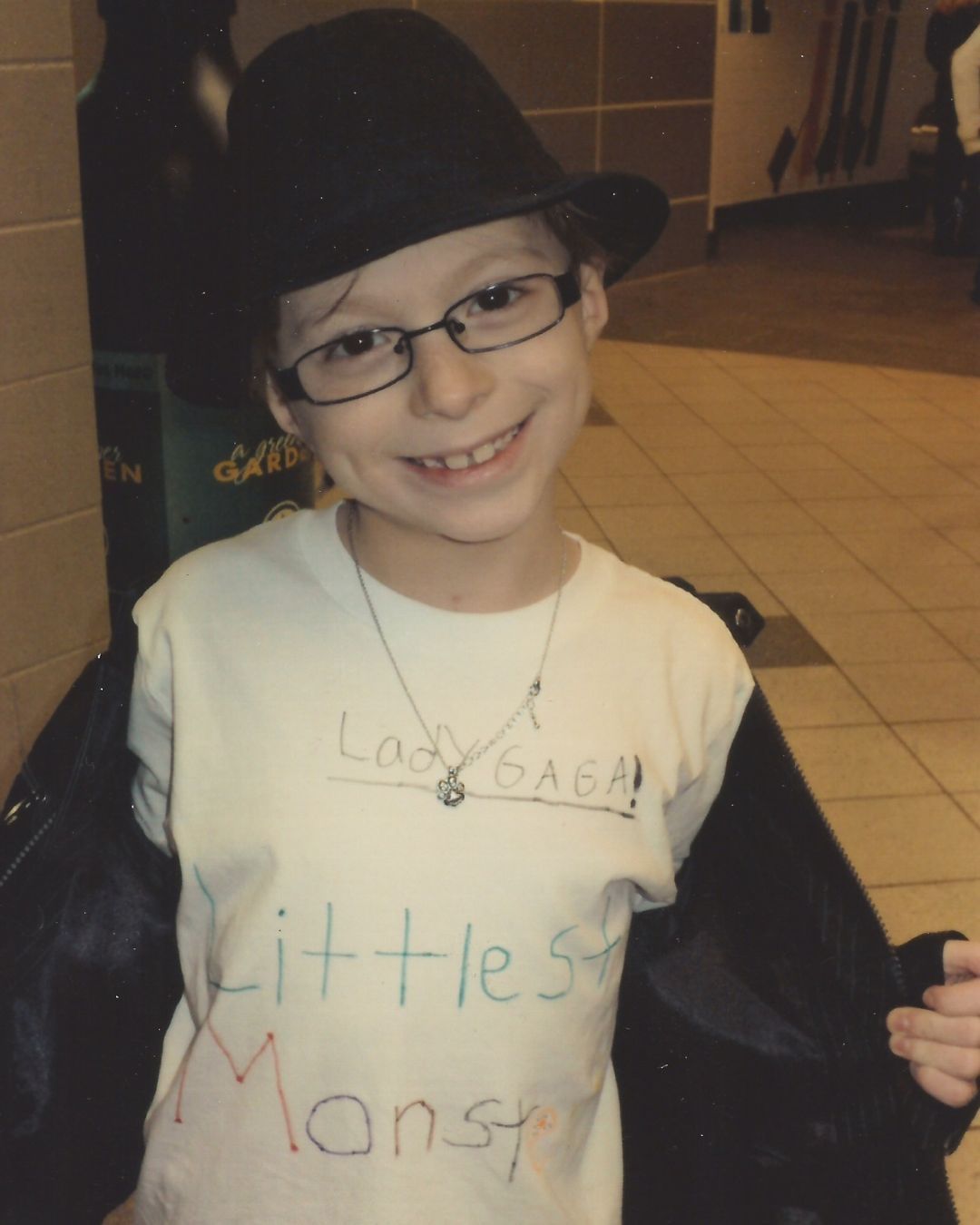
A 24-year-old American became a TikTok star only by sharing hilarious videos from his childhood
Can we stop maximizing everything?
The obsession with -maxxing has gotten out of hand: perhaps we should rediscover the pleasure of doing things halfway