



















As we were: Instagram 15 years later From frames to reels: this is how the app that has most impacted our relationship with social media has evolved
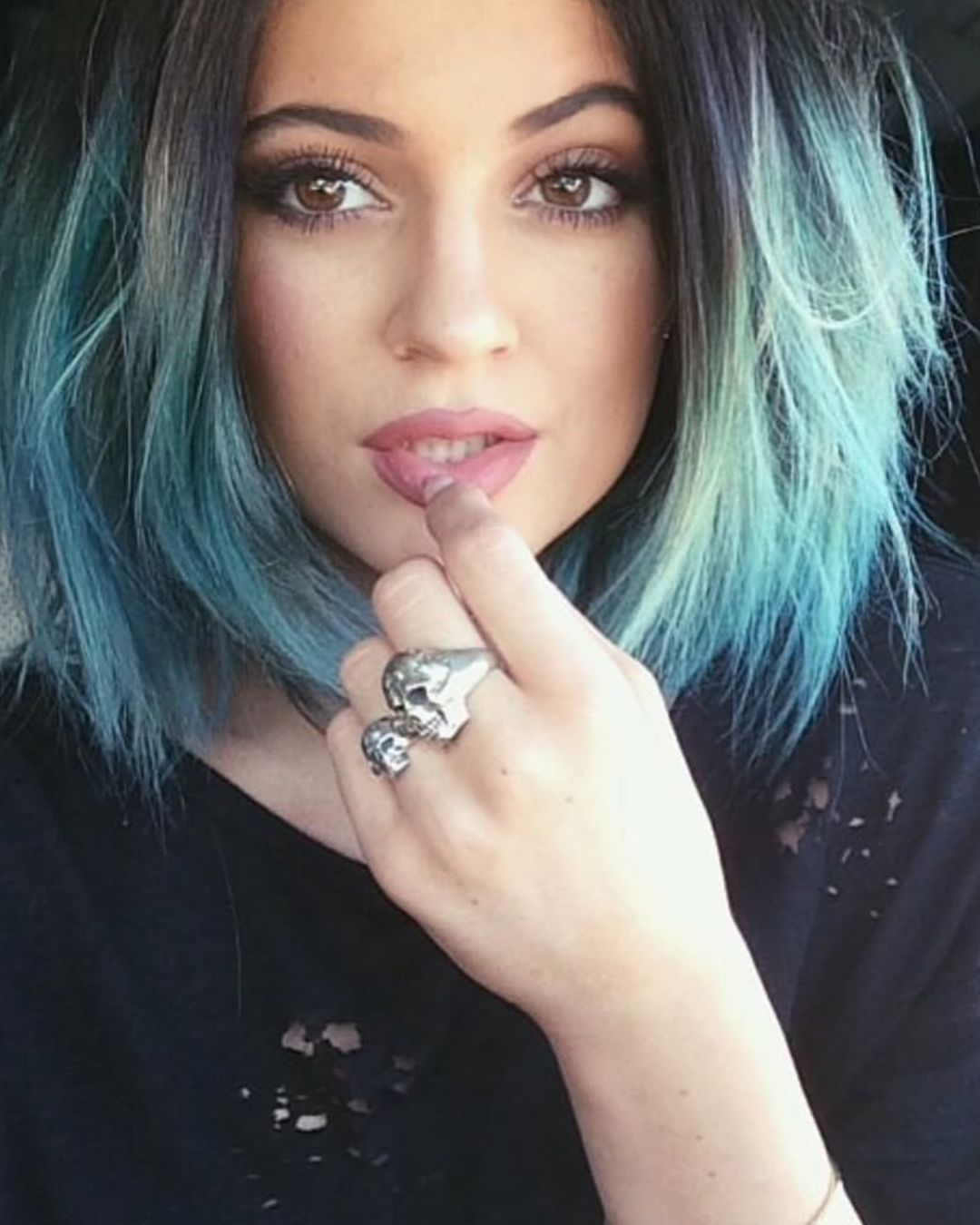
The kiss from Kim Kardashian, the fireplace of Kylie Jenner, the shirtless selfie of David Beckham. If there’s anything democratic in this world, it’s the utter banality of everyone’s very first Instagram post. Whether you’re a celeb or just a regular person. Scrolling back through your feed today can feel oddly mystical and surreal. It’s a trip through a virtual photo album where many of us have piled up memories from the past fifteen years, years often spent (painfully) transitioning from adolescence to adulthood. We poured thoughts and images into Instagram, travel stories, New Year’s resolutions, birthdays, and holiday celebrations. For some, it’s still a space to store memories; for others, it’s become a full-time job. For all of us, it’s a source of daily distraction, entertainment, and sometimes alienation. As trend expert Sean Monahan writes in his newsletter, Instagram is likely the platform that has most shaped the internet experience of millennials: "You didn’t need a clever username. You didn’t need to be funny. You just needed your face." And that’s how it all began.
The birth of Instagram, in 2010
It was October 6, 2010 when two young developers from San Francisco, Kevin Systrom and Mike Krieger, launched Instagram: an app born from streamlining a previous project called Burbn, which combined check-ins, geolocation, and photo sharing. They quickly realized that users were way more interested in the photo feature than anything else. So they stripped away the extras and focused purely on sharing images with preset filters, making it easier for anyone to create eye-catching content (though looking back, you might disagree). Within 24 hours of launching on iOS, Instagram was downloaded by 25,000 users; after two months, they had a million. Its Android debut in 2012 brought another spike, one million downloads in a single day. A few days later came the game changer: Facebook (now Meta) acquired Instagram for $1 billion, recognizing its huge cultural and commercial potential. From that point on, the world of social networking - and of fashion, beauty, and lifestyle - would never be the same again.
The eras of Instagram: from photos to performance
No doubt, Instagram has changed a lot over the years. It started off with square photos, filters, and frames. Then came the obsession with white borders and matching palettes. Soon after, video content took over, with Stories first, and then Reels. The app evolved along with the world around it: not just in content types, but in the style and preferences of its users. Sean Monahan has outlined six distinct eras that capture some of Instagram’s most defining shifts. The first, roughly between 2010 and 2012, is what he calls the photo era. It was all about spontaneity. People snapped everything from sunsets to breakfast bowls without worrying too much about aesthetics or captions. Then came the wave of memes and viral content, around 2013–2015. Themed accounts emerged, becoming spaces for community and new cultural expression, humor started trending. Around 2016 came the performance era (or Clout Era): users began curating their profiles like personal brands; follower counts, likes, and sponsorships became metrics of success, and Instagram morphed into a full-blown status symbol. Influencers were born, and brands flocked to the app.
@jessicamalekedit Why Instagram is in its flop era Part 1! #instagram #socialmedia #socialmediastrategy #flopera #instagramtips #contentcreator #contentstrategy original sound - Jessica Malek
Activism, content, and AI: what’s next for Instagram?
At this point, if you’re not on Instagram, you don’t exist. During the pandemic, it also became a hub for digital activism: think infographics, educational carousels, and “infoposts.” The vibe was more muted, the messaging more politically conscious. Even news media started gaining ground on the app. But soon, TikTok entered the chat. That ushered in the content era (2021–2023): Instagram doubled down on reels and micro-entertainment, where content ruled, even at the expense of authenticity. Now, the algorithm is in charge. This brings us to what Monahan calls The Slop Era, aka the age of low-effort content. That can mean lo-fi, unpolished posts (like Gen Z dumps) or just the rise of bland, overproduced sameness. It’s both a cause and a symptom of compulsive, passive scrolling,a habit likely to worsen with the spread of AI. It's a return to disengagement, but this time, it’s exhaustion-fueled. We’ve moved from sharing to performing, from activism to overload. So what’s next for Instagram—and for us on it? Hard to say, but one thing’s certain: we’re still here. Until Zuckerberg do us part.
