





















The politics of pockets in womenswear Who gets to keep their belongings?
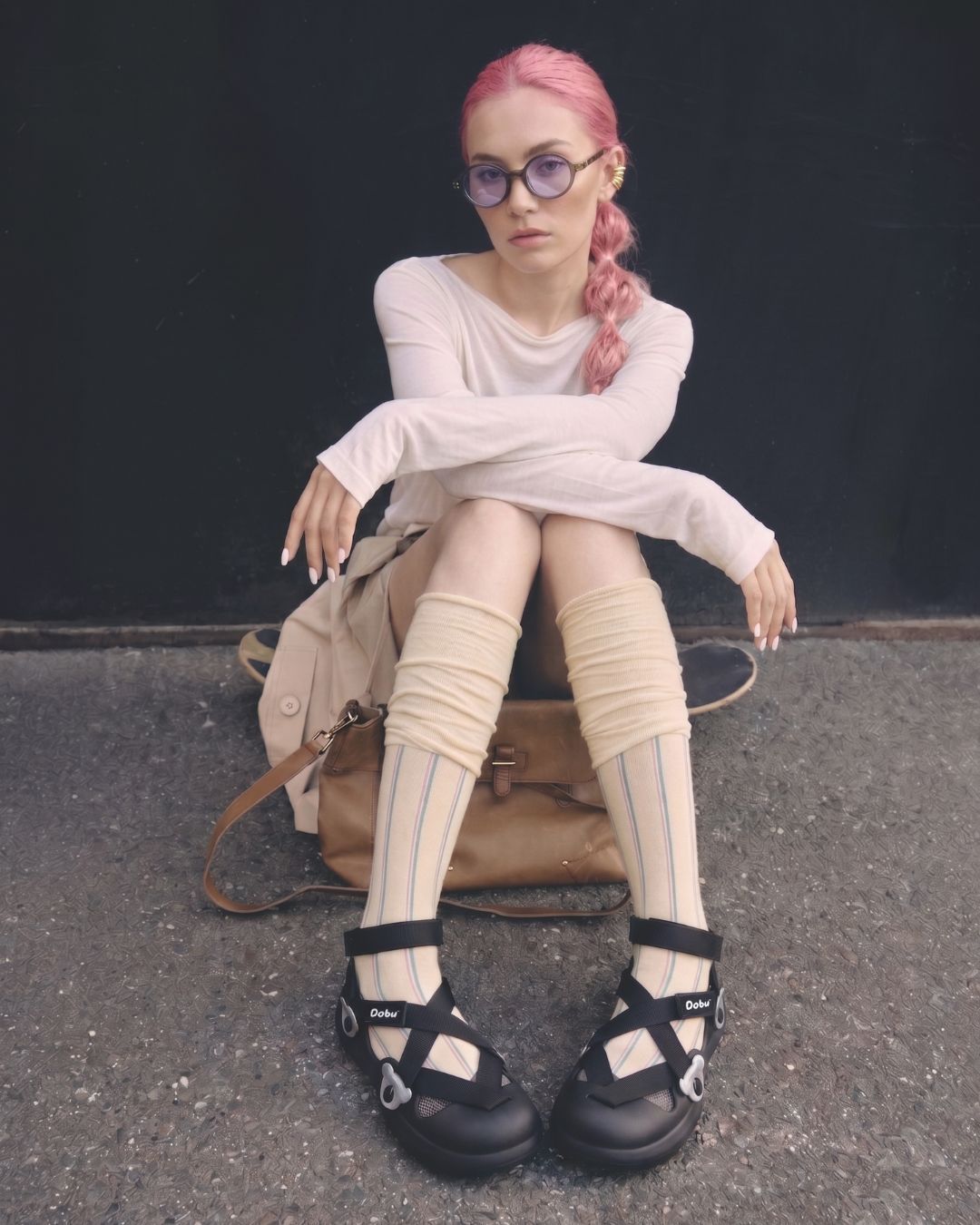
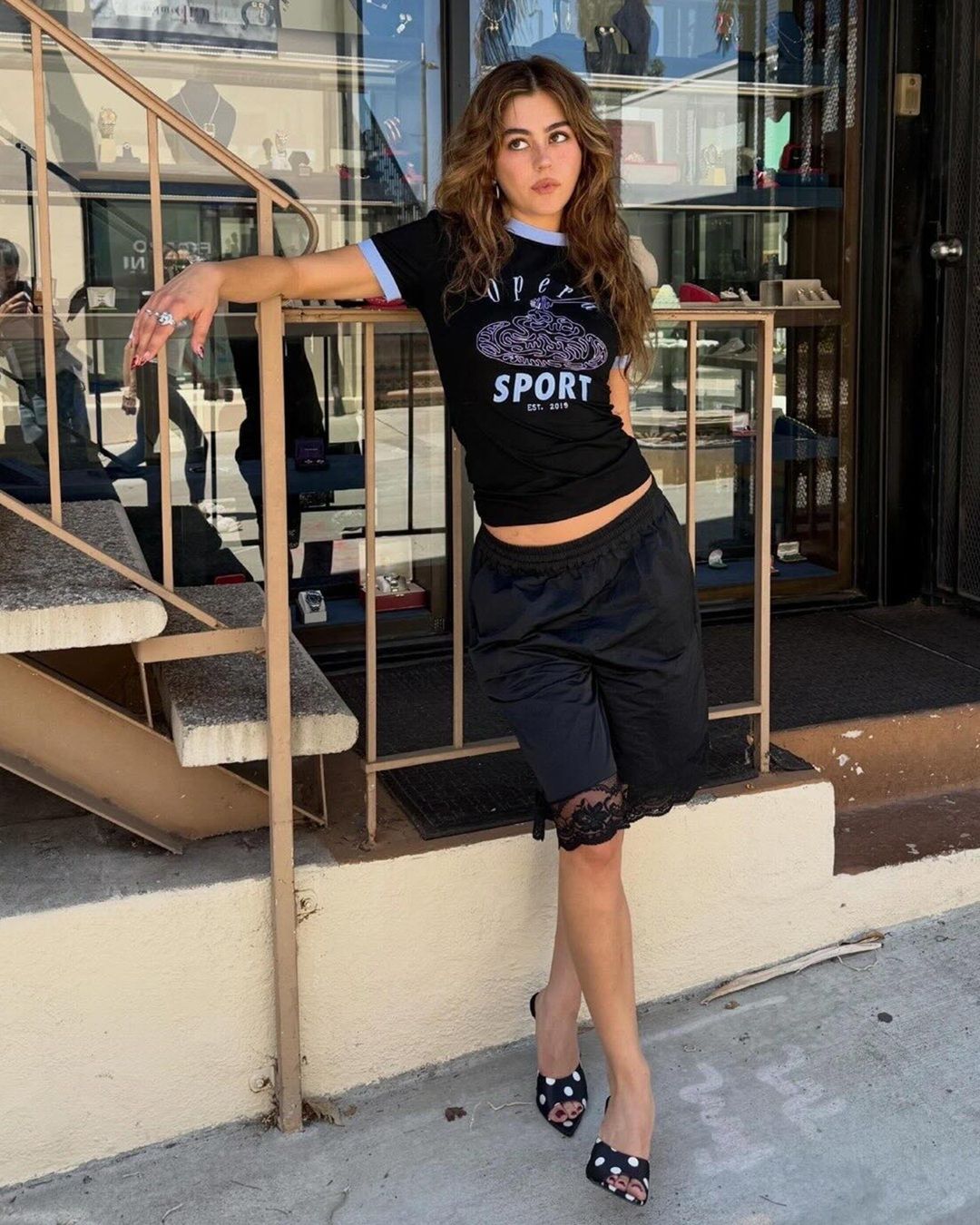
Most of the time, bags are the cherry on top of a well-styled outfit. Think Carrie Bradshaw's legendary sequined purple Fendi baguette, or ultimate French girl icon Jane Birkin's Birkin bag. But let’s be honest, pockets are very convenient. And here’s something you have probably noticed: women's clothing has a severe lack of pockets. And this pattern dates back many centuries.
The origins of pockets in the history of fashion
By the 1500s, men's clothes already featured pockets for practical reasons. But not women, whose clothes were designed for beauty rather than functionality. Instead of sewn-in pockets, women would wear tie-on pockets during the 16th and 17th centuries, tying them around their bodies underneath their skirts. By the late 18th and early 19th, the tie-on pocket lost momentum to the form-fitting silhouettes and bags that dominated the style of those periods.
@tilscience Evolution of the woman’s pocket #fashion #fashionhistory #edutok #todayilearned #historytime #storyteller #fashionweek original sound - Dr. Harini Bhat, PharmD
The 20th century and the pocket revolution
It was only during the early 20th century that things began to change. Aside from demanding equality, the Suffrage movement introduced the Suffragette suit, which featured large pockets as a form of visual rebellion. In the 1910s, French designer Coco Chanel turned the fashion industry upside down by introducing her classic women's suits, which, remarkably, included pockets. It is also worth mentioning that, after the First World War, women adopted their husbands' clothing, which typically had pockets. But by the roaring twenties, a decade captured by glamour and joie de vivre, women's clothing had adopted the flapper look. And although disruptive, the flapper look was more flattering and feminine, gradually abandoning the idea of pockets for women.
Hollywood and the return of femininity in the post-war period
In the early 1930s, however, Old Hollywood films increasingly began dressing their female stars in suits with pockets, sending a clear message. Think Marlene Dietrich wearing a tuxedo and a top hat in Josef von Sternberg’s Morocco or actress Myrna Loy wearing a man's suit and hat for a promotional photograph for The Thin Man. As World War II began in the late 1930s, women once again donned their husbands' clothes, savoring the ease of having easily accessible pockets. Some designers' messages remained clear in the 1940s. The surrealist genius, for instance, Elsa Schiaparelli designed a gold-embroidered dinner jacket with front pockets while Chanel's defense of pockets in womenswear remained strong. In Old Hollywood, too, pockets persisted, as seen in Katherine Hepburn's sleek velvet smoking jacket and pants Woman of the Year. But when Christian Dior debuted his now iconic feminine "New Look" in 1947, without pockets, a not-so-new memo got caught again. The ‘50s maintained a feminine tone, though some Old Hollywood films continued to flip scripts. Consider Grace Kelly’s beige pantsuit in High Society and Tippi Hedren’s green suit with pockets in Hitchcock’s The Birds.
The 1960s and 1970s: between revolution and freedom of style
With the push for social justice and equality that gained momentum in the 1960s, pockets slowly made a comeback in women's fashion, as seen in A-line dresses and stars like Jane Birkin, Diana Ross, and Sharon Tate. On that note, the 1970s saw women embracing menswear with pockets, from Annie Hall to Hillary Clinton. During that decade, pockets also increased in women's clothing, as seen on the likes of Jackie Kennedy Onassis, Bianca Jagger, and Joni Mitchell.
From the 1980s to the 1990s: pockets become fashionable
By the '80s, designers like Chanel, Jean-Louis Scherrer, and Dior had started including pockets in their womenswear collections more regularly. Meanwhile, celebrities like Lady Diana and supermodel Iman were often seen sporting looks that included them. The sleek '90s saw an increase in womenswear runways with pockets. Labels such as Chanel, Yves Saint Laurent, and Prada included pockets in their designs, and celebrities like Janet Jackson and Julia Roberts wore clothes with the functionality. Still, the decade also saw a boom in luxury designer bags, with many labels and public figures prioritizing purses. The noughties were somewhat average. With the rise of ever-polemic low-rise pants, there was no room for pockets. Still, some, from Rihanna to Fergie, wore coats with pockets, challenging the system.
@heygracie_ Why don’t women have pockets??? Turned out to be more disappointing than I thought also guys WHAT AUDIO DO I USE FOR THESE VIDEOS I HAVE NO IDEA #womenshistory #womensfashion #womensfashiontrends #pockets #fashionhistory #beautytrends #beautystandards #equality Sugar On My Tongue - Tyler, The Creator
The 2000s and 2010s: between Juicy Couture and the red carpet
In the 2000s, too, there was a big craze over the velour Juicy Couture tracksuit, with pockets!, seen on Beyoncé, Paris Hilton, and Britney Spears. By the 2010s and 2020s, the scenario had changed completely. Red carpet moments featured celebrities wearing gowns with pockets. Kirsten Dunst, Lucy Liu, Penélope Cruz, Irina Shayk, Dua Lipa, Brie Larson, and Gwyneth Paltrow were among those who wore them.
The present: pockets as a symbol of freedom in women's fashion
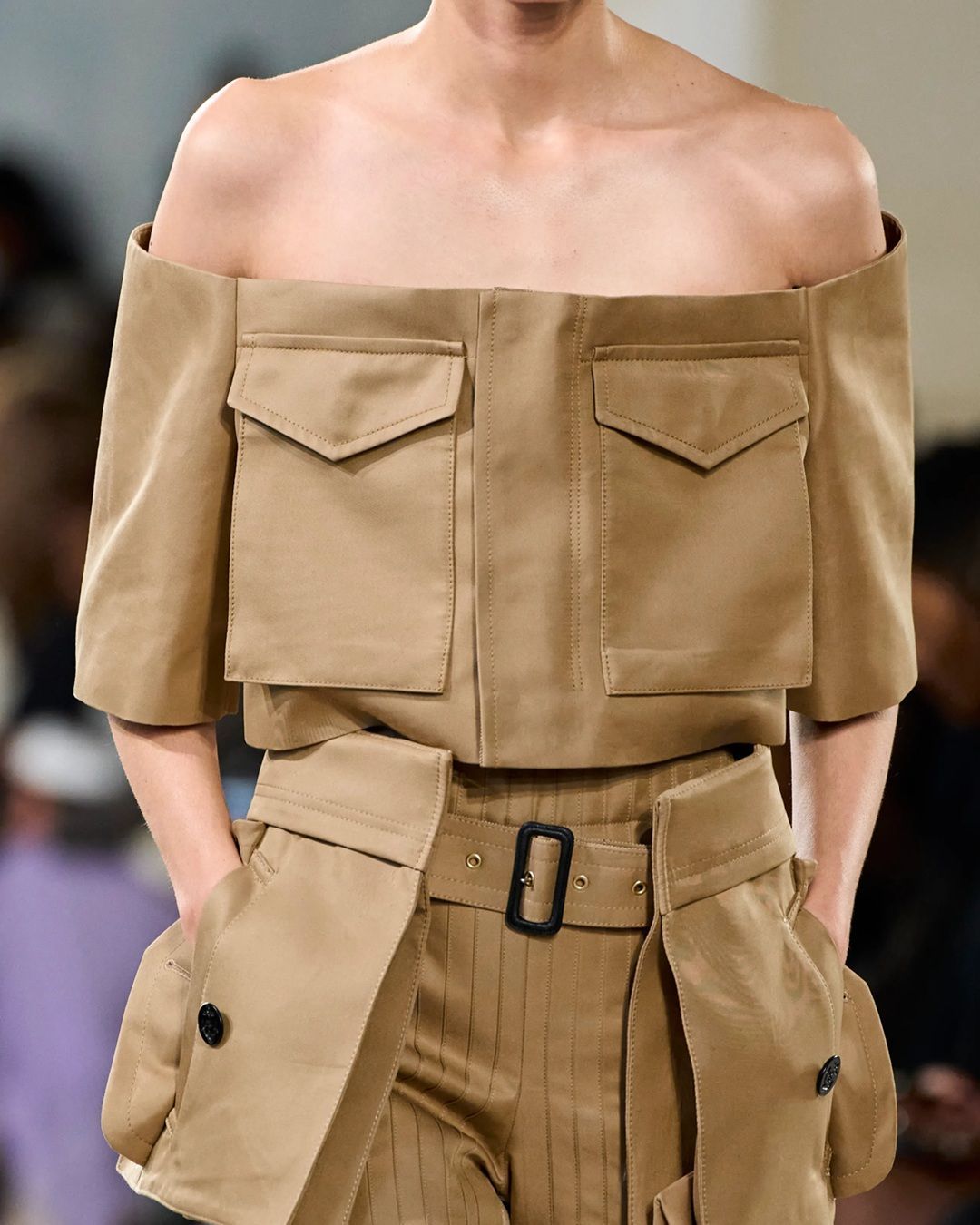
Still, despite advances over time, the fashion industry still lags behind when it comes to women's pockets. Assuming ladies will carry bags, manufacturers see no apparent need to incur the extra expense of adding pockets. But, sometimes a gal just needs that easy spot to tuck away the one thing she can’t leave behind.