






















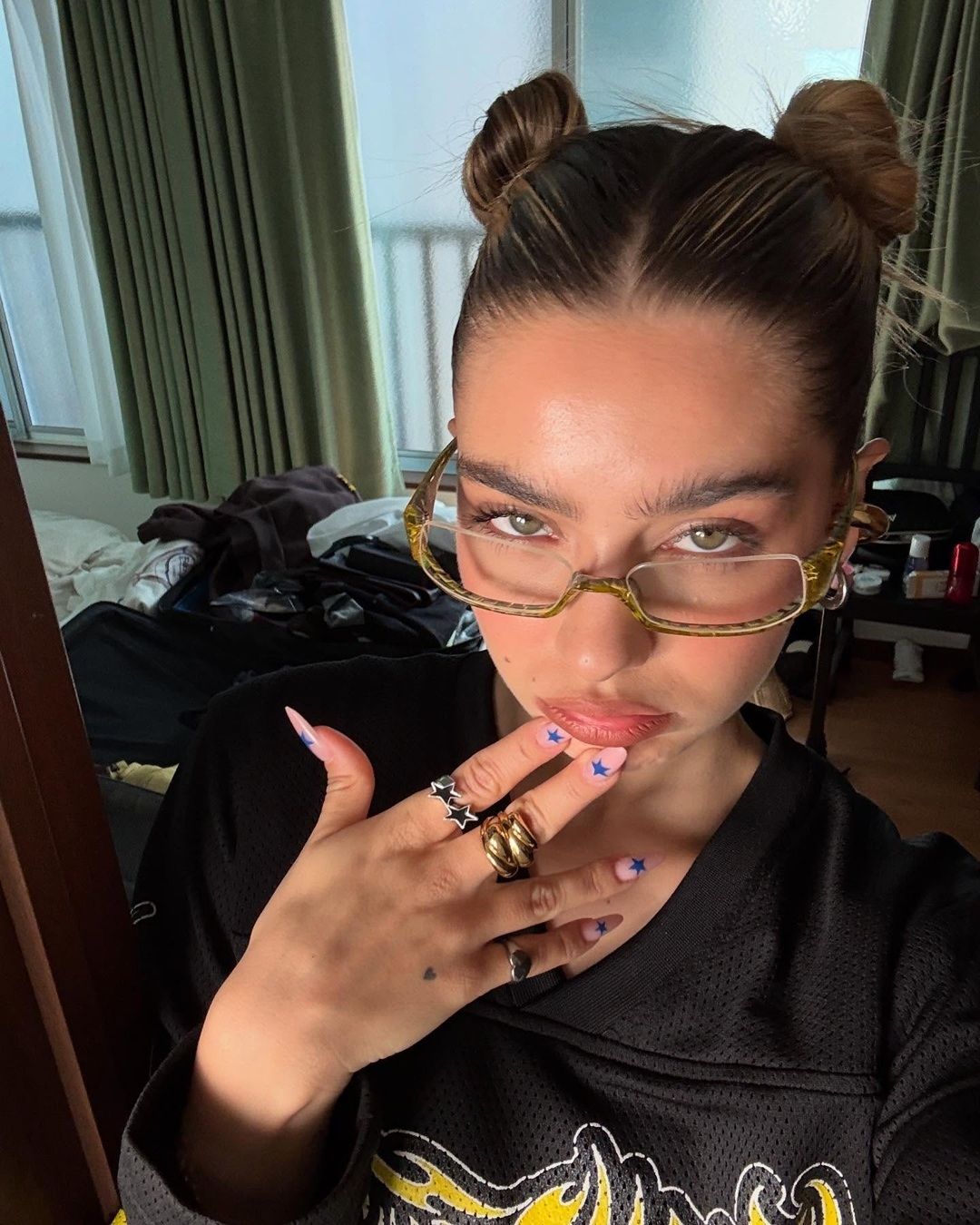
More and more people wear glasses for fashion Just yet another trend or a health issue?
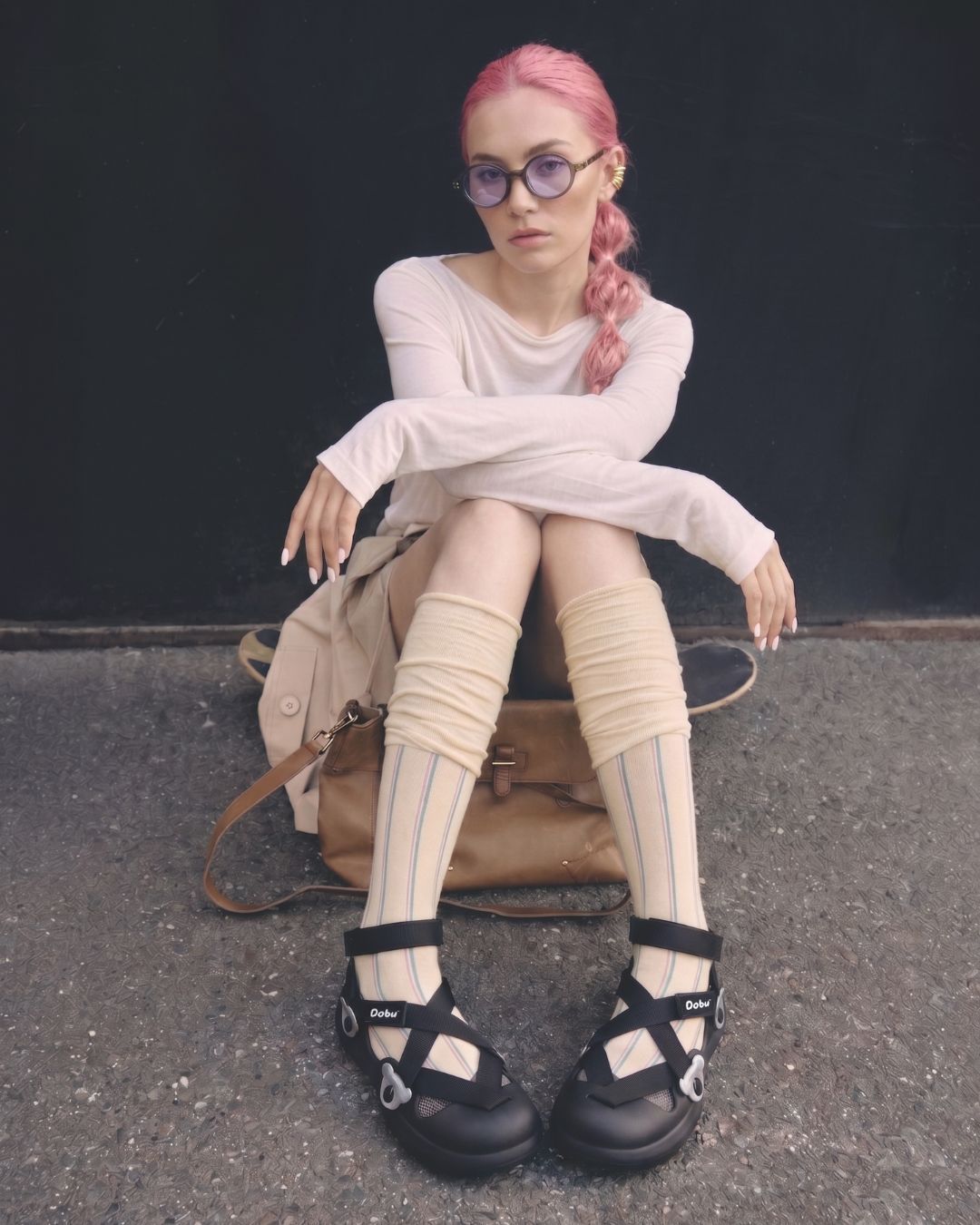
"How bad is your eyesight?", this question is not always answered with numbers by people that wear glasses. Often, people reply with a phrase that has now entered our collective imagination: "They’re not prescription lenses, I wear them for style." Among the top social media trends of 2025, fake glasses have earned a place of honor. One particular eyewear model is winning over the hearts of fashion lovers, to the point where even those with perfect vision are buying them. We're talking about the MIU MIU MU01XV, known for their office siren style frames and branded logo printed directly on the lens.
@99oculos O óculos mais hypado do momento #miumiu #oculos #haileybieber #sabrinacarpenter #billieeilish #vitoriastrada Vogue (Edit) - Madonna
Glasses: from a medical device to style trend
Lewis, in a study related to the UK National Health Service (NHS), analyzed the evolution of eyeglasses from a medical device to a fashion accessory. In the 1930s, glasses were strictly classified as medical devices and worn only by patients. Public perception viewed them as a cause of social embarrassment. By the 1970s, the government recognized the importance of style but maintained a standardized medical prototype for NHS-issued glasses to control costs and demand. Meanwhile, private manufacturers offered fashionable frames for those who could afford them. The real turning point came in 1991, when design magazines declared that “glasses are officially trendy.” A study conducted in 2008 already revealed compelling data: up to 20% of certain brands were being purchased with non-prescription clear lenses. For many consumers, wearing glasses began to shift from being a source of shame to a style aspiration. Today more than ever, from the runway to fashion editorials, non-prescription glasses are a must-have accessory to complete any outfit. But the question remains, is it safe to wear glasses if you don’t need vision correction?
Why glass lenses should be replaced even if you don’t need prescription
"Since most women are wearing these glasses right now, I want to clarify something. Ladies, do not keep the demo filters on the glasses, they are made of plastic, and it's extremely low-quality plastic. So, even if you don't need prescription lenses, you should still remove those demo filters because they can harm your eyes. Instead, get a neutral lens, preferably with anti-reflective coating for extra protection. Also, keeping the ‘Miu Miu’ logo on the lens is like leaving the tag on your clothes,” said Dr. Elena Rossi, optician and orthoptist, in a video on TikTok. But is it always harmful to wear glasses without changing the lenses at purchase? The answer is: it depends, let’s explore why by understanding the types of lenses available.
@dott.ssa.elena.rossi Vediamo se questa volta Tik Tok lo mostra... #consigli #parliamone #occhiali #vista #occhi #otticarossiofficial suono originale - Elena.OtticoOrtottista
The risk of demo lenses
When optical stores receive glasses from suppliers, they often come with pre-installed lenses known as demo lenses (short for "demonstration lenses"). These are trial lenses designed to maintain the shape of the frame and showcase its style, like the Miu Miu model mentioned earlier. The problem lies in the materials: low-quality plastics like PMMA (polymethyl methacrylate, similar to plexiglass) are commonly used. These lenses are not suitable for vision. They can cause several issues, including visual aberrations, surface defects, and poor transparency compared to real ophthalmic lenses. They also offer minimal UV protection, no blue light filtering, and are prone to scratching, not to mention the absence of anti-reflective coatings, as Dr. Rossi explains. Long-term use, according to an article by Humanitas, may result in various visual discomforts, such as headaches, burning eyes, tearing, eye fatigue, and distorted vision.
Tips and possible solutions
For these reasons, opticians usually recommend replacing demo lenses with plano lenses (also called zero power lenses). As the name suggests, these lenses have no corrective power and are not meant to fix refractive errors like myopia or astigmatism. Still, they are made from high-quality ophthalmic materials and are safe for your eyes. Features like anti-glare, scratch resistance, UV protection, and more allow you to stay stylish without compromising your eye health or visual clarity. To avoid visual fatigue, we recommend always asking your optician to replace the demo lenses if they are still present, even if that means giving up the visible brand logo. Also, make sure to read the product description carefully when shopping for glasses online.