


































The nose job as identity Between trend, culture, and rage bait, getting a nose job has taken on new meanings
"I got a nose job so my kids won’t have flaws." This sentence went viral, sparking - unsurprisingly - confusion, outrage, and insults: a familiar escalation by now. In reality, it only took a quick search to discover that no one had ever actually said it, and that the influencer it was attributed to doesn’t exist. The fact that many people, myself included, at first—assumed it was true says a lot about two things: how accustomed we’ve become to a digital ecosystem where the absurd is the main driver of engagement, and how aesthetic procedures have become so ordinary that they barely surprise us anymore.
Nose jobs are trending
If the idea of “getting a nose job for your future children” is just a social media exaggeration, the spread of rhinoplasty is very real. Today, it is one of the most requested cosmetic procedures worldwide and continues to rank among the most performed facial surgeries in Italy as well. The latest ISAPS report (International Society of Aesthetic Surgery) mentions over 40,000 rhinoplasty procedures carried out in Italy in 2024 and more than 1 million globally, with a 27.1% increase compared to 2020. In the age of front-facing cameras and high definition, the face has become an interface. And the nose, more than any other feature, defines its balance. It’s no coincidence that, after the pandemic and the Zoom effect, requests for facial procedures surged dramatically, fueled in part by an increasingly casual narrative on social media around cosmetic and aesthetic treatments, no longer something to hide, but something to show off. In some cases, even to sponsor.
@valerietaiylorr so here is my nose one month postop now obviously there is going to be a lot of swelling and my nose is still swollen, but I love how I wanted my nose but smaller and that’s what my doctor gave me
What is ethnic rhinoplasty?
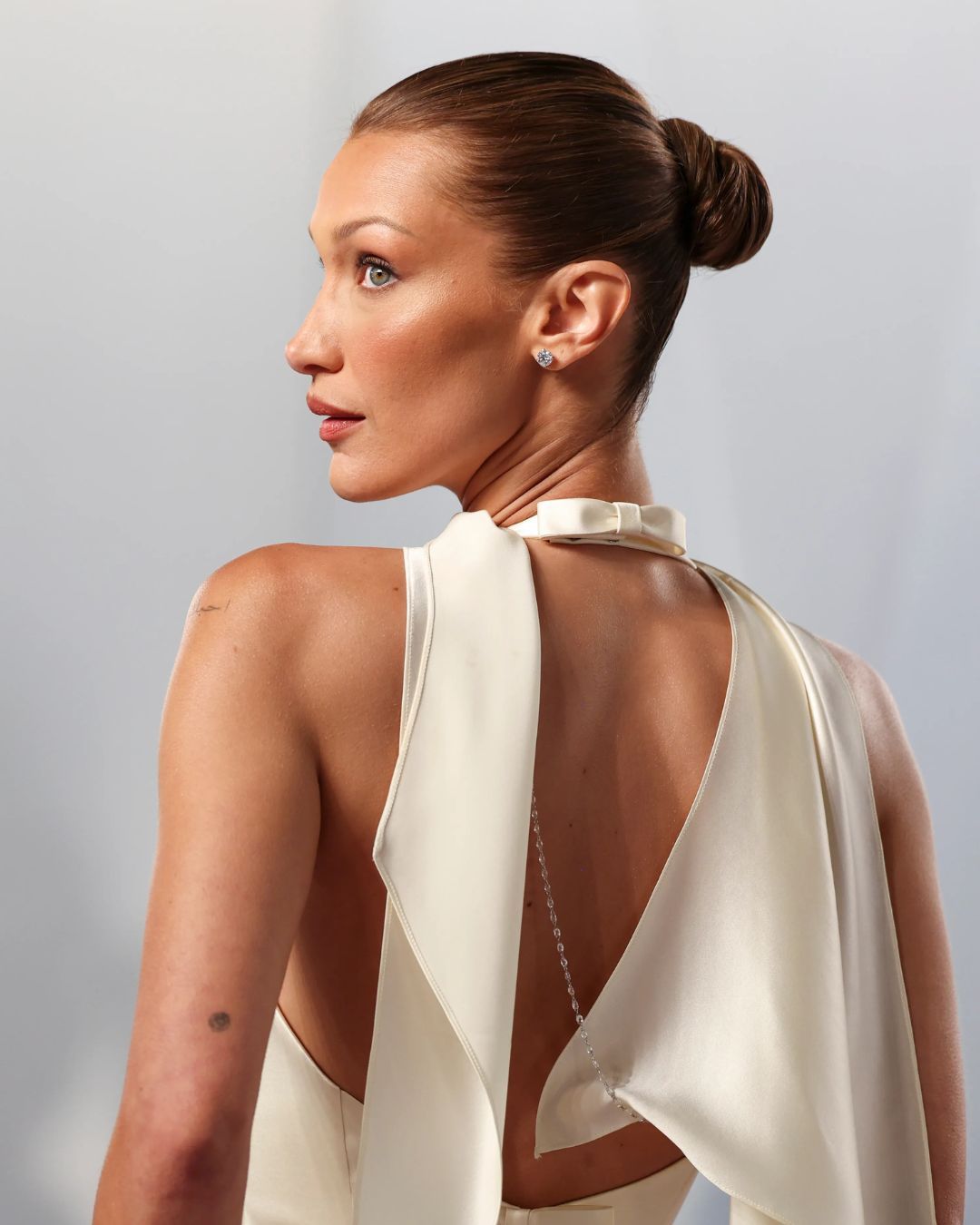
But while for years rhinoplasty was associated with a fairly uniform ideal - a slim nose, a defined bridge, and a lifted tip - today the language is shifting. More and more, we hear about ethnic rhinoplasty, an approach that aims to harmonize the nose with the face without erasing its distinctive features, and therefore its cultural identity. Model Bella Hadid herself admitted in an interview that she regrets the rhinoplasty she underwent at 14, saying that, in hindsight, she “should have kept the nose of her ancestors” (her father is Palestinian), one she likely “would have grown into.”
@allurebeverlyhills Bella Hadid is simply gorgeous, but was her nose job done right? Watch to find out! #fypシ゚viral #plasticsurgery #plasticsurgeonexplains #plasticsurgeonsoftiktok #rhinoplasty original sound - Allure Beverly Hills
New and multiple beauty ideals
Clearly, the idea of recognizing multiple standards of beauty rather than a single one based on typically white and Western features represents a break from the past. It’s a step toward a broader and more inclusive vision that values diversity as a cultural and identity trait. However, the very concept of ethnic rhinoplasty carries an inherent tension. On one hand, it seeks to respect different proportions and morphological characteristics, wider noses, flatter bridges, different cartilage structures—but on the other, it still operates within a specific framework: correction. The goal is no longer to explicitly Westernize, but to harmonize, refine, and proportion the nose according to parameters that remain rooted in a dominant aesthetic culture. In this sense, the difference from the past lies less in the procedure itself than in the language surrounding it. While in the ’90s and 2000s cosmetic surgery tended to standardize, making faces more alike, today it promises personalization. The surgeon no longer changes, you enhance. It’s a more aware narrative, certainly less aggressive on a symbolic level, but one that still engages with a specific imaginary: that of a face more aligned with shared standards, largely shaped by social media. It’s no coincidence that the rise of rhinoplasty runs parallel to the growth of an hyper-controlled facial aesthetic: filters, contouring, and an obsession with symmetry have turned the face into a project. And the nose, positioned right at the center, is often the first element to clash with one’s digital self-image.
@colombianplasticexperts Ethnic Rhinoplasty in Colombia With our All-Inclusive Package, you don’t need to worry about a thing — we take care of surgery, hotel, transportation, and post-op recovery. Choose your destination: Medellín, Cartagena, or Barranquilla Available all year long Certified specialists | Accredited clinics DM us today and let Colombian Plastic Experts guide you step by step toward your dream transformation. #EthnicRhinoplasty #AllInclusiveSurgery #BeforeAndAfter #ColombianPlasticExperts #MedicalTourism Friend Zone - Thundercat
Between identity and social pressure
And yet, there’s another aspect to consider. The fact that we now openly talk about ethnic rhinoplasty reflects a shift in cultural sensitivity. Acknowledging that multiple beauty ideals exist is a significant historical step. For many, altering their nose isn’t about erasing their origins, but about finding a personal balance between identity and individual desire. The absurd premise mentioned at the beginning resonates because it taps into something deeper: the relationship between body, inheritance, and control. While we can’t actually change our children’s DNA, we can reshape the narrative we build around our features. Contemporary rhinoplasty exists precisely in that space: between autonomy and social pressure, between self-affirmation and adaptation to a collective gaze. An aesthetic choice that can carry deeper meanings, even (and especially) when it’s not broadcast on TikTok.