






























What is propranolol? When a drug becomes a trend
It was 1967 when the U.S. Food and Drug Administration (FDA) approved propranolol as a drug for the treatment of cardiovascular diseases. Today, the medication is on everyone’s lips, often promoted on social media as a kind of magic pill that helps relieve stress. “Today I have my first date with a guy and I’m very nervous, but luckily I have propranolol,” says an influencer on TikTok. In Spain, the U.S., and the UK, prescriptions of the drug have significantly increased for this type of situation, with a 28% growth since 2020. This is emblematic and leads us to investigate the reasons behind such a change. Even Hollywood celebrities have confessed on podcasts to being prescribed propranolol to better handle stressful scenes. But when did the pill lose its “original” purpose, and how can a real medication be compared to a magic supplement accessible to everyone? To answer these questions, we consulted pharmacists and their field experience.
Definition of propranolol
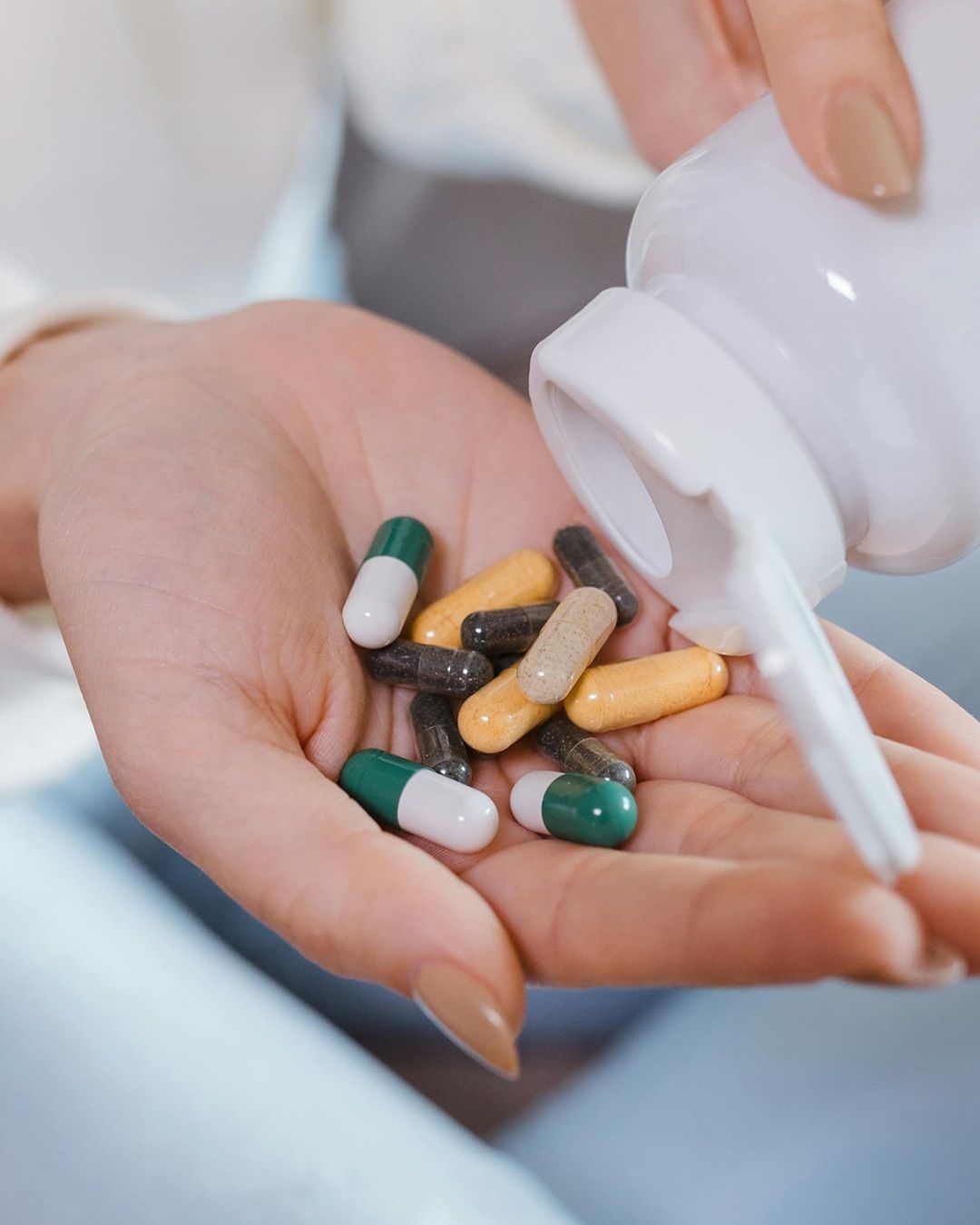
“Propranolol is the first of the beta-blockers. It is a very old active ingredient, belonging to the first generation of beta-blockers, and is a non-selective antagonist of beta-adrenergic receptors. From propranolol, other generations of beta-blockers were later developed, with a similar chemical structure but different functional groups, making these molecules more selective and with fewer side effects,” explains pharmacist Chiara Peretti. As pharmacist Maria Stella Romeo reminds us, these drugs are sold in pharmacies with a medical prescription and, in most cases, are well absorbed after oral administration. The plasma peak occurs 1–3 hours after intake.
Is it common to prescribe it for stress?
Peretti is clear: “Generally, propranolol is prescribed to treat heart conditions such as hypertension, arrhythmias, angina pectoris… Only in rare cases, under strict medical supervision, is it also prescribed to manage anxiety. As I mentioned earlier, being a first-generation molecule, propranolol binds to beta receptors in a non-selective way; therefore, it doesn’t act only on the heart. This explains why it can cause side effects in the bronchi (like bronchoconstriction in asthmatics) or the nervous system (hence its use in treating the physical manifestations of anxiety).”
@stephwong.md Replying to @Manda a non-addictive option for anxiety especially if it comes with physical symptoms like palpitations, sweating, difficulty breathing, etc! #propranolol #anxiety #psychiatry #mentalhealth #doctor original sound - stephwong.md
Is normalizing this use of drugs on social media risky?
Very often, while scrolling on social media, we come across content discussing the benefits of a medication, which grabs our attention. Could this lead to being influenced into using drugs we didn’t even know existed, triggering an unconscious need? “Everyone is free to talk about whatever they want on social media, but I strongly believe certain topics should be handled with great sensitivity and awareness,” says Peretti, before clarifying: “When it comes to drugs, extreme caution is necessary. The risk is that, even unintentionally, we normalize the use of prescription medications, generating curiosity or even an ‘induced need’ in people who may not have been aware of them at all. That’s why I believe the sharing of these topics must be accompanied by greater awareness and communicative responsibility, which not everyone has.”
Are drugs becoming like a beauty product in the world of communication?
Serena Williams revealed in an American magazine that she had taken a GLP-1 drug to promote weight loss, losing 14 kg. “I feel amazing,” she said. “I feel really good and healthy. I feel light physically and mentally.” The 23-time Grand Slam winner became so enthusiastic that she ended up as the testimonial and face of the drug, promoted on TV and online as if it were a moisturizing cream. Many questioned the brand’s communication choice and the truthfulness of the athlete’s words, since her husband, Alexis Ohanian, is one of the main investors in the company producing the GLP-1. This is also happening with various drugs, marketed to the public like beauty products, without considering potential side effects. “I believe the problem is misleading communication because propranolol is not, and must not be seen as, a supplement. There is far too often a tendency to exploit social media communication to treat sensitive topics, including those related to prescription drugs. I don’t condemn communication or sharing about these psychological conditions at all; in fact, I find it useful and interesting to share journeys against anxiety, as they can help those experiencing the same thing. The critical point is the carelessness with which the message ‘this drug makes me feel amazing’ is spread, without clarifying that behind it there is always a medical prescription, the result of a path with specialists and many other professional evaluations,” concludes Peretti.
Are the effects of propranolol mostly “positive”?
Chiara Peretti leaves us with her favorite quote from Paracelsus: “All things are poison, and nothing is without poison; only the dose makes a thing not a poison.” Even though newer molecules have surpassed it, Propranolol remains one of the most used drugs, not only for heart diseases like hypertension and arrhythmias, but also to reduce the physical symptoms of anxiety. However, as with all medications, if misused, it can slow down the heartbeat, cause fatigue, or bronchoconstriction in asthmatics. Only the correct dosage and medical supervision make it safe and effective.