

















































The whole truth about the ban on nail gels: what will change from September 2025 No, it's not the end of manicures and nail art
The world of nail cosmetics is experiencing a small, silent earthquake, one of those that makes no noise but radically changes the landscape. Starting September 1, 2025, a European regulation will come into effect that will forever change how industry professionals and consumers approach nail gels and semi-permanent polishes: Regulation (EU) 2024/197, published on January 5, 2024, which updates Annex VI of the CLP Regulation (EC 1272/2008) on the classification, labeling, and packaging of hazardous chemical substances. This is not just a technical issue but a true paradigm shift that concerns the everyday safety of those working in nail care salons as well as those who love to take care of their nails at home. What was normal until yesterday, applying glossy, long-lasting gels under UV lamps, will now require greater care and awareness. The sector, which for years has thrived on the most creative colors and boldest trends, will be called upon to reinvent itself, without giving up on imagination or quality. Despite having to say goodbye to two key chemical substances in gels and semi-permanent polishes.
Nail gel ban from September 1, 2025: EU regulation and what changes
The banned substances and why they’re concerning
The two substances targeted by the European Union are Trimethylbenzoyl Diphenylphosphine Oxide (TPO) and Dimethyltolylamine (DMTA or N,N-dimethyl-4-methylaniline). TPO is the photoinitiator that allows gels to cure under UV or LED lamps, while DMTA acts as a conditioner, improving the adhesion of primers, polishes, and gels to the nail surface. Studies conducted by the European Chemicals Agency (ECHA) have shown that both substances are potentially carcinogenic, mutagenic, or toxic to reproduction, posing concrete risks to fertility and fetal development. For professionals handling them daily, the risk is significant, while for occasional users the exposure is more limited but still not negligible. It is therefore crucial to ensure proper polymerization with compliant lamps and correct exposure times.
@lucianacaramia Dal 1 settembre gli smalti per semipermanente e gel non dovranno contenere per legge un ingrediente riconosciuto come tossico. Senza fare allarmismo, io e @Greta La Chimica abbiamo cercato di fare chiarezza #smaltisemipermanenti #gelunghie #tponailfree #manicure suono originale - Luciana | Skincare e Makeup
What changes in beauty salons
As of September 1, 2025, all products containing TPO or DMTA must be phased out, disposed of, or replaced with safe alternatives. Practically speaking, the ban means that all old stock containing TPO or DMTA must be eliminated or replaced with compliant formulations, and nail technicians must check every product in use, immediately updating their workflows and ensuring that gels, primers, or polishes are free of banned substances. Non-compliance could lead to fines, seizures, and confiscations, with inspections and measures enforced by national authorities.
What changes for consumers and how to recognize safe polishes
The transition period may create confusion, as some outlawed products could still circulate. To protect their health without giving up well-groomed, colorful, and fashionable nails, the key words for consumers are vigilance and awareness. In salons, clients should rely on reputable professionals and always ask for information about the products used, making sure they are free of TPO and DMTA. Attention is also necessary when purchasing polishes for home use. Whether shopping online or in-store, the first rule is to carefully read the INCI, the list of ingredients printed on the packaging. In recent years, many companies have begun to clearly indicate “TPO-free” formulas or labels such as “5-free, 7-free, or 10-free,” which highlight the absence of controversial chemicals like formaldehyde, toluene, or phthalates. To simplify choices, consumers can also rely on brands that have already updated their product lines to the new regulations. If you come across products containing TPO and DMTA, it is advisable to report any irregularities to the relevant authorities, such as local police or law enforcement.
@mariwnail Jusqu’à 150 000 € d’amende ou 2 ans de prison… pour un vernis qui contient moins de 5 % de TPO. Le plus douloureux, c’est que cette loi vise surtout les cosmétiques, et dedans on a mis nos vernis et nos gels. Un photo-initiateur qui, en réalité, n’a jamais abîmé un ongle, jamais causé d’allergie. Pourquoi ? Parce qu’il polymérise en 30 secondes, reste figé sur l’ongle, ne touche ni la peau ni la bouche. Sur la vidéo je souris, mais au fond je suis en état de choc. Presque toute ma collection, que j’ai bâtie de zéro pendant 3 ans en France, s’effondre à nouveau… comme le jour où ma maison a brûlé à cause de la guerre et que j’ai dû tout recommencer dans un autre pays. Comment ne pas avoir mal… pas seulement pour moi, mais pour toutes les prothésistes ongulaires de notre métier. Pour celles et ceux qui, en Europe, créent pour nous des produits incroyables que nous aimons acheter. Pourquoi personne n’a pensé à nous en écrivant cette loi ? Aux pertes énormes qu’elle entraîne. À la douleur de voir chaque vernis, trouvé avec amour dans une édition limitée, ne plus avoir sa place sur nos étagères. Je souhaite bon courage à toutes celles et ceux qui, comme moi, ont été obligés de traverser ça. J’espère que nous tiendrons le coup, que ce moment difficile nous mènera plus haut… vers quelque chose de plus grand.
оригинальный звук - mariwnail
Beauty doesn’t disappear, it changes shape
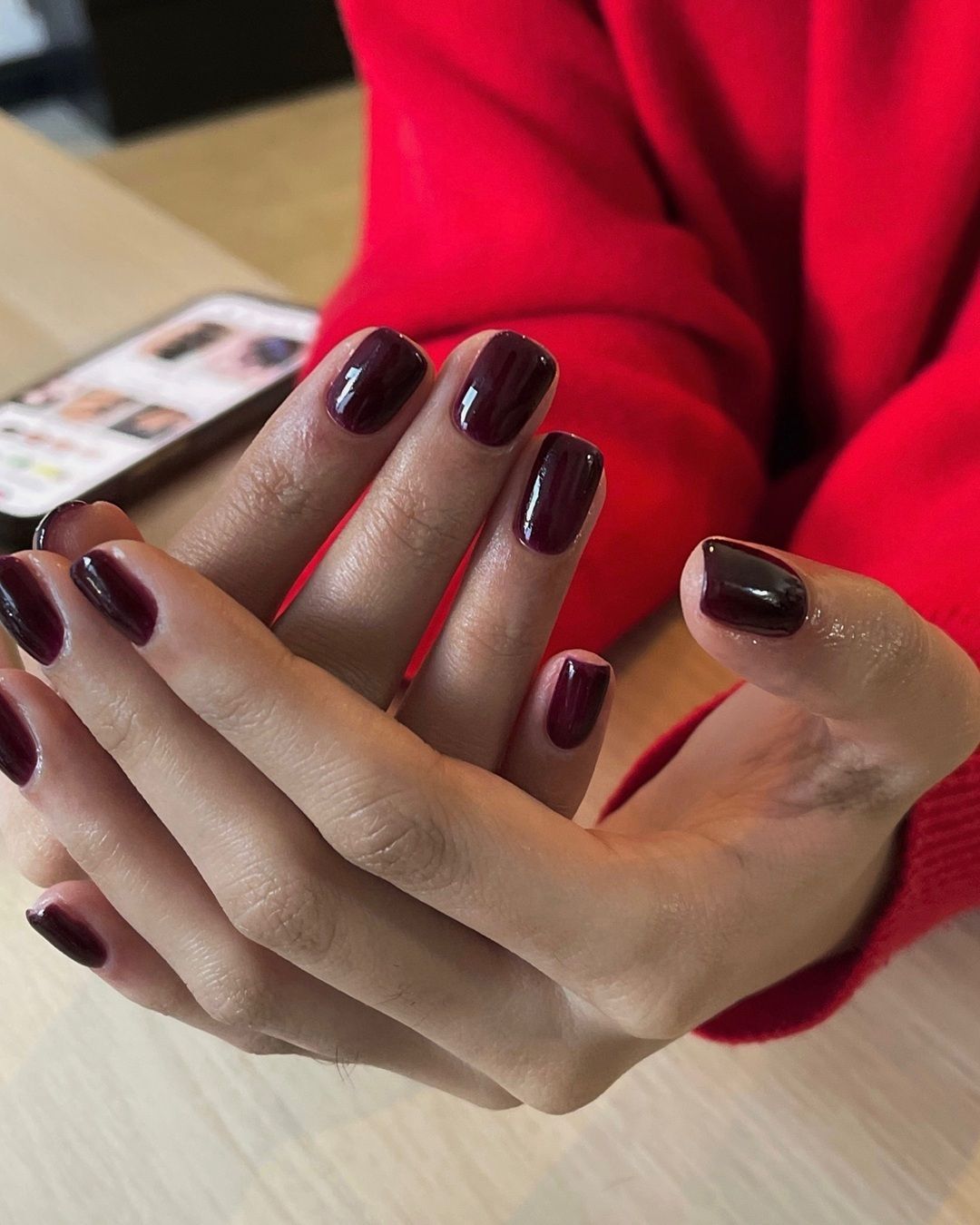
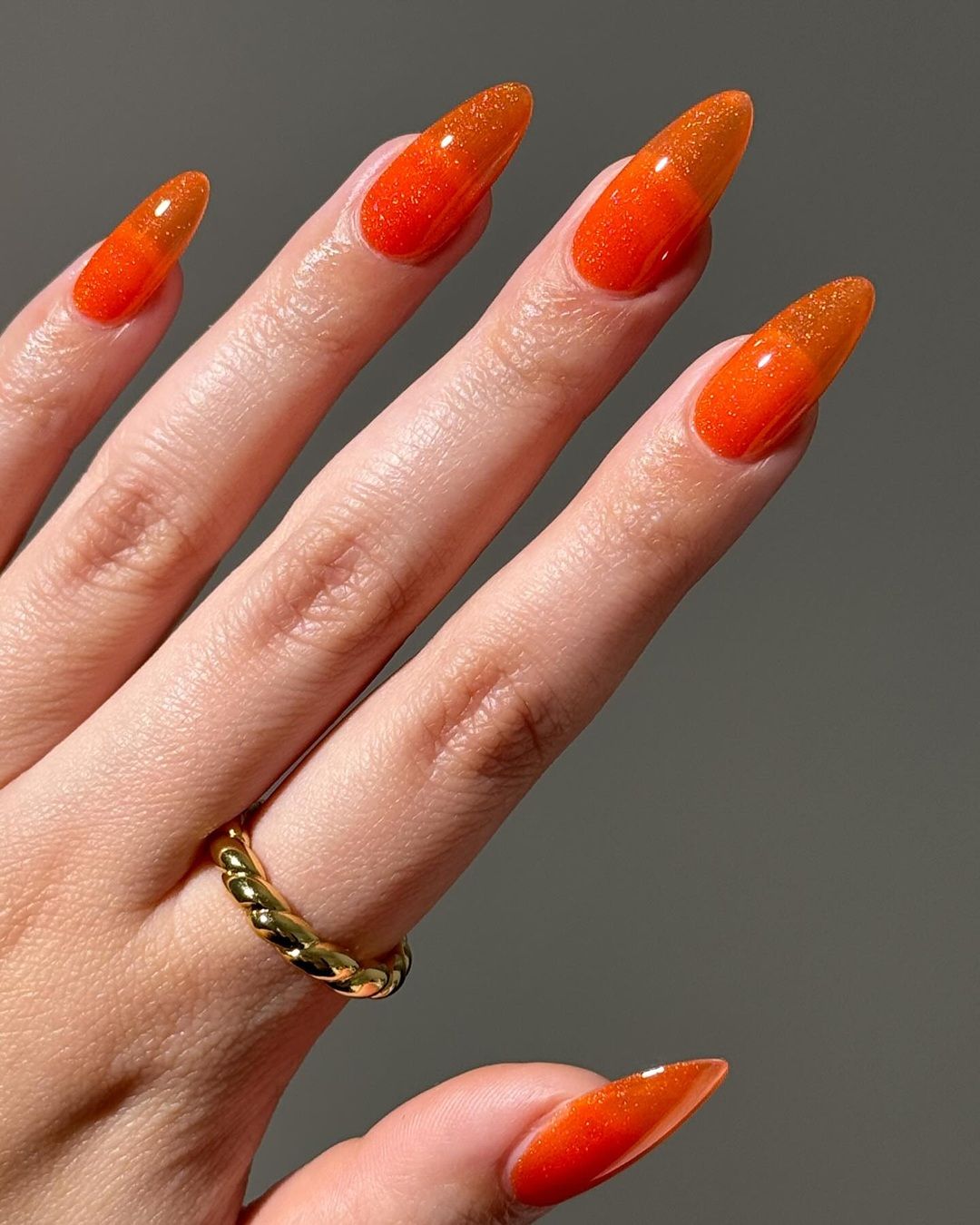
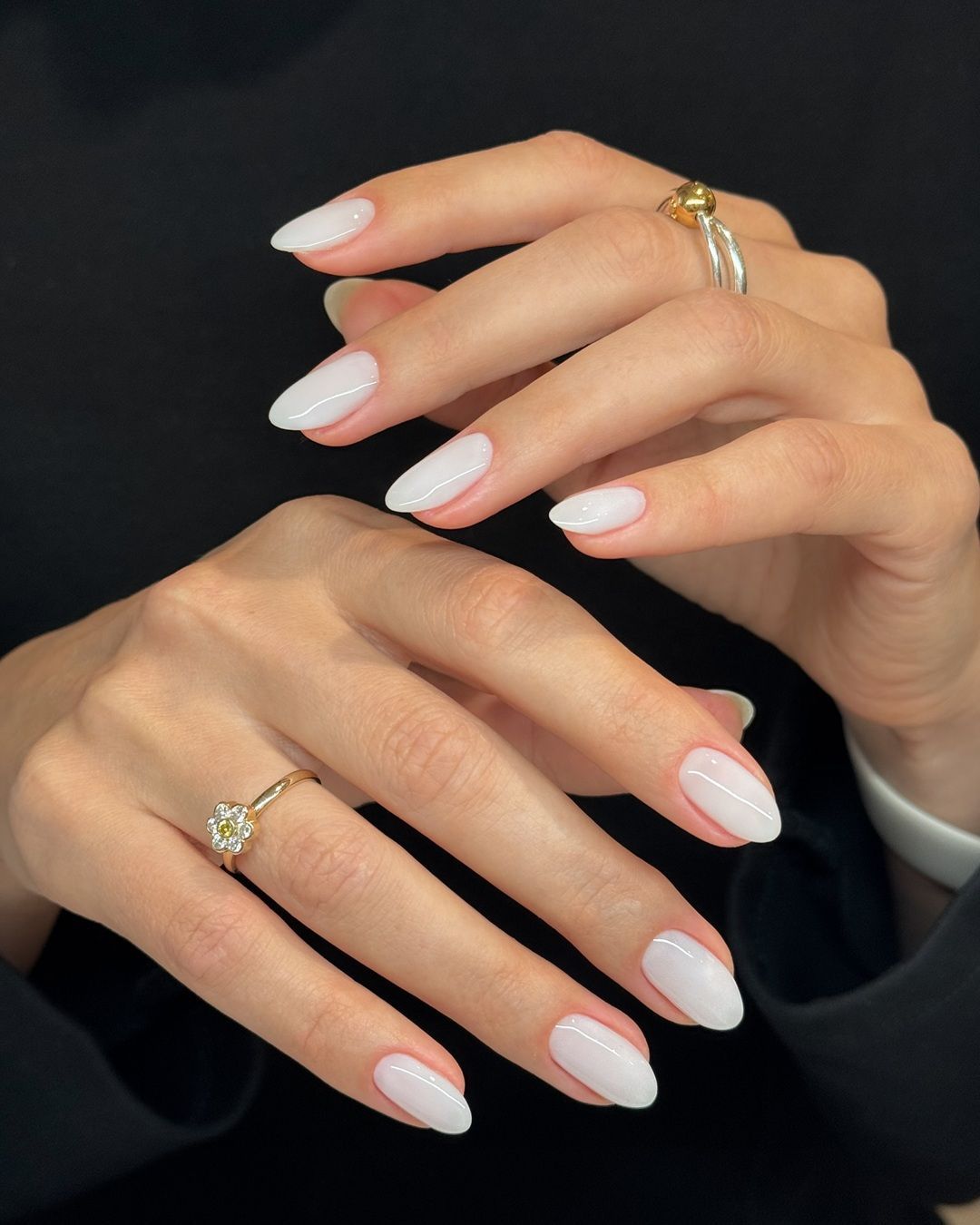
The ban on nail gels is not a threat but an opportunity to reinvent the industry. Starting September 1, 2025, TPO and DMTA will be completely prohibited, and companies are already working on safer, more transparent, and innovative formulations, without sacrificing durability, shine, or color variety. Trendy shades like Black Cherry will continue to dominate Instagram, TikTok, and Pinterest, and the creativity of nail art will lose none of its intensity. The substance changes, but not the style: nails will remain a reflection of personality, with greater attention to the health and safety of both those who wear them and those who create them.