
























It's time for Thai beauty Between botanical ingredients, soft glam makeup and aesthetic medicine, here's why T-beauty is not a passing fad
For years, we’ve seen Eastern beauty only through the lens of Seoul and Tokyo. But there’s another East, more tropical, more creative, and above all, more glow-worthy: Bangkok. While we were slathering on yet another snail mucin essence and studying Douyin make-up tutorials, hypnotized by packaging so cute it looked like kawaii snacks, Thailand was quietly building a beauty empire. One rooted in the perfect balance between local tradition and global trends. But beware, this isn’t just about products. It’s an entire beauty philosophy that embraces the body, the skin, and the way one presents oneself to the world. It was born among temples and night markets but speaks fluently in the languages of TikTok and Xiaohongshu. In a short time, T-beauty, Thai beauty, has carved out a spot on international shelves and social feeds, rising straight to the top of Gen Z’s wishlists across Asia. The next challenge? Winning over the West with its mix of botanical ingredients, make-up that ranges from soft glam to vibrant colors, affordable prices, and cosmetic surgery that even makes Beverly Hills blush. It’s time to get to know it better.
@stxph.h i need to do asian style makeup looks more often bc this is cuteee #thaimakeup (ib: @jungwon original sound - stephhui
Bangkok's take on Soft Glam
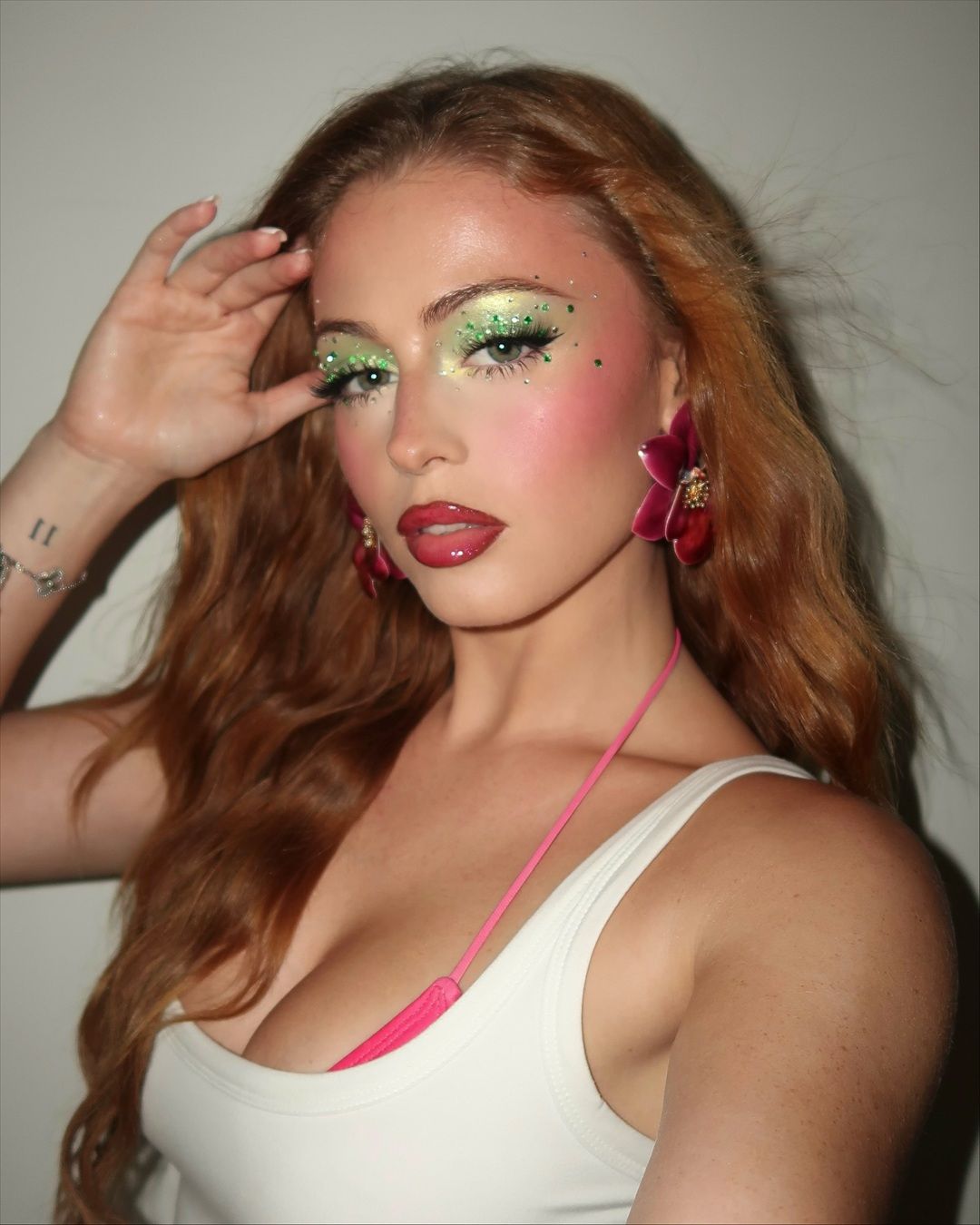
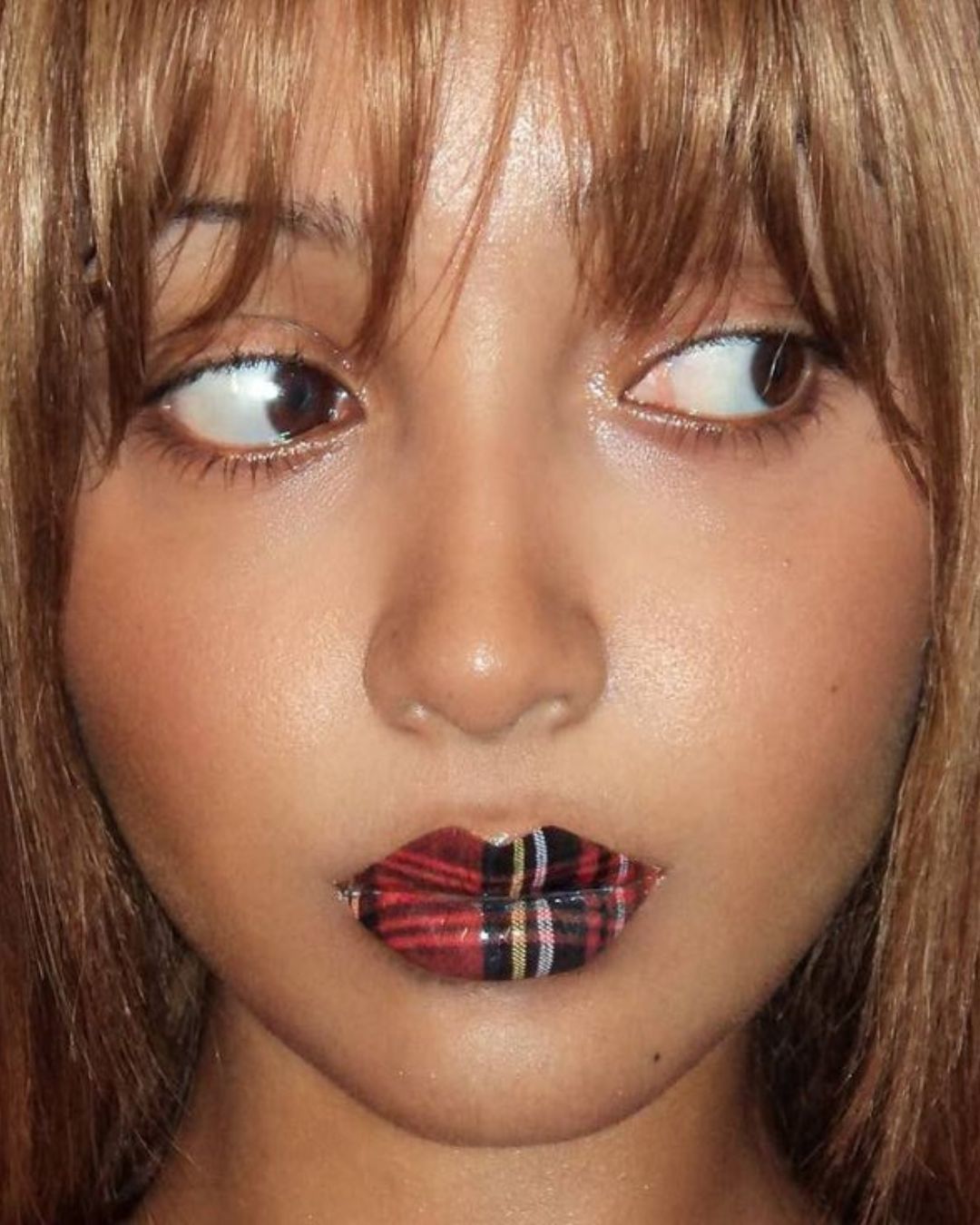
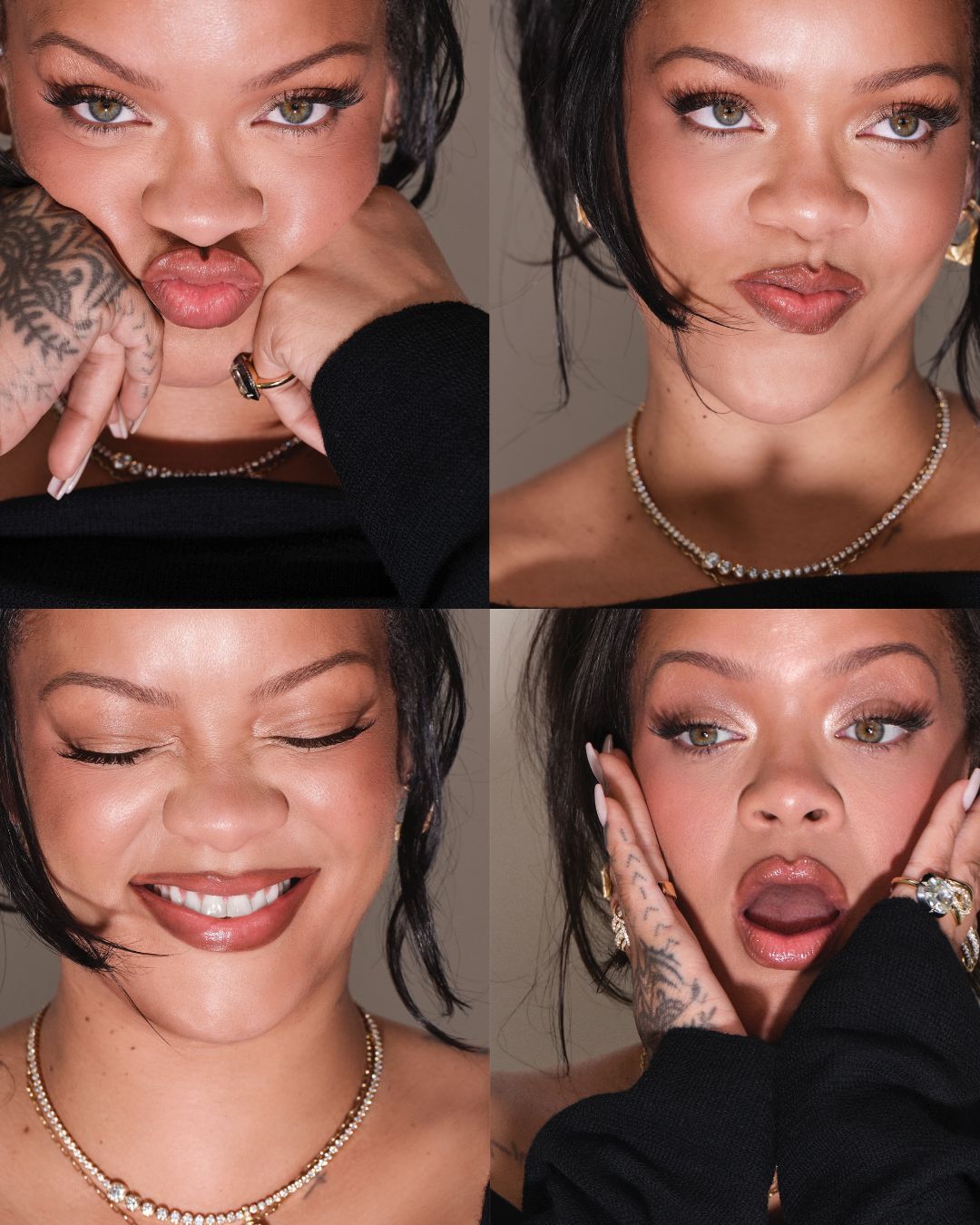
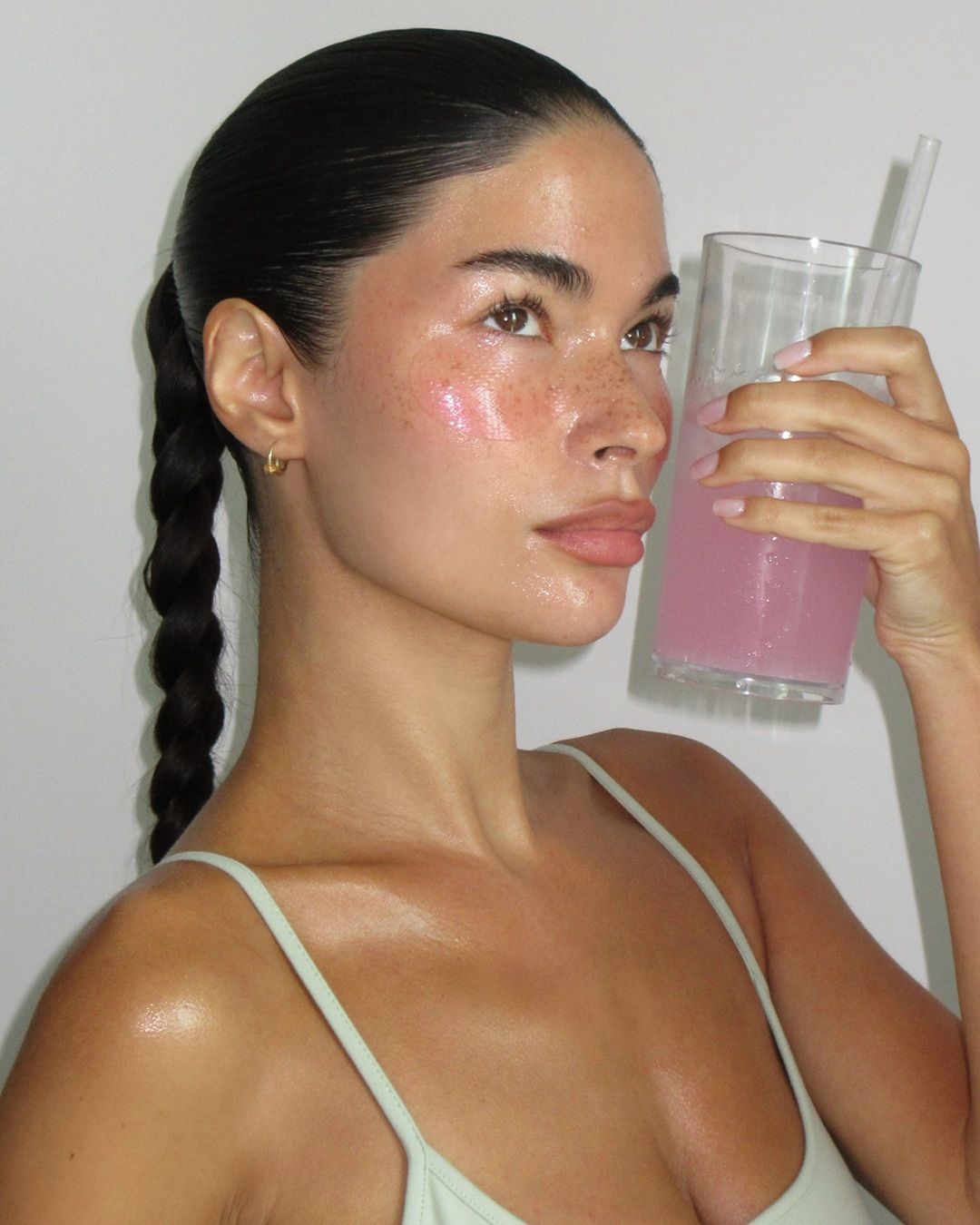
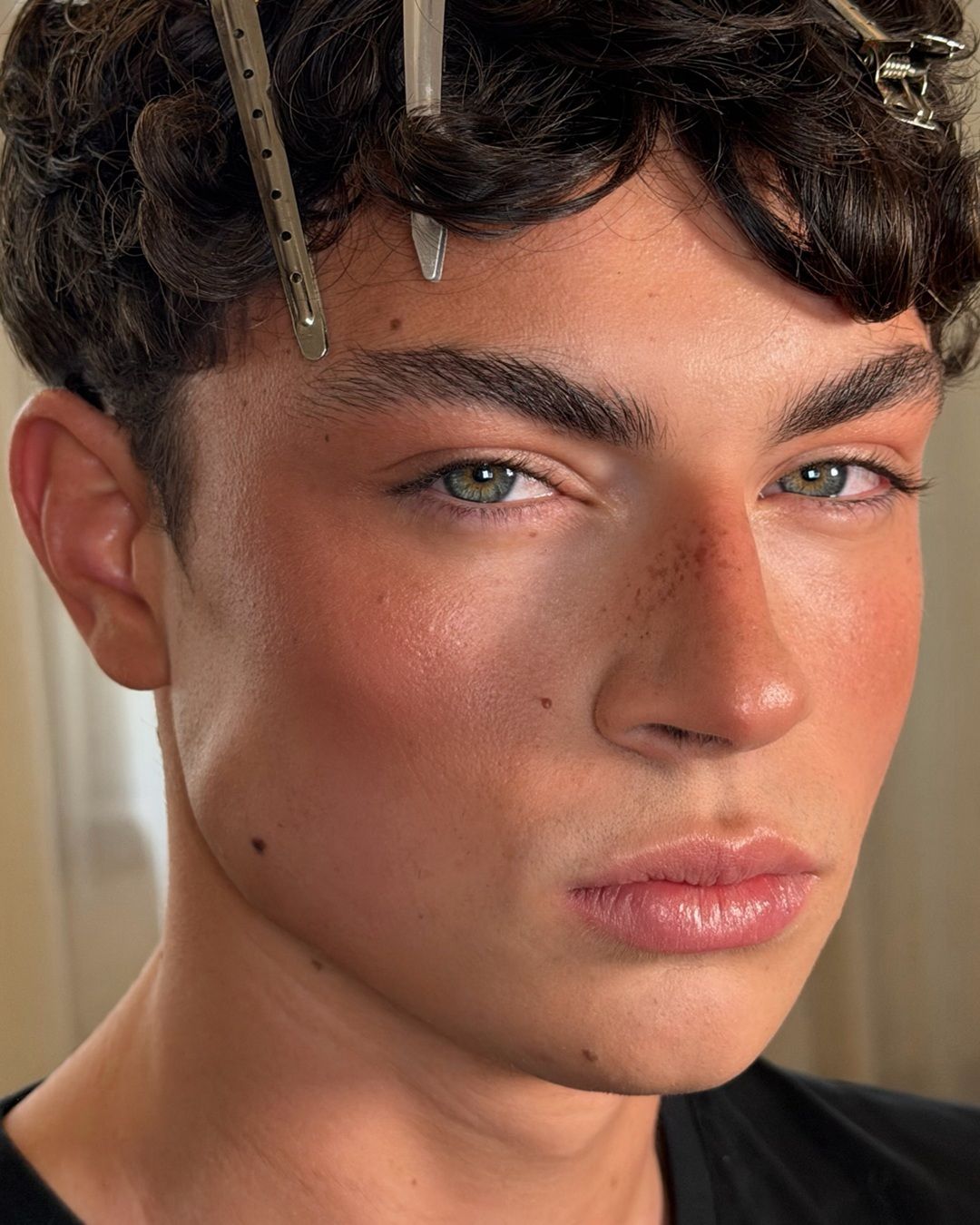
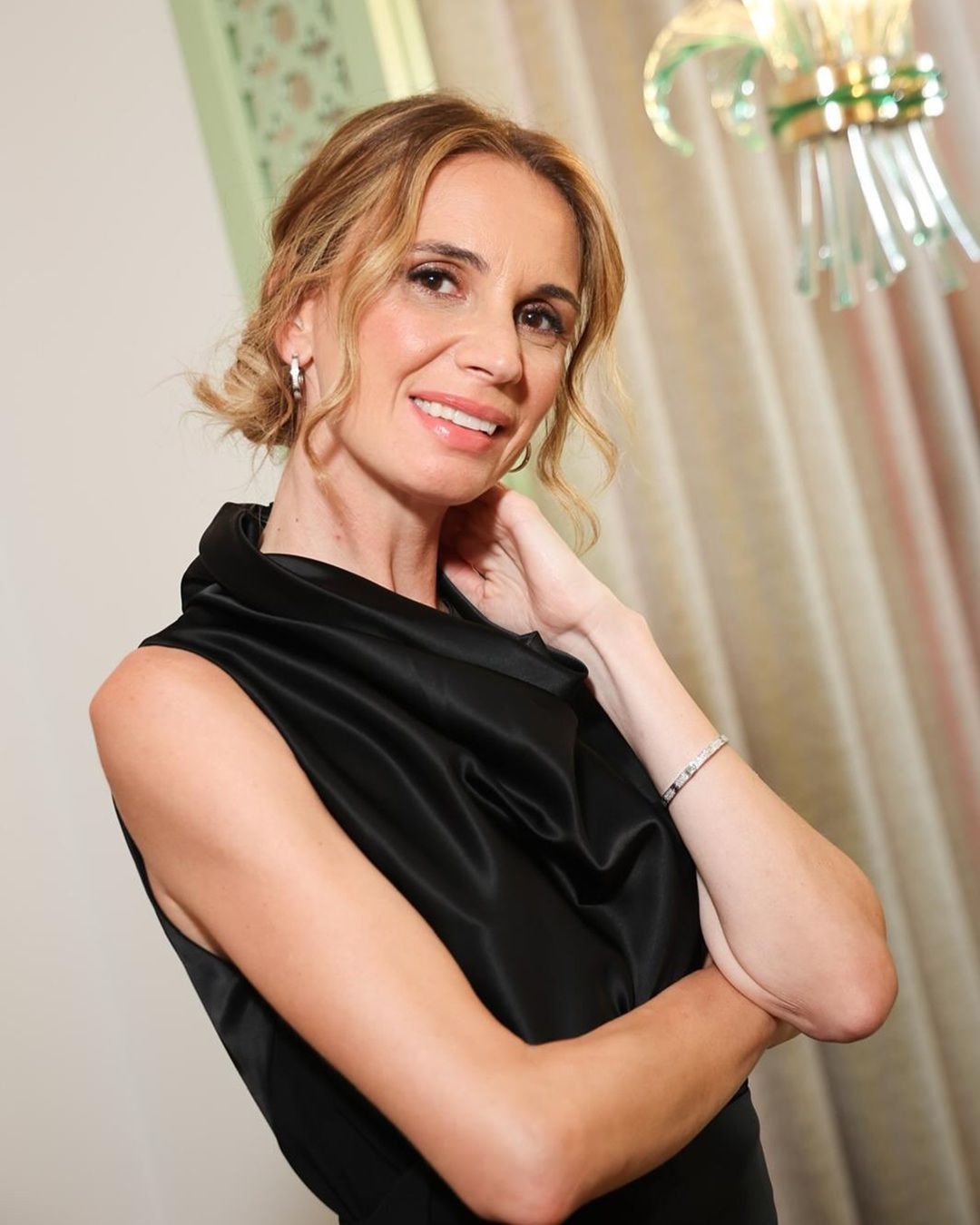
If we had to describe the T-beauty aesthetic in three words, they’d be: natural, fresh, glow. But make no mistake, this isn’t effortless. The iconic Thai make-up look? Think of it as a sunnier, more playful version of classic soft glam, designed for Southeast Asia’s hot and humid climate, yet easily adaptable elsewhere. On TikTok, it’s even dubbed the “Thai alternative to Victoria’s Secret make-up.” What does that mean in practice? A glowing, second-skin base, cheeks flushed like after a sunny walk, eyes with warm and soft shades (often browns, peaches, or bronzes), sheer or slightly glossy lips, and perfectly groomed brows. There are countless viral tutorials on TikTok, YouTube, and Xiaohongshu, all confirming that the Thai make-up routine involves just a few products, but they’re selected with obsessive care, and applied with surgical precision. This doesn’t mean there's no room for color and experimentation. Alongside smokey eyes and sun-kissed blushes, there’s plenty of bold hues and daring aesthetics.
Thai skincare: nature as a laboratory
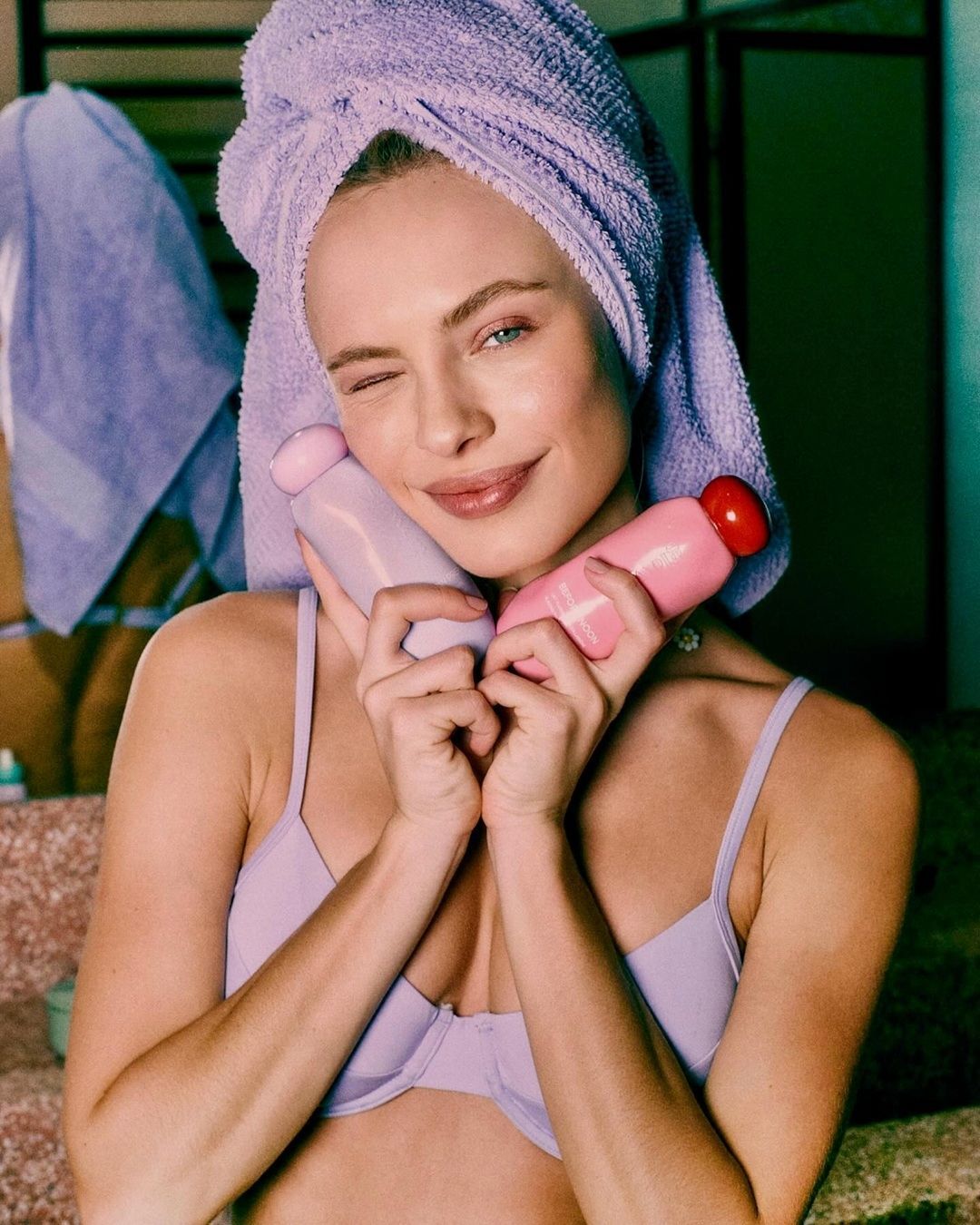
T-beauty is deeply rooted in an ancient tradition of tropical herbs, natural oils, and orally passed-down remedies. Its secret to staying current? Combining this ancestral wisdom with cutting-edge innovation, without forgetting that beauty comes from within. In Thailand, “inner beauty” isn’t just a trend, it’s daily life. Collagen drinks, vitamin C shots, functional jellies, and nutraceutical snacks are available everywhere, from corner stores to specialized pharmacies. The body dictates the skincare routine, and in a country where the sun shines year-round and humidity hovers around 90%, this means lightweight, refreshing, hydrating, but non-occlusive formulas. Smart enough to handle tropical weather, yet perfect for city living. Key ingredients come straight from nature and Asian phytotherapy. Turmeric is a prized ally for brightening skin and reducing inflammation. Coconut oil is widely used in natural cleansers and nourishing masks. Tamarind is a natural exfoliant rich in AHAs. The famous Clitoria Ternatea, or “blue butterfly pea,” now a TikTok star, is a brilliant blue flower used in both cosmetics and detox drinks. Packed with antioxidants, it soothes, refreshes, and revitalizes. These are just some of the botanical ingredients featured in products from local brands like Gravich, FYNE, Dr. Pong, and Snail White, all packaged to appeal to Gen Z’s aesthetic tastes and the new generation of digital consumers.
T-beauty make-up: pop brands and catchy packaging
Think Thai cosmetics are just about nature and tradition? Think again. T-beauty make-up brands combine the minimalism of K-beauty with bolder pigments, smokey shadows, warm blushes, and sculpted cheekbones, reimagined in a modern way. Brands like Mistine (a historic local giant), Cathy Doll, 4U2, Sivanna, Browit, Srichand, Oriental Princess, Delphini, and Cute Press are fluent in the language of pop, social culture, and viral trends: catchy names, shades suited for Asian (and universal) skin tones, fun and smart social campaigns, often featuring local celebrities. Their clever, colorful, Instagrammable packaging grabs attention at first glance. But the quality inside is real. Take the Mistine Little Yellow Hat SPF50+, a cult sunscreen and one of the best-sellers in Asia, loved for its sweat-resistance and glowing finish. Or Srichand’s oil-control powders, small but mighty, perfect for humid climates or combination skin. Or the mousse blushes from 4U2, velvety and ultra-pigmented. T-beauty speaks the language of trends while remaining deeply rooted in culture. This combo of “accessible aesthetics + strong identity” makes it incredibly powerful.
T-pop’s global boom drives beauty forward
T-beauty’s global rise is also thanks to the popularity of Thai pop culture. Actors from BL dramas like Bright, Win, Apo, Mile, as well as global stars like BLACKPINK’s Lisa, are now the faces of both international (Dior, Celine, Prada) and local beauty brands. Their aesthetic, polished yet spontaneous, has helped create a highly desirable image. It’s not just about make-up; it’s a whole mood. A lifestyle. The term “Swai Meiku” (from Thai swai, beautiful, and Japanese meiku, make-up) has gone viral to describe that perfect aesthetic balance between Asia and the West that fans love to replicate. TikTok, Instagram, and Xiaohongshu are full of tutorials inspired by these looks: dewy base, flushed cheeks, soft-blur lips, slightly wavy hair, radiant, healthy skin. It’s beauty that looks effortless, but is intentional. T-beauty today is also entertainment, identity, and community.
Cosmetic surgery & aesthetic medicine: Thailand, the new beauty mecca
Beyond makeup and skincare, Thailand is also booming in another sector: cosmetic surgery. With over 6,600 registered clinics, cutting-edge infrastructure, and internationally trained doctors, Bangkok has become a capital of aesthetic medicine. People from across Asia (and beyond) are flying in for blepharoplasty, soft rhinoplasty, lip lifts, hyaluronic acid fillers, and non-invasive lifting technologies like Ulthera or Thermage. Also popular are professional skincare treatments like Hydrafacials, enzyme peels, and laser toning. The reasons? Expert doctors, top-tier clinics, competitive prices, and above all: natural results. The Thai approach to aesthetics is subtle and balanced, never excessive. It aims for facial harmony, not drastic change. All of this happens in clinics that often look like five-star hotels. Thailand is now the second-biggest aesthetic medicine hub in Asia, right after South Korea.
A growing market looking to the world
The numbers speak for themselves: according to Euromonitor, Thailand’s beauty market surpassed $6.6 billion in 2022, with annual growth of 9–10%. This continuous expansion is powered by local innovation, digital strategy, and an export-oriented mindset. T-beauty products are now available on Amazon, Shopee, Lazada, YesStyle, and even in Sephora and Watsons stores. Platforms like Konvy and Beautrium have become true regional hubs, ready to bring the T-beauty universe to the West. Their strategy? Don’t copy, adapt to global tastes while maintaining a strong cultural identity. And it works. This proves that T-beauty isn’t a passing trend. It’s a solid ecosystem, one that combines industry, culture, marketing, and lifestyle. It understands the evolving ways we experience beauty, blending the best of tradition and innovation. Want to bet we’ll be seeing it more and more in our own beauty routines?