
























The hidden dangers of counterfeit beauty products Ever really thought about what you’re putting on your face?
This is your last chance. After this, there is no turning back. You take the blue pill, you keep scrolling TikTok, chasing miracle dupes made in shadow factories and trusting that a €9 serum with a French-sounding name is legitimate. You wake up believing whatever the online seller wants you to believe. You take the red pill, you stay in Wonderland, and I show you how deep the beauty rabbit hole goes. Remember: all I’m offering is the truth. Your skin deserves the real deal.
The boom in counterfeit cosmetics
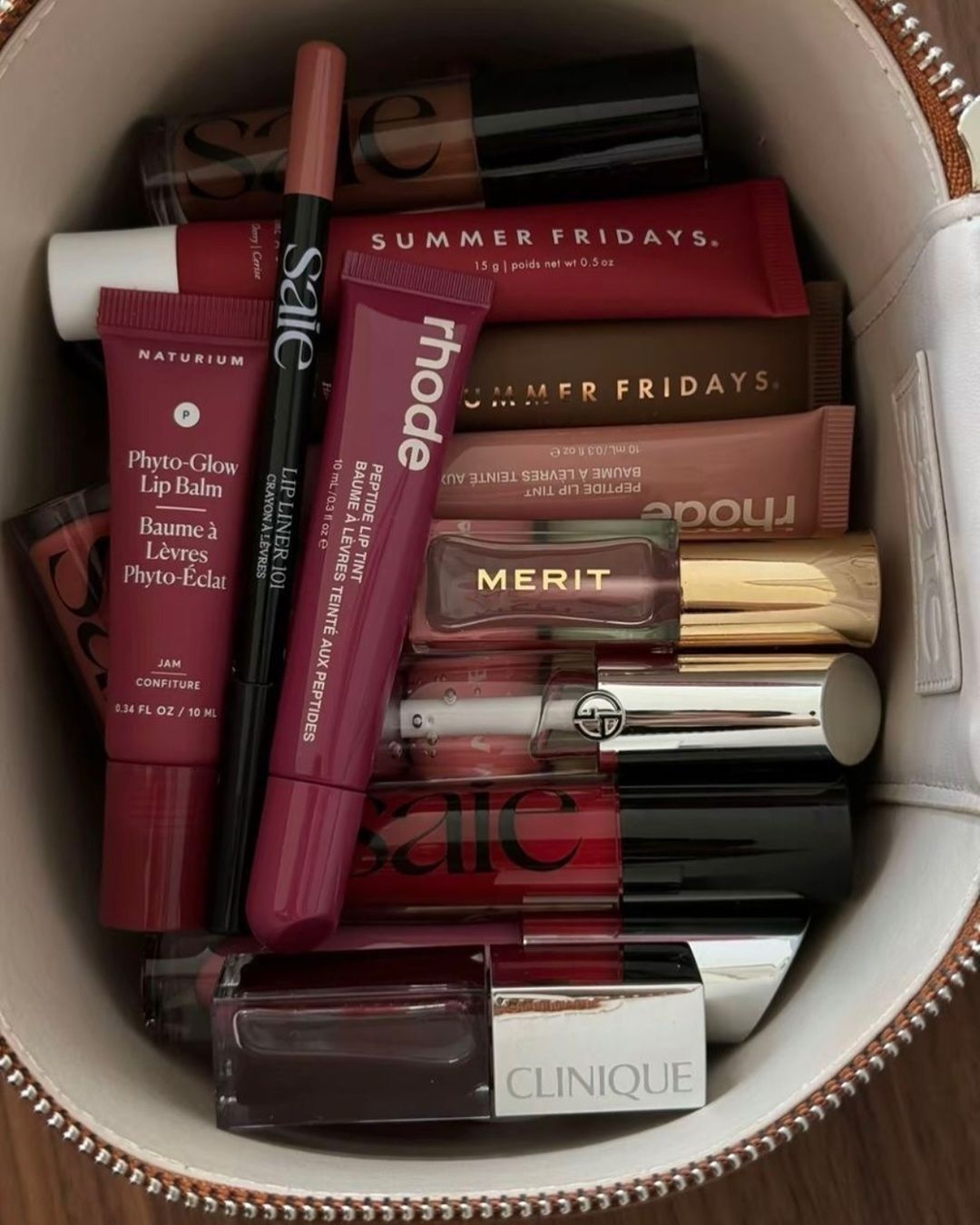
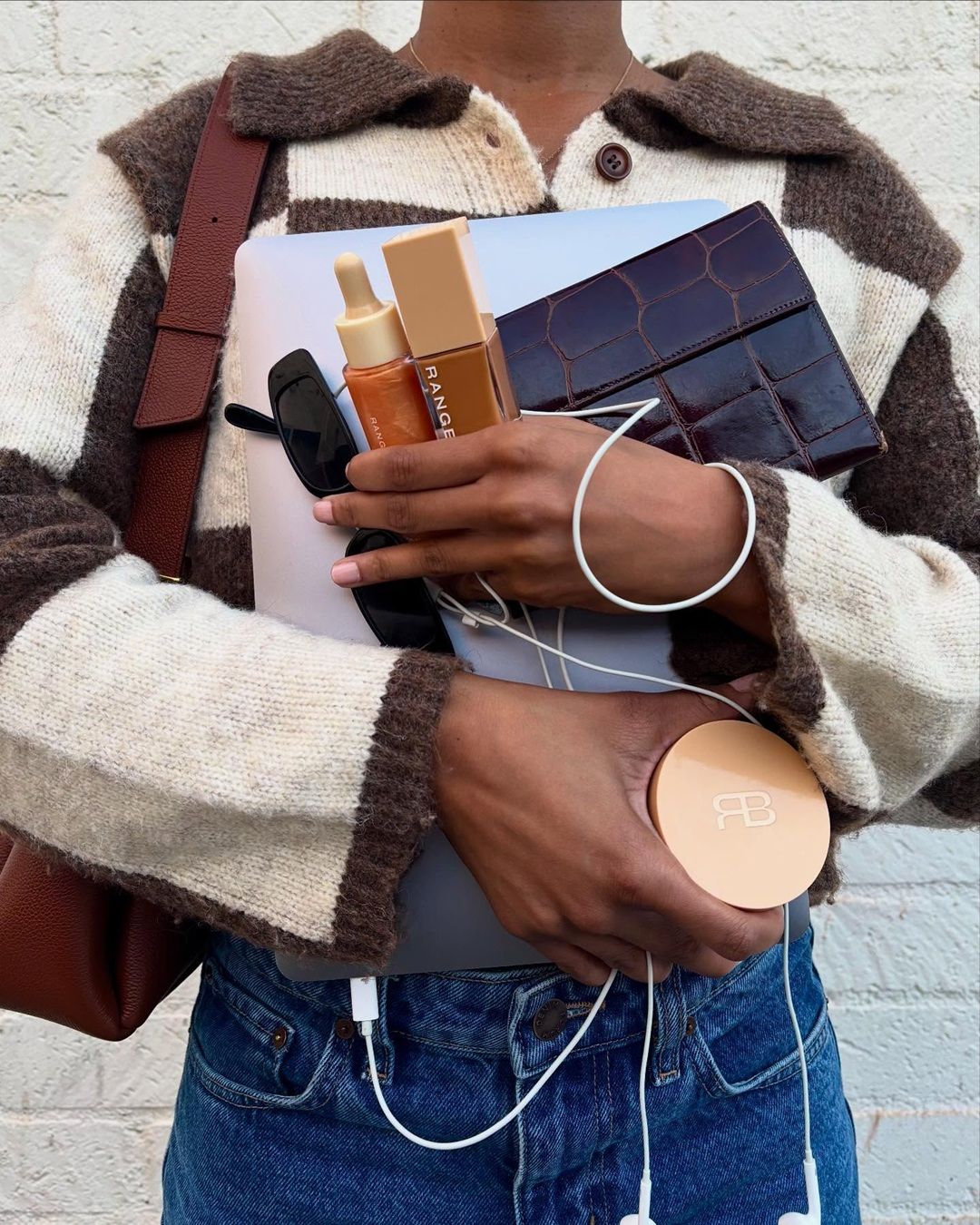
We've all longed for that beauty product. The Rare Beauty blush, Dior Lip Glow Oil, La Mer Crème…you name it. Some shop directly from the brand’s website. Others prefer beauty darlings like Sephora or Ulta Beauty. Pharmacies and local stores have their moments, too. But more often than not, the go-to is cosmetics websites or a digital giant like Amazon and eBay. Known for its budget-friendlier price tags, beauty e-commerce has been having quite a moment. Sure, it might seem like a harmless bit of fun, with a cheap price tag and a famous name to flaunt. But you may find yourself with a counterfeit version instead. According to a MarqVision survey with over 500 consumers, 71.6% of participants sought authentic products but ended up buying fakes, showing that counterfeits are becoming more successful at passing as genuine.
@jennlexi_ For the love of God, I wish people would realize it’s not worth it just to have the brand name on your bathroom counter ##skincaredupes##skincaretips Anxiety - Doechii
Risks to skin health and the environment
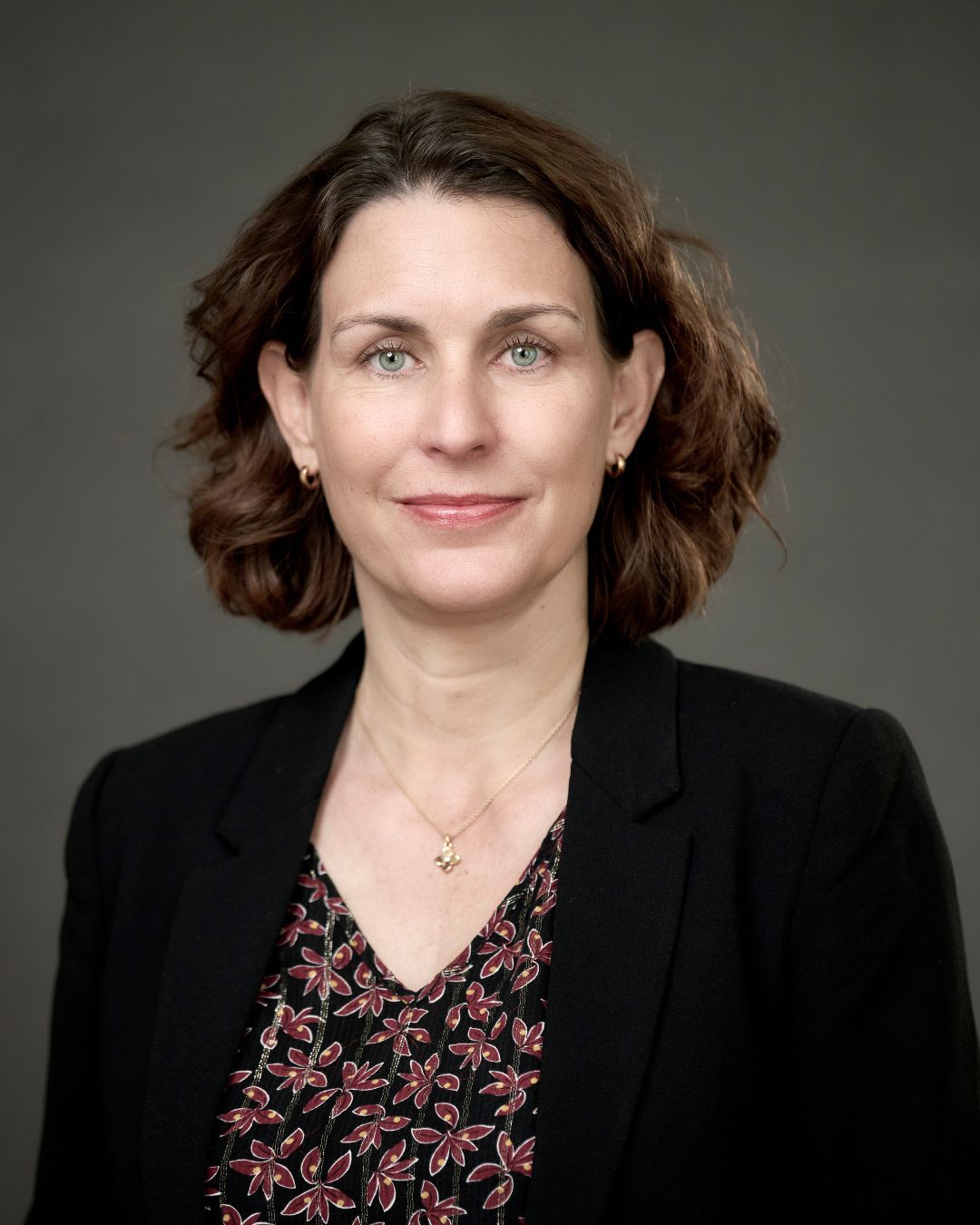
The cost of fake beauty products goes beyond mere deception. As Brazilian dermatologist Michelle Gameiro, who happens to be my mother, tells me, since shadow manufacturers do not adhere to standard manufacturing practices, we can never be sure what is actually in the product. Commonly made with low-quality ingredients, including toxic substances such as mercury and lead, and containing undisclosed components not approved by health authorities, fake beauty products often cause common reactions such as contact dermatitis, skin infections, and poisoning. Such factors can lead to long-term complications, including severe infections, contact dermatitis spreading to the whole body, and lasting poisoning. Besides the health concerns surrounding their ingredients, Dr. Gameiro adds that most counterfeit companies disregard environmental and ethical regulations by testing products on animals or using forced labour, which poses a real danger to the planet and society. Aimée Carr, founder of the all-natural, vegan and cruelty-free cosmetics brand VOODOO MAKEUP, says that the beauty industry's environmental practices are evolving one step at a time. ‘‘As long as the initiative is made I feel like you're one step closer to achieving our goal of being environmentally friendly,’’ Carr confesses. The esthetician and make-up artist founded VOODOO after experiencing ongoing skin and health problems as a result of using other beauty products. She then decided to take clean to a whole new level.
@irisjadesmit The dark side of dupes If that super cheap makeup product that looks eerily similar to a well-known original seems too good to be true.. it probably is Here’s the reality of dupes: their low prices often come at a high cost Corners are cut, leading to poor working conditions, low grade ingredients, unsafe manufacturing practices, and IP theft from the original creators and brands #dupe #makeup #dupes #dupealert #makeupproducts #cleanmakeup #makeuptrends #femalefounder #businessowner #womeninbusiness #dupemakeup #australiansmallbusiness original sound - Iris | Beauty Business Founder
The ethical and environmental impact of counterfeit beauty
While working as a full-time make-up artist, Carr came across many counterfeit products. She noticed how her clients' skin responded negatively to products they had purchased believing them to be genuine, but which were actually fake. Since there is a high demand for cult makeup brands like Maybelline and MAC Cosmetics, as well as labels founded by celebrities such as Fenty Beauty and Rare Beauty, these products are highly vulnerable to counterfeiting. In this sense, the rise in counterfeiting poses risks not only to people’s health, but also to the beauty industry. By eroding customer loyalty and damaging their reputation, the counterfeit market gains momentum. And when they start to target emerging labels, the risks are greater, as they can distort consumers’ first impressions and prevent these brands from gaining a stable presence in the market.
Education and prevention: treatment starts with information
That’s why, as Dr. Diane Alexander, plastic surgeon and founder of Artisan Plastic Surgery, advises, we should be reading skincare labels just as we read nutrition ones. Seeing patients with persistent hyperpigmentation, severe scarring, and acne breakouts after using fake products, Alexander believes that the illusory idea of long-saving of a cheap fake is not worth the long-term damage to your skin. As the largest organ in the human body, our skin requires care and attention. Even more so if you have been exposed to any counterfeit products.
What to do if you have a skin reaction?
Dr. Alexander advises that, if you have a reaction to a counterfeit product, your first step should be to moisturise your skin with a hypoallergenic emollient to help restore the skin barrier and soothe dryness. During this time, it is best to avoid any other potentially irritating skincare products or cosmetics to give your skin time to recover. If the reaction is severe, she recommends consulting a dermatologist.
@labmuffinbeautyscience Undisclosed ingredients in fragrance and perfumes are to avoid copycats, companies aren't trying to try to harm paying customers. "Endocrine disruptor" doesn't mean something disrupts hormones in humans, and hormone levels fluctuate a lot naturally without resulting in health effects #nontoxicbeauty #endocrinedisruptors #fragrance #perfumetok original sound - Lab Muffin Beauty Science
How to recognize a fake and avoid buying one
As a skincare enthusiast, Dr. Alexander understands the thrill of trying out the latest trendy beauty products. ‘‘It’s always fun to see what is new,’’ she notes. Still, safety always comes first. ‘‘If a deal seems too good to be true, it likely is and not worth the risk,’’ she explains. As a way to reduce the risks of receiving a counterfeit, Artisan Plastic Surgery’s founder strongly recommends buying only from authorized retailers or the brand’s official website and shops. Dr. Alexander also stresses the importance of checking the brand’s list of authorized distributors and reading customer reviews before dipping your toe into any trend. Spilling the tea on how to spot a fake, the founder of the luxury skincare destination notes on focusing on its packaging. ‘‘Counterfeit items often have slight imperfections, perhaps the print quality is off, there are spelling mistakes, or a safety seal is missing,’’ she explains, ‘‘if anything appears suspiciously low-quality or differs from the official packaging you’ve seen in stores or on the brand’s website, that’s a warning sign.’’ Ultimately, by staying informed, relying on reputable sources, and looking out for red flags, Dr. Alexander believes beauty enthusiasts can enjoy the hottest beauty products without risking their health and losing sight of authenticity.