
































The other side of viral dupes: when low-cost beauty becomes dangerous Skin care or skin scare?
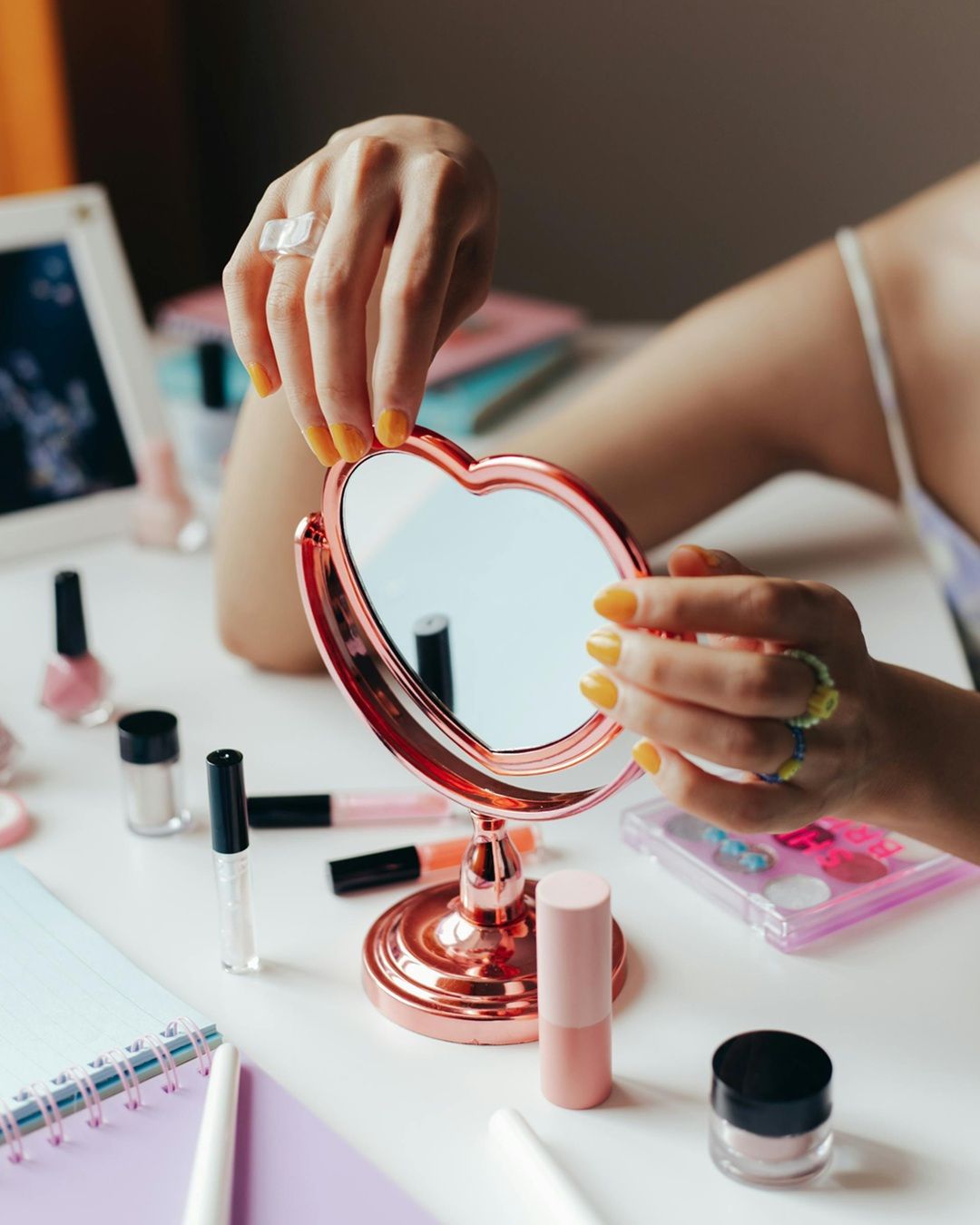
They look right, promise the right results, and have just the right price. These are beauty dupes, the low-cost versions of high-end beauty products taking over feeds and wishlists everywhere, especially on TikTok, which has become their golden temple. Charlotte Tilbury’s highlighter out of budget? There’s an "exact copy" on TikTok Shop, or so they claim. But the line between a dupe and a chemical disaster is razor-thin, and you often find out only when your skin starts to burn. Because, beneath the pastel packaging, not all dupes are created equal, affordable, or reliable.
When a dupe is too dupe to be true
Not all beauty dupes are counterfeit or dangerous, and not all are scams dressed as bargains. Originally, a "dupe" was just a way to describe a product similar to an iconic one: same effect, similar texture, comparable results, but without the sky-high price. Made properly, transparently, with safe, declared ingredients. So far, so good. But then came the international marketplaces, Temu, AliExpress, TikTok Shop, Shein, and friends, that raised the imitation game from "similar" to "carbon copy", often with no control over ingredients, safety standards, or production transparency. That smart alternative? It becomes a potentially dangerous gamble, where your health is the expendable variable. A study by BEUC, the European Consumer Organization, revealed that 82% of cosmetics sold on these platforms do not comply with EU regulations. That means: no clear labeling, unverifiable ingredients, irregular formulas, zero traceability, banned dyes, or worse, toxic ingredients disguised as moisturizers.
@lestrepublicain Les "dupes" beauté, copie bon marché de produits cosmétiques, cartonnent sur les réseaux sociaux. Mais derrière ces bonnes affaires se cachent de vrais risques pour la santé, selon les spécialistes #dupes #cosmetique #santé #dupealert #beauté #sinformersurtiktok son original - L'Est Républicain
What are we really putting on our skin?
Behind those pastel bottles and glittery packaging often lies content more suited to a criminal lab than a certified cosmetics facility. According to toxicologist Stéphane Pirnay, director of the French lab Expertox, it’s increasingly common to find products containing heavy metals like lead, arsenic, mercury, and cadmium. (Yes, you read that right. No, it’s not a horror movie.) You can also find phthalates, formaldehyde, and other substances classified as endocrine disruptors, meaning they can mess with your hormones. Add to that mix biological residues like bacteria, urine, feces, even feathers and microscopic stones, and you’ve got the full picture. The result? Red, inflamed skin, severe acne, allergic reactions, chronic dermatitis, eye infections, and in more serious cases, internal damage to organs like the kidneys or liver.
The sunscreen that… doesn’t protect
Yes, there are dupes for SPF too. But calling them that is generous. Professor Laurence Coiffard, pharmacist and cosmetics lecturer at the University of Nantes, analyzed some €3 sunscreens sold online as “SPF 50+.” The result? None contained functional UV filters. Basically, they were perfumed moisturizers with glitter, completely useless against sun exposure. So while you’re confidently applying your "dupe" sunscreen and basking in the sun, your skin is left unprotected against the worst effects of UV rays: premature aging, hyperpigmentation, and a significantly increased risk of skin cancer.
TikTok loves them, but your skin might not
The charm of beauty dupes is massively amplified by social media, where influencers, creators, amateur make-up artists, and excited teens fuel the hype with unboxings, first impressions, and live product comparisons. Add hashtags like #DupeAlert, #TikTokMadeMeBuyIt or #GlowOnABudget, racking up billions of views, and you’ve got a cultural phenomenon. But the algorithm doesn’t care where that product came from, who made it, or what’s actually inside it. So a foundation that looks like Fenty Beauty’s gets promoted by dozens of accounts, even though no one knows who manufactured it, where, or to what standards. The result? Young consumers (often very young) buying carelessly and ending up with products that don’t just underperform, but cause real skin damage. According to Trustpilot, nearly half of under-30s have had at least one bad experience buying beauty dupes online. Some received damaged goods, others suffered serious skin reactions, and many never received anything at all. Yet the urge to join the viral conversation and have the "right" product at the right time keeps millions clicking "buy" without thinking twice.
The eco-toxic side of dupes
If you think the damage ends with your skin, think again. Most low-cost beauty dupes come from untraceable industrial facilities, where sustainability and hygiene are just decorative terms. The materials used are almost always non-recyclable, the packaging needlessly bulky, and the formulas made with scraps or low-quality substances. You’re essentially buying pre-packaged waste. Poorly made beauty dupes have short lives: they degrade quickly, often spoil, and get tossed in the trash within weeks. This fuels an unsustainable cycle that completely contradicts the ethos of slow beauty and industry efforts toward reusable packaging, refillable formulas, and low-impact ingredients. And it gets worse: behind those dirt-cheap prices is a murky production chain. It’s nearly impossible to verify whether workers are treated ethically, paid fairly, or working in safe conditions.
@lizkennedy__ Never buy fake #skincare on Amazon again! Just like fake bags exist so does skincare but this can actually be very damaging for the skin. #fakeskincare original sound - Liz Kennedy
Is there a middle ground? Yes, and it has a readable INCI
Some brands have built their identities around the idea of making beauty accessible without sacrificing quality or transparency. Brands like e.l.f., The Ordinary, Revolution, Catrice and Essence offer low-cost but well-formulated products with tested, declared ingredients that meet EU standards. The difference lies in traceability: you know who made them, where, how, and what you’re putting on your skin. If you buy from official retailers, certified websites, or trustworthy physical stores, you really can get that "dupe effect" without compromising your health or your environmental conscience. There are even tools to help you decode an INCI (ingredient list), like apps and specialized websites.
So how do you tell a safe dupe from a viral trap?
The trick is real this time. Here are the basic rules to protect yourself (no cosmetic chemistry degree needed):
- If the price is too good to be true, it probably is.
- No ingredient list = red flag.
- Avoid buying beauty from platforms without EU regulation (Temu, TikTok Shop, AliExpress, etc.).
- Look for certifications: CE, cruelty-free, dermatologically tested.
- Stick to official websites or authorized retailers.
If a product causes burning, redness, or weird reactions: stop using it immediately and contact a doctor. Then report it to AIFA’s Cosmetovigilance portal.
@hoshi_gato Important notes! I’ve used the word “ethanol” In the captions in place of another word TikTok doesn’t like. It’s a more specific term. I’ve also talked about how to avoid perfumers who are unsafe in the past. I can do it again if you want since it’s been a while. Basically, it is then to prove they’re safe. I would NOT trust their word on it. They should have all available safety info and labeling. Including a full list of allergens in their ingredients, but just “Perfume and ethanol”. This is not difficult to provide for anyone that actually does the work to ensure compliance. #perfumery #perfume #nicheperfume #nichefragrance #fragrance #ifra #perfumedupe #perfumeclone #attar original sound - Hoshi Gato - Niche Perfumery
Beauty, yes, but keep your brain switched on
The truth is simple. The concept of a dupe isn’t the enemy. The real issue is the lack of rules, blind virality, and absence of transparency. It’s how easily we let ourselves be seduced by cute packaging without thinking about what we’re really buying. In a world where even skincare is content, it’s easy to forget that what we put on our skin enters our body, and beauty should never come at the expense of health. So the next time you see a product "just like Kylie’s" for €1.99, ask yourself: Is it really a steal? Or is it a colorful trap that will end up costing you way more than you think?