












































My voice, my choice conquers the European Parliament Sexual and reproductive health is not a concession, but a fundamental human right
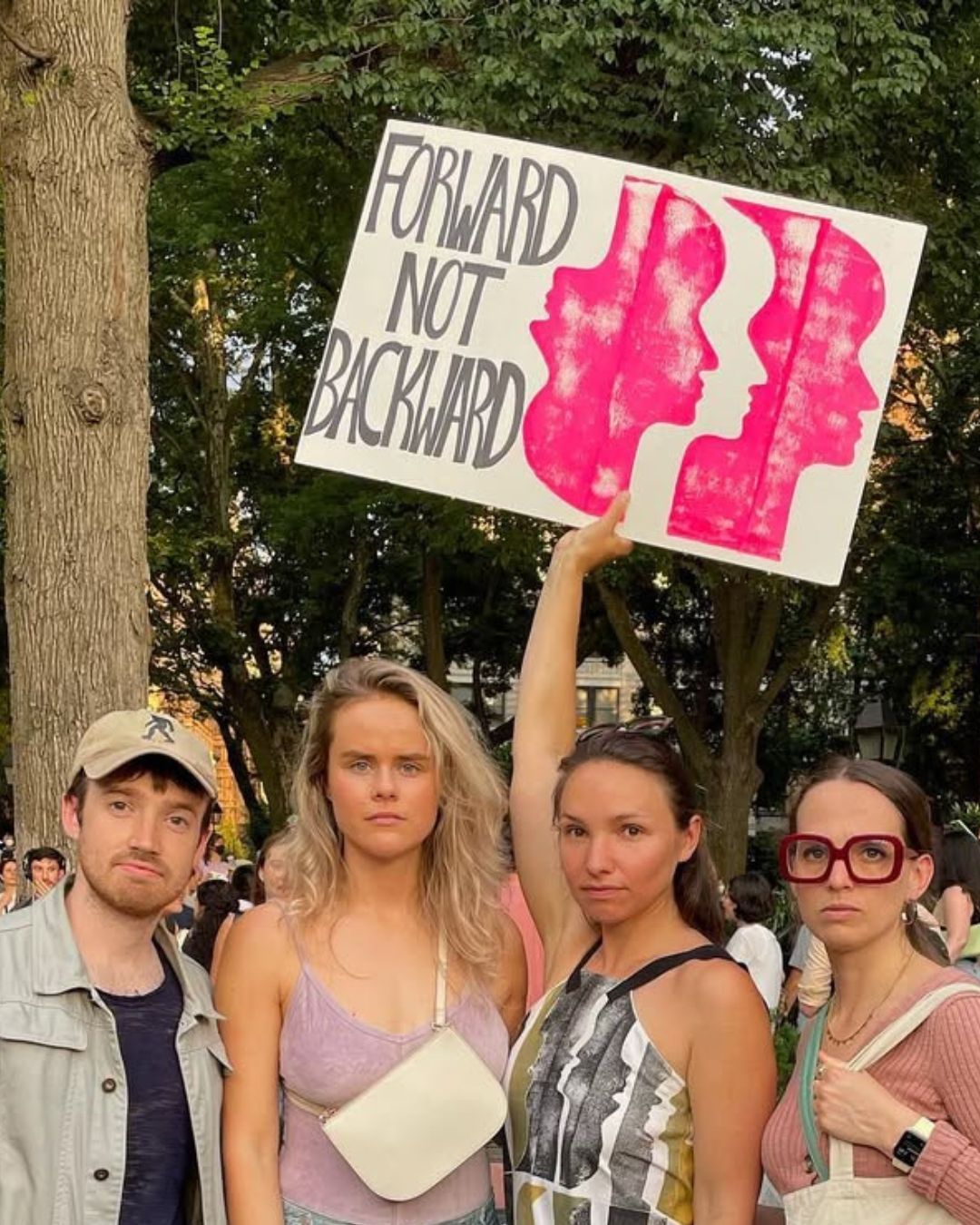
“My voice, my choice” is not just a slogan, but a political stance. With the adoption of a non-binding resolution in support of safe and accessible abortion, the European Parliament has taken an important step in recognising that sexual and reproductive health is not a concession, but a fundamental human right. The vote - 358 in favour, 202 against and 79 abstentions - captures an Europe that is still deeply divided, but also a political majority that is aware that inequalities in access to voluntary termination of pregnancy are no longer tolerable. In many Member States, abortion remains a limited right, hindered or effectively inaccessible. Not because of a lack of laws, but due to economic, ideological, geographical and cultural barriers that disproportionately affect women and people who can become pregnant.
My voice, my choice: this is just the beginning
According to the data cited in the context of the European Citizens’ Initiative My Voice, My Choice, more than 20 million women in Europe do not have access to safe abortion. An enormous number that exposes the hypocrisy of a continent that calls itself the cradle of human rights while, in practice, leaving millions of people alone when faced with decisions concerning their own bodies, health and lives. The European Parliament has chosen to support the Initiative’s demands by proposing the creation of a voluntary financial solidarity mechanism, open to Member States willing to participate. A fund also supported by European Union resources, designed to guarantee access to safe and legal abortion for people who cannot obtain it in their own countries. This is not about imposing a single model, but about creating a concrete tool to protect rights, respecting national legislation while overcoming the most serious inequalities.
The political core of this resolution lies precisely here: in acknowledging that Europe can no longer look the other way. When a woman in Poland dies because doctors fear legal consequences even in life-threatening situations; when abortion is formally legal but effectively unattainable; when conscientious objection becomes a systemic obstacle; when the economic cost of the procedure falls entirely on individuals, then we are no longer dealing with a personal choice, but with a structural violation of rights.
A battle that is not only ideological, but a matter of life or death
Poland is one of the most dramatic examples. Near-total abortion restrictions have already had deadly consequences. Women left without adequate care, pregnancies carried to term against all medical advice, and a climate of fear that endangers not only patients but also healthcare professionals. It is unacceptable that in 2025, at the heart of the European Union, people are still dying due to lack of access to safe reproductive healthcare.
Italy too
But the problem does not concern only countries with highly restrictive legislation. Even where abortion is legal, as in Italy, real access is often compromised. A lack of facilities, an extremely high number of conscientious objectors, and territorial inequalities force many women to travel hundreds of kilometres, wait weeks, or seek alternative and unsafe solutions. The right exists on paper, but is hollowed out in practice.
On top of this comes the economic factor. In many contexts, abortion is not completely free or involves indirect costs - travel, lost workdays - that weigh most heavily on the most vulnerable people. Once again, the ability to choose depends on income and where one lives. An inequality the European Union cannot ignore. In the adopted resolution, Parliament also underlines the central role of the EU in promoting sexual and reproductive health and rights more broadly: sex education, access to contraception, information on family planning, and maternal care. Abortion is not an isolated issue, but part of a system of rights that concerns bodily autonomy and freedom of self-determination.
The ball is now in the European Commission’s court
Finally, the resolution takes a clear political stance against the rollback of women’s rights and against anti-gender movements that, in the name of an alleged defence of traditional values, aim to limit fundamental freedoms and delegitimise those who defend them. Attacks on activists, NGOs and human rights defenders are not isolated incidents, but part of a broader strategy that must be recognised and challenged. The words of rapporteur Abir Al-Sahlani after the vote are unequivocal: this result is a victory for European citizens who chose to participate and make their voices heard. Democracy is not only delegation, but also active participation. Now the ball passes to the European Commission, which has until March 2026 to indicate which measures it intends to adopt. Political choices will be decisive: stopping at statements of principle or turning this momentum into concrete tools. Because rights that cannot be enforced remain empty promises.
What to read next

Il profilo dell’altra and Giorni felici: two stories about female characters, two wasted opportunities
One is directed by Francesco Bruni, the other by Susanna Nicchiarelli. Both were presented at the Rome Film Festival
Raye is the protagonist of Zalando's most ambitious cultural project ever
It's called Access All Areas (AAA) and it will take place on April 25 in Berlin