









































Every time Donald Trump has disrespected women And how it influences and worsens public discourse
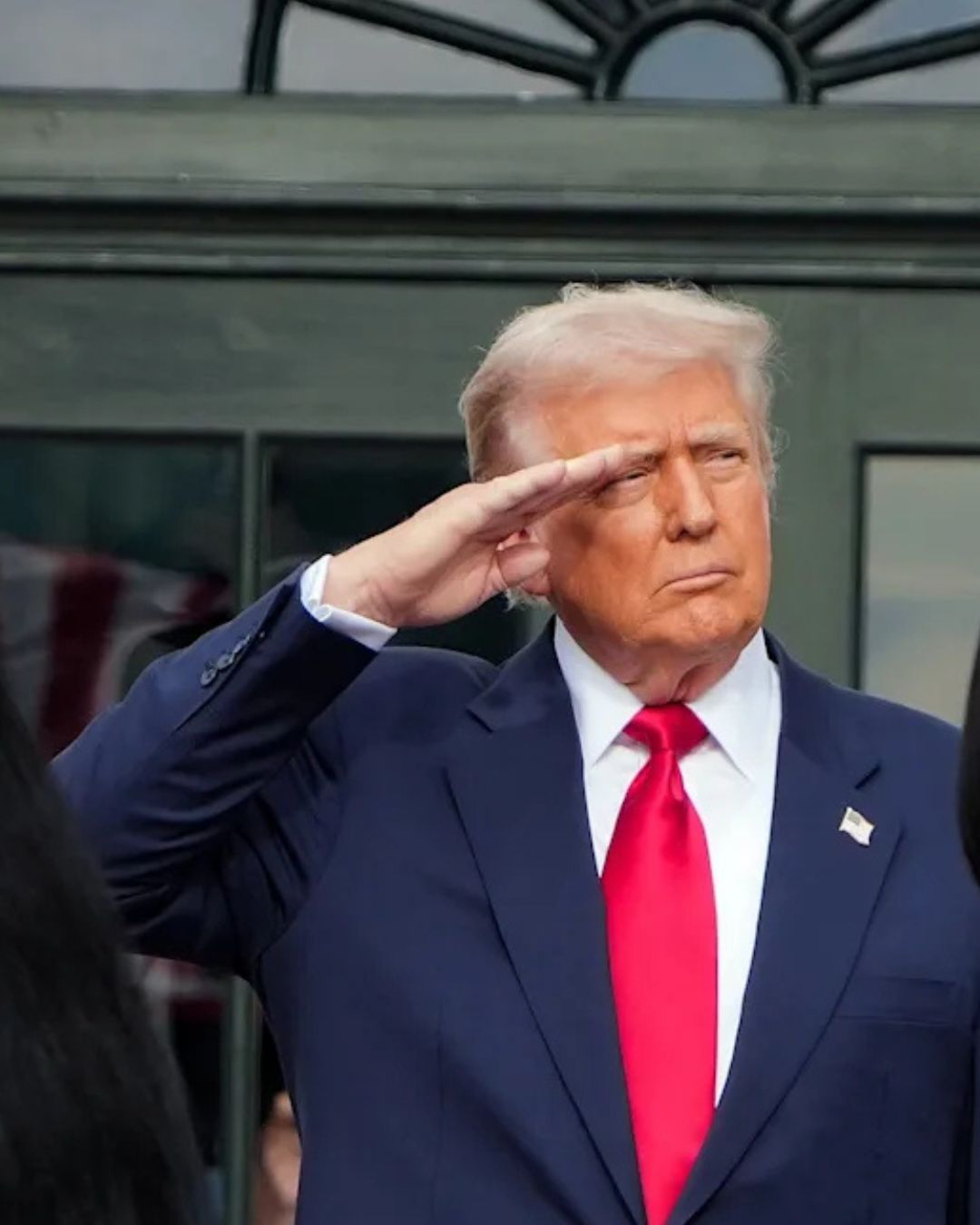
The episode "Quiet, piggy," a label recently directed at Bloomberg journalist Catherine Lucey while she asked for clarifications on the Epstein case, is neither a random incident nor a simple verbal slip. It is yet another confirmation of a communicative pattern that Donald Trump has employed for years: devaluing, ridiculing, and silencing women through language.
A consolidated approach: Donald Trump and women
Over the past two years, in fact, the sequence of episodes has grown longer and has taken on an increasingly coherent form. In 2024, during a rally in Wisconsin, Trump declared that he would protect women, whether they like it or not, a paternalistic phrasing that suggests an outdated idea: women are not autonomous subjects, but figures to manage and control. The statement drew criticism across the board, including from Kamala Harris, who described those words as reflecting an antiquated and disturbing vision. Also in 2024, the former president attacked Harris’s appearance, saying he was much more handsome than her. Not a political judgment, but yet another aesthetic reduction. The Washington Post notes that this is a recurring trait of his language: when the interlocutor is a woman, criticism quickly shifts to the body, appearance, and image.
@reuters President Trump drew fresh criticism after a video surfaced on social media of him telling a reporter "quiet, piggy" on Air Force One, days after the November 14 interaction. Trump was en route to Florida when he made the comment in response to a question about the Epstein files. The Republican-controlled U.S. House of Representatives since voted almost unanimously to force the release of Justice Department files on the late convicted sex offender Jeffrey Epstein, an outcome Trump fought for months before ending his opposition. #donaldtrump #trump #epstein #epsteinfiles #airforceone original sound - Reuters
The objectification of female political opponents and the press in Donald Trump’s electorate
Another episode, occurring in 2025, saw Trump address a journalist during an event with Javier Milei with a comment that became emblematic of his approach to questions from women: I just like to watch her talk… thank you, darling. He does not answer, does not argue: he observes and diminishes. It is a form of everyday, normalized sexism that turns a professional into a decorative element. During the same period, the climate generated by his communication echoed online as well. According to an analysis by the Institute for Strategic Dialogue reported by NDTV, after his re-election, there was a significant increase in misogynistic content on platforms like TikTok, from the classic get back to the kitchen to the more political repeal the 19th, referencing women’s right to vote. It is the cultural effect of a language that ultimately makes sexism more acceptable, almost legitimate. These recent episodes fit into a well-known history: attacks on Megyn Kelly (blood coming out of her… wherever), those on Alicia Machado (Miss Piggy), the Look at that face! aimed at Carly Fiorina, the "nasty woman" directed at Hillary Clinton, the comment on Mika Brzezinski (bleeding badly from a face-lift). These are not isolated provocations, but a stable repertoire that uses the female body as a target and language as a weapon.
The most powerful (and dangerous) man in the United States
In all of this, the point is not to determine whether Trump is sexist or not—that seems fairly obvious: the point is to understand how public language, especially when it comes from the most powerful figure in the country, helps define what is socially tolerated. Silencing a journalist live on air suggests that it is legitimate to do so. Ridiculing a candidate’s appearance reiterates that women’s bodies are always debatable, assessable, and judgeable. Turning a female voice into background noise reproduces an ancient hierarchical order, where the man speaks and the woman listens.
The case of Quiet, piggy, therefore, is not just a daily news item, but a piece of a larger cultural mosaic. Analyzing it, reporting it, and connecting it to previous episodes is not a moralistic exercise: it is a way to show how words continue to shape public space and how sexism, when normalized from the top, becomes more difficult to recognize and challenge. It is not just about what Trump says. It is about the effect his words produce: an environment in which women who speak still have to prepare to be diminished, judged, or silenced.