




















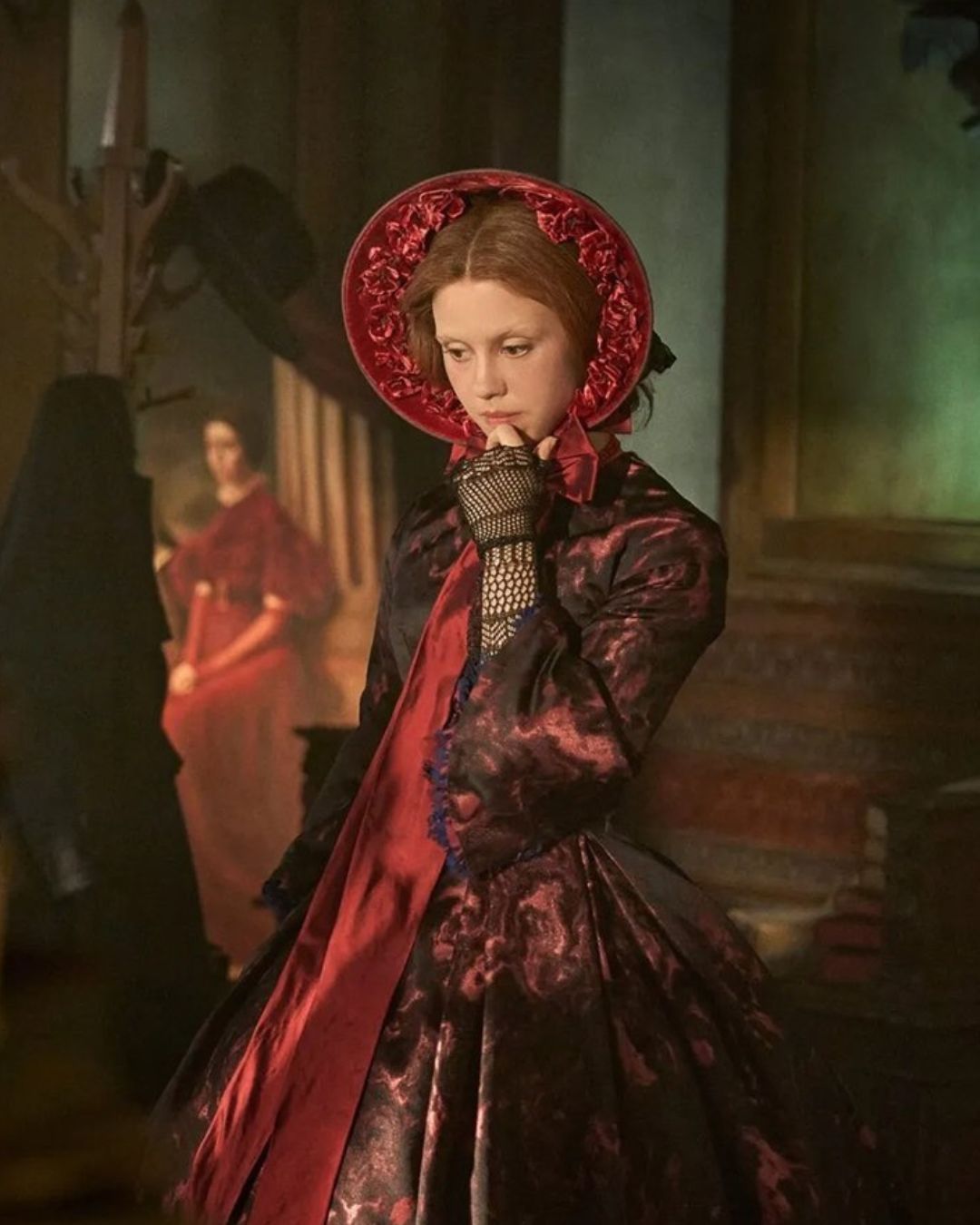
Motherhood is scary, as Mary Shelley tells us in Frankenstein The Female Gothic according to Guillermo del Toro
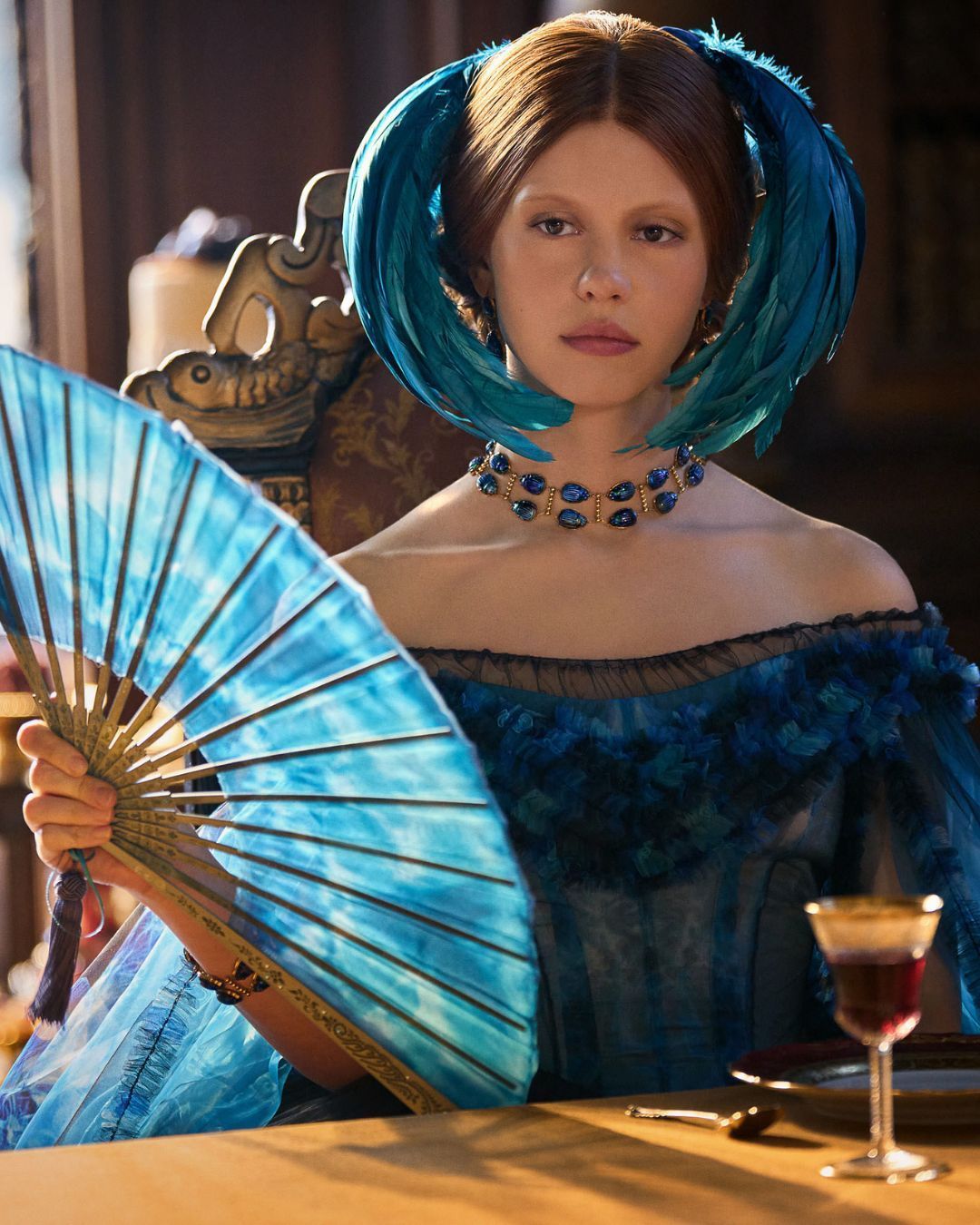
Frankenstein, the modern Prometheus, the mad scientist who, through intellect and obsession, was able to give life and defy death. As an avid reader, I’ve always been drawn to stories that transcend time, remaining relevant and captivating even centuries later. That’s exactly the case with Mary Shelley’s 1818 novel, which left an indelible mark on collective imagination with the figure of the Creature. A figure that returns once again in Guillermo del Toro’s new adaptation, coming to Netflix on November 7.
The importance of Frankenstein and Mary Shelley in world literature
Why has this book become so significant? What makes this story so gripping and hypnotic? Mary Shelley masterfully crafted an imaginary world that continues to help us explore one of the most complex and uncomfortable themes: motherhood. Becoming a mother can be one of the most terrifying experiences, fear of not carrying a pregnancy to term, the pain of childbirth, the risk of losing everything in an instant, or the dread of no longer recognizing oneself in the creature brought into the world. Shelley managed to capture the dark side of parenthood, framing it indirectly through what became one of the most haunting horror stories ever written.
@theculturedump Follow-up to my last video on 18thC Gothic novels! (note: when I say ‘18thC’ I mean ‘long 18thC’ which goes up to the end of Romanticism in the 1820s!). 1. Edgar Allan Poe, various writings (1830s–1840s) 2. Charles Dickens, Bleak House (1853) 3. Charlotte Brontë, Jane Eyre (1847) 4. Emily Brontë, Wuthering Heights (1847) 5. Wilkie Collins, The Woman in White (1859) 6. Sheridan Le Fanu, Carmilla (1872) 7. Robert Louis Stevenson, Strange Case of Dr Jekyll and Mr Hyde (1886) 8. Oscar Wilde, The Picture of Dorian Gray (1890) 9. Vernon Lee, Hauntings (1890) 10. Richard Marsh, The Beetle (1897) 11. Bram Stoker, Dracula (1897) 12. Henry James, The Turn of the Screw (1898) #booktok #gothic #horror #culture #halloween original sound - Dr. Rebecca Marks
The Female Gothic
To explain this properly, I need to start by citing Ellen Moers, an American literary scholar who coined the concept of the Female Gothic. This term refers to works written by women from the 18th century onwards that belong to the Gothic genre. This tradition is built on fear: fantasy dominates reality, the strange overcomes the ordinary, and the supernatural replaces the natural, all with a clear authorial intent: to frighten. It aims to provoke a visceral reaction; Mary Shelley herself said she wanted Frankenstein to be the kind of ghost story that would “make the reader’s blood run cold and quicken the beat of the heart.”
Female Gothic books to read if you loved Frankenstein
Within the Female Gothic tradition, we also find novels like The Mysteries of Udolpho by Ann Radcliffe, Northanger Abbey by Jane Austen, and Jane Eyre by Charlotte Brontë. Ellen Moers argued that these writers used the Gothic to explore the problematic nature of female subjectivity within patriarchal Western culture. By rereading these novels through the lens of female experience, we can see how Gothic conventions - fear, anxiety, claustrophobia - symbolize the threats and constraints women have faced and continue to face. Mary Shelley’s Frankenstein is the ultimate example: even without a central female heroine or victim, it rewards examination through the fact that it was written by a woman. Frankenstein, in essence, is a myth of birth, a myth possible only because it came from the imagination of a novelist who was herself a mother.
@quinnharloww she was also a bisexual queen #fyp original sound - quinnharloww
The themes of Frankenstein and Guillermo del Toro’s film
Premature births, children out of wedlock, infants lost too soon: there’s no need to delve deeply into the author’s biography; her work speaks for itself. Frankenstein, the scientist who gives the novel its name, ultimately abandons his newborn monster, who remains nameless. Here, according to Ellen Moers, is where Shelley’s work becomes most compelling, most powerful, and most feminine: in its portrayal of revulsion toward newborn life and in the drama of guilt, terror, and escape that surrounds birth and its consequences. Fear and guilt, depression and anxiety are all common responses to childbirth, well within the spectrum of normal human experience. Yet Shelley, even indirectly, wrote a novel that investigates the most unsettling and terrifying aspects of motherhood, standing in stark contrast to the idealized maternal depictions found in her contemporaries’ works. To explore these ideas further, I recommend reading Literary Women by Ellen Moers (sadly not available in Italian) and The Monstrous-Feminine by Jude Ellison Sady Doyle. Now, all that’s left is to see how Guillermo del Toro will bring this theme to life in his own way.