








We are afraid to choose, or the paradox of Sylvia Plath's fig tree Experts call it decision paralysis: it involves technology, but that's not it
Have you ever opened TikTok (or for the more nostalgic, Tripadvisor) to look for a new restaurant and ended up lost among conflicting reviews, sponsored videos, and "hidden gems" recommended by different creators, only to land in the same old pizzeria? Or found yourself constantly indecisive about which new book to read, staring at an endless list you keep (relentlessly) updating? If so, you’re probably familiar with that suspended feeling psychologists call decision paralysis: the kind of choice paralysis that seems to follow us everywhere these days, from minor everyday decisions to the bigger, life-altering ones.
The fig tree paradox
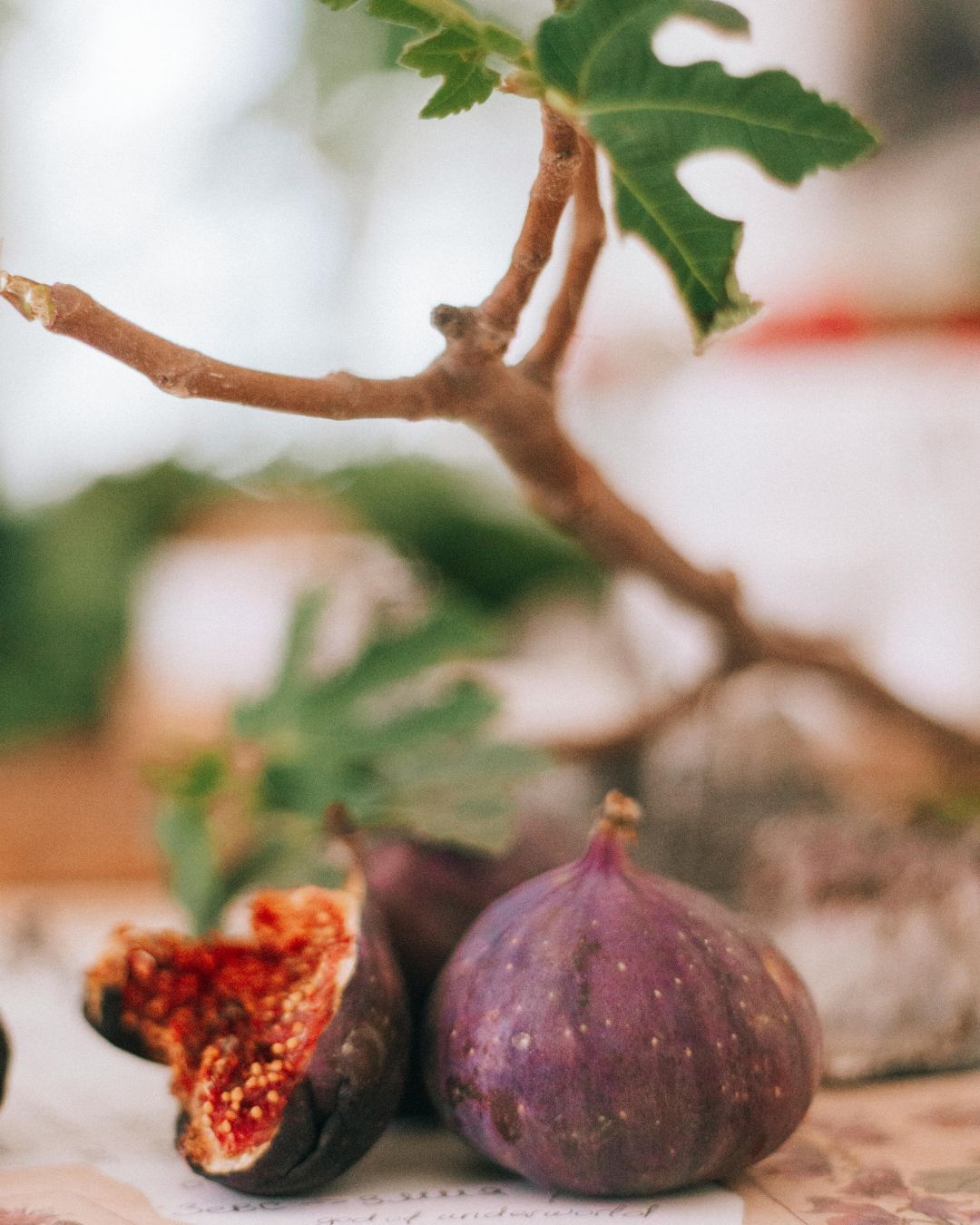
The phenomenon isn’t new. Writer Sylvia Plath famously described it in the fig tree paradox. In her novel The Bell Jar, the protagonist Esther Greenwood imagines her life as a tree full of figs, each representing a different possibility. Career, love, travel: while she hesitates over which one to pick, the fruits fall to the ground and rot. It’s a powerful image that perfectly captures our modern condition: the fear of choosing a path because it means giving up all the others. Today, we live out the same dilemma, but updated for our times: infinite options, algorithms suggesting more, and the anxiety of picking the “wrong” one.
@zane.rod sylvia plath.. the genius you were. #fyp #foryoupage #foryou #poetry #writing #sylviaplath #thebelljar #literarytok #literature #feminist #booktok #writer #figtree original sound - random_stuff
From FOMO to FOBO
Psychologists refer to the paradox of choice, a concept popularized by Barry Schwartz: having too many options doesn’t make us happier, it actually makes us more frustrated, as it raises expectations and increases the risk of regret. The more choices we have, the more likely we are to think we’ve made the wrong one. And then there’s FOBO (Fear of Better Option)—the fear that somewhere, a better alternative is always out there. It’s that sense of dissatisfaction you feel when looking at an overly long menu, or after hours spent comparing products online without ever making a purchase.
The (illusory) infinite possibilities of social media and AI
Today, social media and artificial intelligence make this paradox even more obvious. TikTok bombards you with endless weekend ideas, Instagram floods you with perfect lives, YouTube offers "top 10s" of everything, and ChatGPT can provide twenty different answers to the same question. On one hand, technology gives us useful tools to make more informed decisions; on the other, it exposes us to an informational overload that destabilizes us, feeding our anxiety about choosing "correctly". The truth is, even when we rely on algorithms, the final responsibility is still ours, and that can feel even more paralyzing. Another crucial aspect is the emotional dimension. Decision-making is never purely rational: there’s the fear of getting it wrong, wasting time, money, or energy, but also the pressure of social comparison (which is now mostly digital). Constantly seeing other people’s choices - trips, relationships, careers - makes us feel like there’s one perfect option out there we must absolutely find. But, as often happens, perfection is an illusion.
Learning to choose (again)
So how do we break free? Experts suggest some practical strategies: limit your options (choose between three restaurants instead of ten), set clear criteria (what really matters to me in this decision?), and embrace mistakes as an inevitable part of the process. Also, automating everyday micro-decisions - from your Monday outfit to tomorrow’s office lunch - can save energy for bigger choices. Taking digital breaks, especially from social media, can also help you focus on what you truly need, without too many outside inputs. Often, the real challenge lies in rebuilding trust in our own judgment. Because the biggest risk isn’t making the wrong choice: it’s not choosing at all. As Sylvia Plath’s fig tree reminds us, waiting for the perfect option often means watching all the fruit fall to the ground, ending up empty-handed. Whether it’s a movie to watch on Netflix, or a decision that could drastically change your life. Maybe even for the better.