

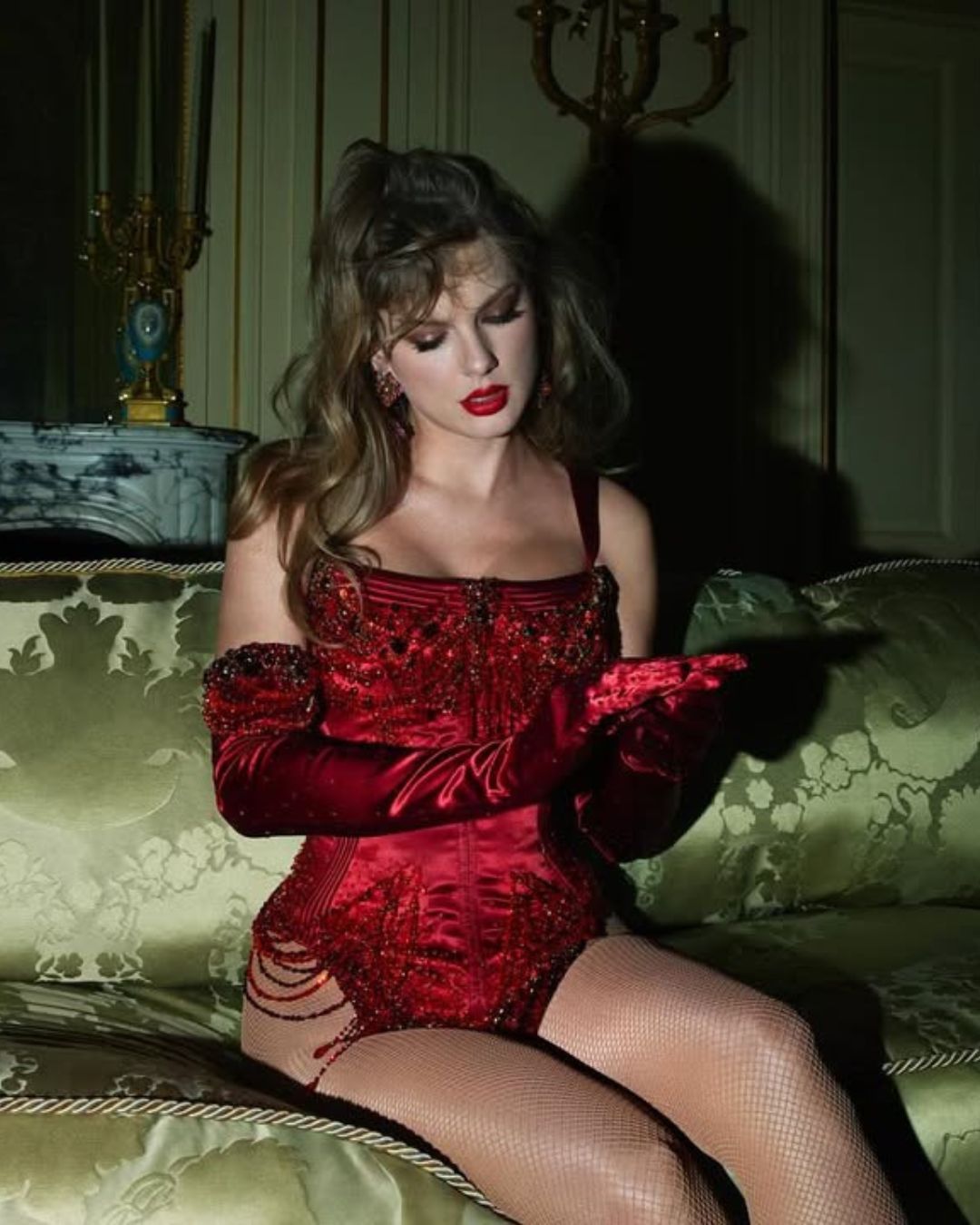
Something has broken between Taylor Swift and her fans Not convincing lyrics, the use of AI and unnecessary deluxe editions have strained a relationship that seemed destined to last forever
Miss Americana strikes again and, this time, it’s a low blow. Sharp, clean, the kind that leaves you both surprised and annoyed for falling for it yet again. The first time, maybe it was on her - but by the third, we should’ve learned our lesson. Taylor Swift dropped her long-awaited new album, The Life of a Showgirl, on the night between October 2 and 3 and fans are not happy. That’s right: the diehard Swifties, a true army that makes the Directioners and Beliebers look small, are losing faith. And the reasons are many. On Twitter, disappointment is palpable, and Swift’s dominance seems to have cracked. But has it, really?
im yelling timber pic.twitter.com/wfJ0rUCbAX
— . (@livyoncee) October 6, 2025
Criticism of Taylor Swift’s new album: the lyrics of The Life of a Showgirl
The first critique, the more “literary” one, concerns the lyrics. Fans (and haters alike) have noticed a decline in quality compared to the acclaimed Folklore and Evermore eras. In The Life of a Showgirl, Taylor Swift returns (did she ever really leave?) to teenage patterns (“Eldest Daughter”), gets erotic in a way many find a bit cringe (“Wood”), abandons literary references almost entirely (except for hinting that Shakespeare’s Ophelia might’ve been happier if she’d fallen for a buff guy), and uses dated, meme-ish phrases like “Did you girlboss too close to the sun?” in “CANCELLED!”, where she also sings “Good thing I like my friends cancelled,” possibly referring to Blake Lively or her fiancé’s MAGA friends. The return of the subtle jabs hasn’t gone unnoticed either - this time seemingly aimed at Charli XCX. In the past, it was Katy Perry. Overall, this album carries an immature and shallow narrative that doesn’t align with the artistic expression of a woman about to turn 36 - one that feels more suited to her teenage fans. It’s an objective regression compared to her previous phase, a downward trajectory that, we can now admit, began with Midnights.
This is the most “slams laptop shut” “but first, coffee” “we are the daughters of the witches you couldn’t burn” ass album I have ever heard
— Imagine Dragons Hate Account. (@_21Average_) October 3, 2025
AI use, alternative covers, and Travis Kelce
To make matters worse, more criticism is piling up around the endless stream of alternative/acoustic/deluxe versions - a marketing game designed to boost sales and break records while draining fans’ wallets and feeding the collector’s obsession within the fandom. Even the most loyal Swifties are beginning to feel exploited and deceived. About time. The final straw? The use of generative Artificial Intelligence for a promotional video right after she herself became a victim of unregulated AI use, especially in deepfake pornographic videos made with her likeness. Hypocrisy or convenience? You be the judge. In the desperate search for explanations behind this string of tone-deaf decisions, some users have blamed her relationship with Travis Kelce, claiming he isn’t quite the muse her ex, actor-artist Joe Alwyn, once was.
i miss when taylor was doing things worthy of liking https://t.co/oMaOFgoKD4 pic.twitter.com/fFbEvR882f
— K (@taysdamndaylght) October 5, 2025
What’s happening to Taylor Swift? Liberal feminism and detachment from reality
The real answer is probably a mix of internal and external factors. If a star’s success is now measured primarily by numbers (and audiences’ obsession with charts and records proves it), then it’s no surprise that a brand like Taylor Swift keeps chasing higher ones. With massive success (and the constant chase for more) comes a disconnect from reality perhaps inevitable, but no less unsettling. One thing’s for sure: to stay relevant, Taylor Swift wants, and needs, to appeal to as many people as possible. This, combined with her MAGA-adjacent friendships, her football-star fiancé, her careless use of Artificial Intelligence and private jets, and her extreme wealth, forces her not only to bend to mainstream logic but also to lose touch with reality, to victimize herself and cast herself as a tragic anti-heroine, even as she nears 40: rich, blonde, able-bodied, and traditionally beautiful. In doing so, she betrays the ideals she once brandished as both weapon and banner when convenient, during the Reputation and Lover rebrands that catapulted her into global superstardom. That world - the unimaginable one - now seems to have slipped from her grasp. And it likely will continue to, because she’s shown time and again that her activism doubles as personal redemption, that she only acts when something affects her directly, that the ones buying her vinyls are sixteen-year-olds, and that - at her core - Taylor Swift is a privileged white woman who has fewer and fewer meaningful things to say, yet an ever-growing need to stay afloat. Maybe it’s time we admit that to ourselves.