






























Happy birthday, Gossip Girl 18 years of glitz, scandals, and lessons that would spark debate today
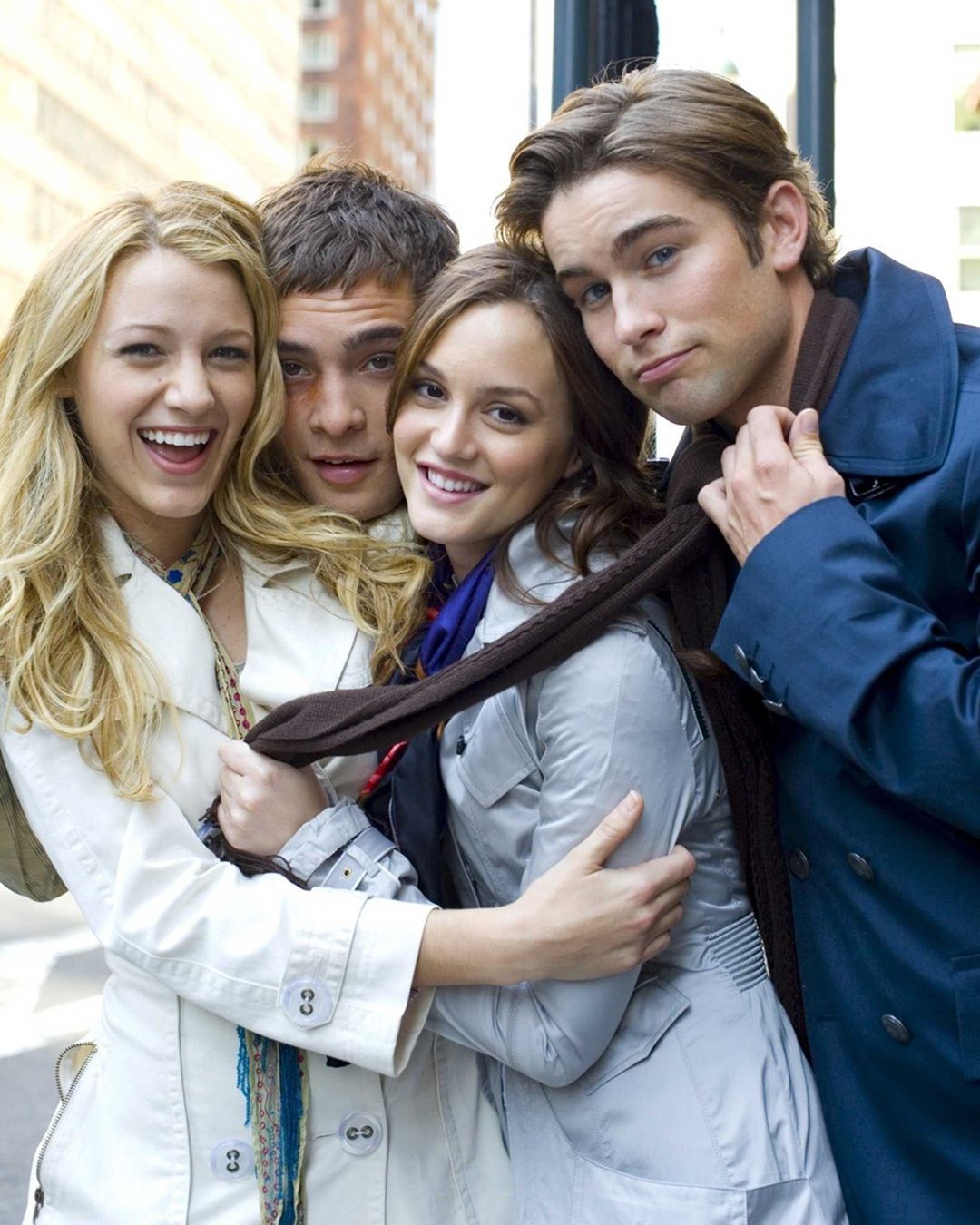
Eighteen years ago, Manhattan was conquered by a group of flawless and ruthless teenagers: Gossip Girl wasn’t just a TV series, it was a cultural phenomenon. Exclusive parties, dream outfits, gossip that made or broke reputations, for Millennials and the early Gen Z teens, myself included, Josh Schwartz and Stephanie Savage’s teen drama was much more than entertainment, it was a Bible. It was a mirror of desires, insecurities, and ambitions, and it defined an idea of reckless adolescence that had no precedent. Today, however, looking back also means reflecting on the show’s darker sides: classism, bullying, and toxic relationships that were presented as normal, elements that in 2025 would be hard to portray without provoking harsh criticism.
Gossip Girl today: the golden dream and its shadows
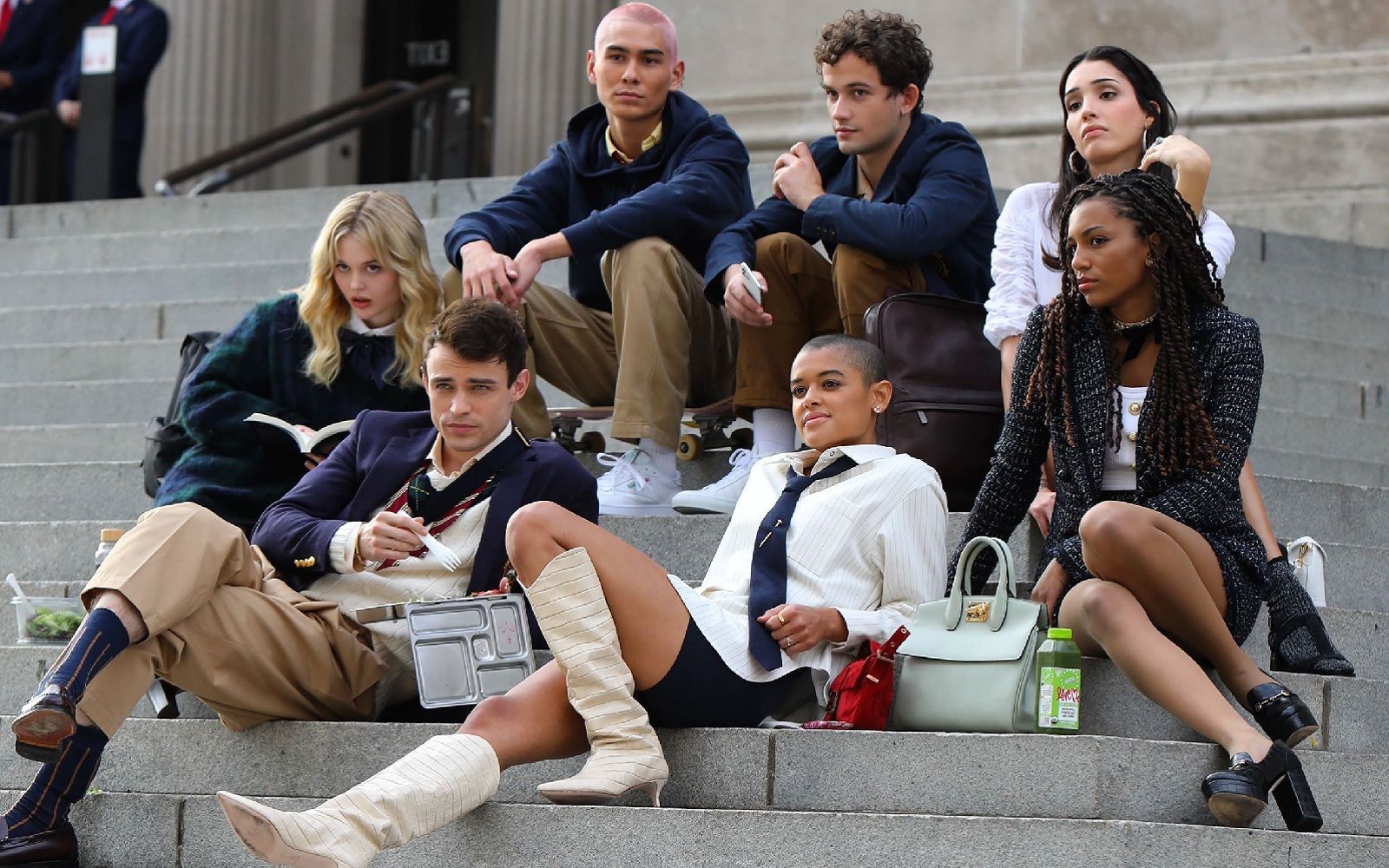
Part of Gossip Girl’s charm lies in the construction of a hyper-realistic and seductive universe: the Upper East Side was a stage where every outfit, location, and party told who you were and what place you held in society. Blair Waldorf, Serena van der Woodsen, and Chuck Bass weren’t just main characters: they were style icons, but also symbols of a selective and exclusive world where wealth defined social value. In this sense, the series is a handbook of class and hierarchies: schools, parties, and even romantic relationships were often determined by family wealth and prestige. For young viewers, this created fascination but also carried an implicit message: success and popularity depend on money and privileged networks. Partly true, but in 2025 this kind of narrative would be contested, facing an audience more attuned to issues of privilege and social inequality.
Love and power: toxic relationships framed as romance
Another problematic dimension concerns the representation of personal relationships. Revenge, betrayal, and manipulation were central to the plot and often presented as a game or romantic strategy. Chuck Bass, in particular, is emblematic: charming and charismatic, but often abusive. Extreme jealousy, control, manipulative behavior were portrayed as “complicated passion” or dramatic romance. A series today could not afford to normalize such dynamics without a clear critical stance. Even peer bullying would now rightly be interpreted as psychological abuse. The lightness with which the show treated these themes reflects the cultural norms of 2007, but also serves as a reminder of how much perceptions of respect and protection for young people have changed.
Luxury as spectacle and fame as punishment
Gossip Girl also anticipated the importance of social networks: the anonymous voice spreading gossip was a proto-Instagram, a feed of scandals and secrets shaping reputations. This aspect makes it strikingly current, foreshadowing the digital dynamics that define young people’s lives today. However, the underlying message is often ambiguous: fame can be both reward and punishment, but the moral is never clear.
Fashion, aesthetics, and cultural influence
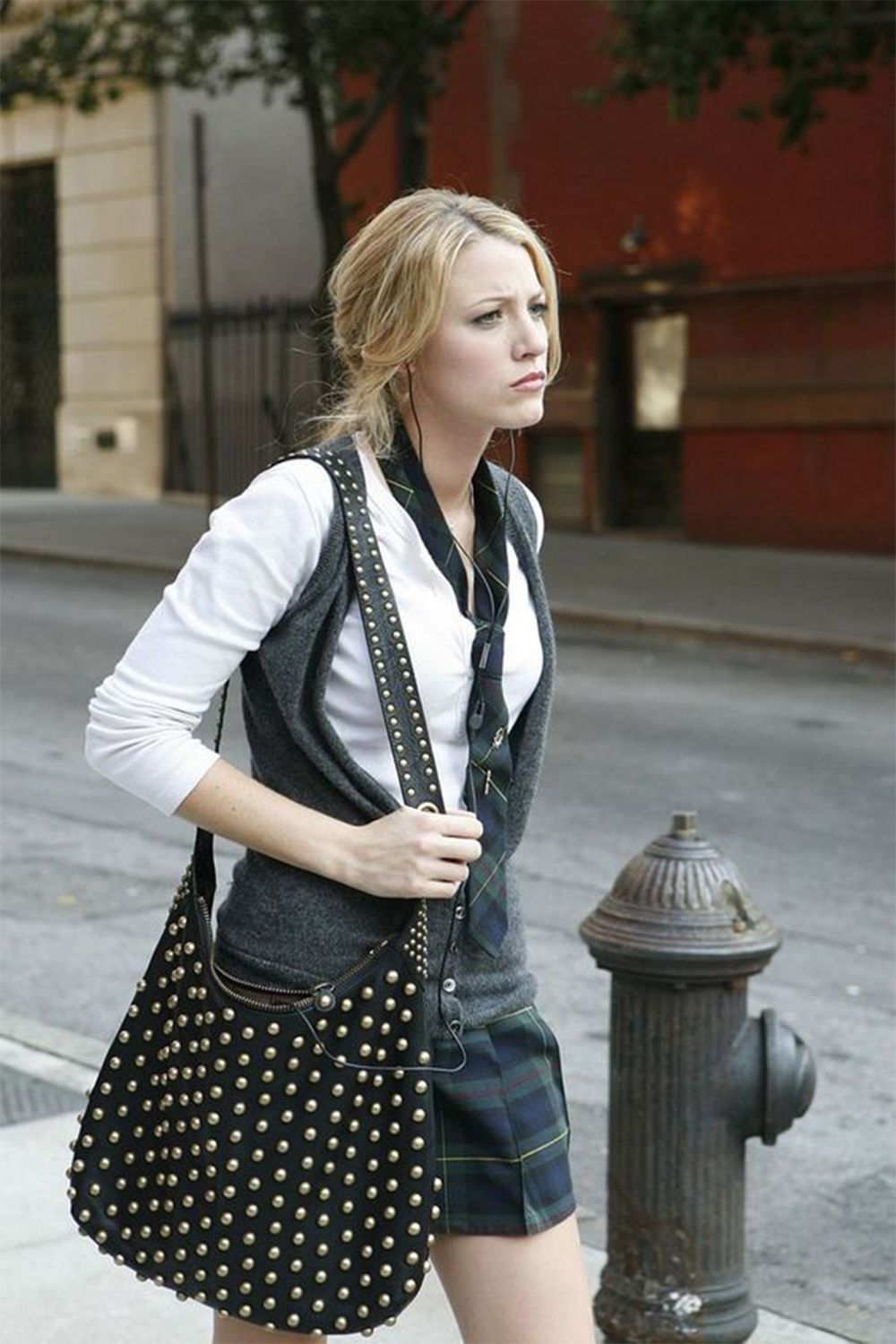
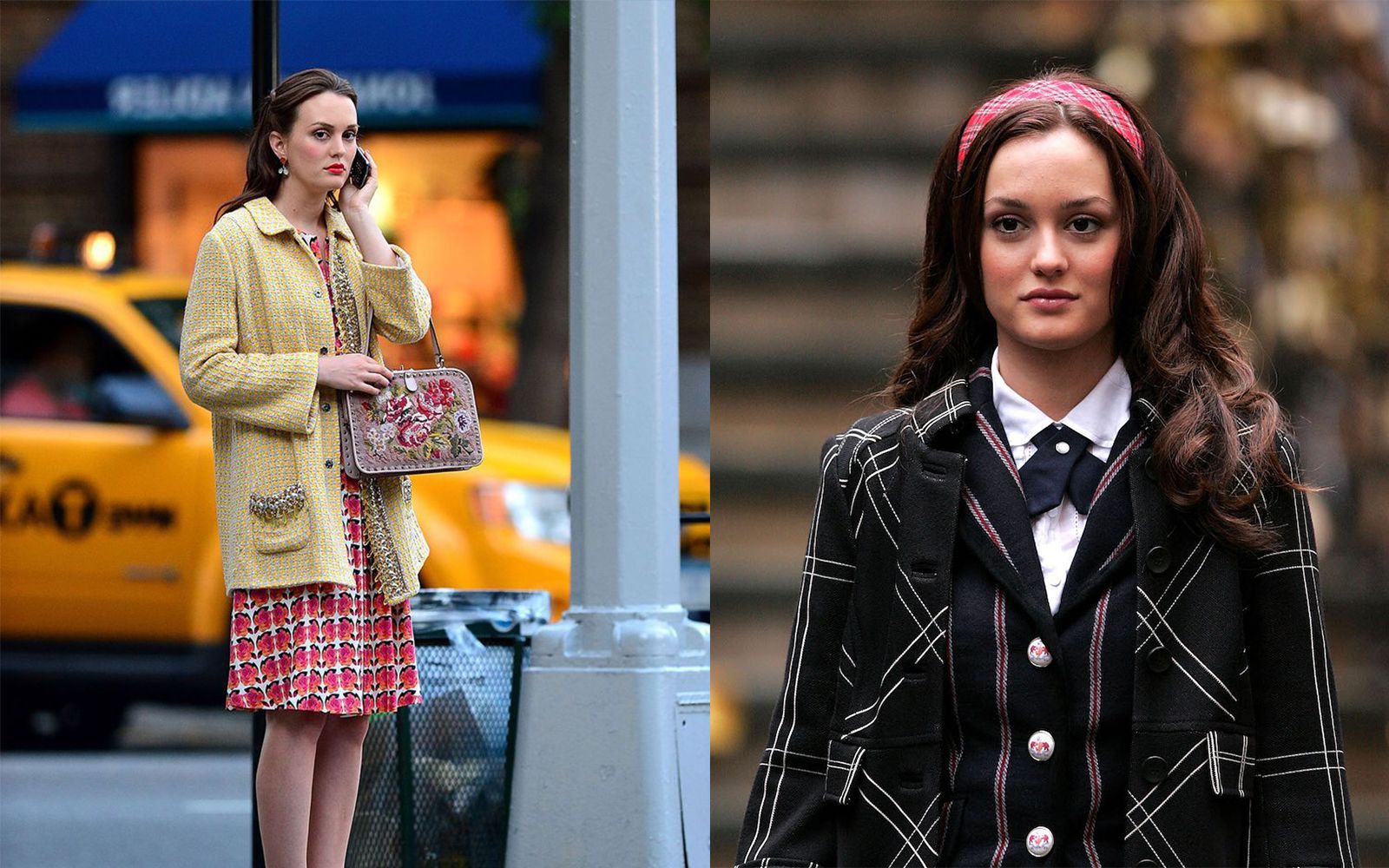
Despite the renewed sensitivity, you cannot talk about Gossip Girl without acknowledging its aesthetic influence: from Blair Waldorf’s iconic headbands and preppy look to Serena van der Woodsen’s sparkling evening gowns, to Chuck Bass’s structured coats and tailored blazers, every costume detail built not only a personal style but an entire social narrative. The locations, from SoHo’s bohemian cafés to luxury hotels on the Upper East Side, turned Manhattan into the perfect stage, where every corner spoke of exclusivity and status. Even the dialogue, packed with references to fashion, pop culture, and social life, was crafted to reinforce that aspirational image.
Eighteen years later, Gossip Girl remains a cultural icon, but its legacy is ambivalent. Perhaps the series’ true merit lies in this: it invites us to reflect on the world we love to watch, on the aesthetic and social aspirations that fascinate us, and on what, today, we would no longer accept.