









Everything is becoming more colorful In interior design and fashion, Technicolor Therapy influences our mood (positively)
Recently, I developed a guilty pleasure: spending hours collecting on Pinterest images of super colorful homes. Bathrooms covered in multicolor tiles, living rooms with contrasting walls, bright cushions, playful ceramics, spiral candles in pastel shades. If I imagine my future home, I imagine it colorful: a place that welcomes you with happiness. Needless to say, I didn’t invent anything new: it’s called dopamine decor, a style of home design meant to generate positive feelings, joy, and serenity. How? By using what we can call Technicolor Therapy, the power of color to lift our mood.
The triumph of color: dopamine dressing and dopamine makeup
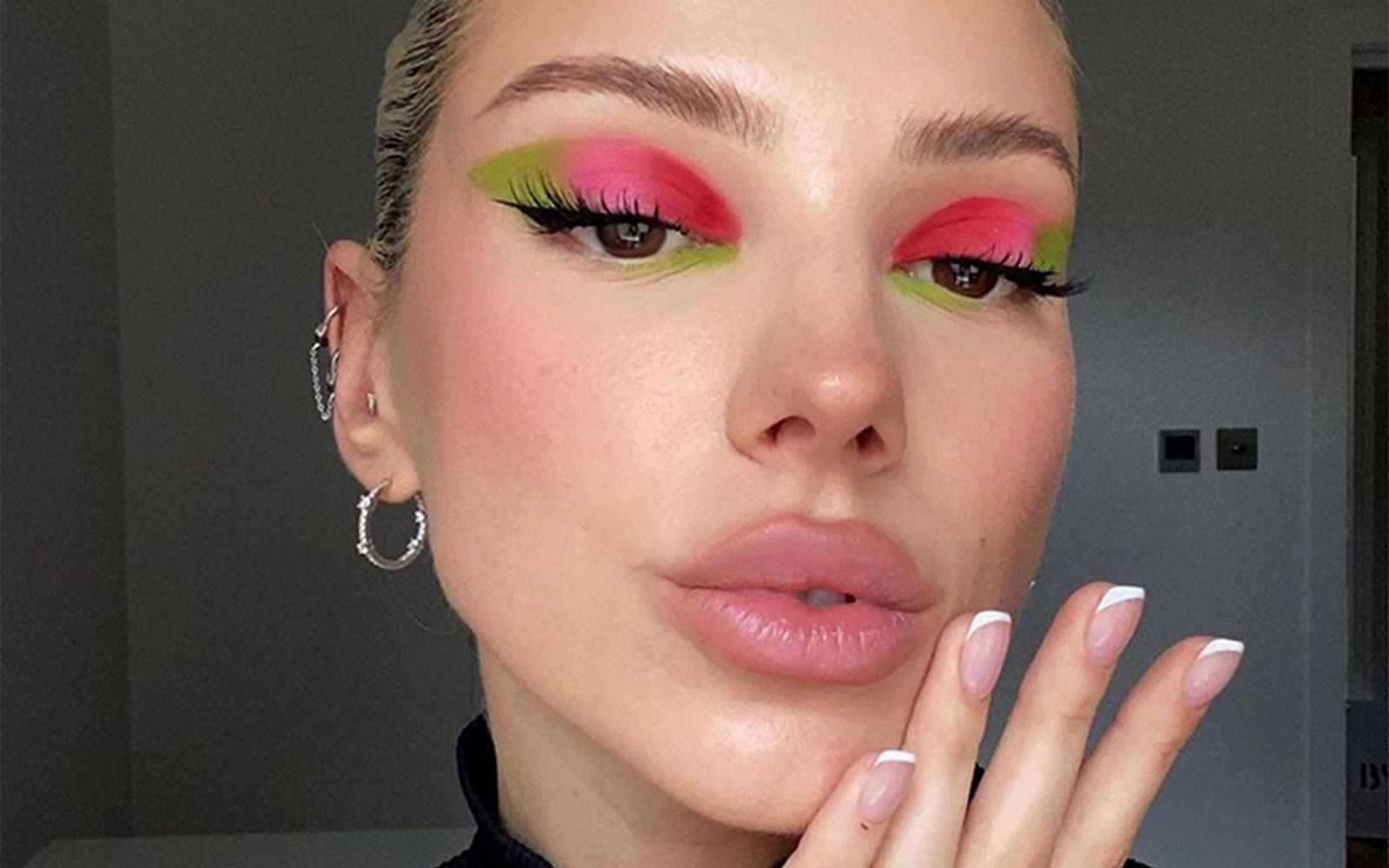
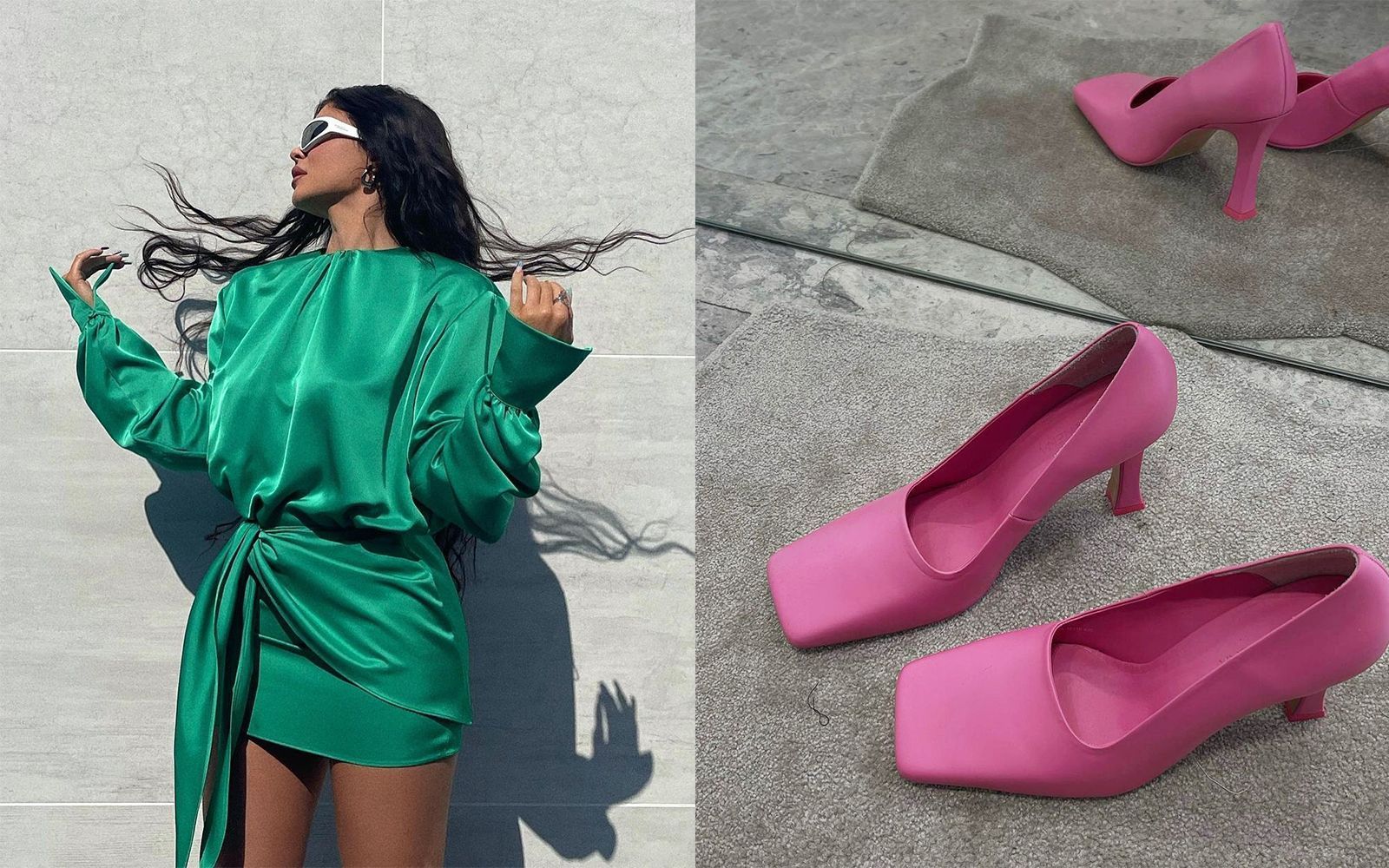
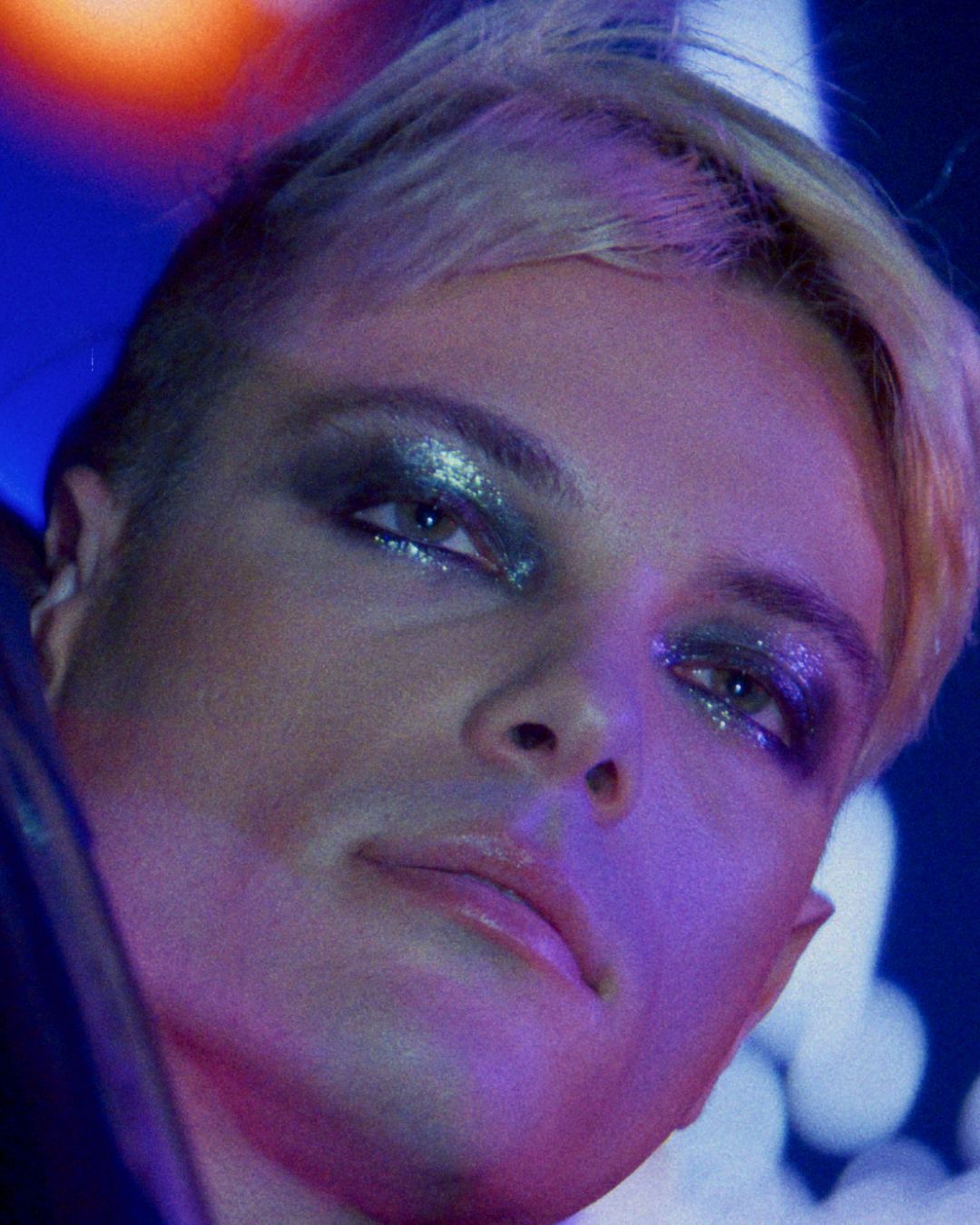
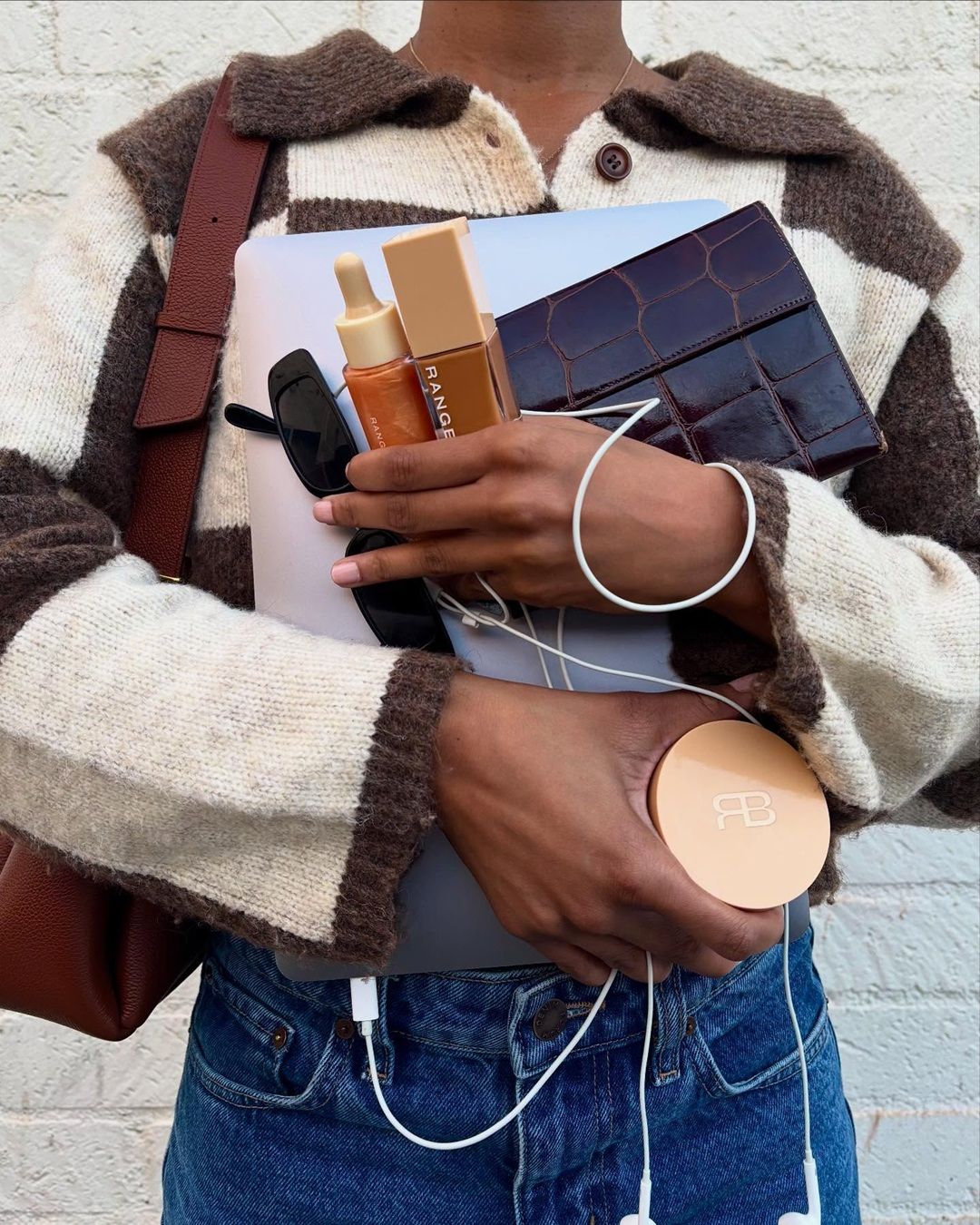
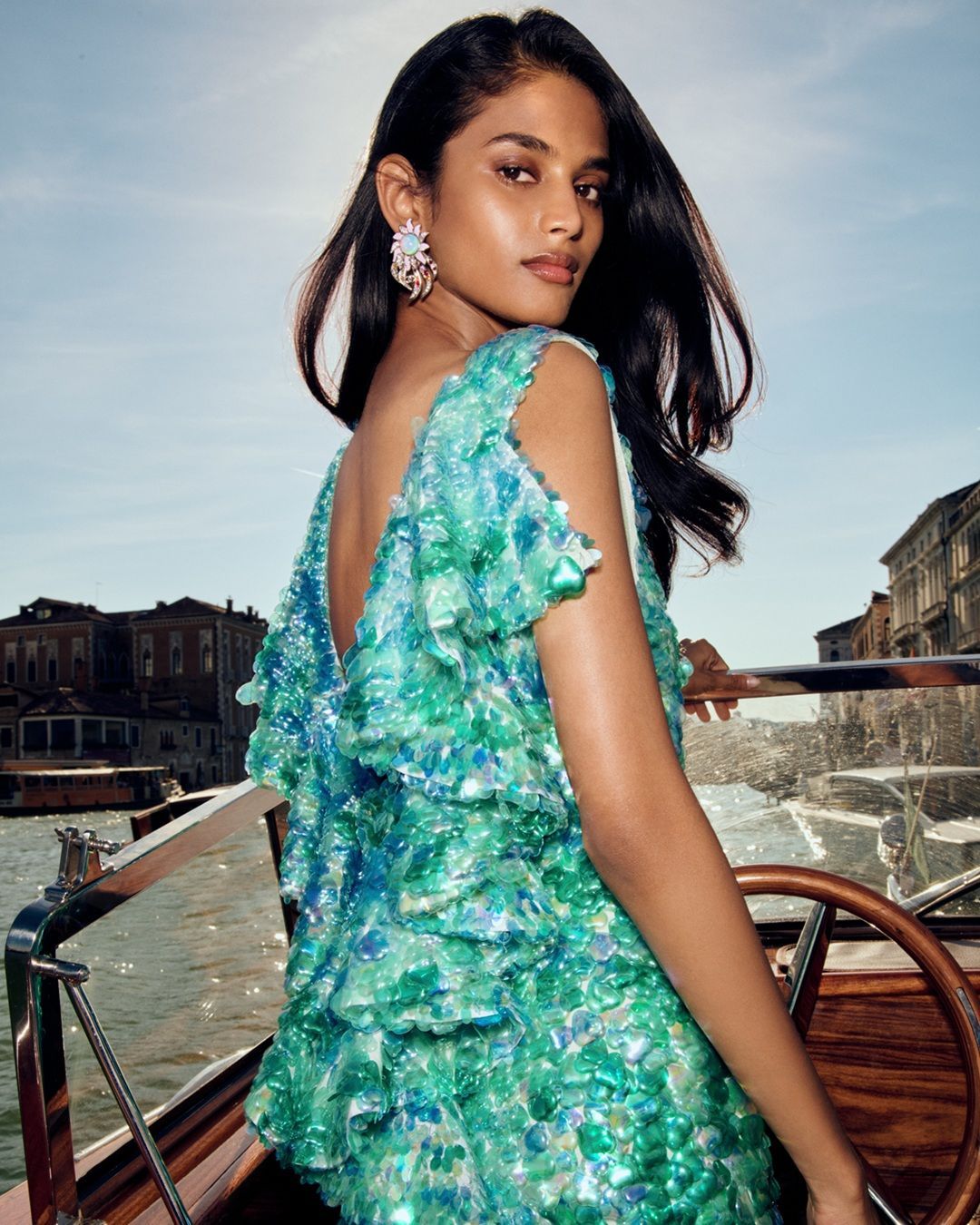
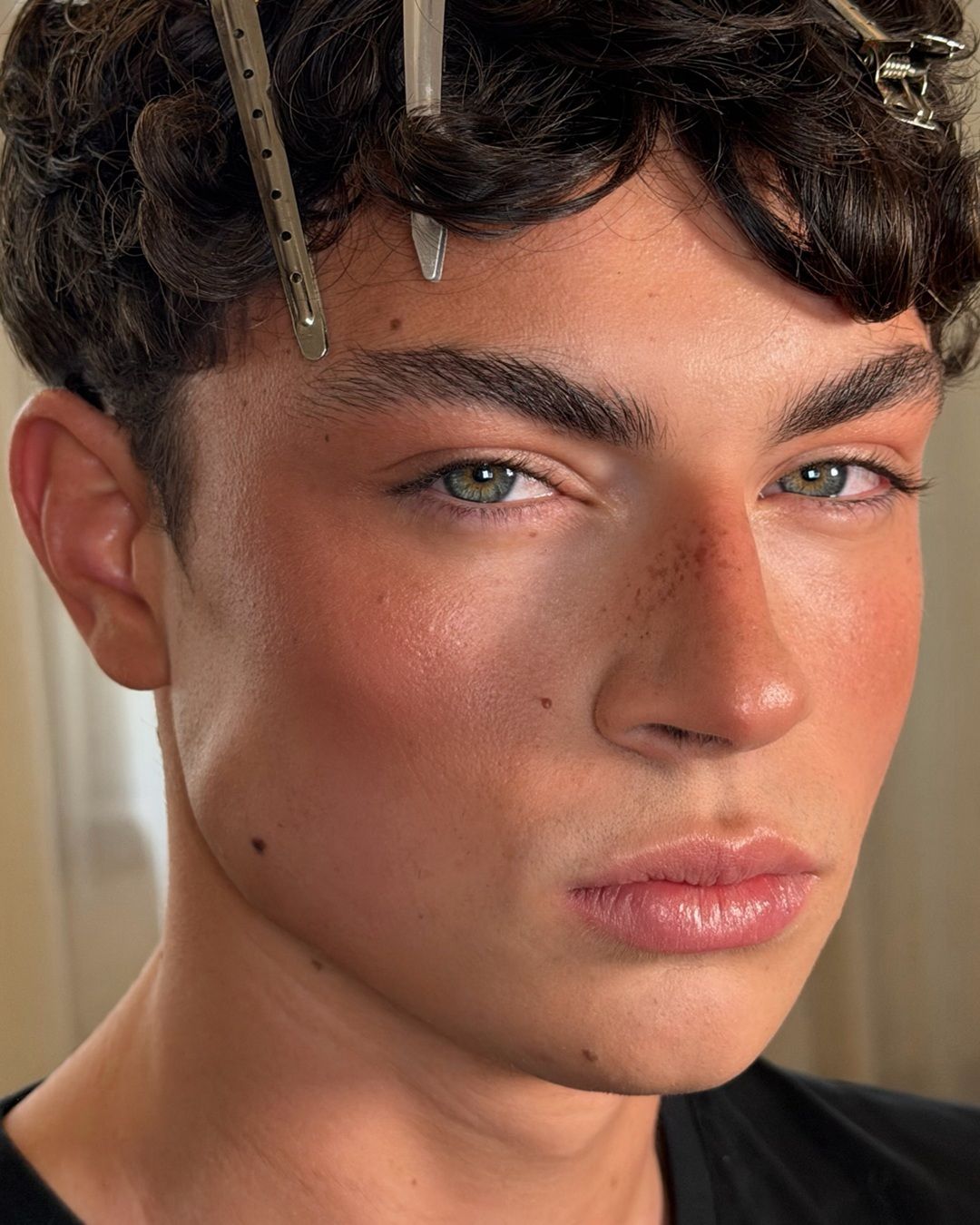
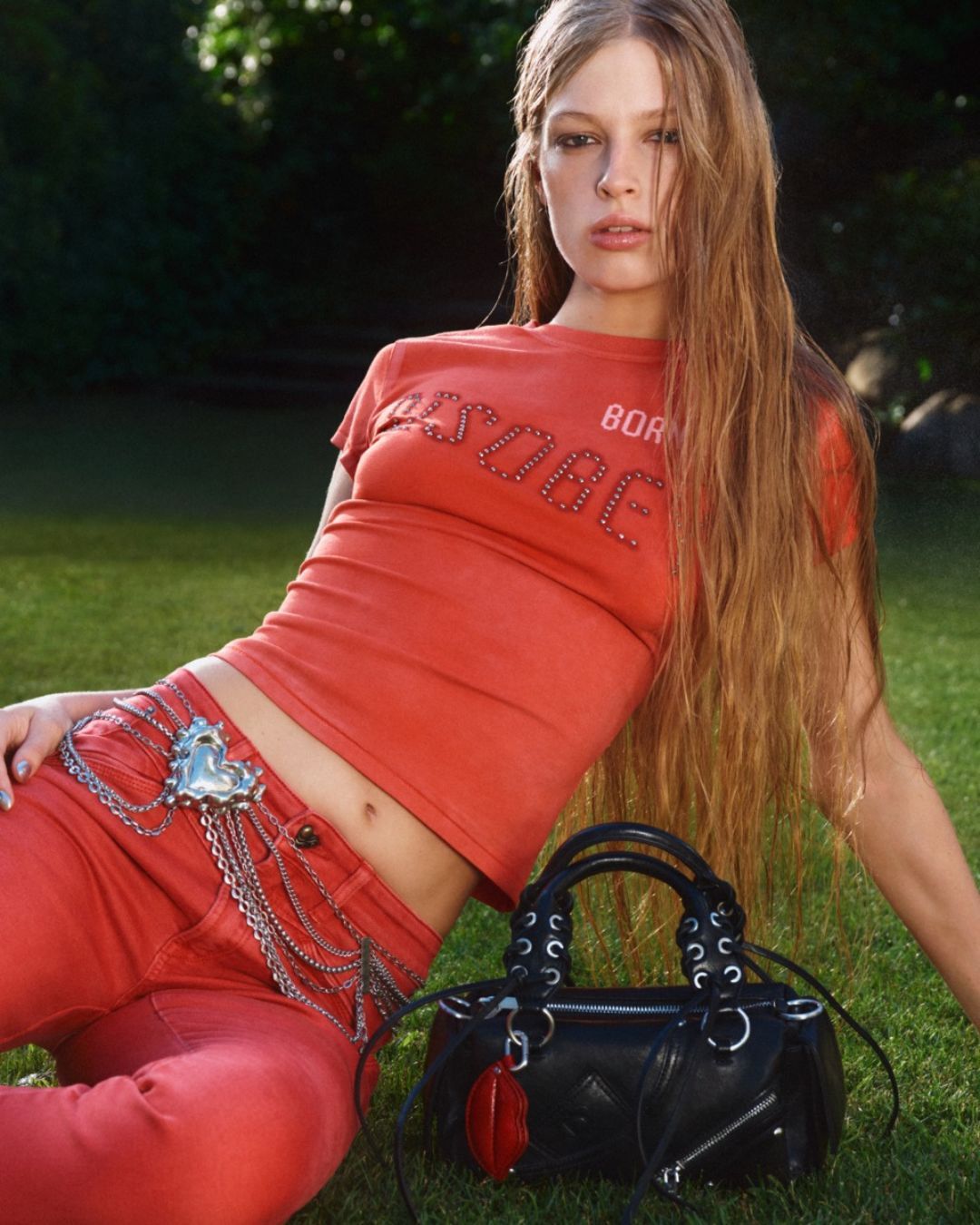
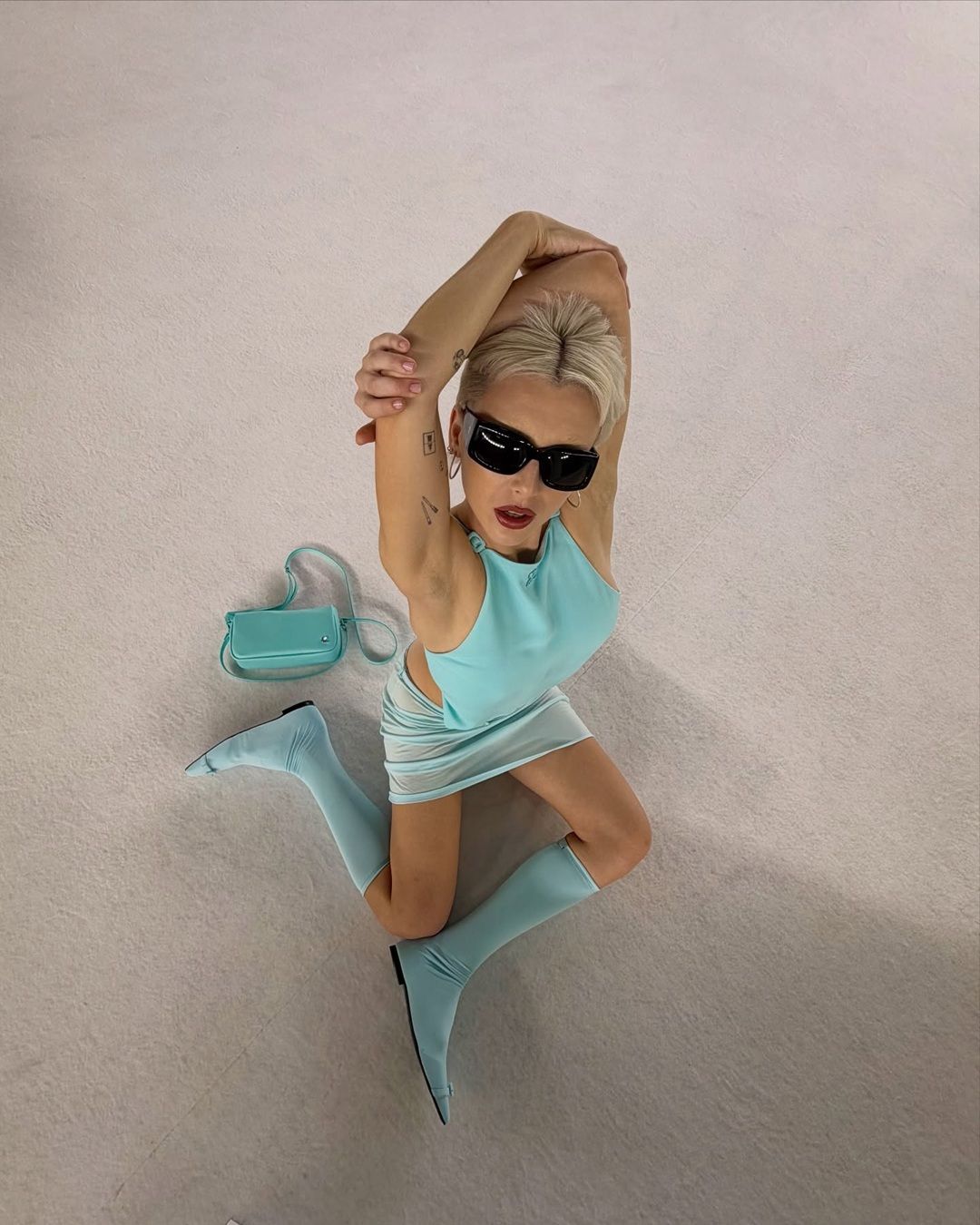
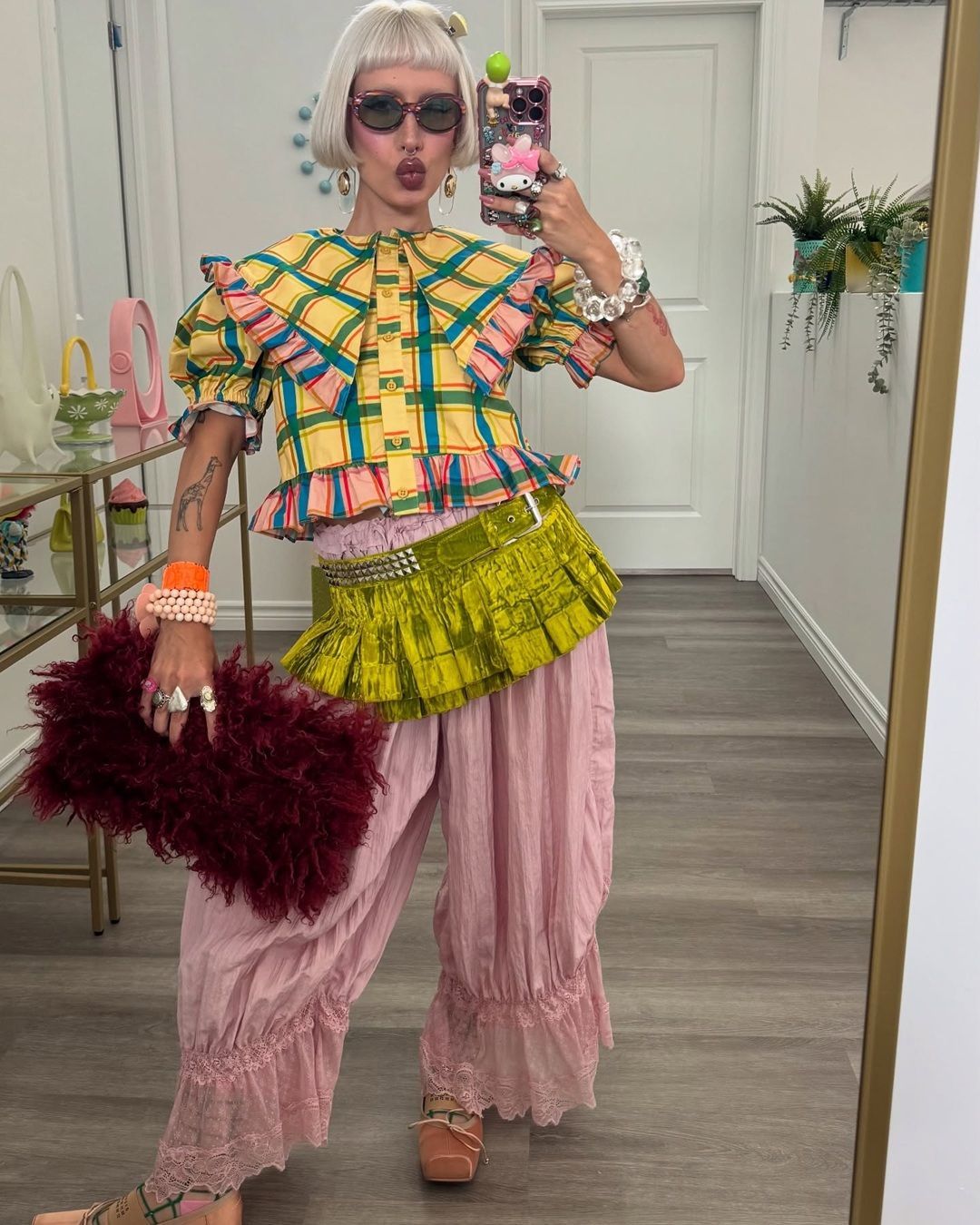
After the explosion of the Eighties and a phase where neutral tones set the trend, today color is once again a tool of emotional expression. Not just walls or cushions: the boom of dopamine dressing has taught us that pairing a fuchsia blazer with a lime green bag isn’t a risk, but a way to boost positive energy and face the day with an extra spark. The logic is the same as that behind moodboards in interior design: surrounding yourself with bright shades and bold combinations means creating an environment (and a wardrobe) that works as an emotional booster. Dopamine dressing is the exact opposite of minimalism: hyper-vitamin clothes, strong contrasts, daring saturations. Fuchsia meets orange, acid green marries electric blue: combinations don’t seek harmony but rather an explosive, liberating effect. The same applies to dopamine makeup: hyper-pigmented blush, neon eyeshadows, fluorescent eyeliners, and glitter. It’s a playful and experimental approach, perfectly in line with TikTok’s aesthetic, where color is a creative language and a way to express identity. Think about the pre-shower make-up phenomenon, where people wear bold looks just for the pleasure of experimenting.
Learning not to take yourself too Seriously
Daring with color also means learning to put yourself out there and not take yourself too seriously. An approach that seems rewarding, both in life and on social media. This is shown by the success of content creators like Vic Montanari, with her theatrical and irreverent GRWMs, or Sara Camposarcone, who pushes maximalism to the extreme by fearlessly mixing colors, textures, and eccentric accessories. Both perfectly embody the spirit of dopamine dressing: color as a democratic, accessible, and shared language.
From science to lifestyle
If this works, it’s not just a matter of trends. Chromotherapy, an ancient practice that associates each shade with a specific power, blue relaxing, yellow energizing, green balancing, today finds new life in digital aesthetics and lifestyle. From a neuroscientific perspective, bright and saturated colors help stimulate the release of dopamine, hence the name of these trends, creating immediate feelings of well-being. In other words: colors don’t just decorate, they interact directly with our brain.
@jadepearlofficial Want to use colour to shift your mood + magnetise your aura? This is the frequency of green - life force, grounding and the pulse of expansion. Download my FREE colour guide to discover more… LINK IN BIO Green carries the scientific codes of calm, renewal, balance and abundance. It’s why stepping into nature resets your entire system. #green #colourtheory #colourtherapy #healingjourney #selfimprovement Fish In The Pool - Frozen Silence
In art and design, color as a burst of vitality
Culturally, Technicolor Therapy is part of a movement that goes beyond home decor or fashion. From the playful geometries of Memphis Design in the 1980s, which never really went out of style, to the works of artists like Yayoi Kusama or Takashi Murakami, color has always been an immediate way to turn our need for lightness and vitality into images. Today, in a digital world that often swings between anxiety and visual sameness, the return of color seems almost inevitable: a bright response to an era perceived as gray and uncertain. Talking about Technicolor Therapy, therefore, means much more than just discussing a passing trend. It’s the widespread desire to surround ourselves with positive energy, to make lightheartedness a daily choice through simple yet meaningful gestures. A pink wall in the living room, an orange bag on a rainy day, a green eyeliner breaking routine: small acts that become ways to reclaim lightness and assert individuality.