


































Amanda Seyfried returns to musicals with "The Testament of Ann Lee" And it's not what you expect
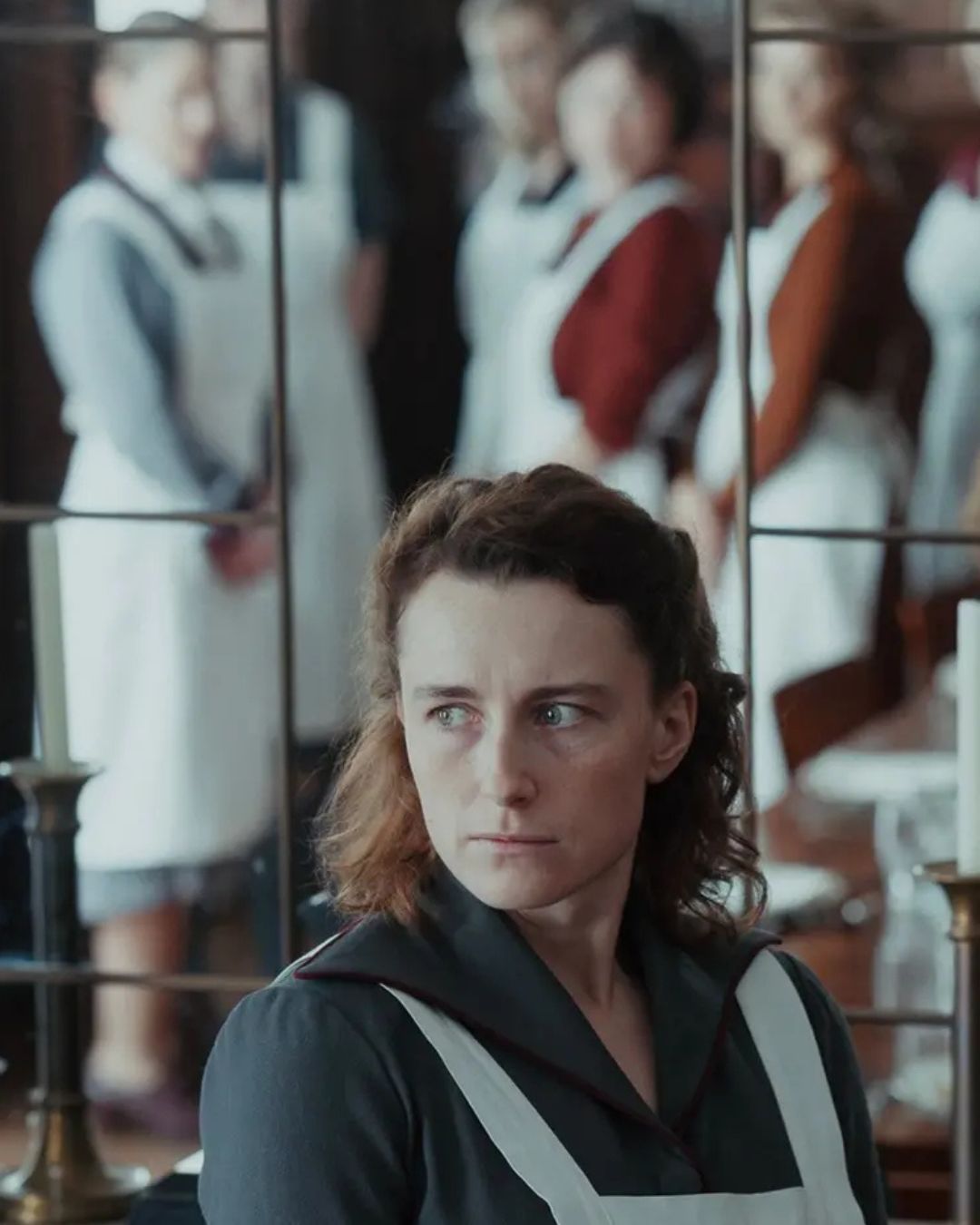
Mother Ann Lee was among the first female religious leaders in history. She was born on February 29, a fateful date for a woman destined to live an extraordinary life. A pillar of the Shakers religious movement, her story comes to life on the big screen at the 82nd edition of the Venice Film Festival, where director and screenwriter Mona Fastvold, alongside her artistic and life partner Brady Corbet, narrates her birth, rise, and eventual death. For the gestures of the Shaker faith, their way of reaching God and atoning for sins through bodily movements and the obsessive swaying of arms and legs, the filmmaker could only choose to create a musical, shaping true choreographies of liturgical songs with mellifluous repetitions and frenzied dances that eventually find order in steps of movement.
"The Testament of Ann Lee" arrives in Venice 2025: the review
Fastvold’s passions resurface in her "The Testament of Ann Lee", which infuses her third film behind the camera with her past as a performing artist, deeply connected to the world of dance. It is a brilliant intuition to recount true events through one of cinema’s most foundational genres, perfectly suited to a religion that used the body as a tool to purge evil and draw closer to God. Yet it is also the only stroke of genius, truth be told. While she declared her desire to give space to a female figure who managed to lead an entire community, the film ultimately flattens out in a monotonous script, failing to match the feverish vibrations of the faithful and the mature, inspired direction of Mona Fastvold.
A grandiose package, a meticulous staging that recreates a bygone era, and within it a story of explosive potential that ultimately implodes. This is Fastvold and Corbet’s choice: perhaps believing it would be too easy to fall into morbid sensationalism or fervent fanaticism, they instead chose to retell the events with flatness, punctuated only occasionally by visions and divine flashes that inspired the Shaker creed—from the renunciation of all carnal pleasures to the urge to cross the ocean and begin converting future American followers. Only in depicting those who opposed her does the film find deeper, more compelling ground: the all-too-familiar transformation that quickly turns a saint into a witch. The discomfort of a community confronted with a woman in power, even if it was of a faith that had little to do with their own.
Amanda Seyfried is credible but not convincing
The contrast is stark, from the orgiastic trances of the celibate community to the hollow rigor of the screenplay. And although actress Amanda Seyfried portrays Ann Lee as both possessed and devoutly strict in her role as Mother, both fervent and immovable in the conduct demanded of the Shakers, she remains a leader difficult to follow, though interpreted with credible conviction by Seyfried herself. With this role, she expands her repertoire of musicals, from the popular cult "Mamma Mia!" to the historical reconstruction of "Les Misérables", and now to the sublimation of contemporary dance in "The Testament of Ann Lee". It is the story of a guide who does not always find direction, yet keeps searching to the rhythm of music set to the score of the talented Daniel Blumberg.