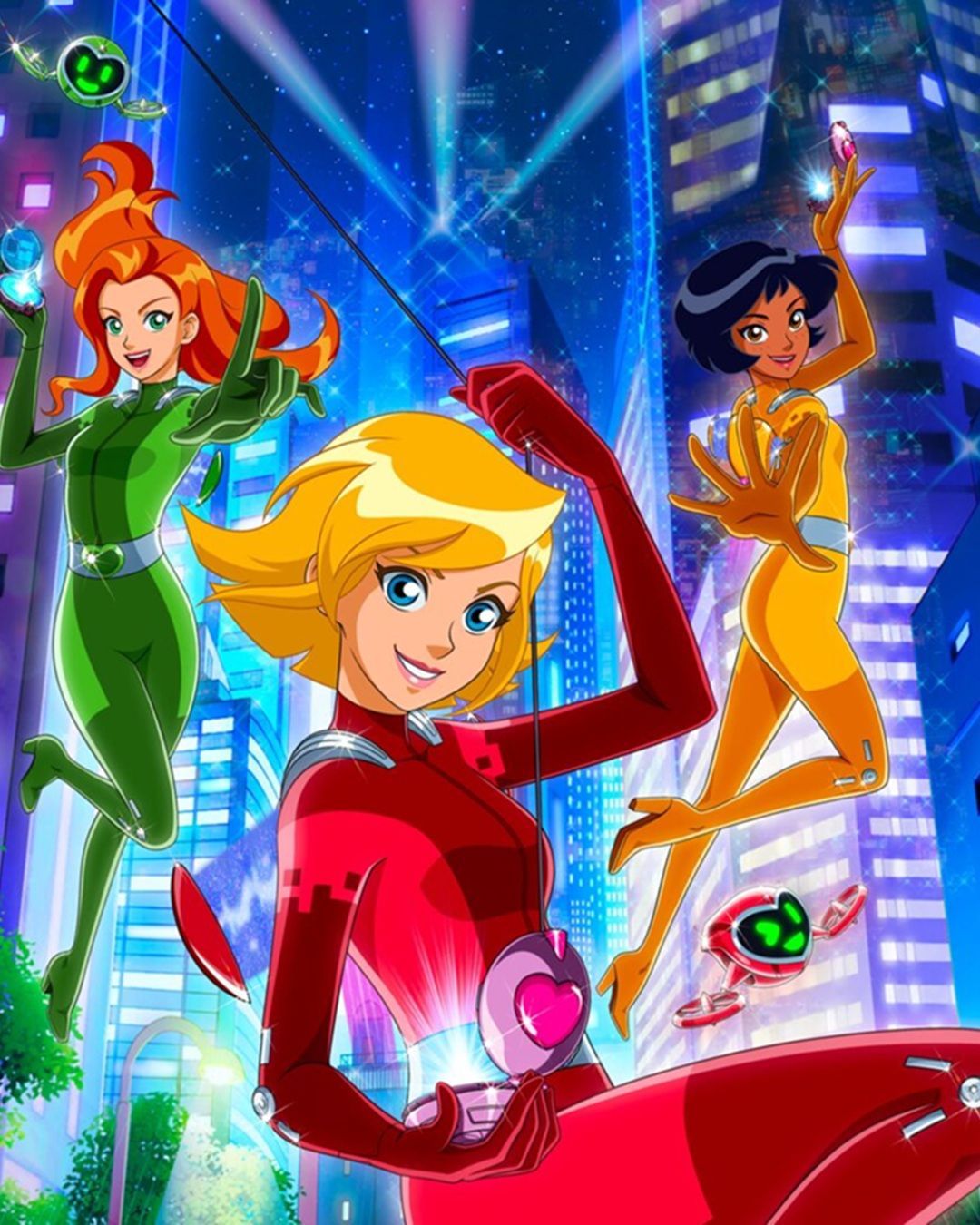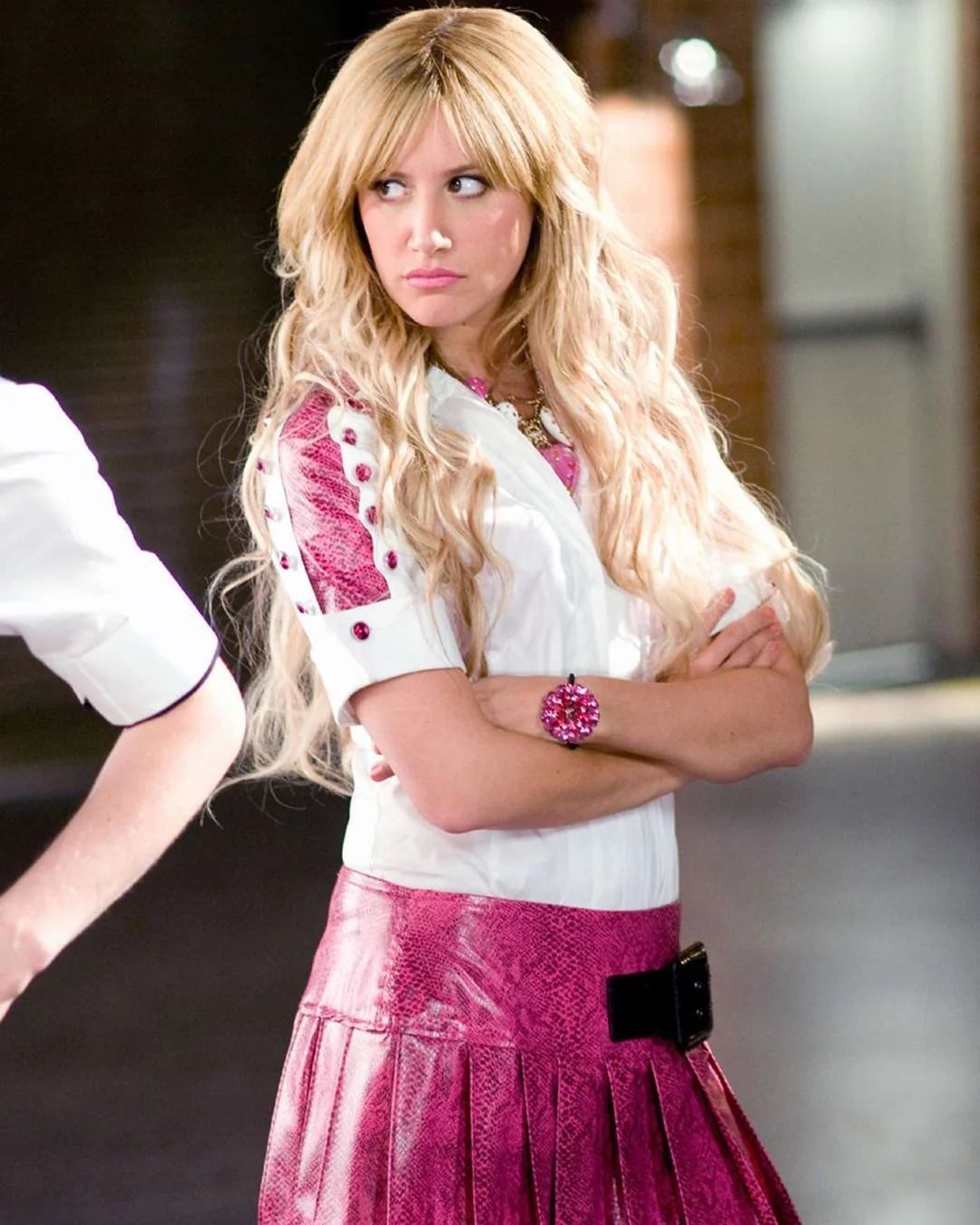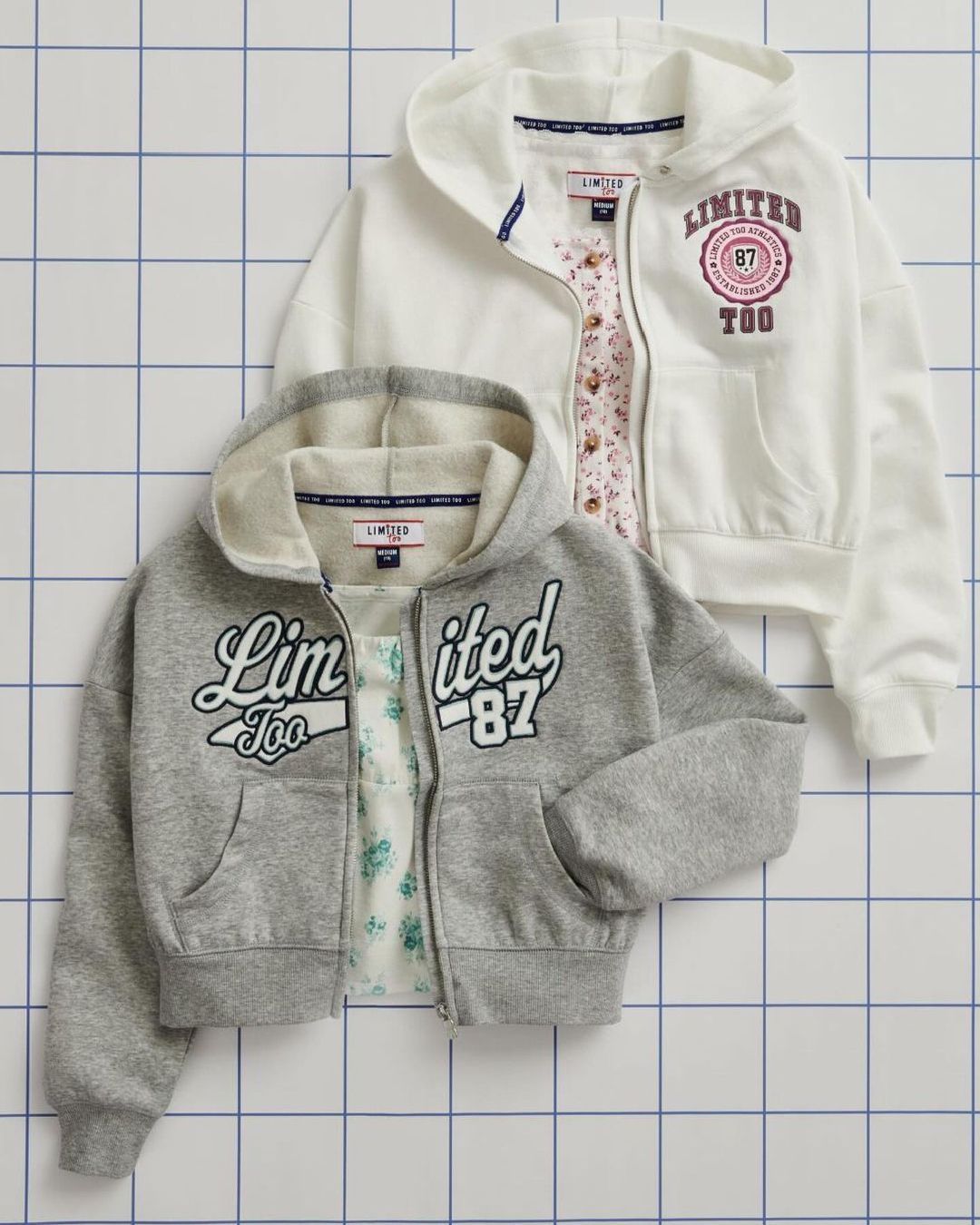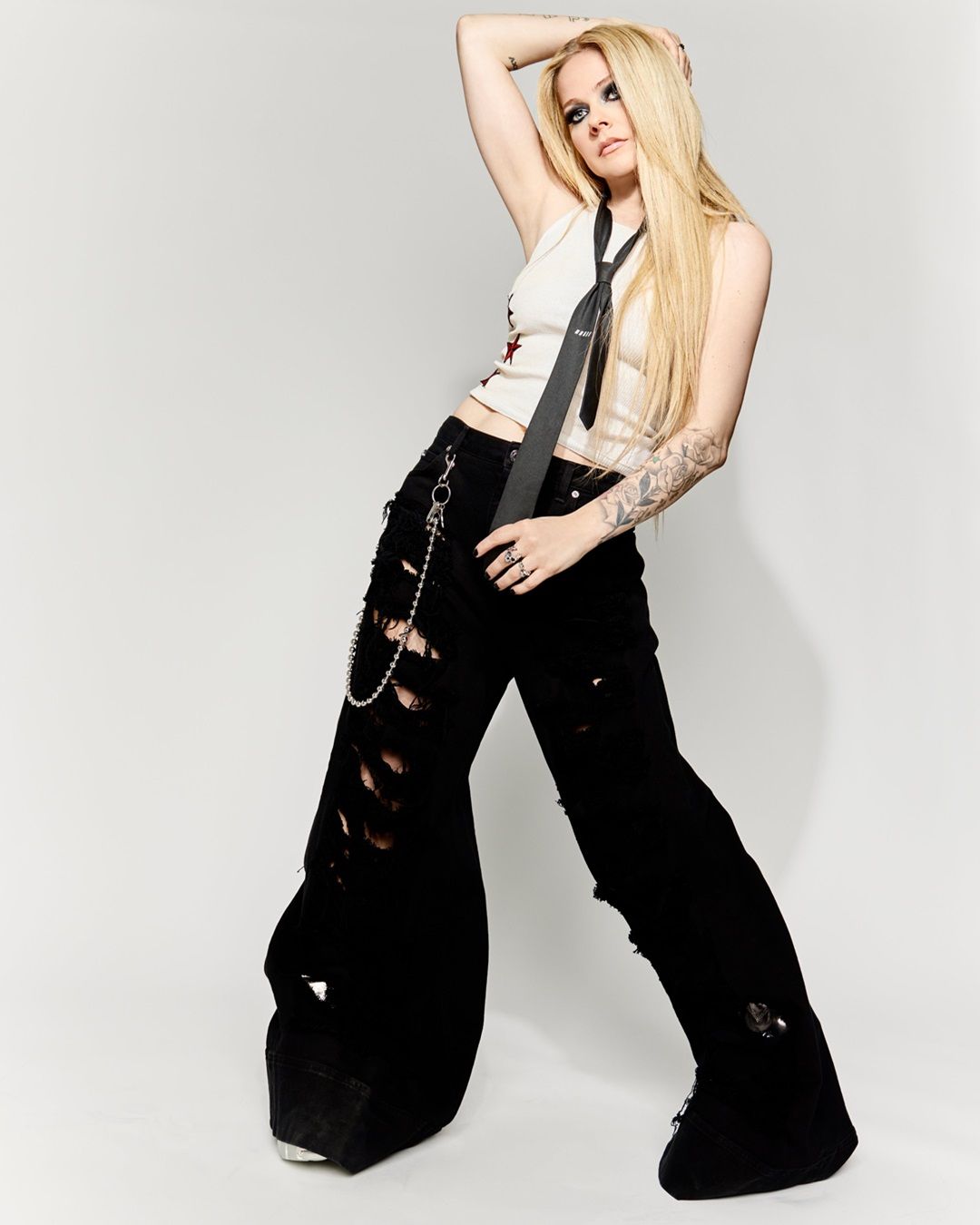
















Will we dress like a Bay Area girl in 2006? TikTok wants to take us back to the era of iMacs and romcoms starring Amanda Bynes
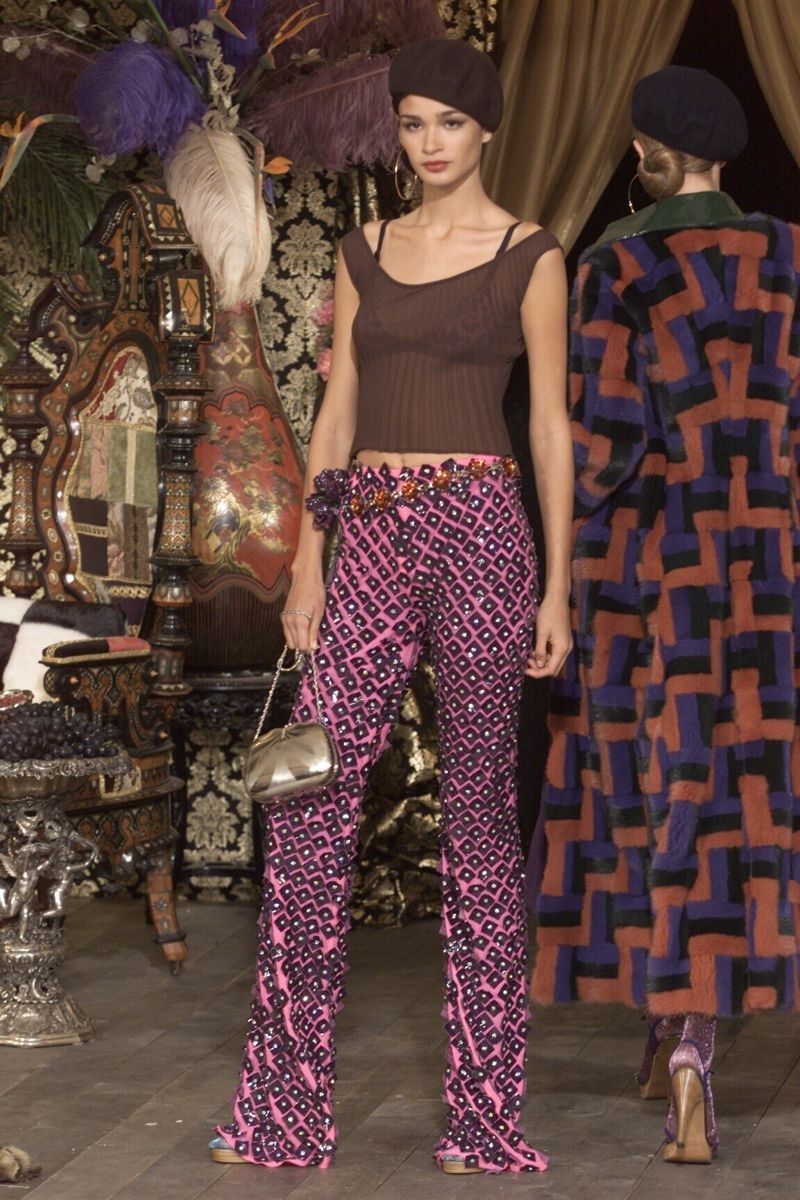
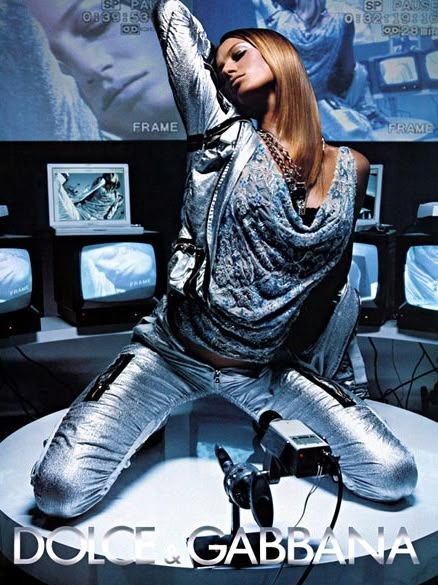
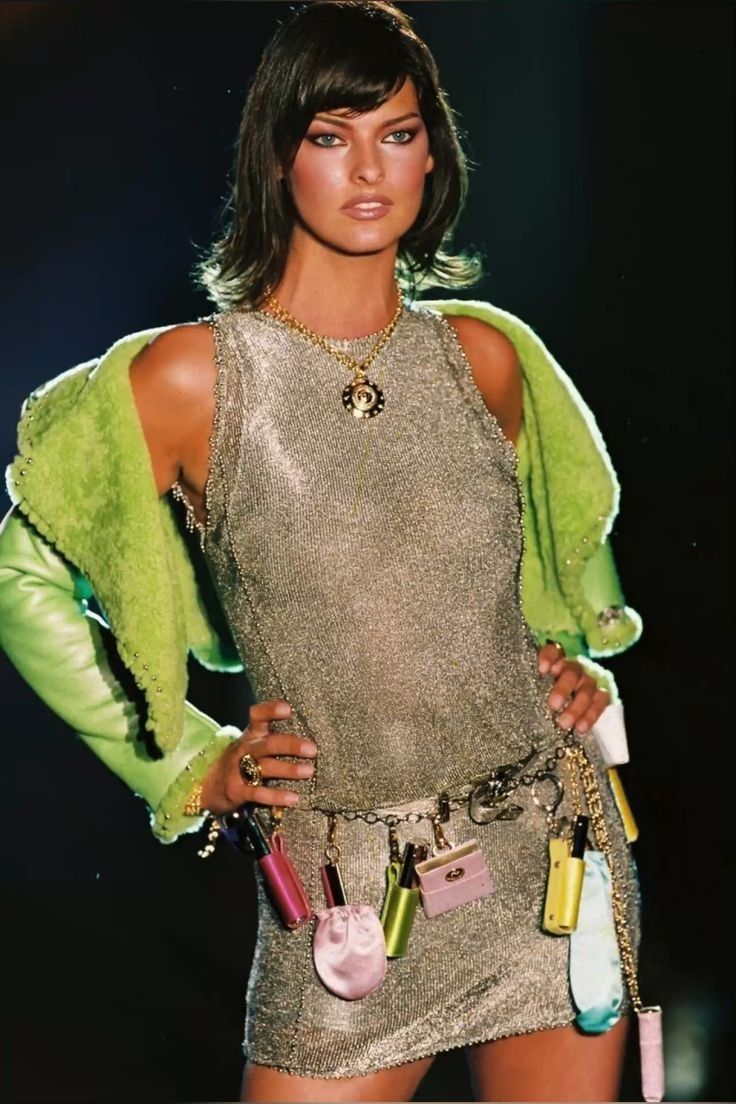
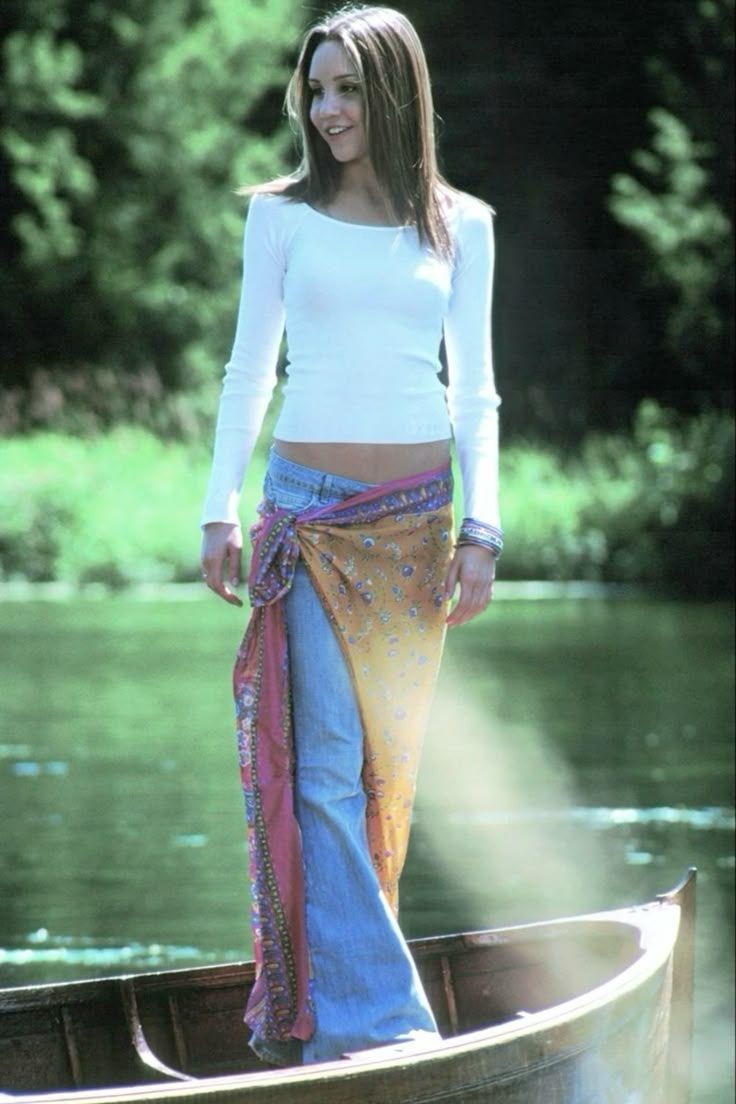
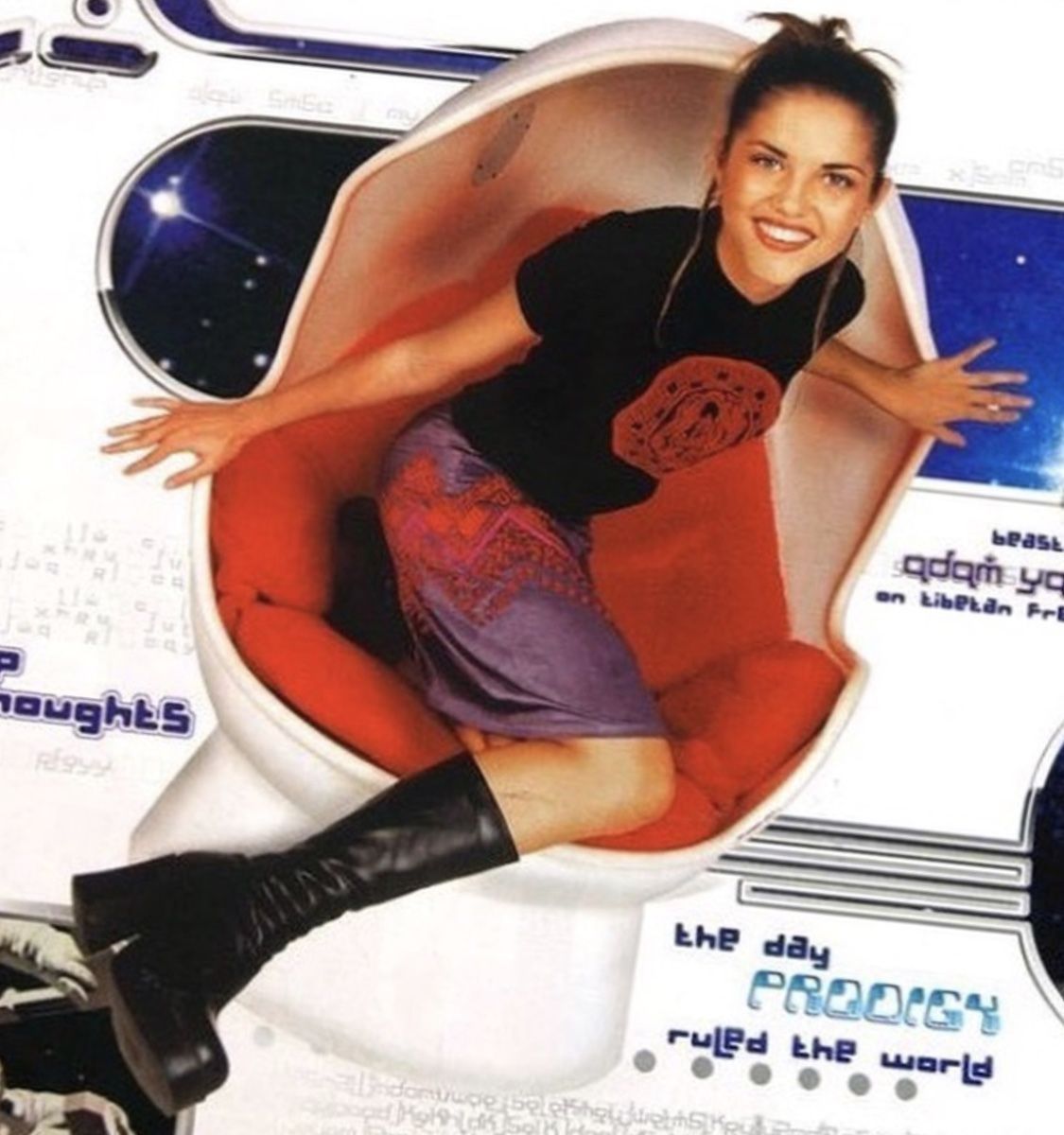
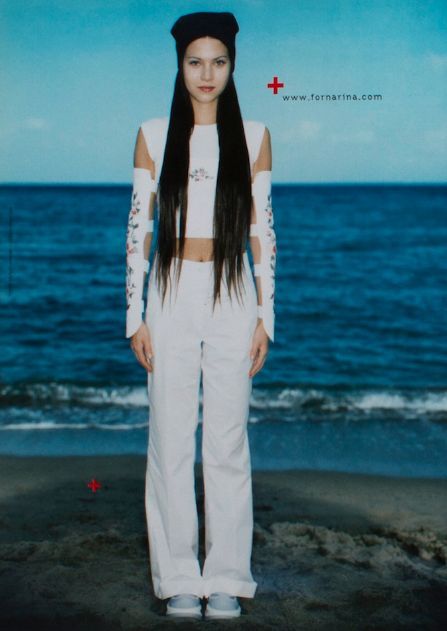
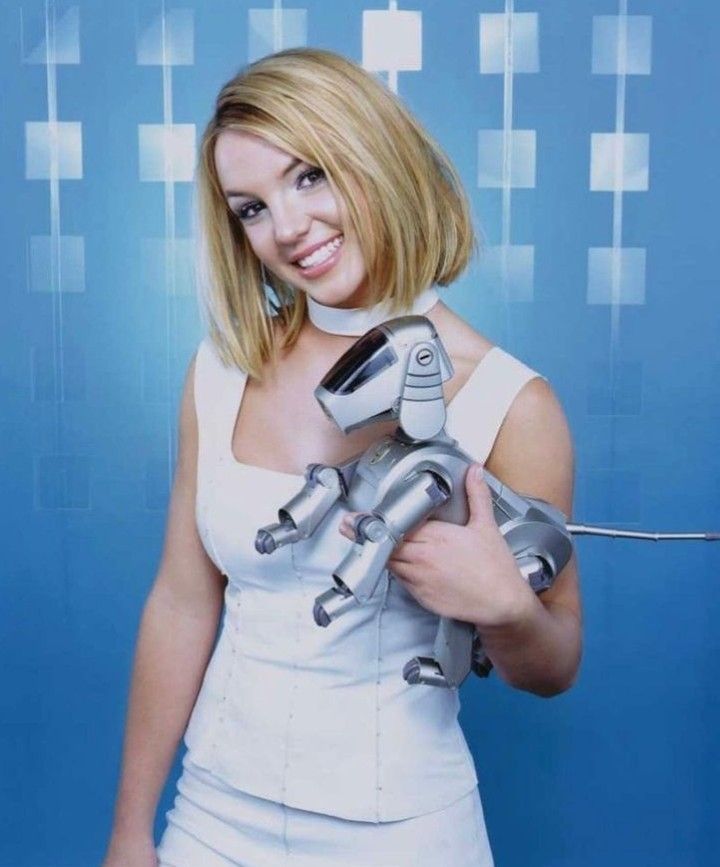
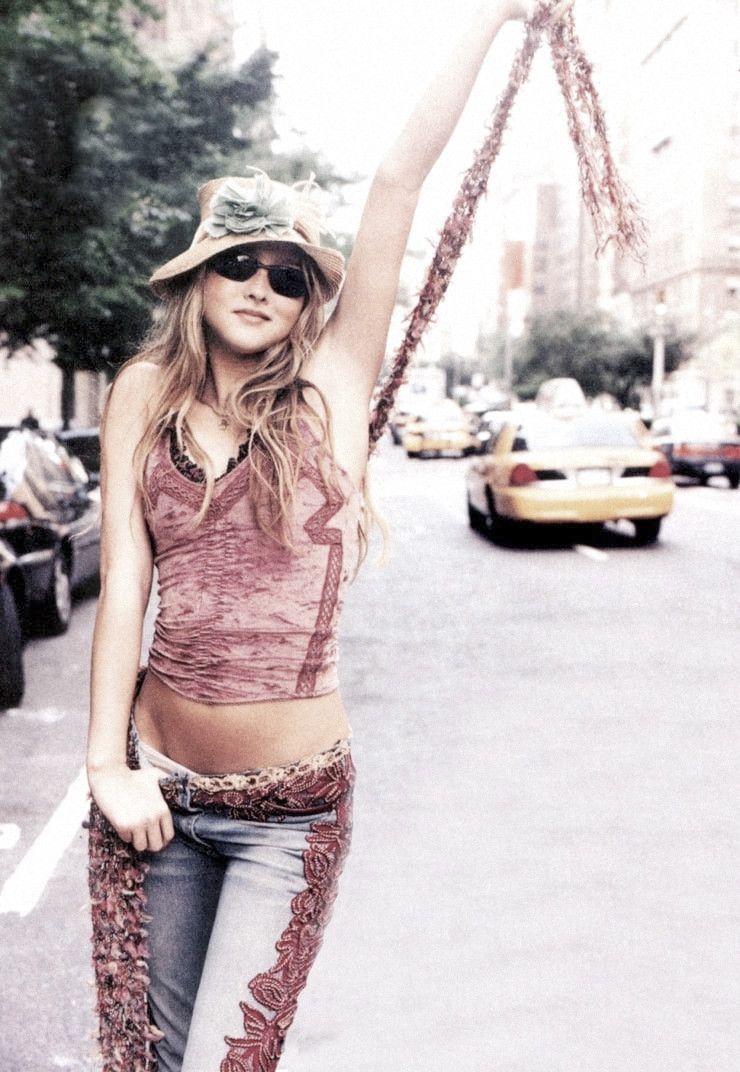
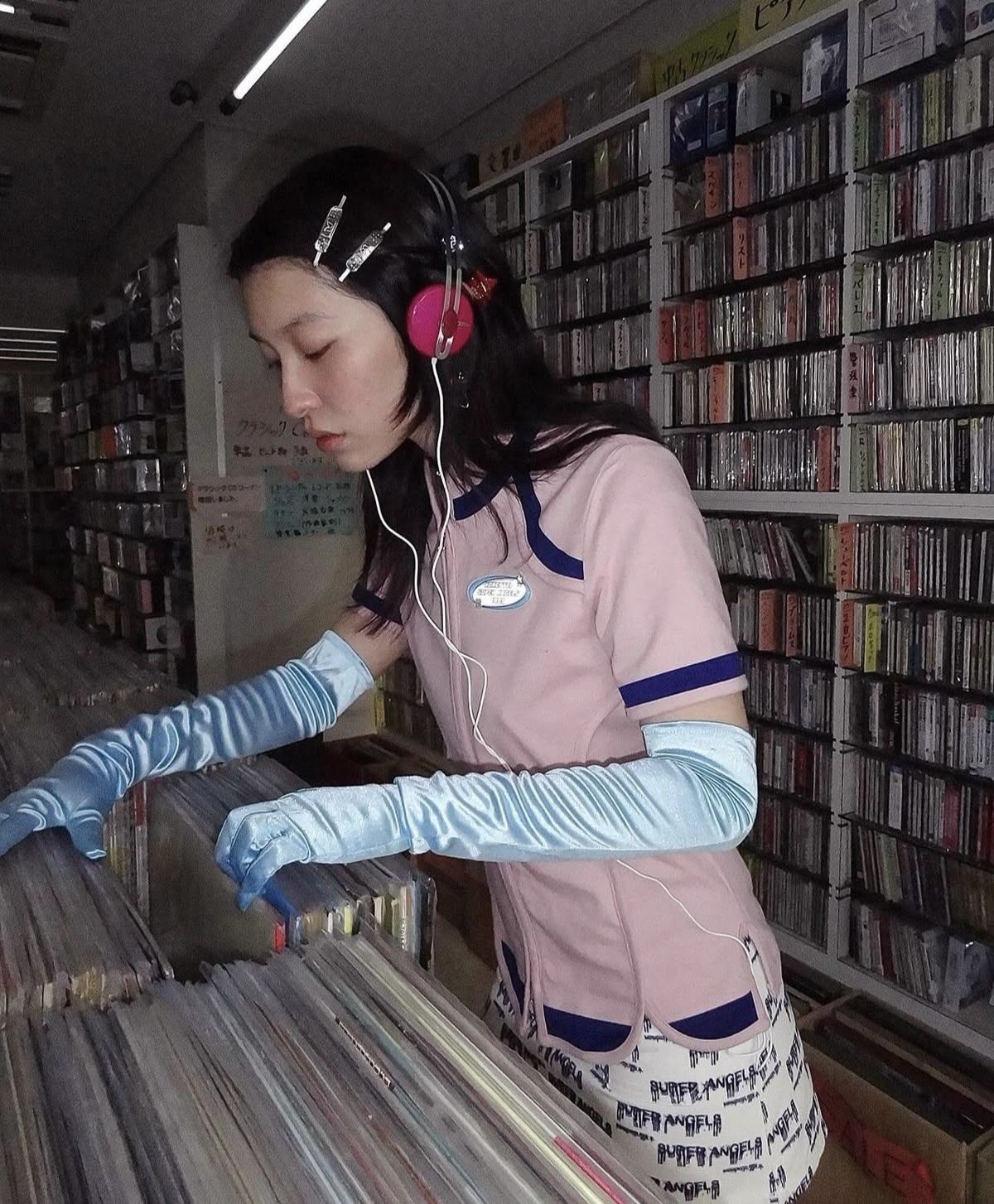
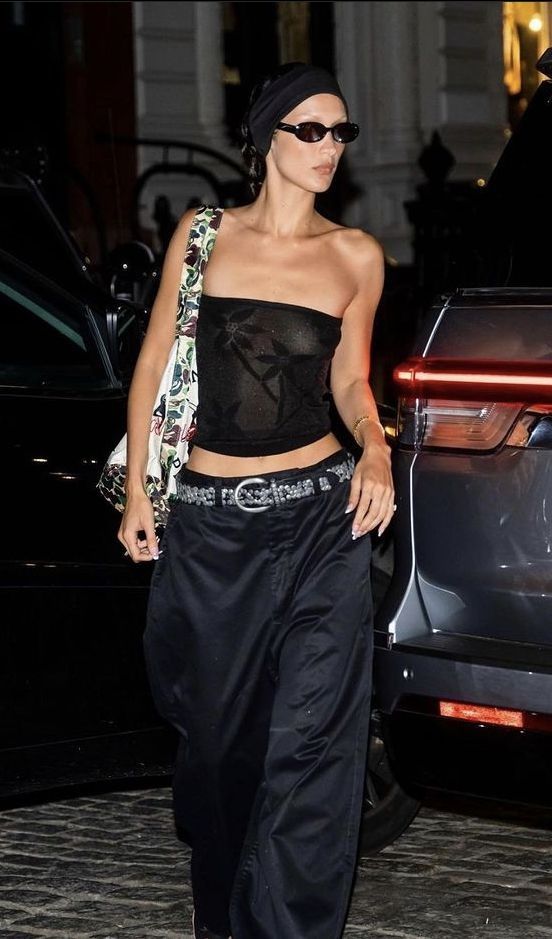
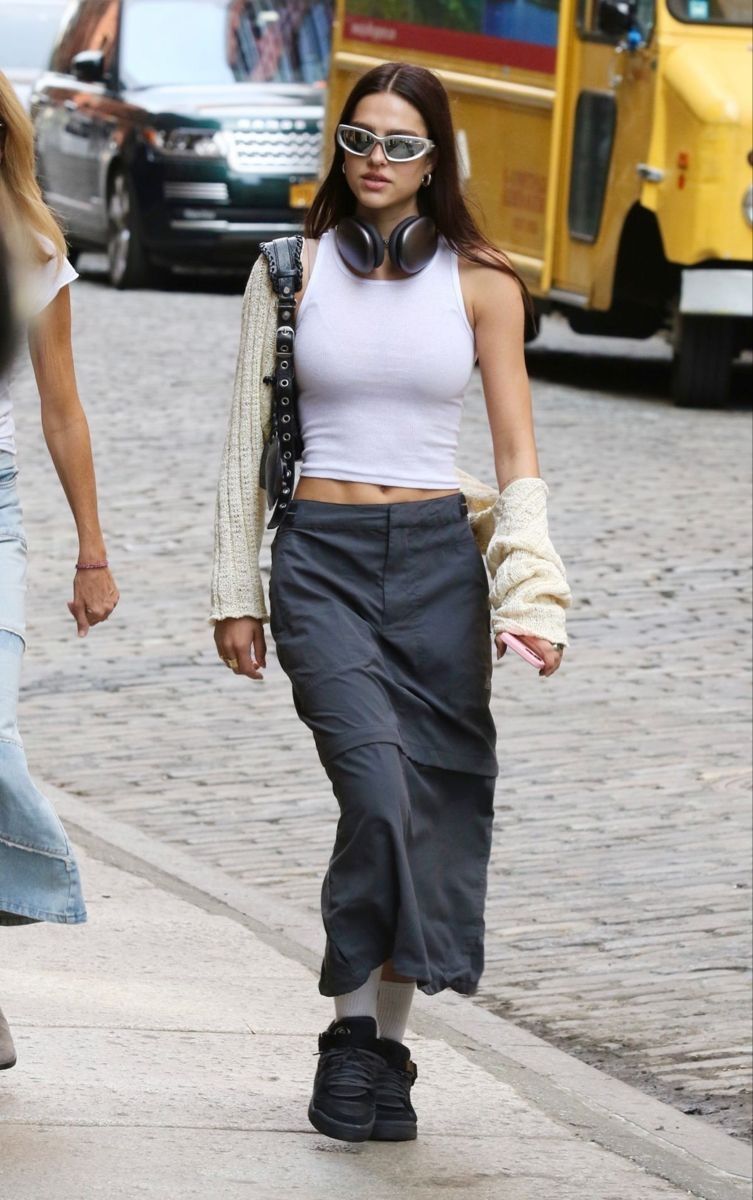
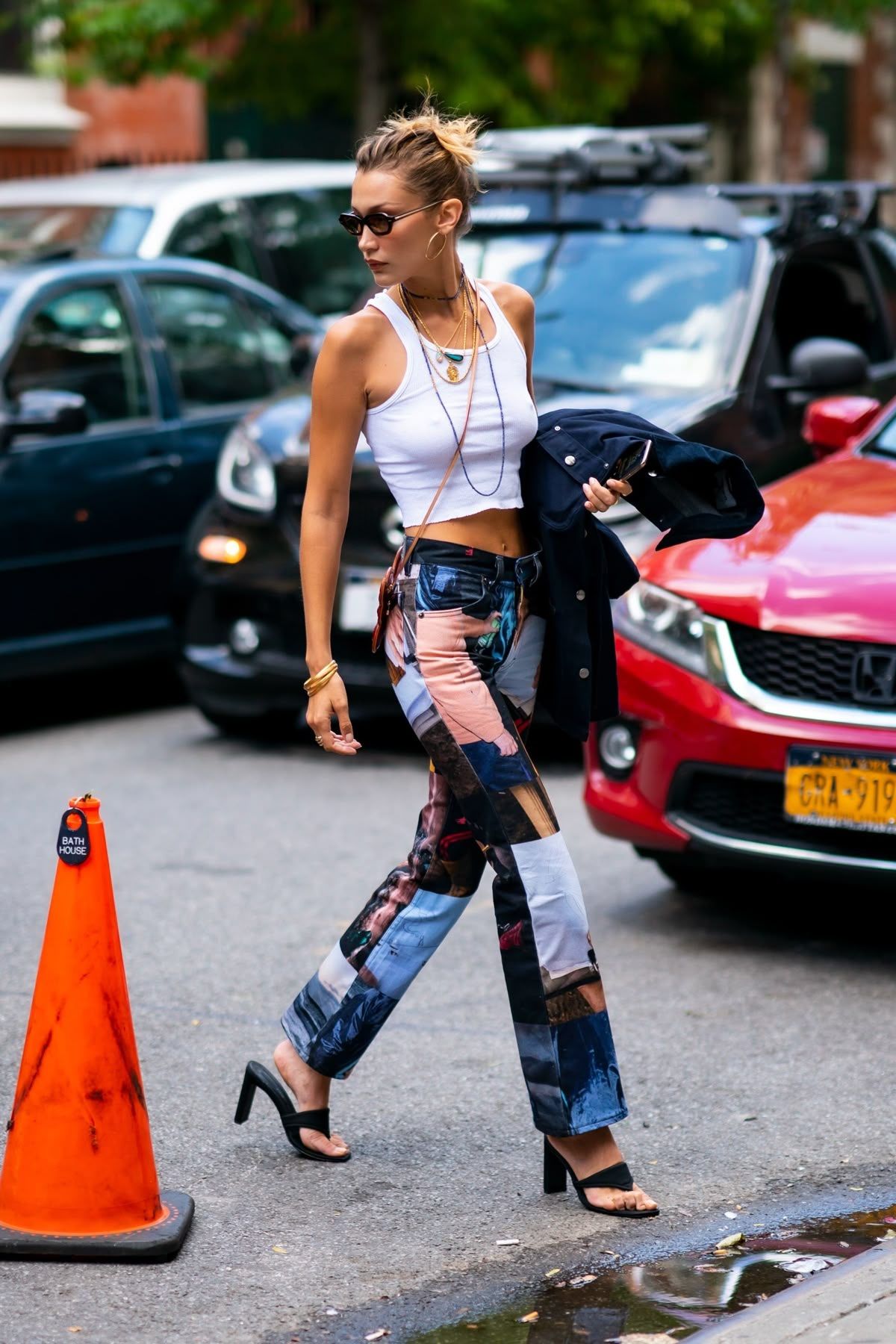
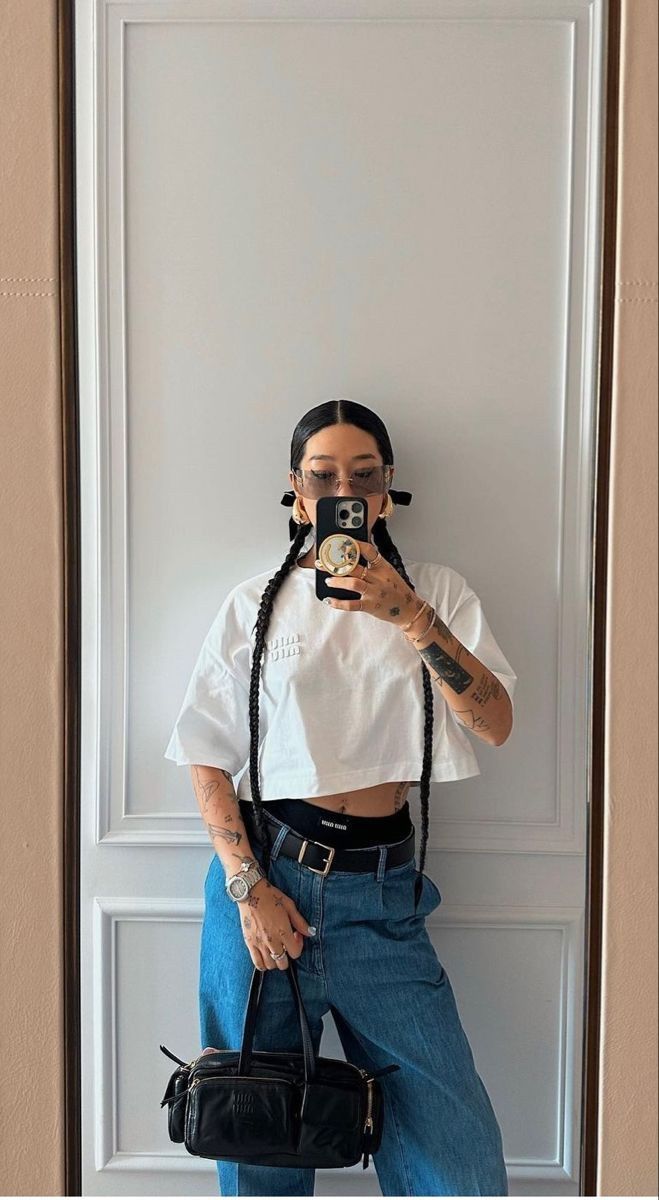
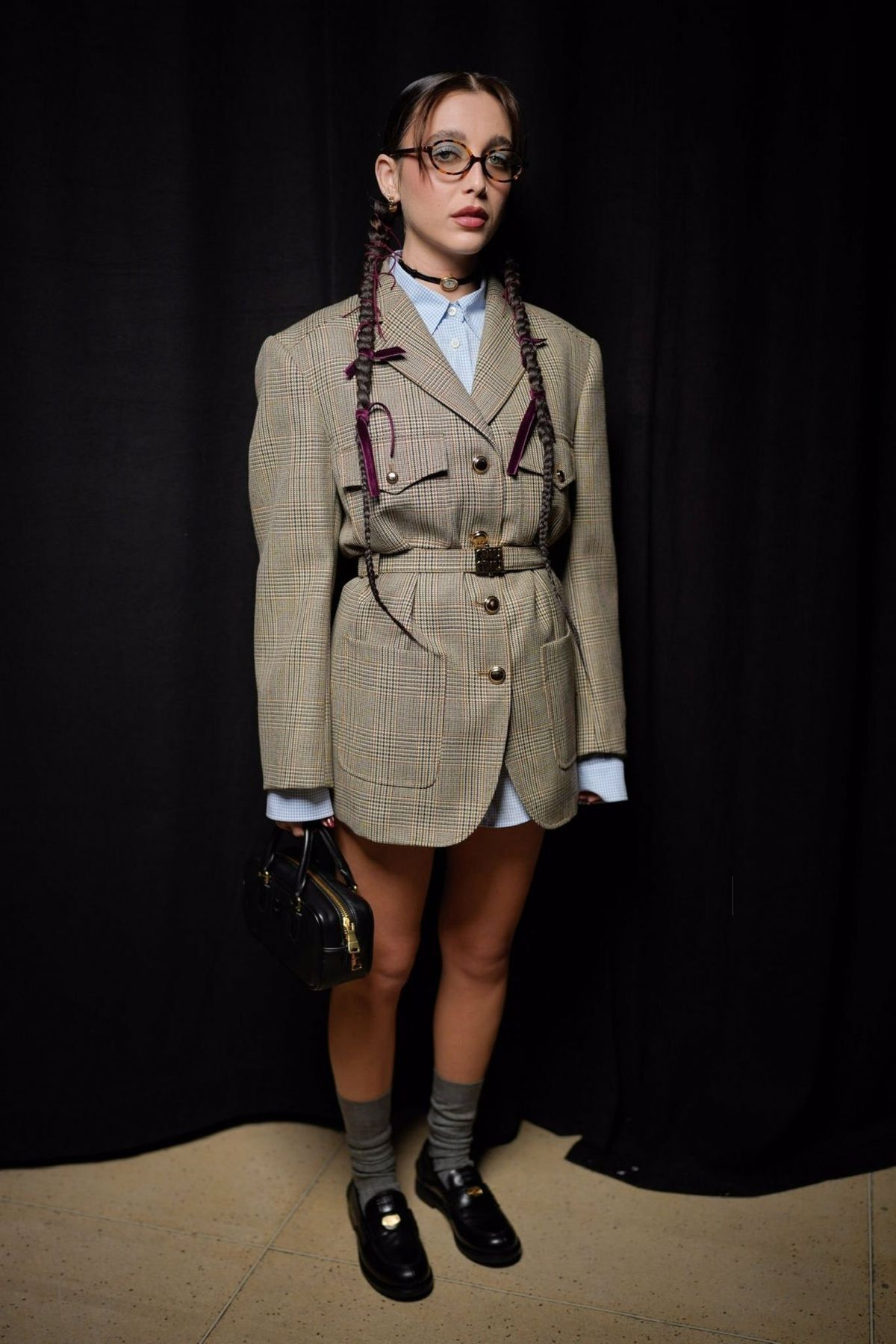
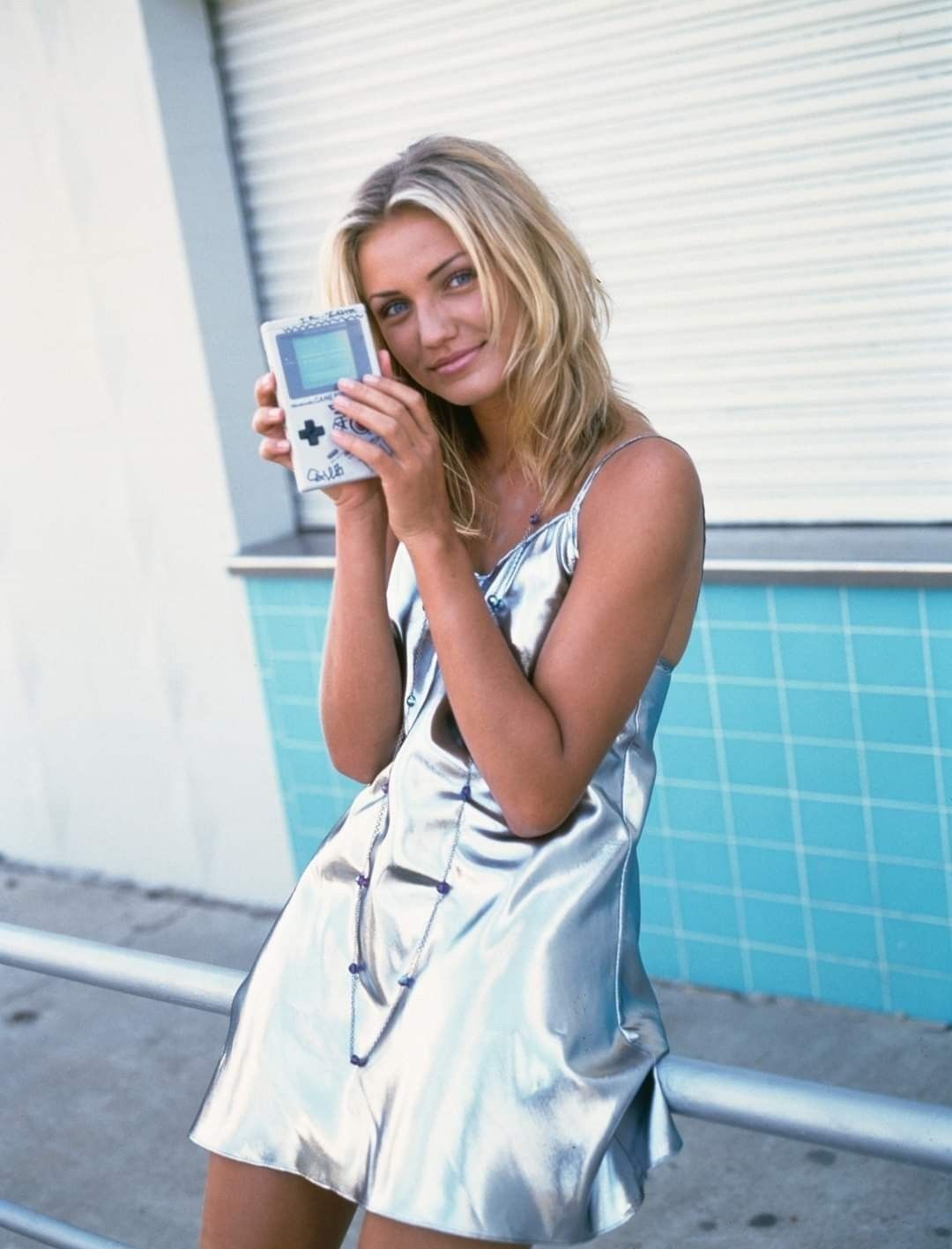
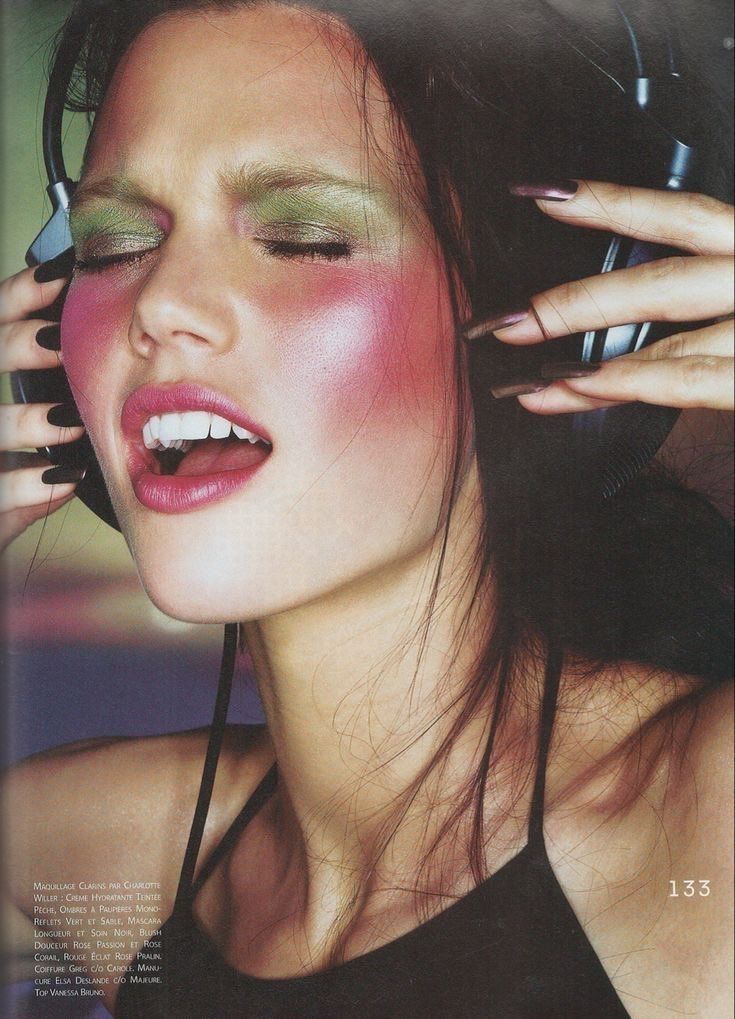
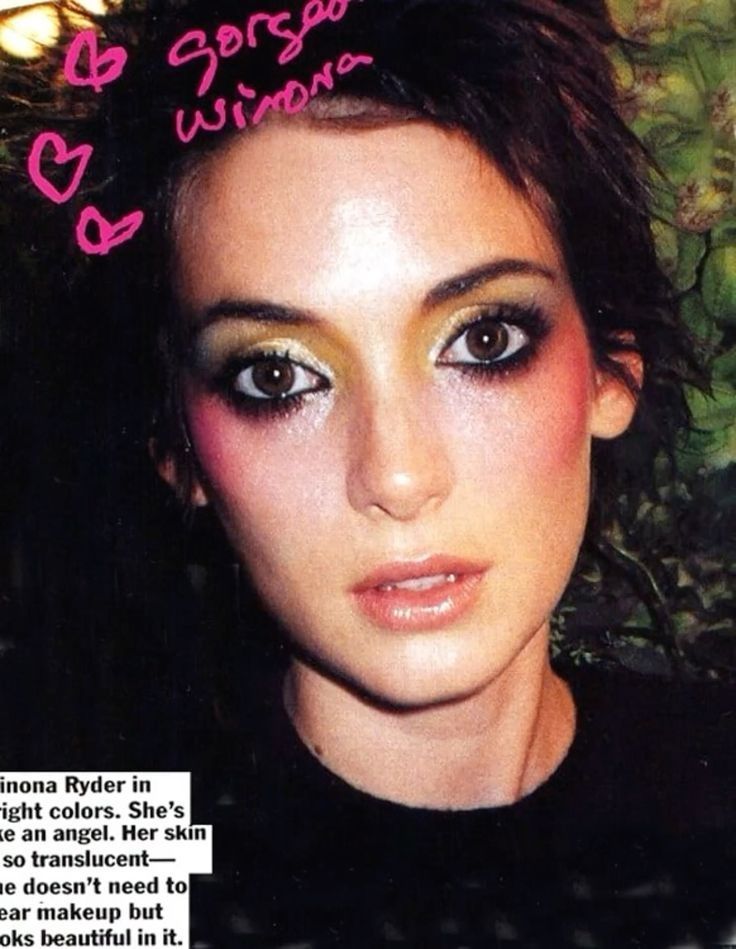
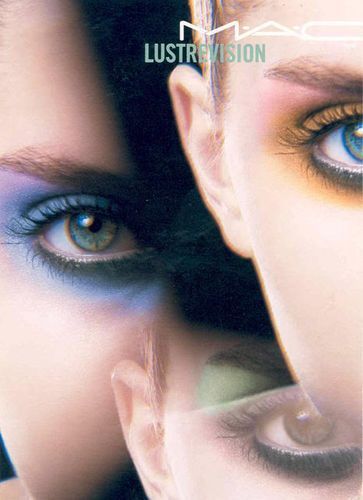
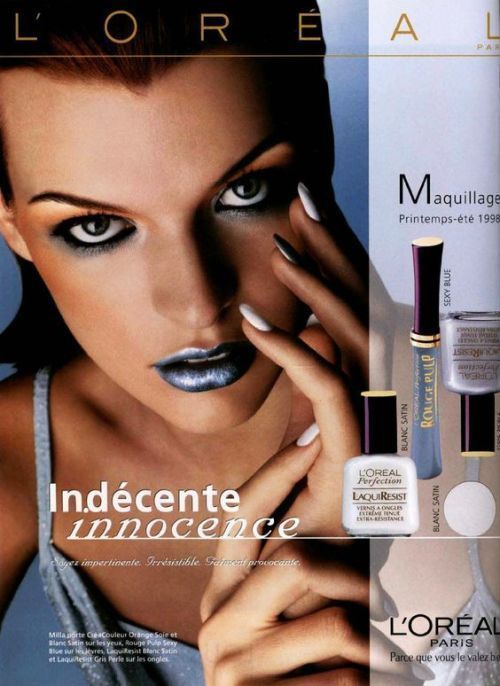
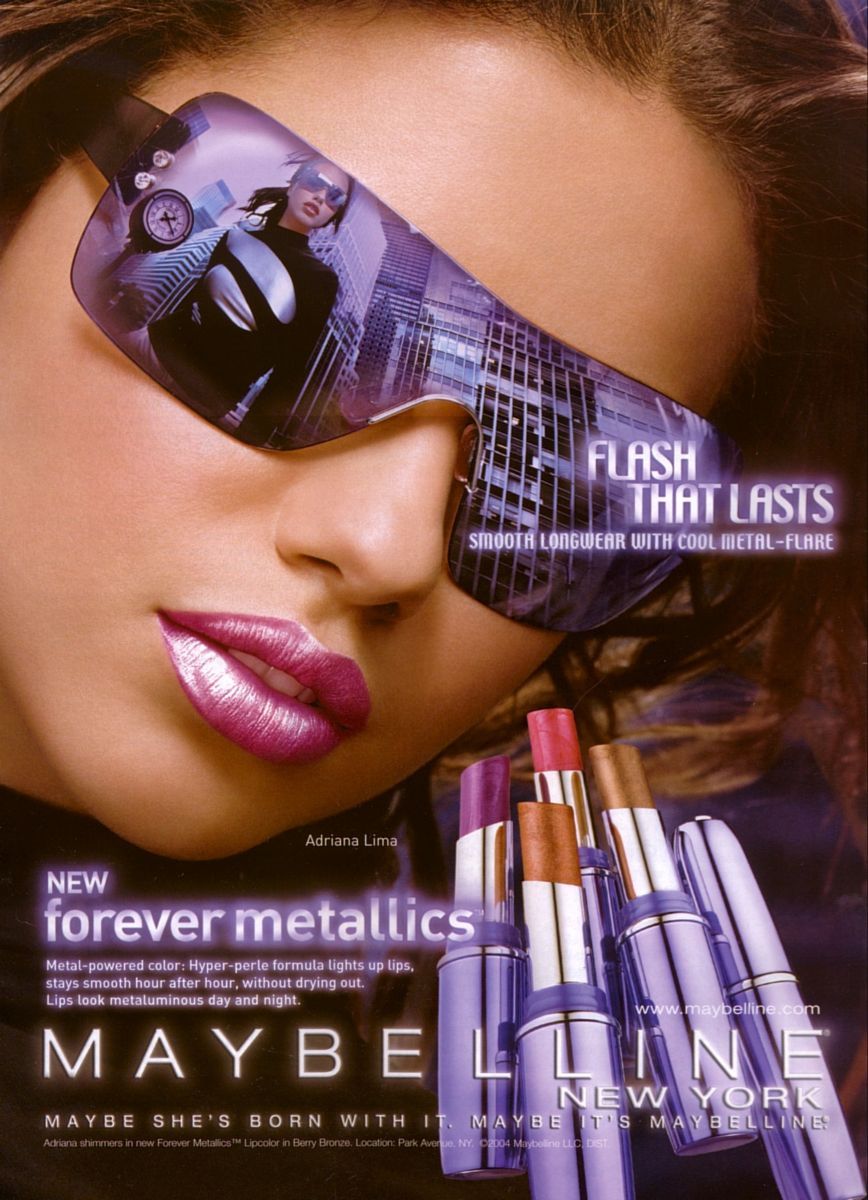
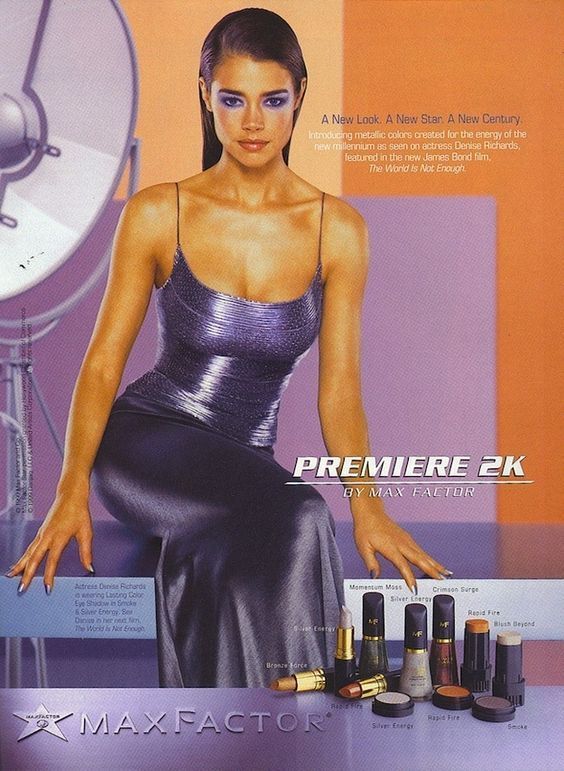
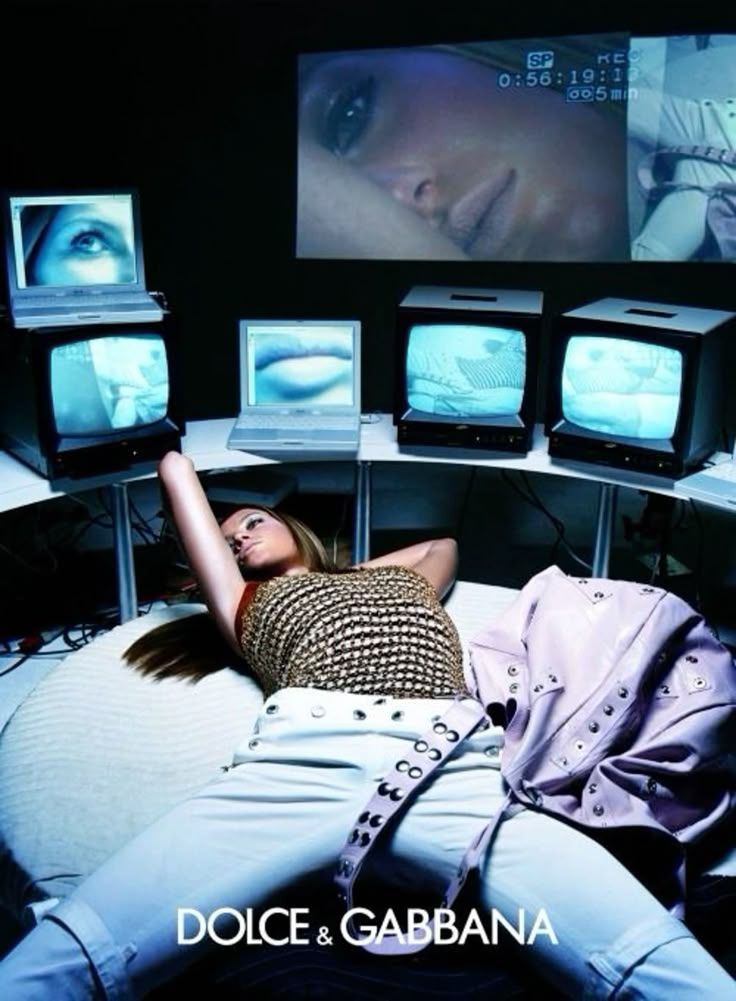
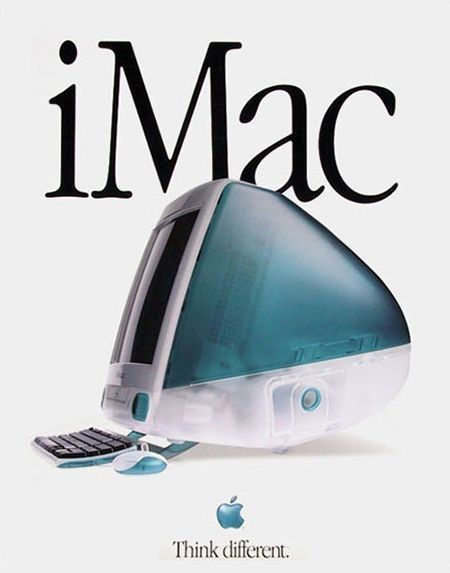
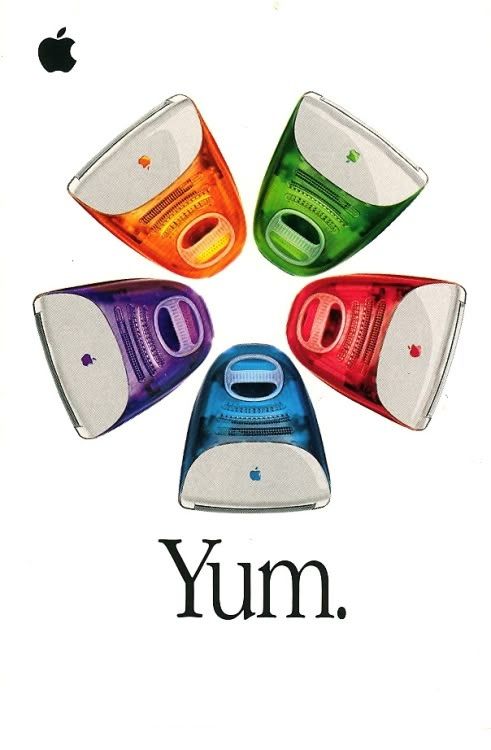
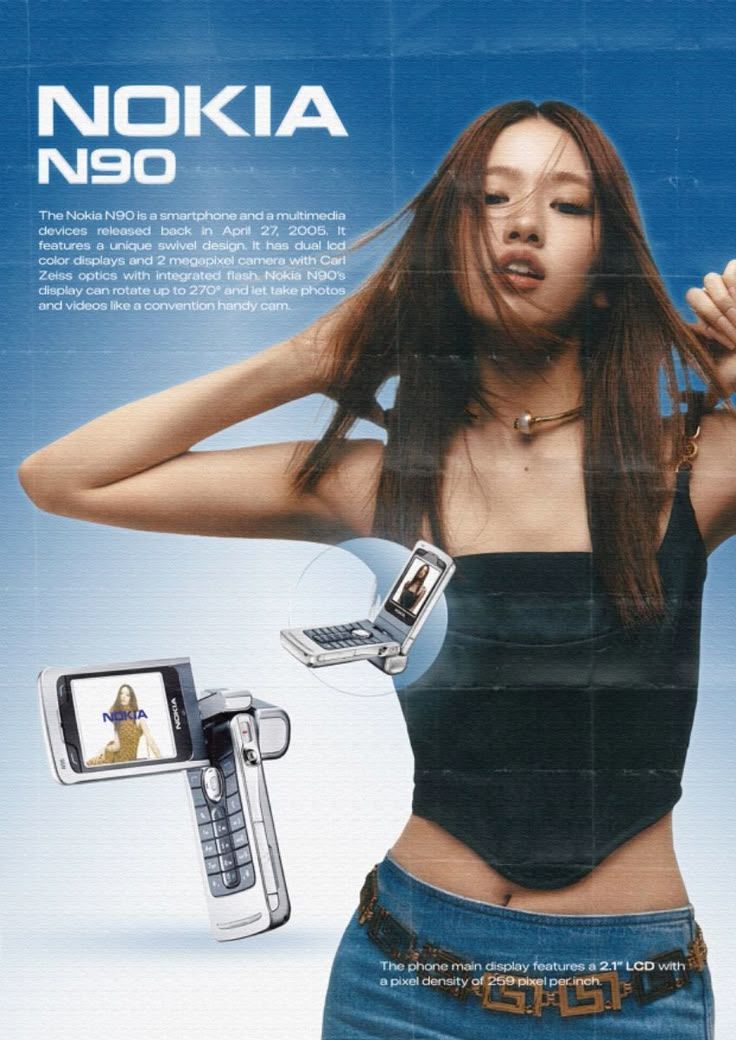
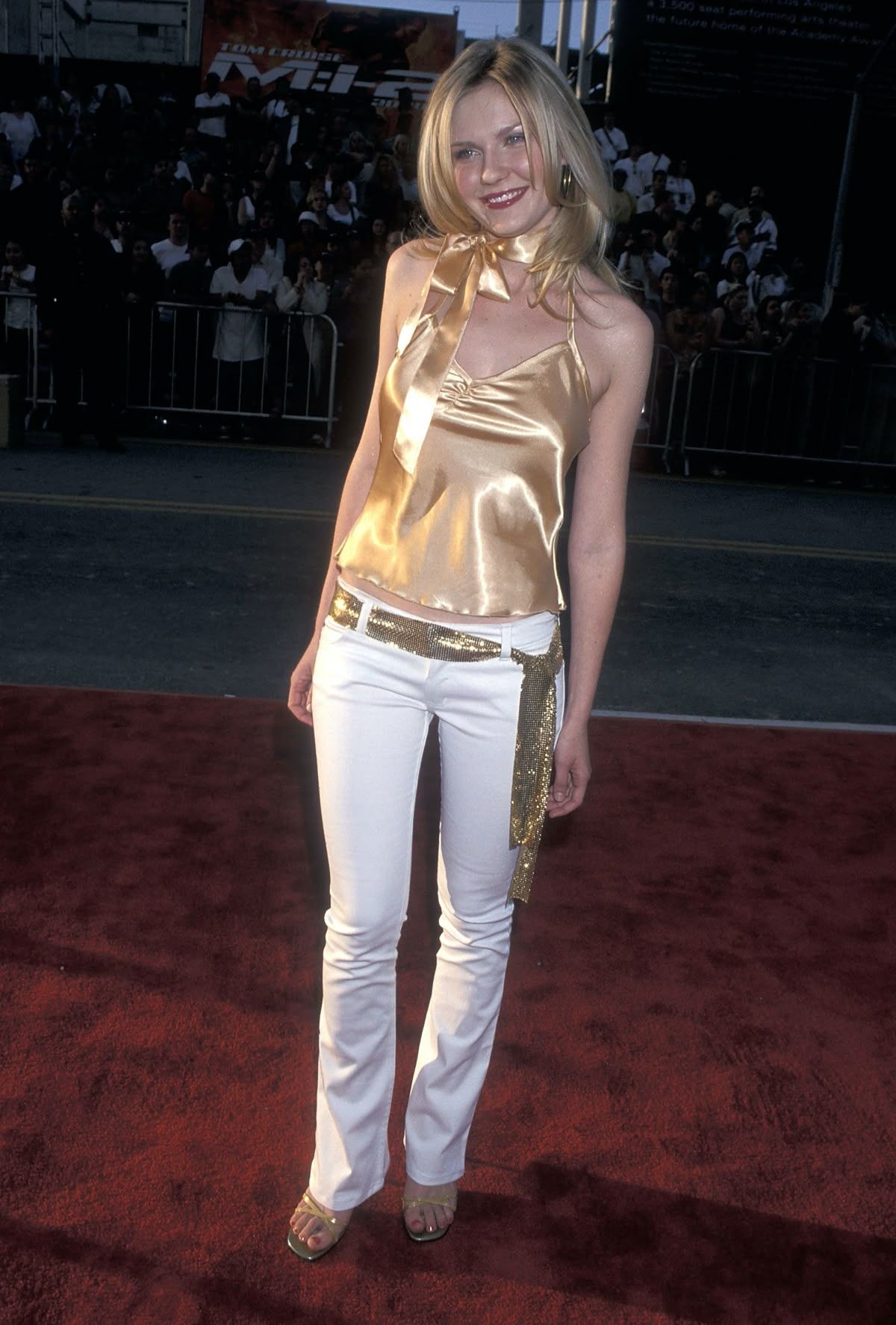
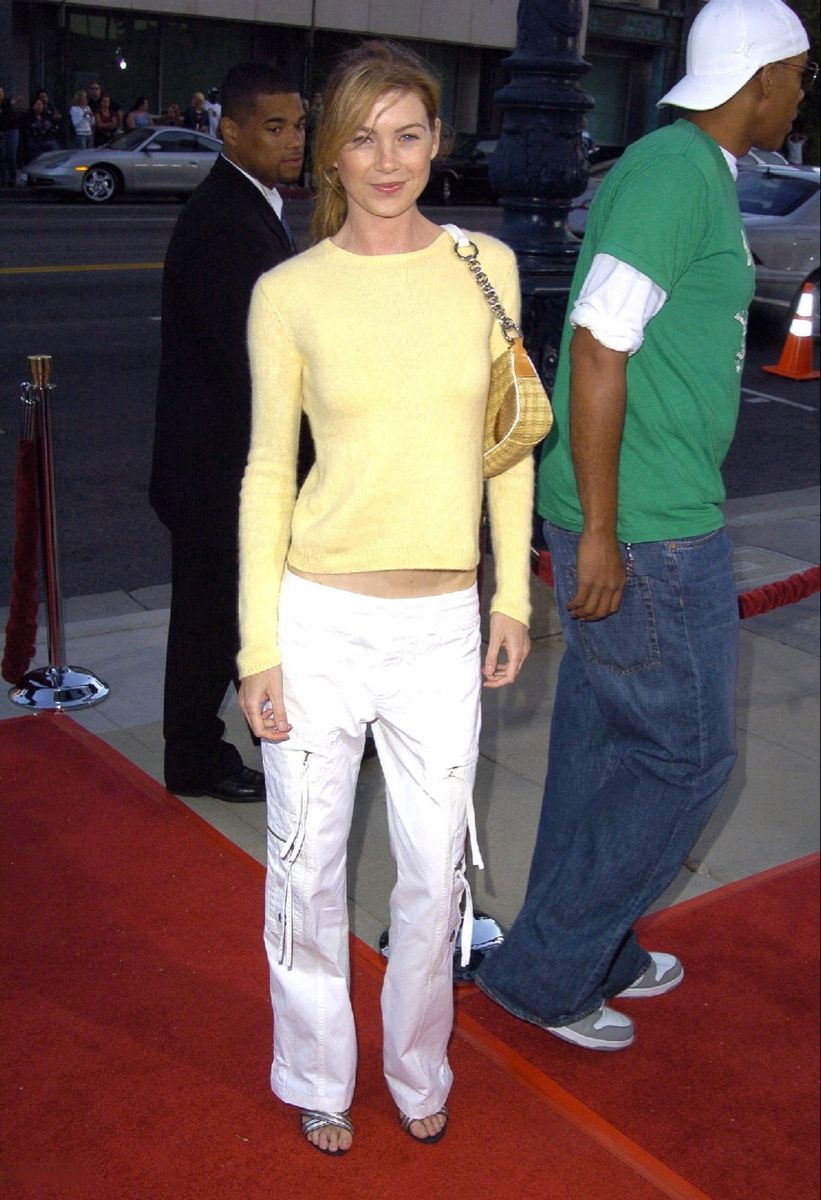
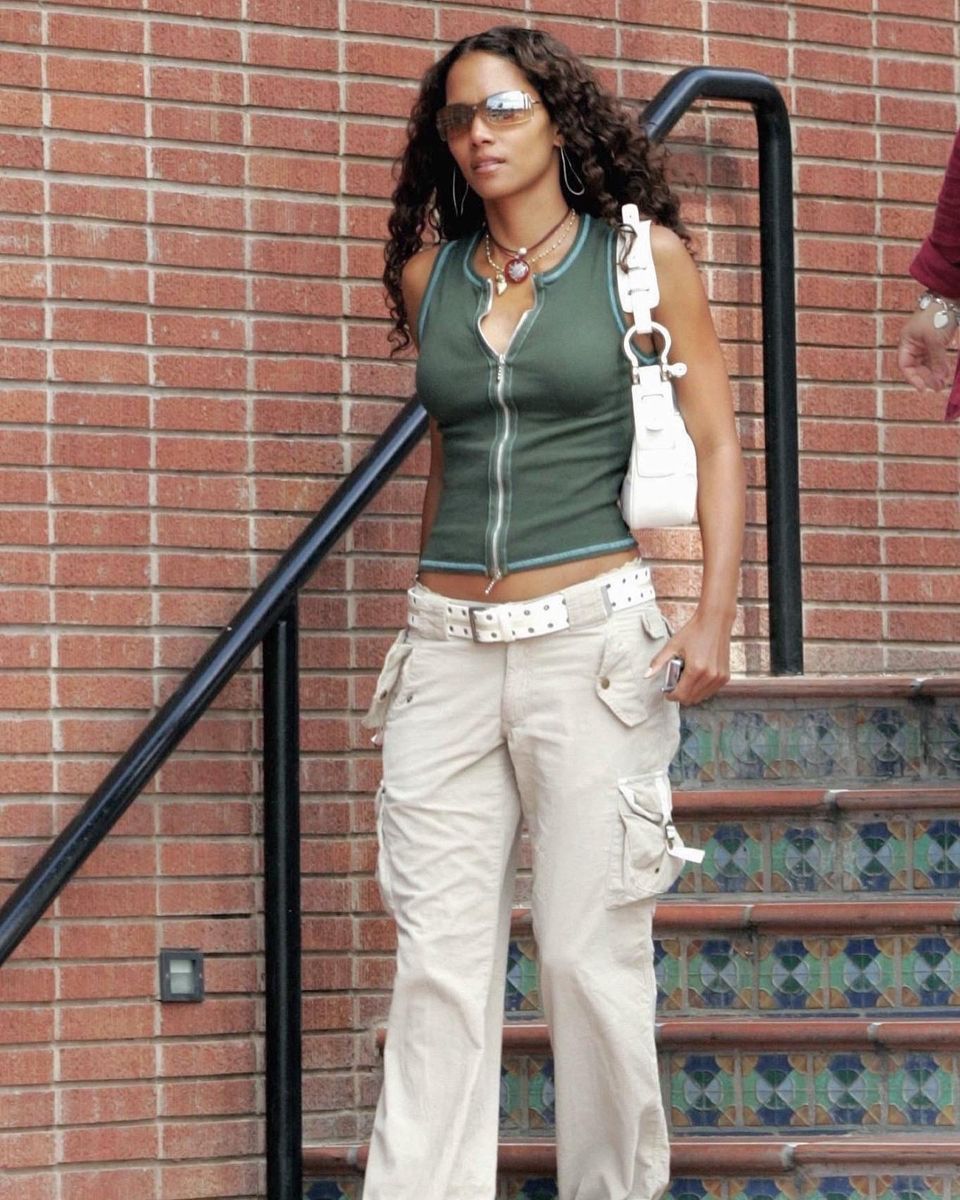
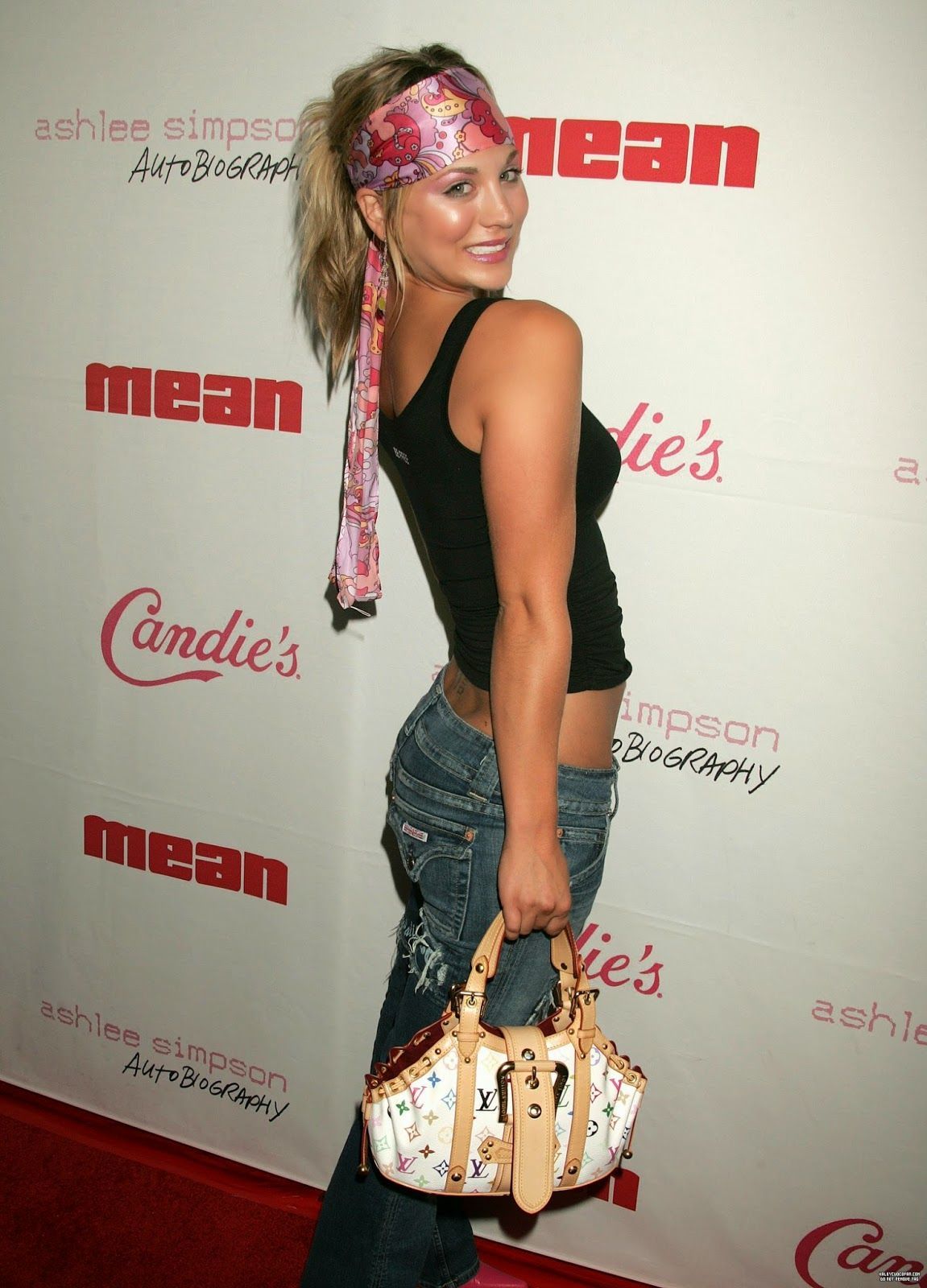
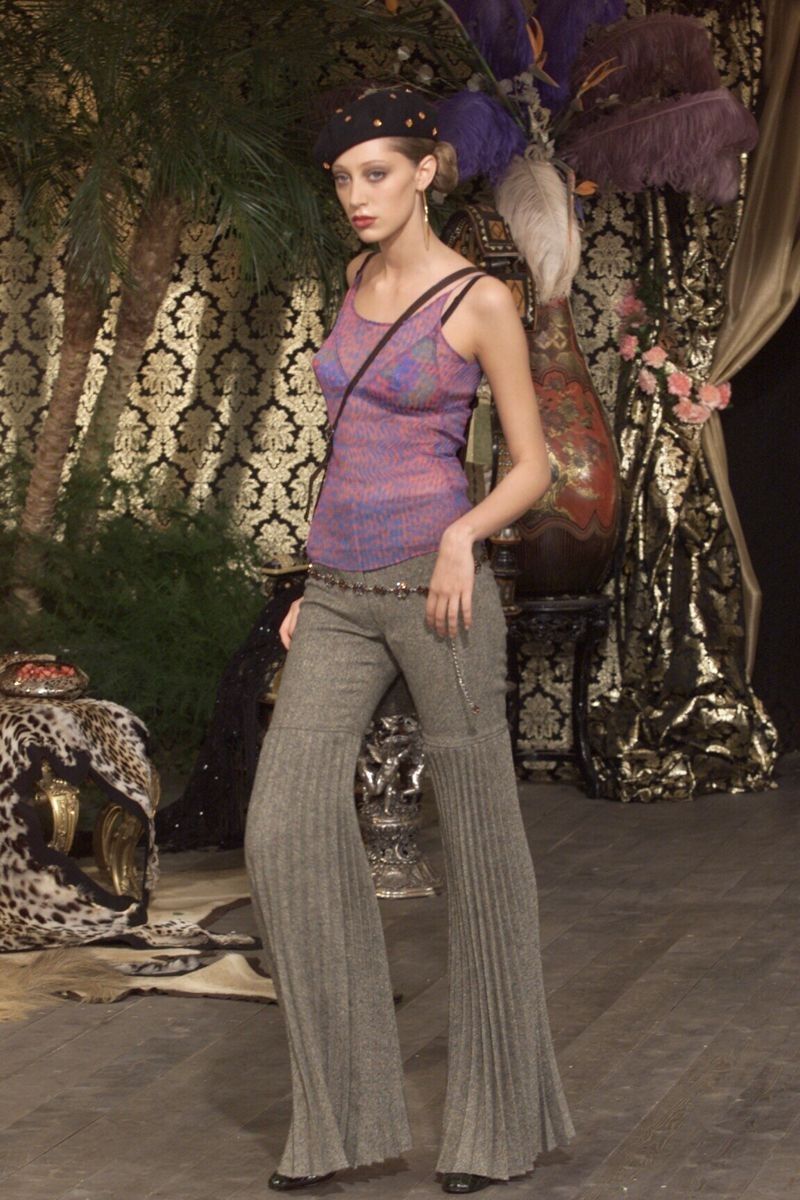
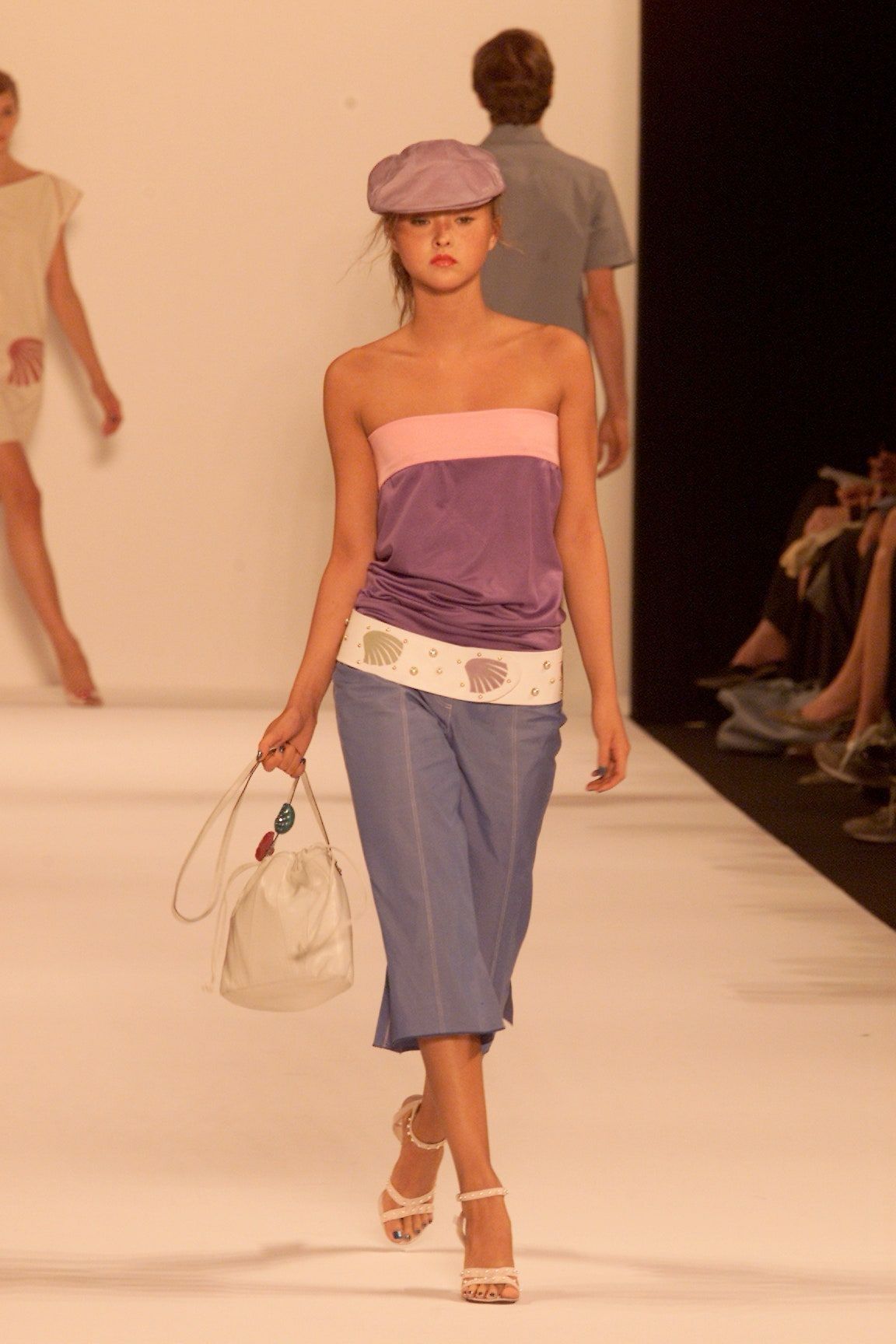
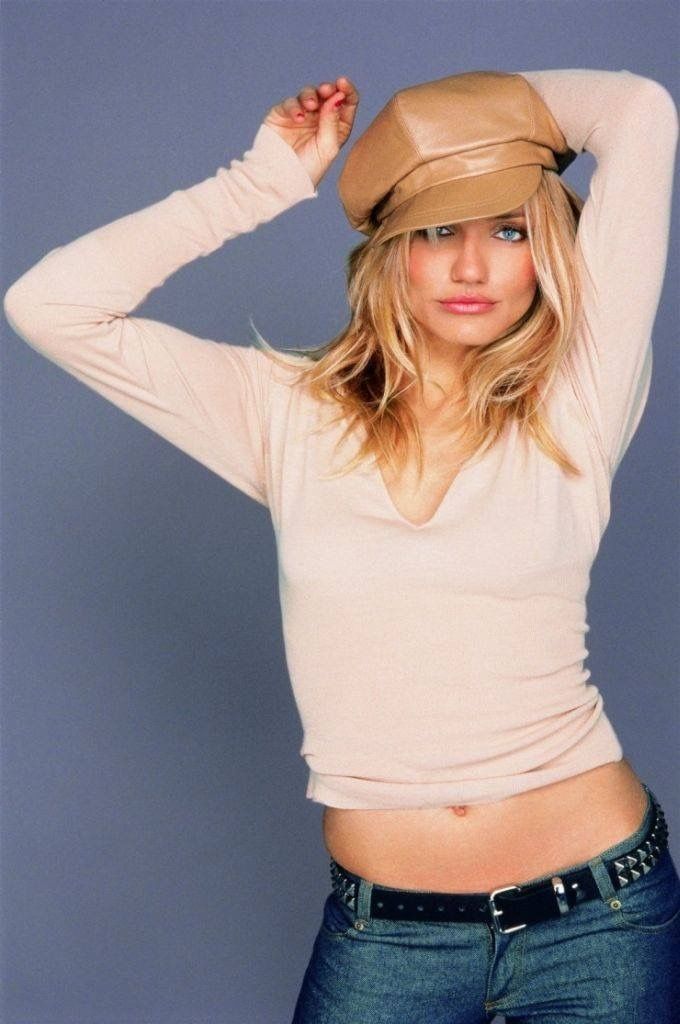
Do you know that feeling of opening an old drawer and finding a faded Polaroid, a beaded bracelet, and an empty perfume bottle? It’s the same mix of déjà-vu and nostalgia that’s taking over social media, where users like @charmingcherubvintage have rediscovered the 2006 Bay Area girl and her life of iTunes playlists, endless MSN chats, and trips to the movies to see the latest romcom starring Amanda Bynes or Jessica Alba. The passion for the early 2000s never ceases to fascinate us and, once again, it’s pulled us back into that era when fashion was a pop laboratory and technology felt like magic.
The myth of the 2006 Bay Area girl
The Bay Area girl was an everyday mythical creature. You could bump into her at a café in Berkeley or a bookstore in San Francisco, and you were immediately struck by that aura suspended between Hollywood star glamour and Silicon Valley nerdiness. She had an aura made of colorful pixels and sweet perfume. You could recognize her by details like the delicious notes of chocolate, honey, caramel, and cotton candy lingering in the air, or the confident rhythm of her stride in Jimmy Choos. In her hand she held the Nokia 90, a true cult object which, when not in her bag, reigned supreme on her desk next to her faithful colored iMac. On her computer she wrote, created, and chatted, like an unaware proto–social media manager. Her world was made of digital windows: MySpace to express herself through a glittery, autoplay-song-filled profile; MSN Messenger for endless chats that became a secret diary of her teenage emotions; and iTunes playlists serving as the soundtrack to her ever-changing moods.
The Bay Area girl’s wardrobe in 2006
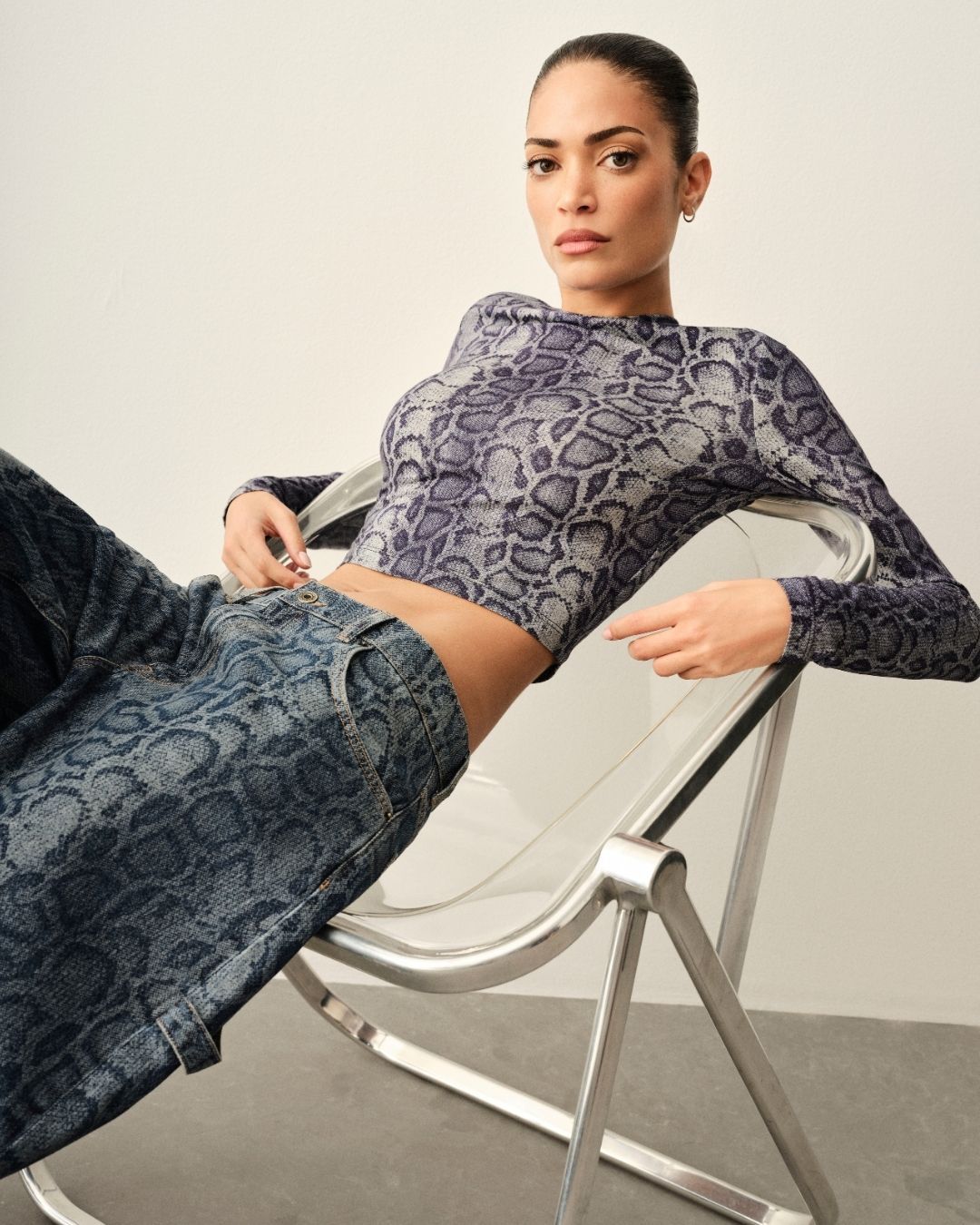
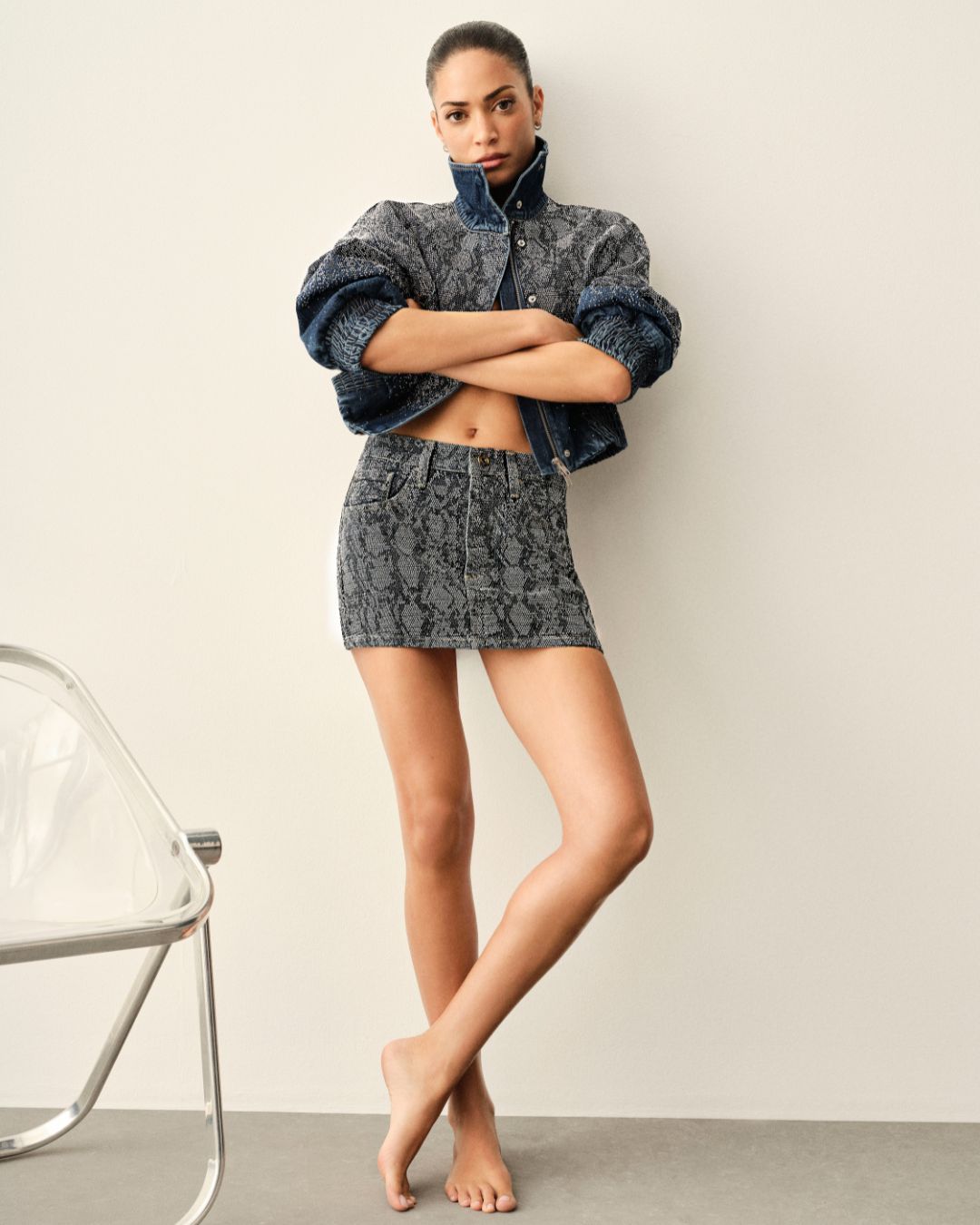
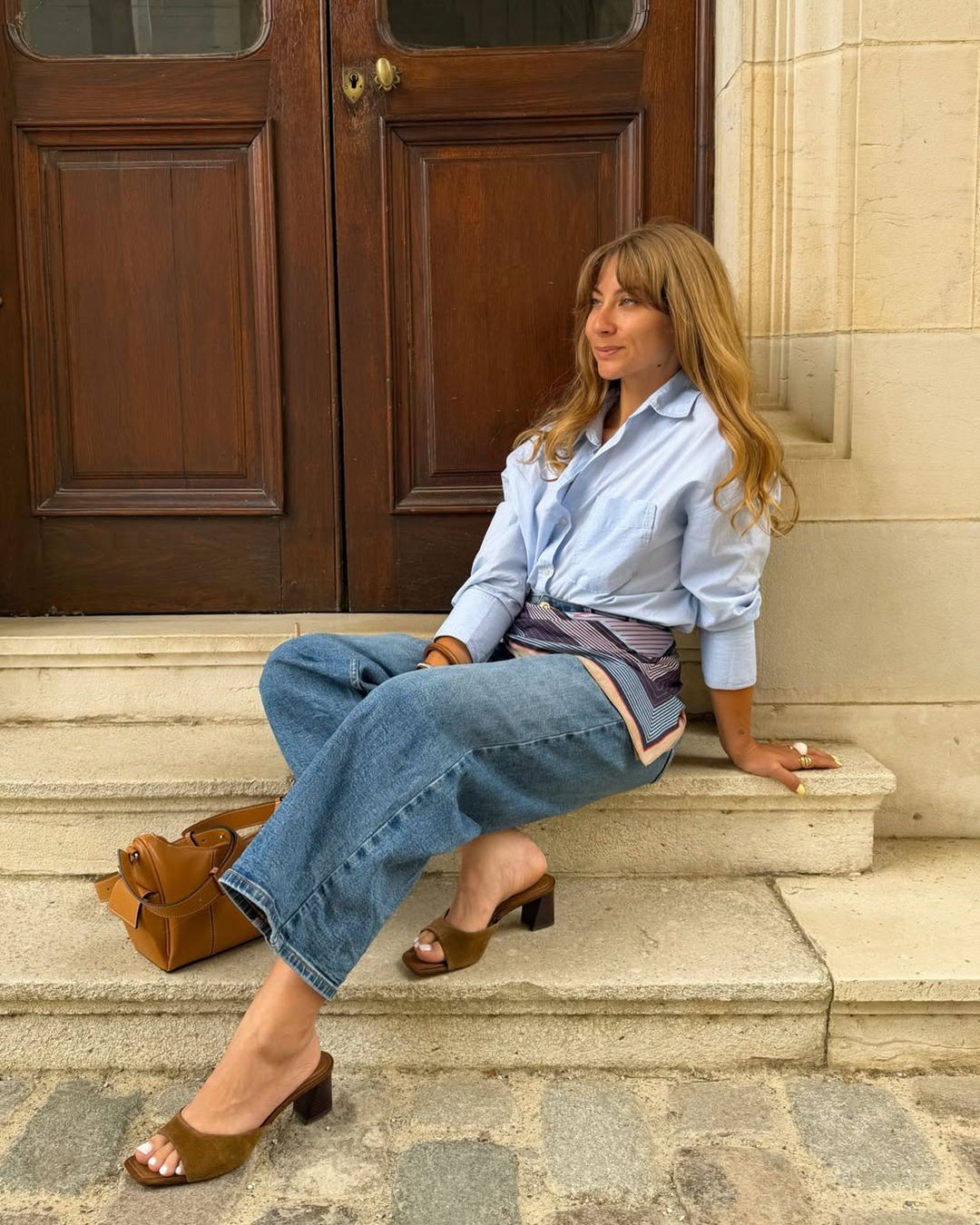
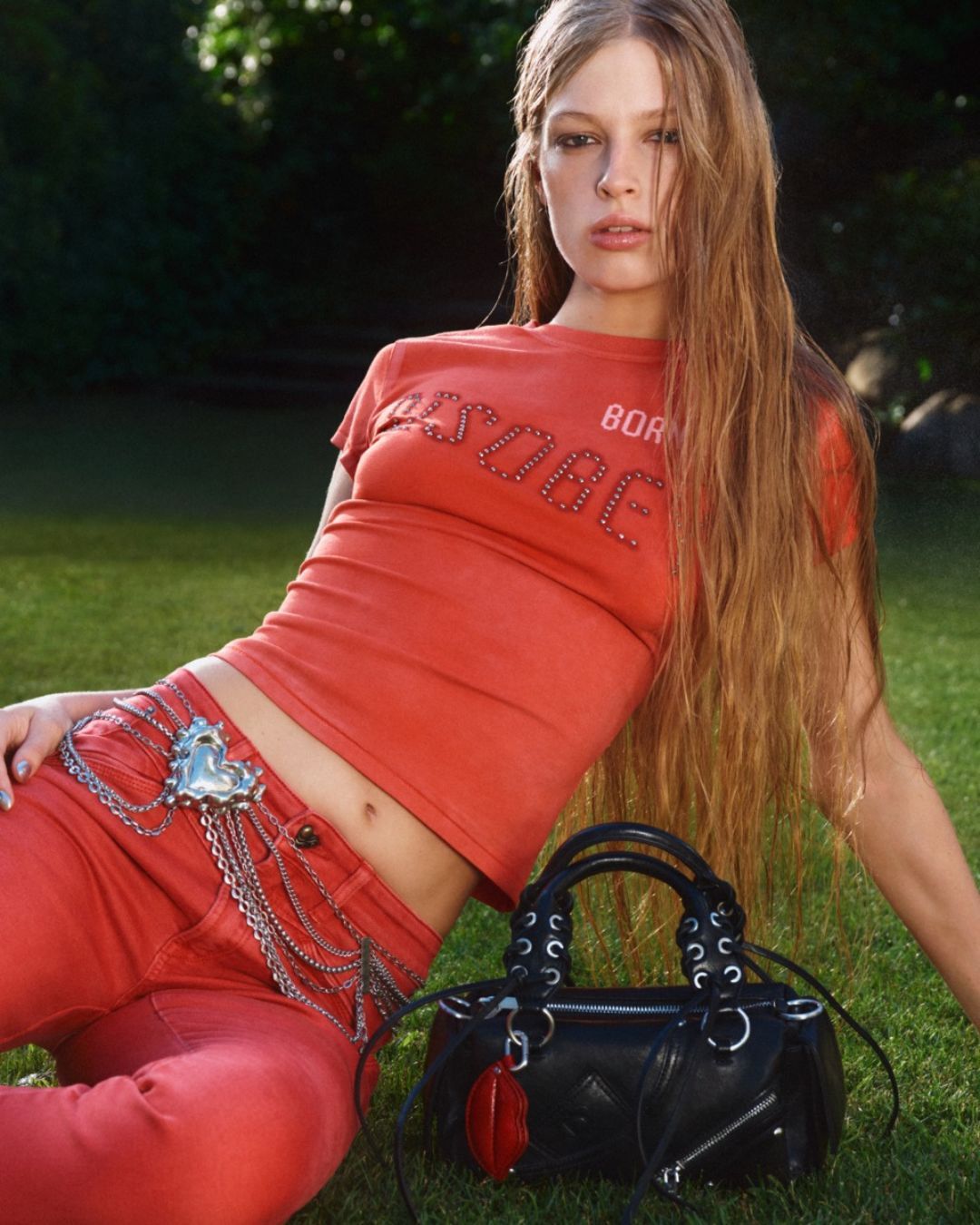
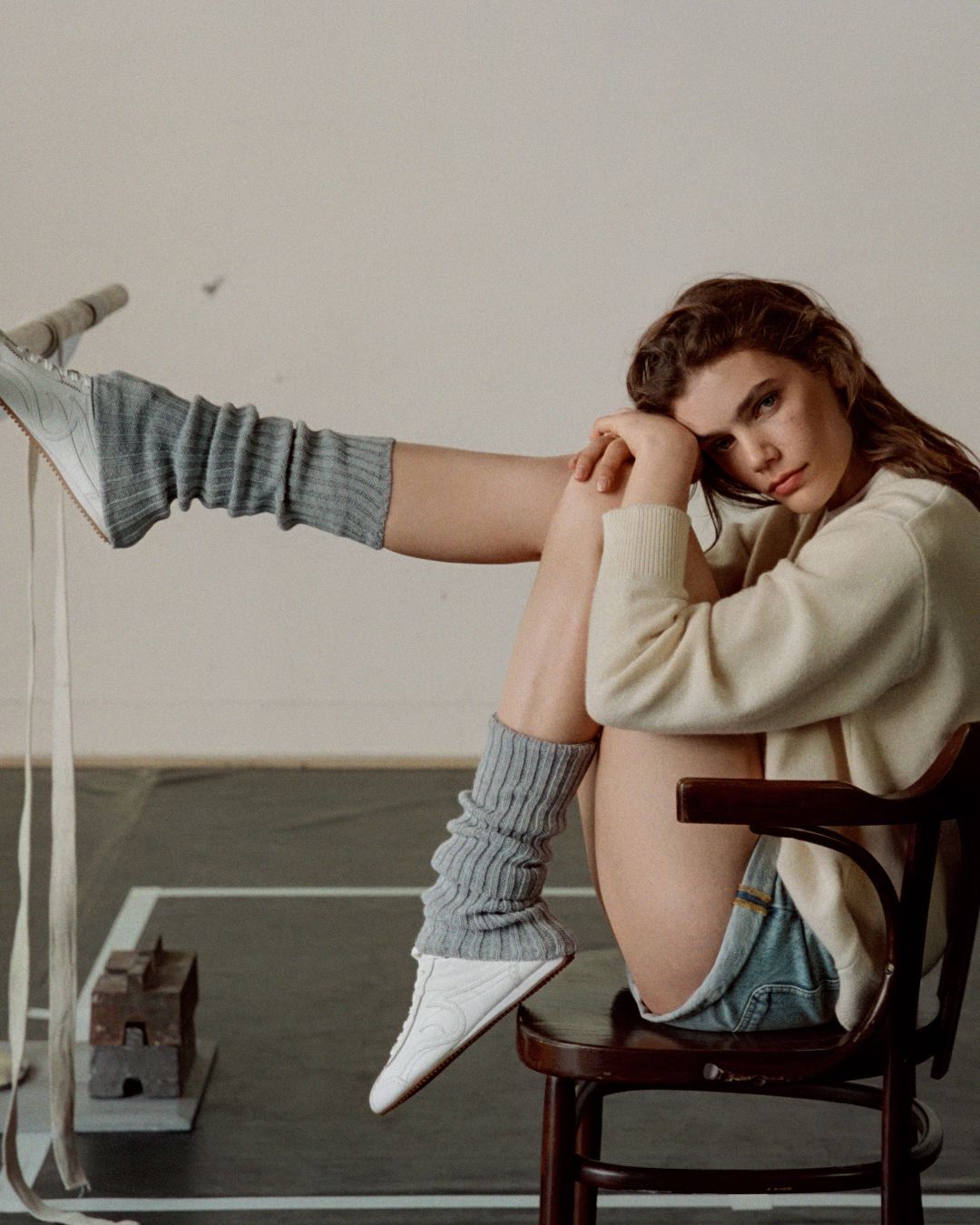
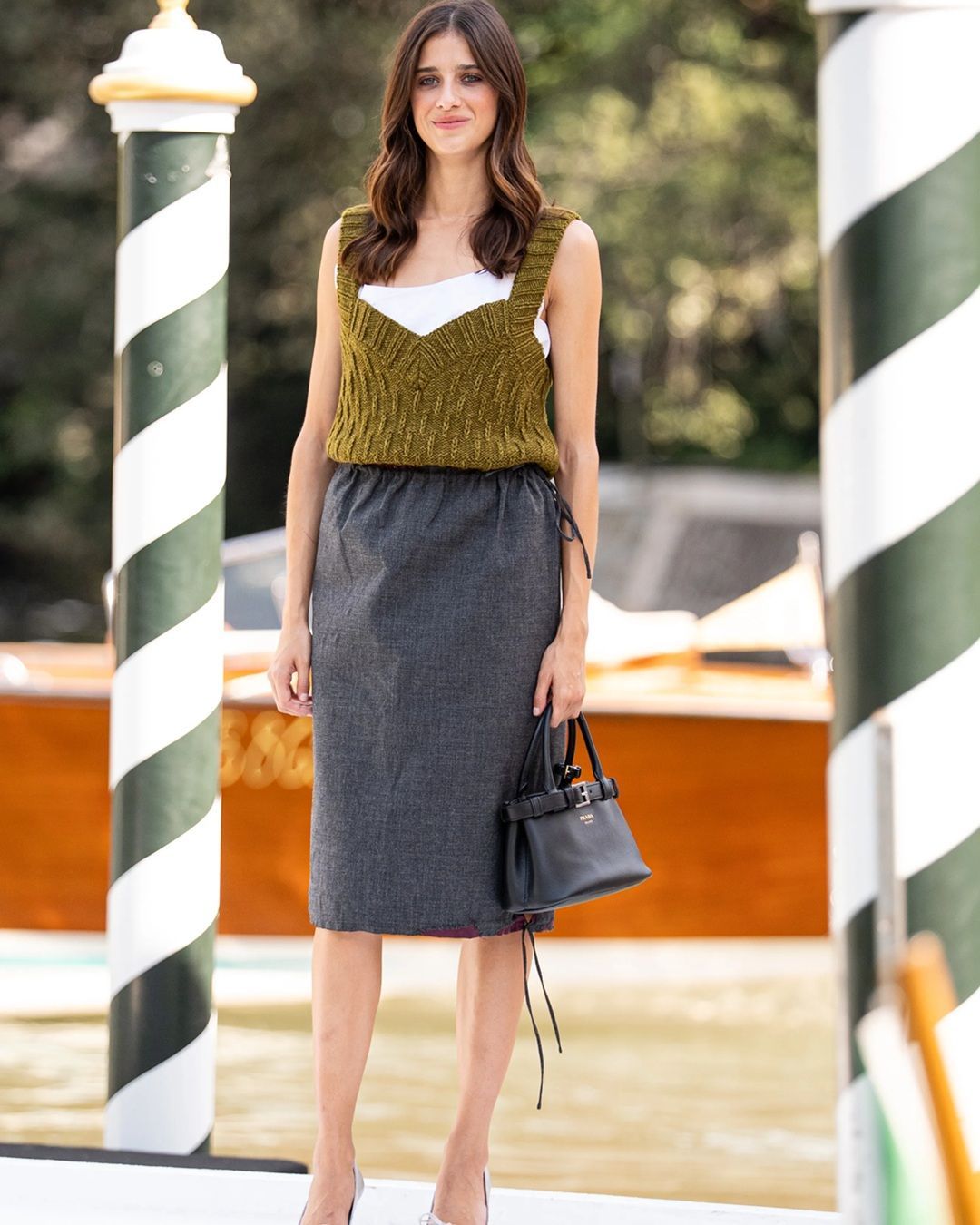
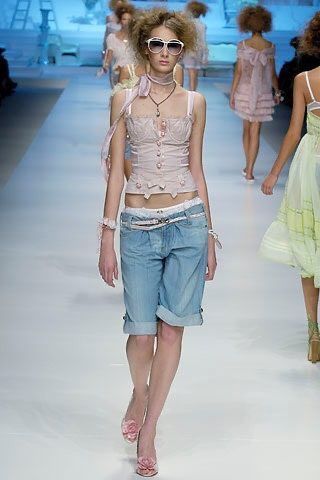
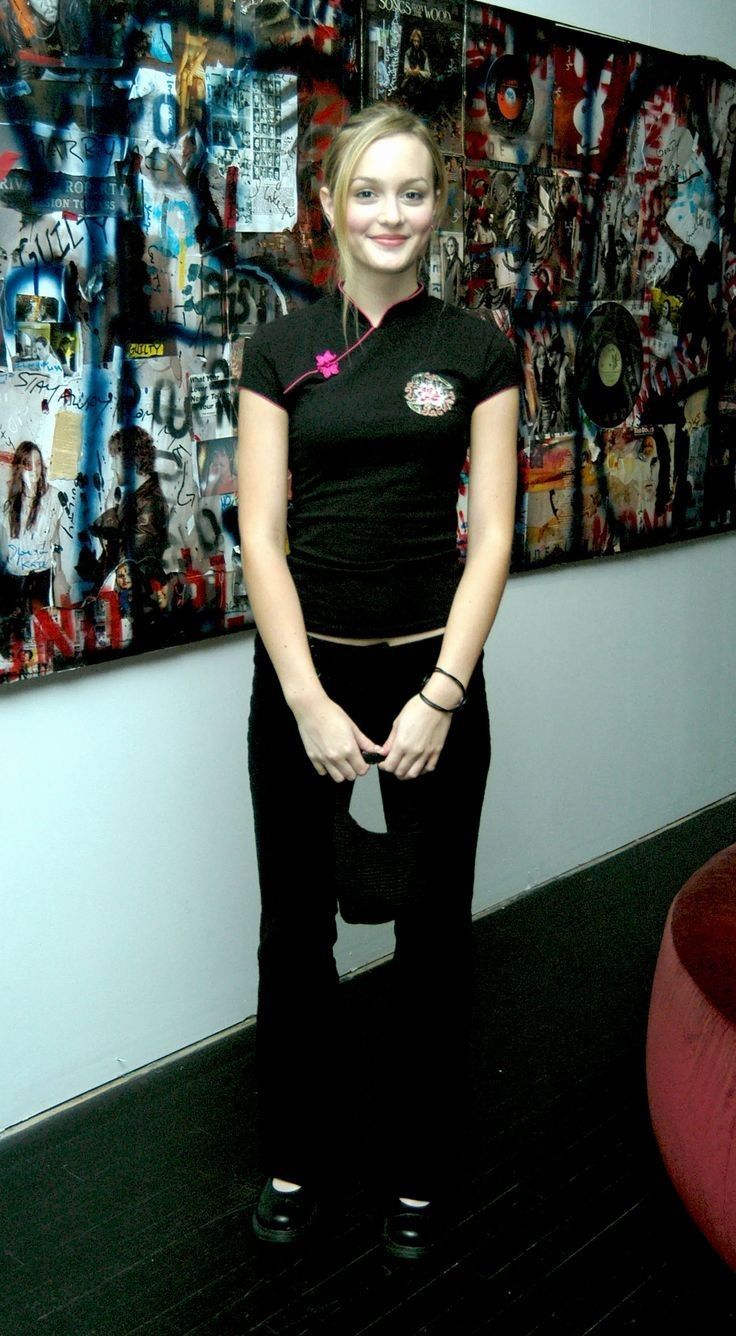
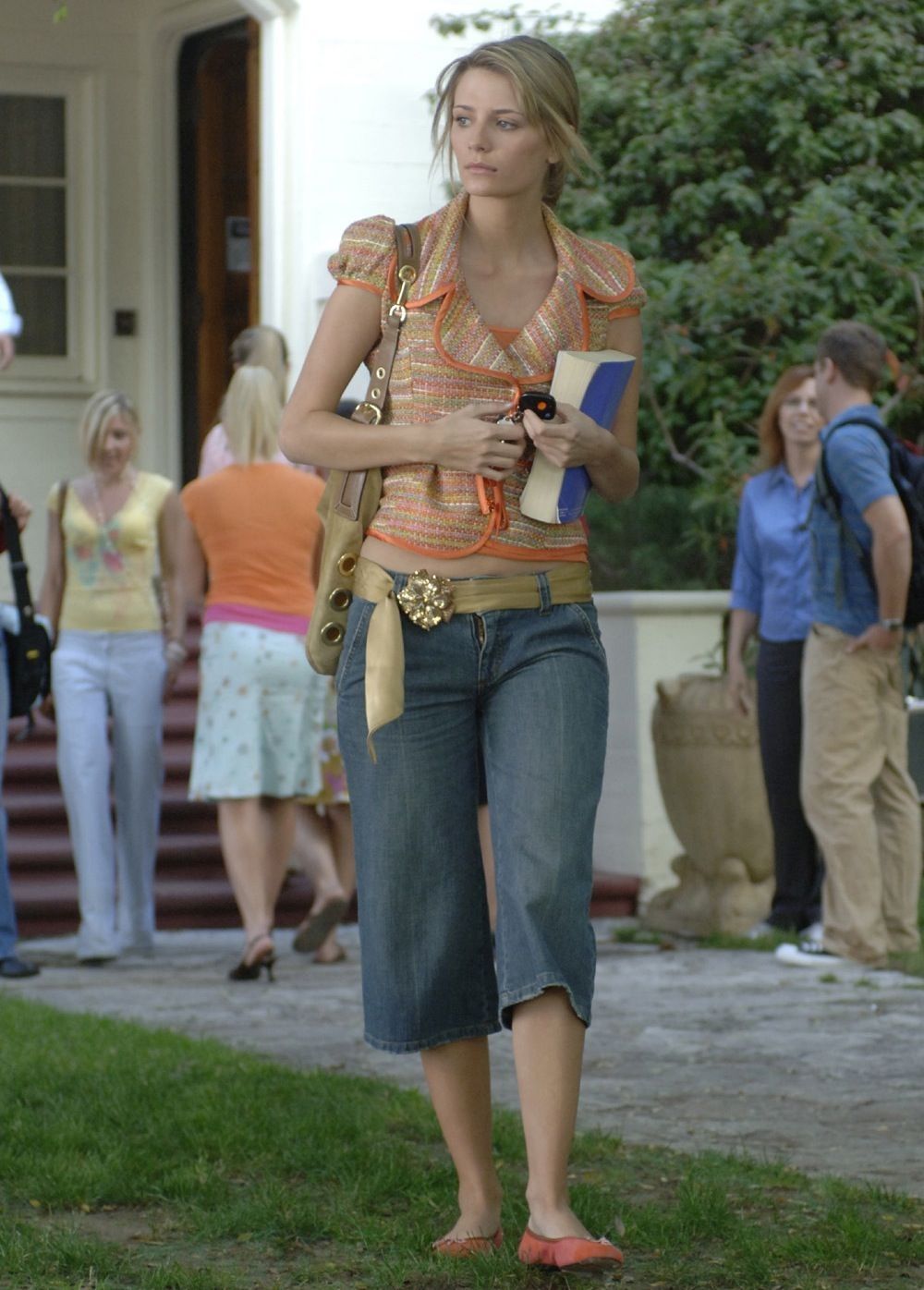
Her aesthetic was a constant tension between opposites. She could wear dangerously low-rise jeans with a scarf-foulard tied nonchalantly above them, instantly turning it into a skirt that gave her look an improvised yet perfectly calibrated boho-chic aura. On top, she’d pick essential, almost minimal crop tops, sabotaged by theatrical accessories like jangling bracelets and oversized charm belts. Bags were statement pieces, like the coveted Dior Saddle Bag. The Bay Area girl was the queen of layering, able to mix raw denim, printed silk, screaming logos, and sheer fabrics in a harmonious chaos. Her style was an extension of the virtual world she inhabited: a constant contamination of pixels and fabrics, Dolce & Gabbana and Miss Sixty, bold prints and essential garments, platform boots and Jimmy Choo Orchid heels. She paired everything with almost insolent ease, because the goal was never to go unnoticed.
The Bay Area girl’s beauty in 2006
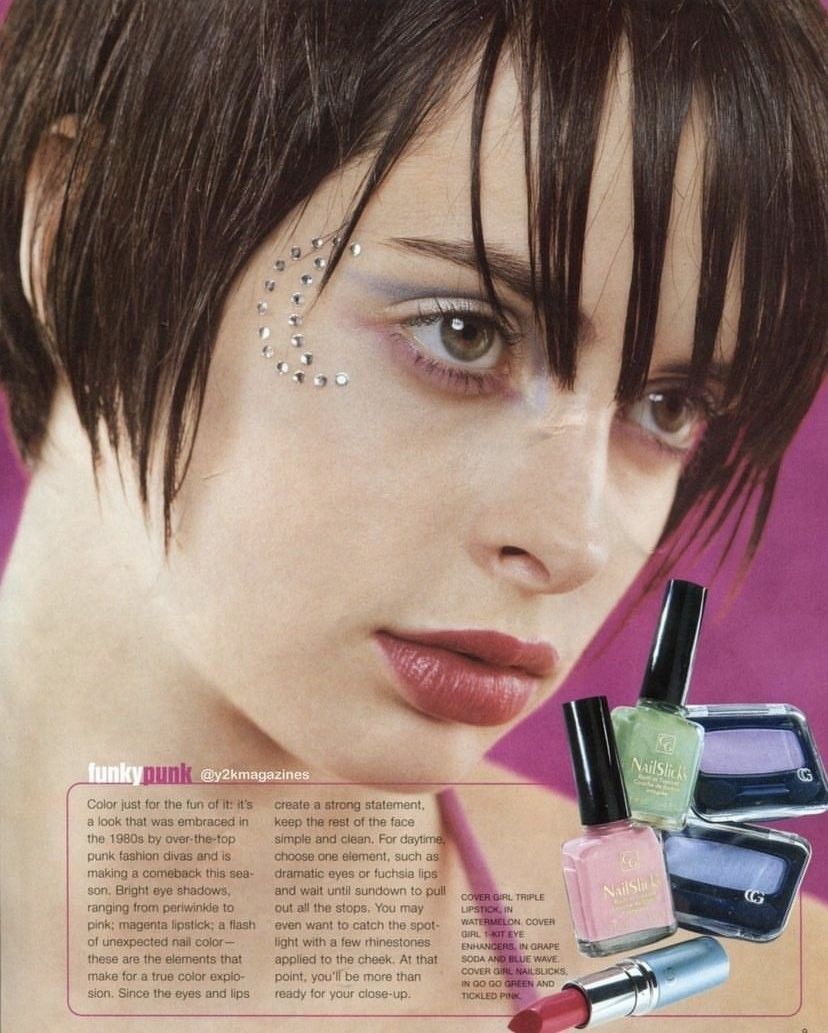
If we flip through the mental album of the 2000s, we find traces of the Bay Area girl in Amanda Bynes’s comedies, in Jessica Alba and Joy Bryant’s characters in Honey, in Devon Aoki with her cosmopolitan warrior allure, in Leighton Meester before Gossip Girl, in Michelle Trachtenberg with her mix of innocence and rebellion, and in many other celebs and movies of the era. She shared much of their attitude, wardrobe, and beauty style. Her make-up bag always held saturated metallic eyeshadows (she would have loved the Lumiverse collection by KIKO Milano), blush, eyeliner, and lip gloss. If her favorite perfume was Angel by Mugler, her favorite makeup brand was Mac Cosmetics. In fact, she often worked in one of its stores, trying out every product and taking home every sample to share with friends.
The Bay Area girl of 2025
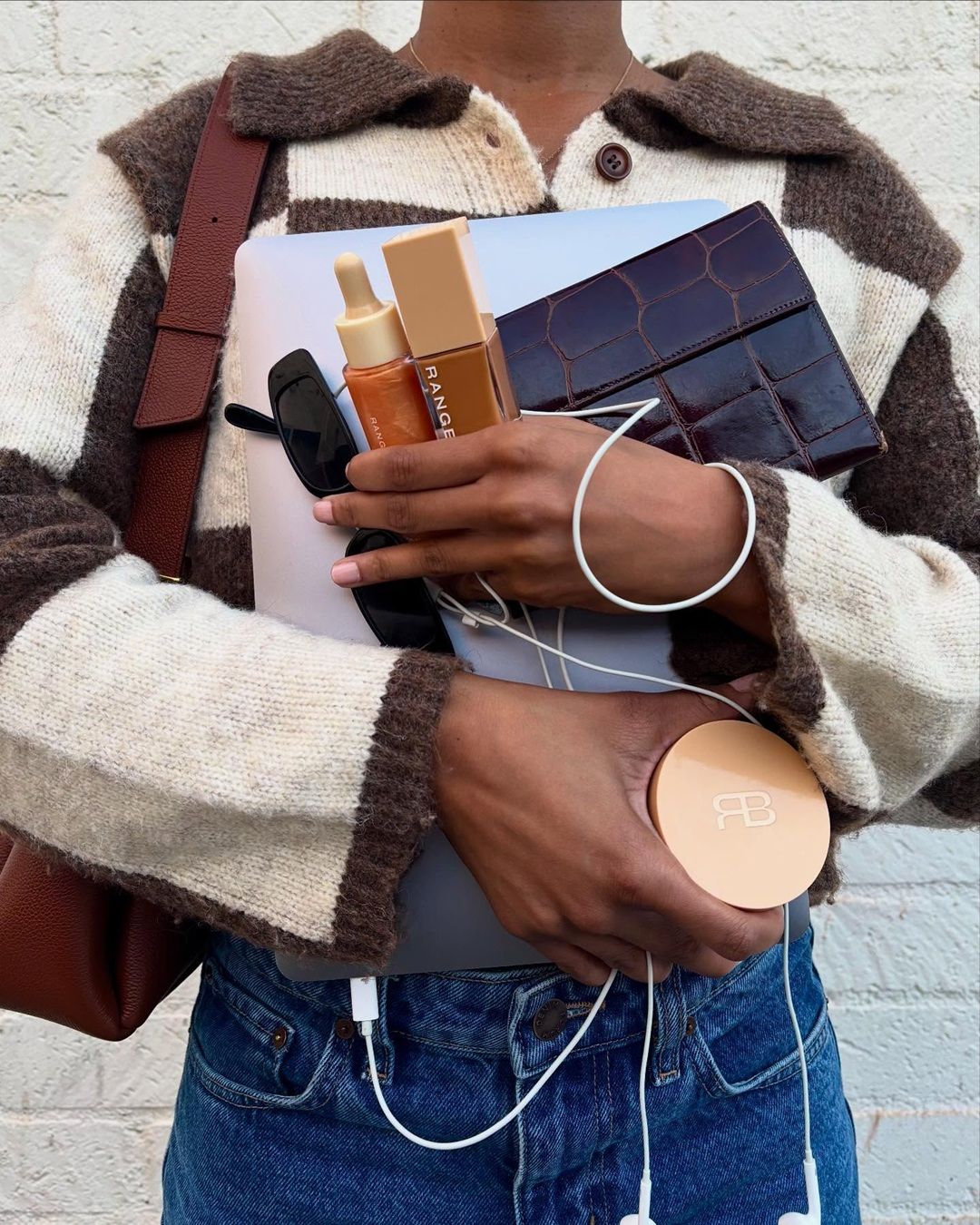
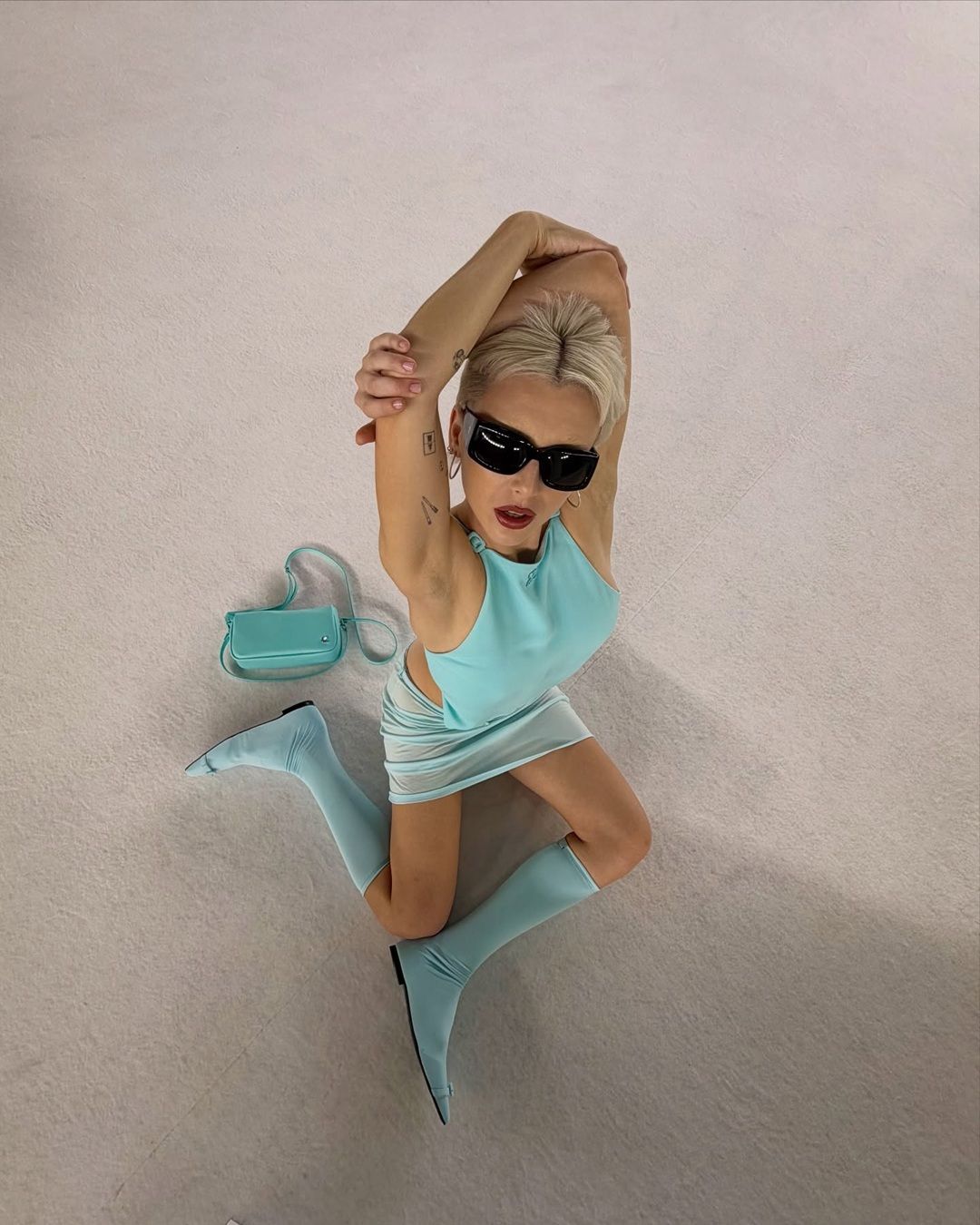
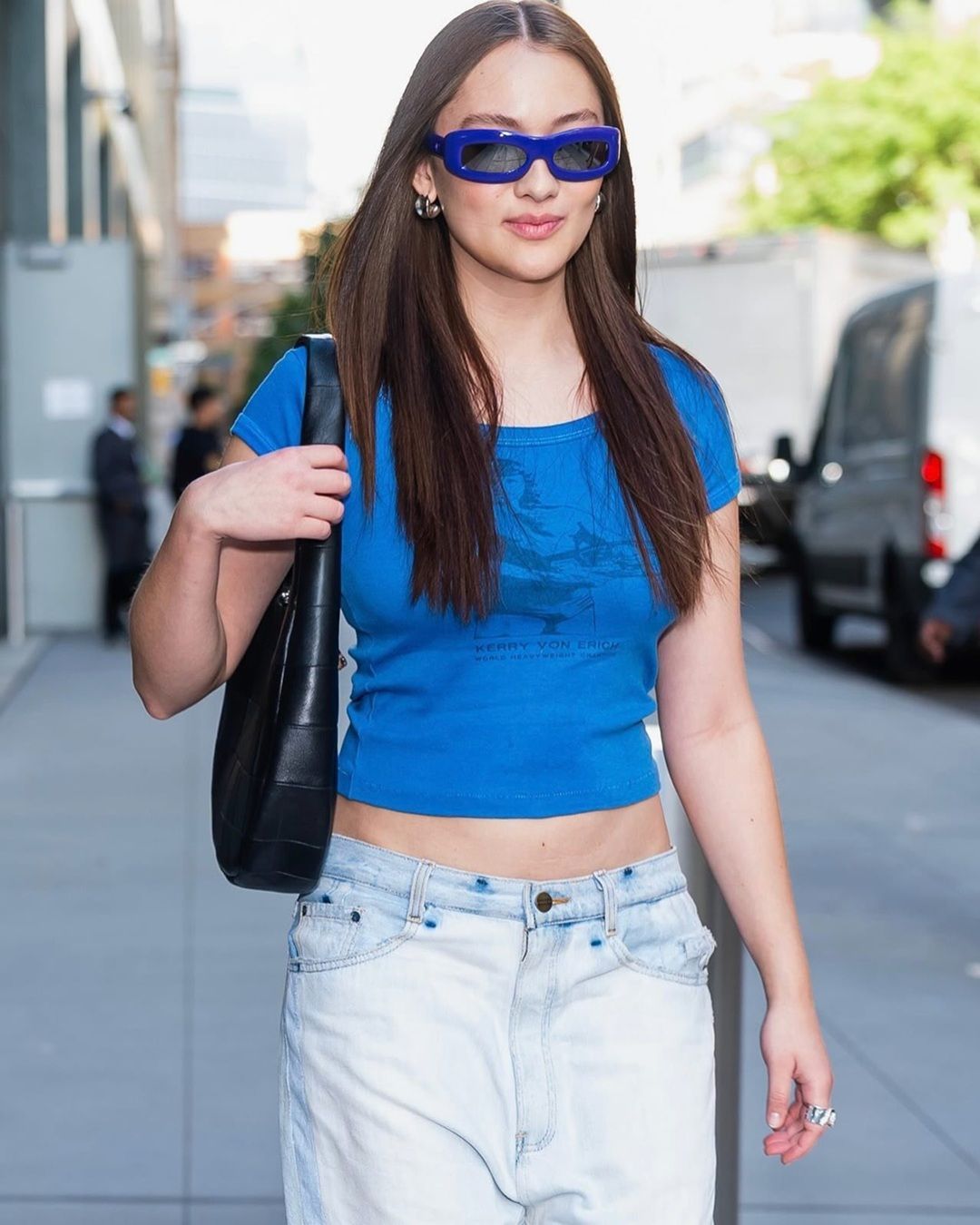
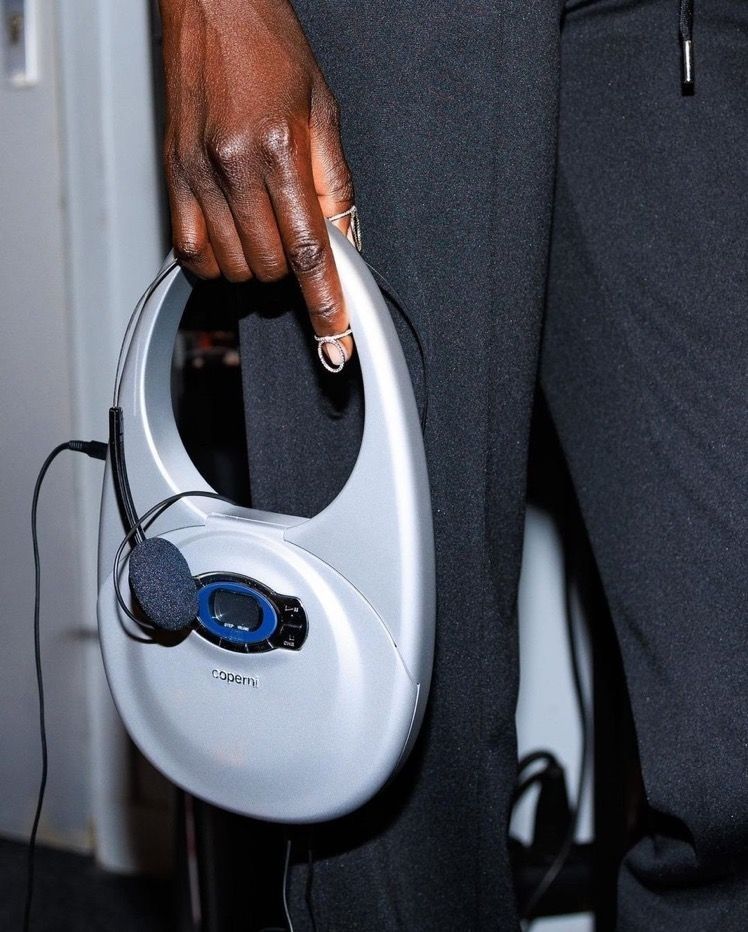
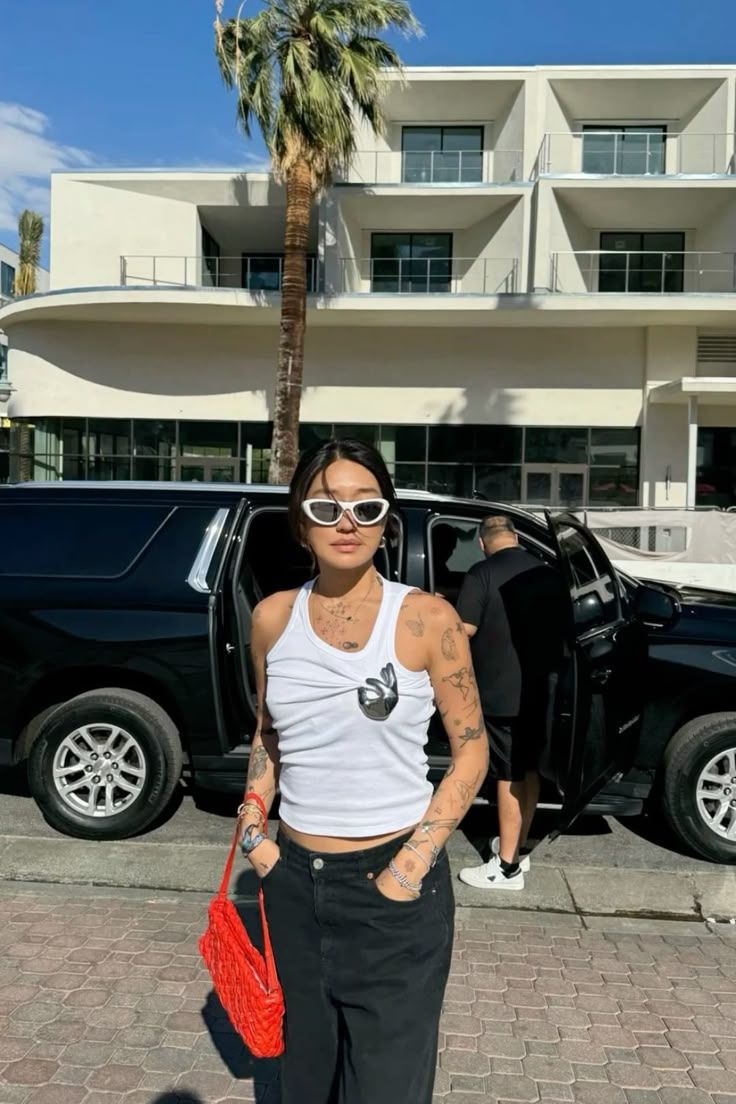
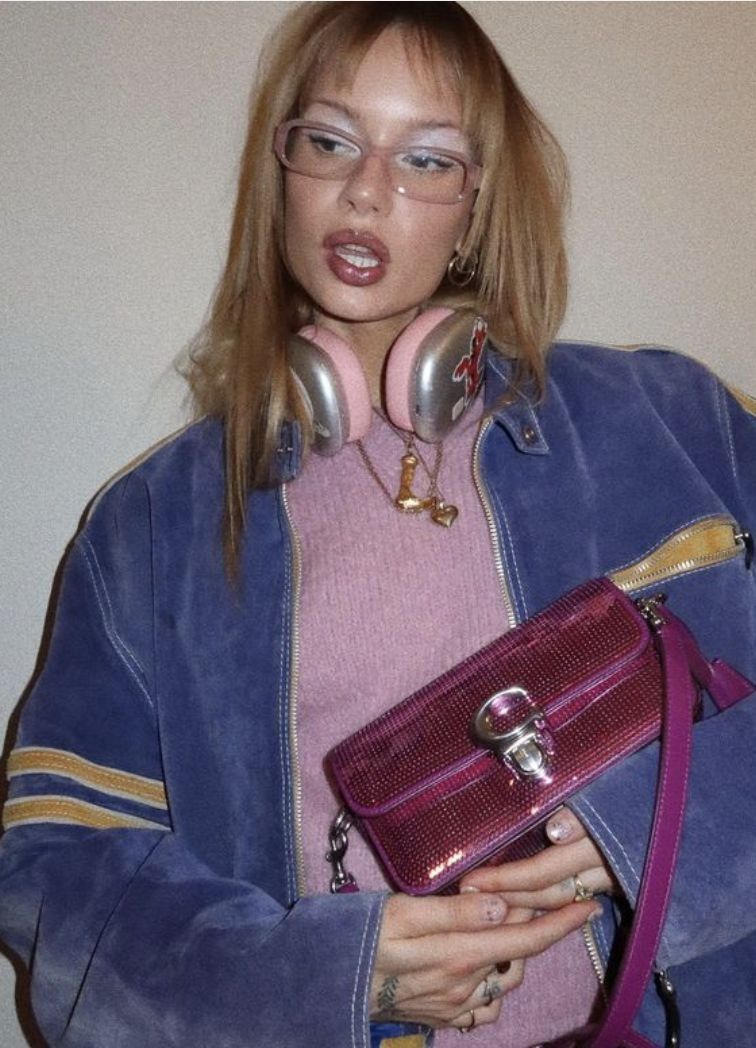
And here we are in 2025. Scroll through TikTok or Pinterest and you’re catapulted back in time: saturated clips of Nokias, screenshots of colorful iMac desktops, romcoms with Amanda Bynes playing in the background, playlists full of Gwen Stefani, Nelly Furtado, and Ashlee Simpson. The Bay Area girl trend resurfaces long-buried visual codes and, in its comeback, blends with details from other Y2K aesthetics. It merges with indie sleaze, McBling, Gen X Soft Club, geek, and preppy aesthetics, creating a visual ecosystem that isn’t a simple copy of the past but a rewrite, a version 2.0. From this cauldron of inspirations she borrows smoky eyes, it bags, clean-cut t-shirts, maximalist accessories, and tech gadgets. It’s a patchwork with no hierarchy, where every fragment becomes material for a personal remix. But who is the Bay Area girl today? She’s no longer just a girl with a Nokia in her hand (or maybe she is, considering Gen Z’s return to flip phones), but a young woman who lives aesthetics as language, as a tool of personal and professional affirmation. She walks the city streets with the latest iPhone, not just to scroll, but to create content and invent formats. She no longer lives between MSN and MySpace but on Instagram and TikTok; she doesn’t burn CDs on iTunes but shares playlists on Spotify. Today’s Bay Area girl trend works as a social media manager, turning outfits into content and content into storytelling. She’s connected, hyper-aware, but keeps that teen spirit that always set her apart. Her wardrobe? She wears skirts with sparkling charms and bayonet-style sunglasses, signs of a femininity that isn’t afraid to be playful, sharp, and futuristic at once. She loves Coperni for its architectural cuts and dreams of living inside a Miu Miu campaign filled with preppy miniskirts and micro tops that evoke the collegiate sensuality of the past, but pushed further, toward a new concept of global coolness.
Why it still seduces us
The fascination of the Bay Area girl, and of the Y2K aesthetic, is not just fashion, it’s emotional memory. Those girls lived in a world swinging between emerging digital and lingering analog. And they did it with an energy that today feels almost like something out of a movie where everything is rosy: optimism, unmeasured glamour, iconic brands flaunted with pride. The 2006 Bay Area girl still speaks to us because in her we see a tender reflection of ourselves, a faded fragment of when everything still seemed possible, when fashion was a language to tell the world who we were, and technology was a means to connect with others. Maybe wearing a certain type of low-rise jeans or digging out an old Dior bag is not just a way to play with clothes and accessories, but also a way for some of us to once again believe in the promise of a better future, a promise we’ve never stopped chasing.