





















Sad eyes makeup: when sadness becomes a trend From flipper girl and Mina, to nowadays
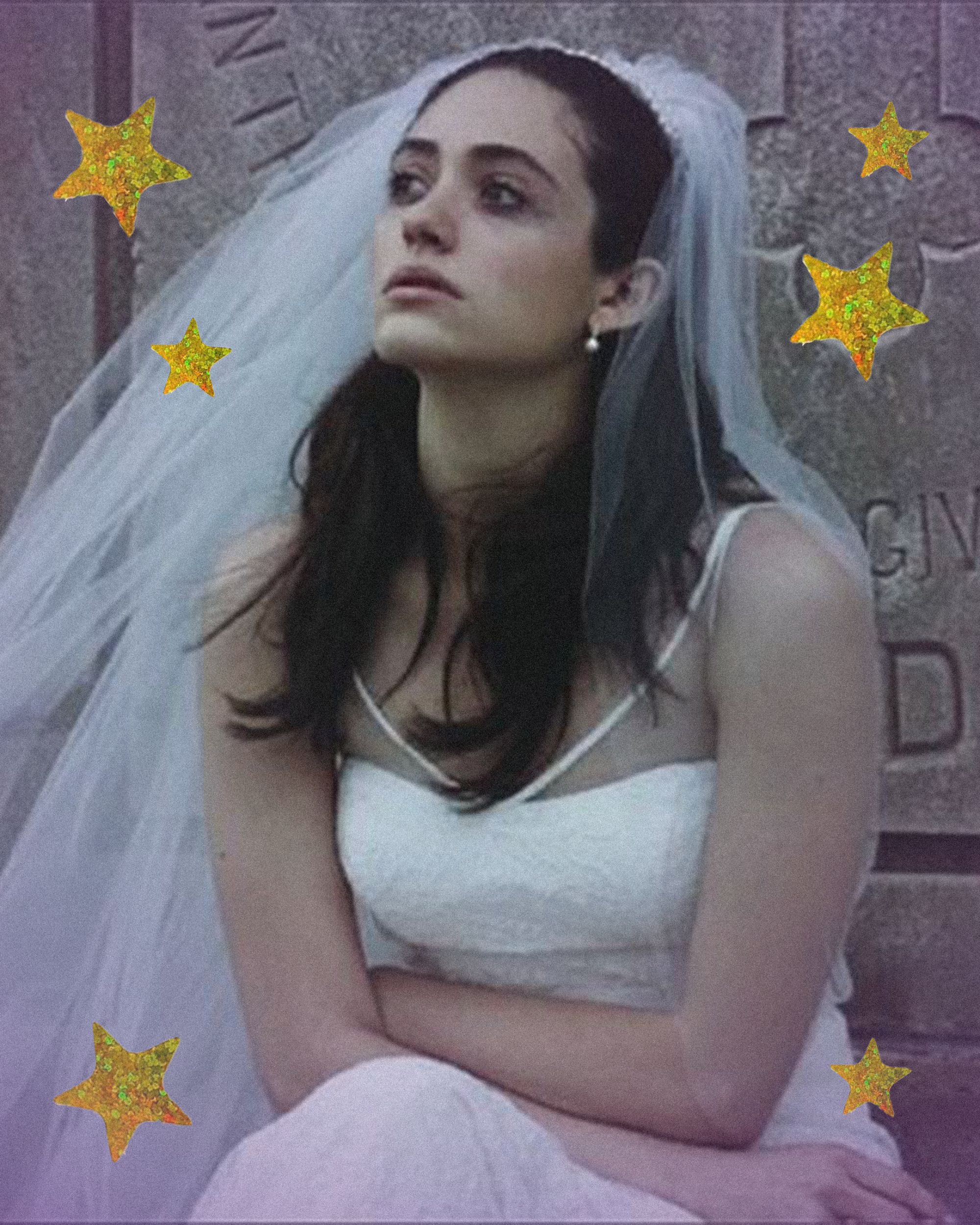
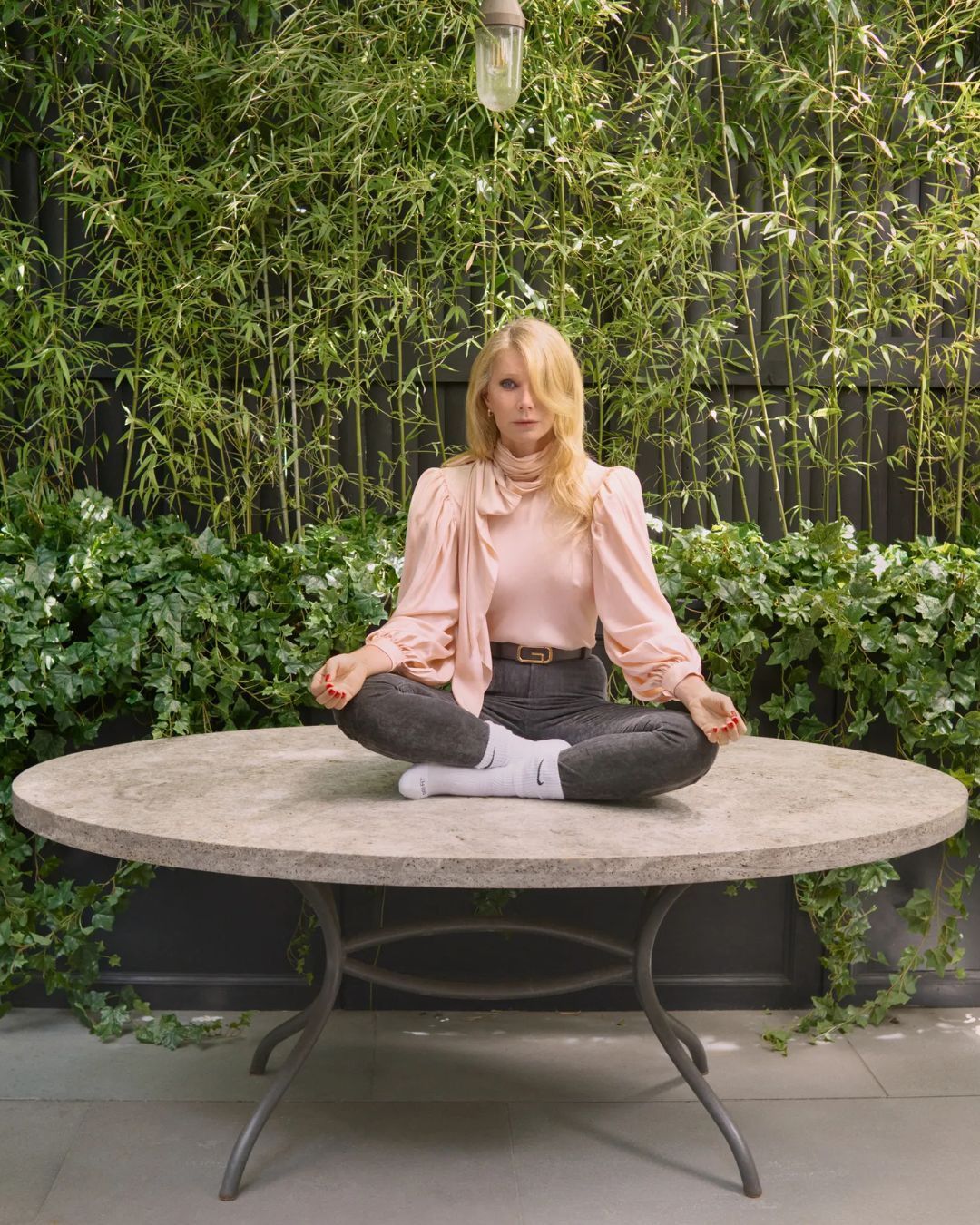
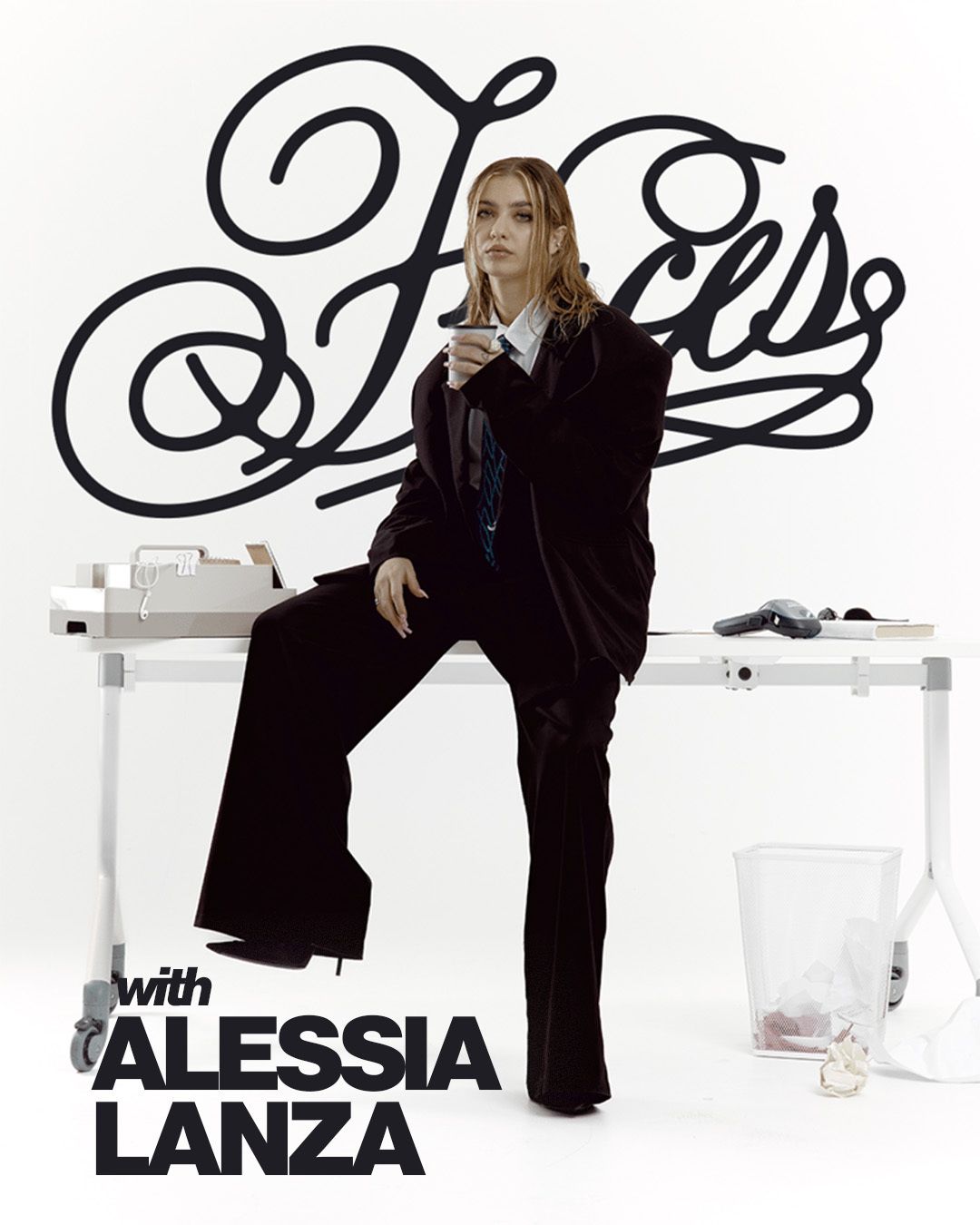
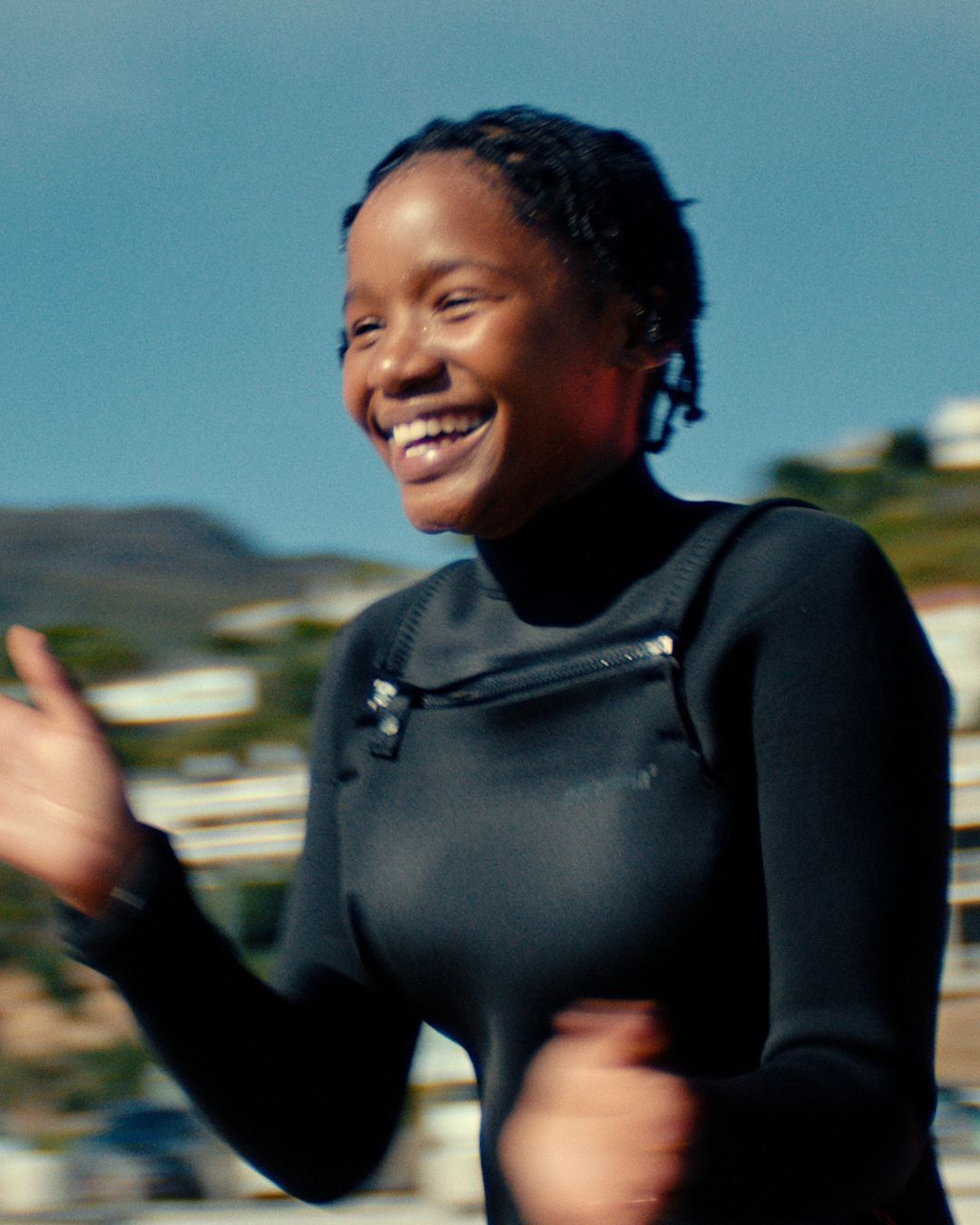
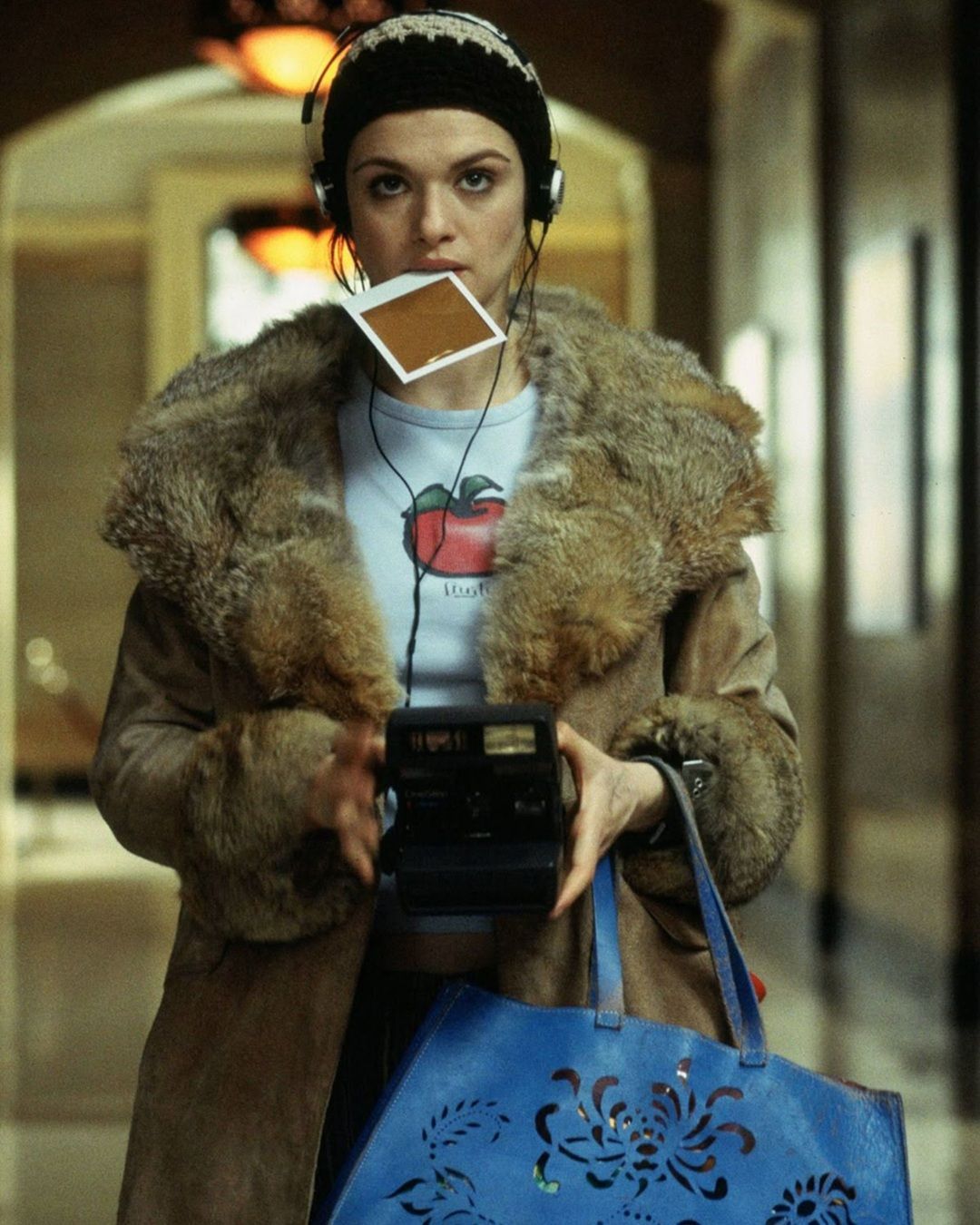
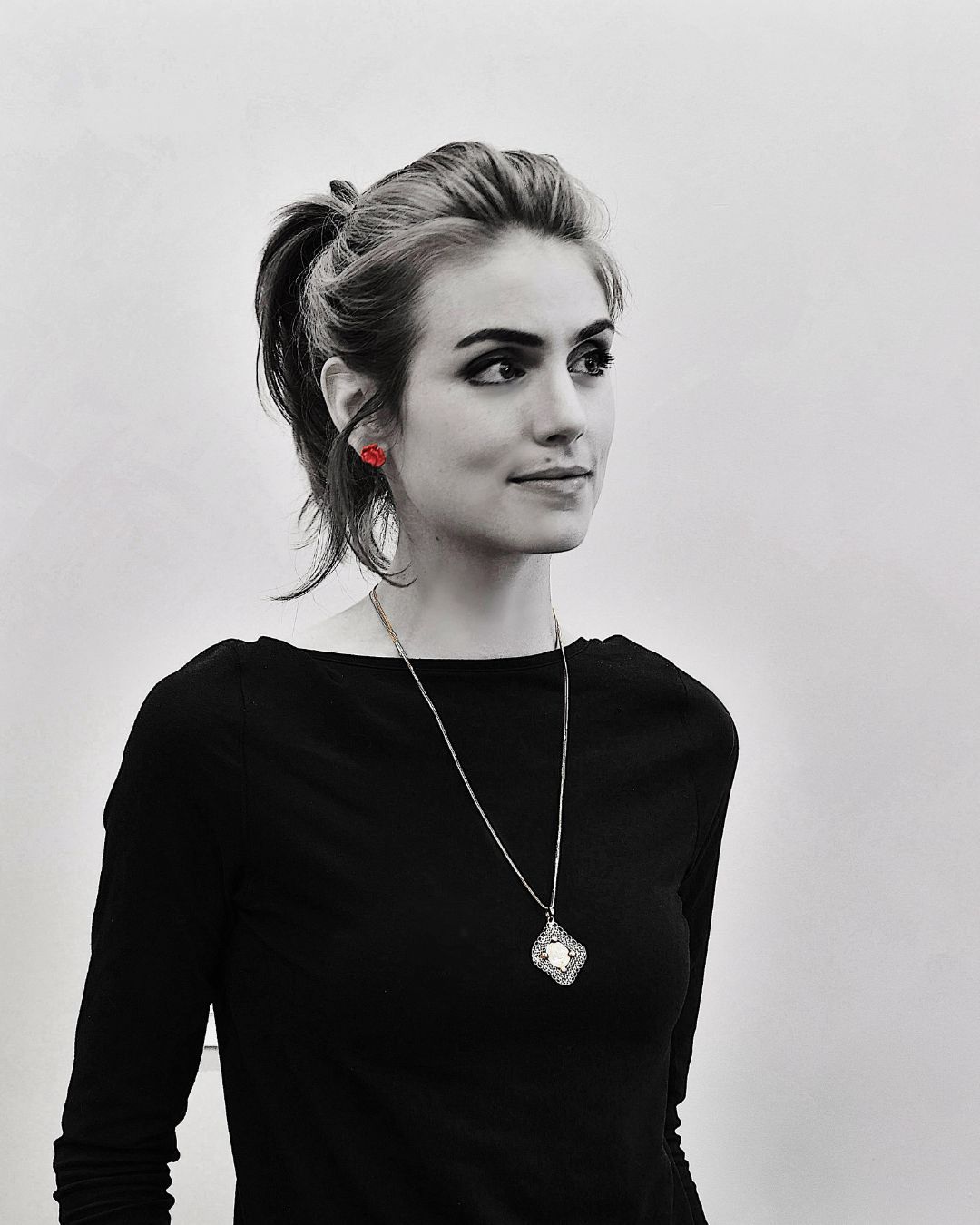
There’s something strangely magnetic about sad eyes. Not the ones from a desperate cry that ended five minutes ago, but those veiled, slightly tired, slightly detached, as if they’ve seen - or know - too much and have no desire to explain themselves. Sad eyes make-up is here to transform melancholy into aesthetics, playing with shadows, shapes, and gradients that lower the gaze and soften the expression.
Sad eyes make-up: when sadness becomes a trend
Sad eyes make-up: what it is
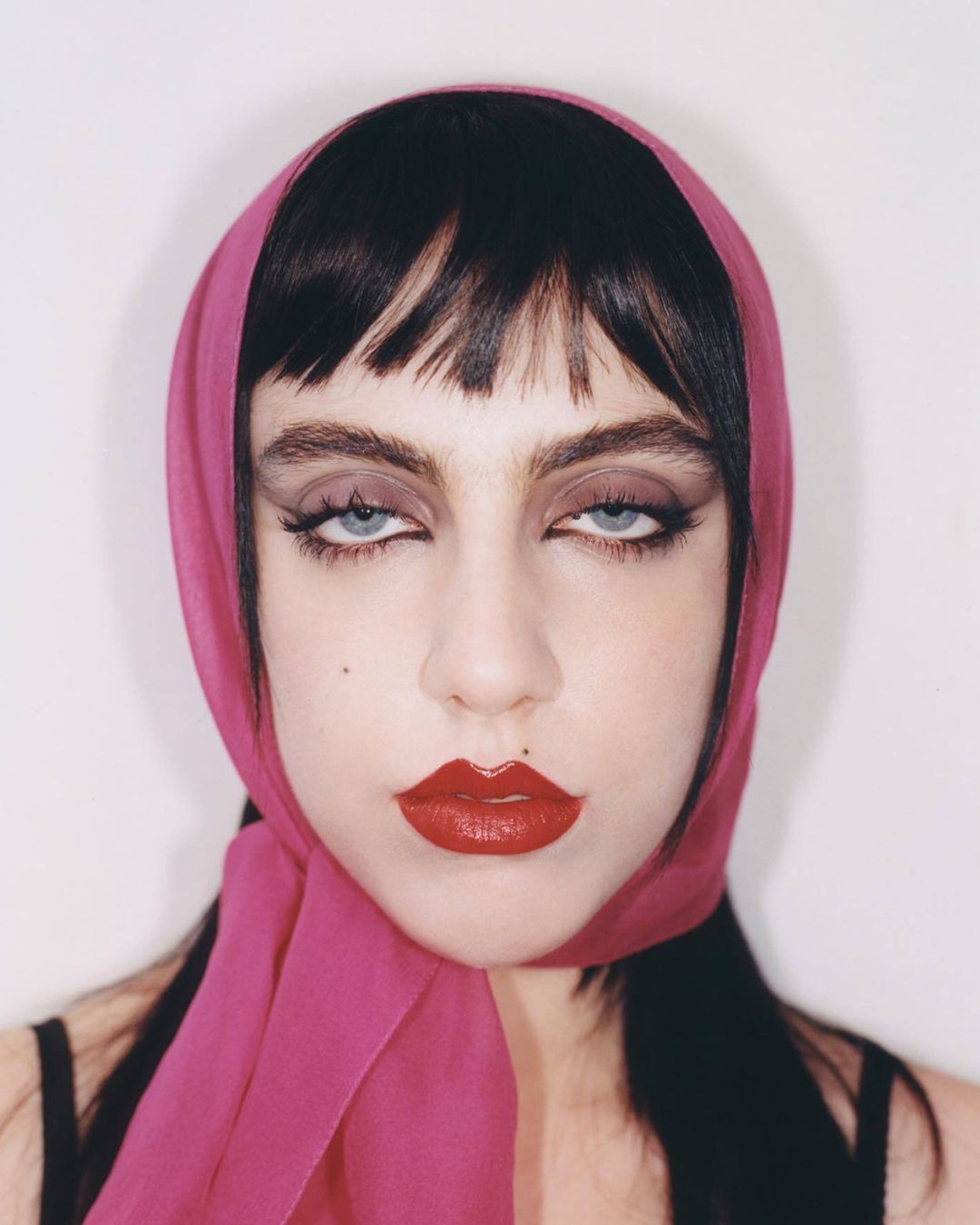
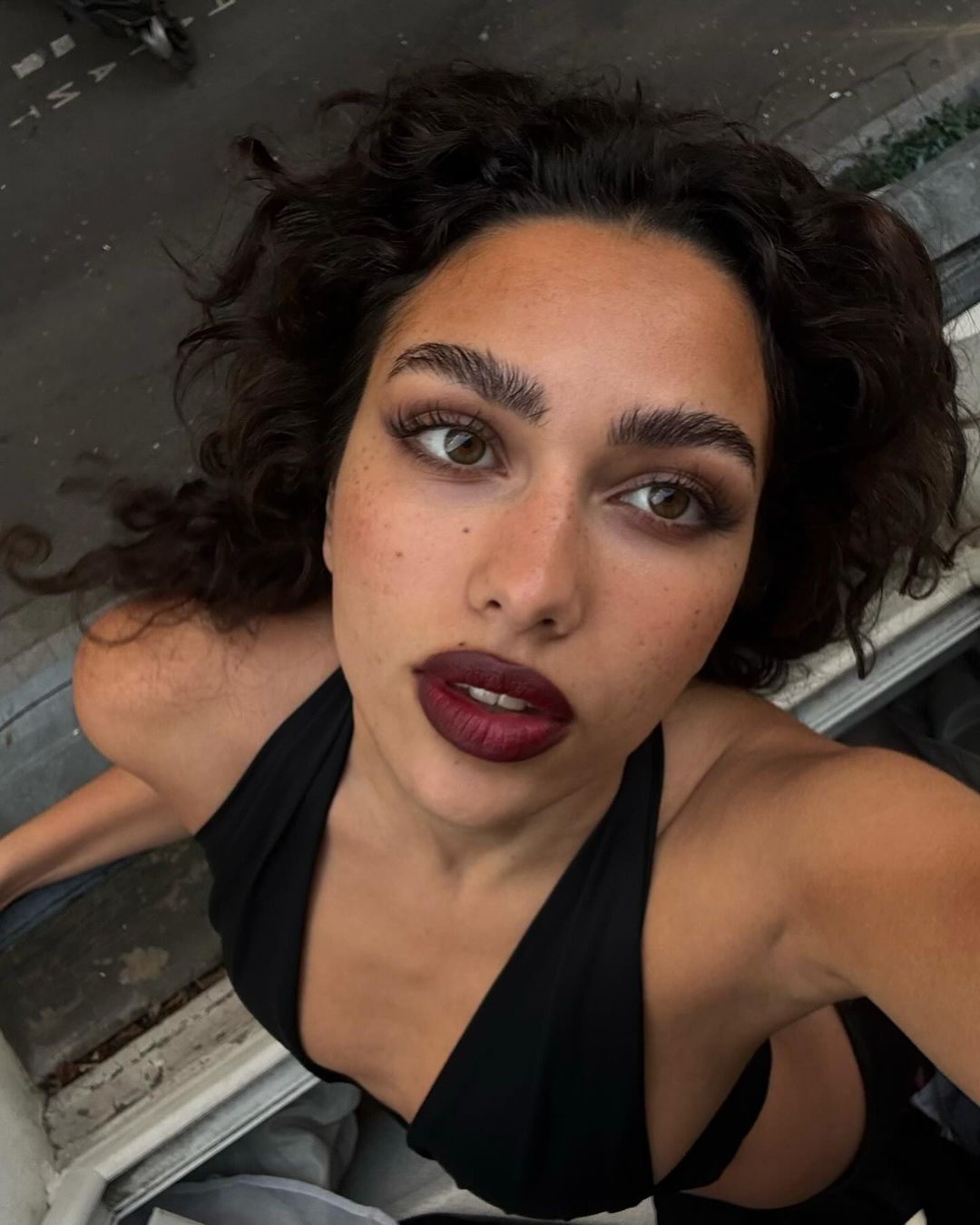
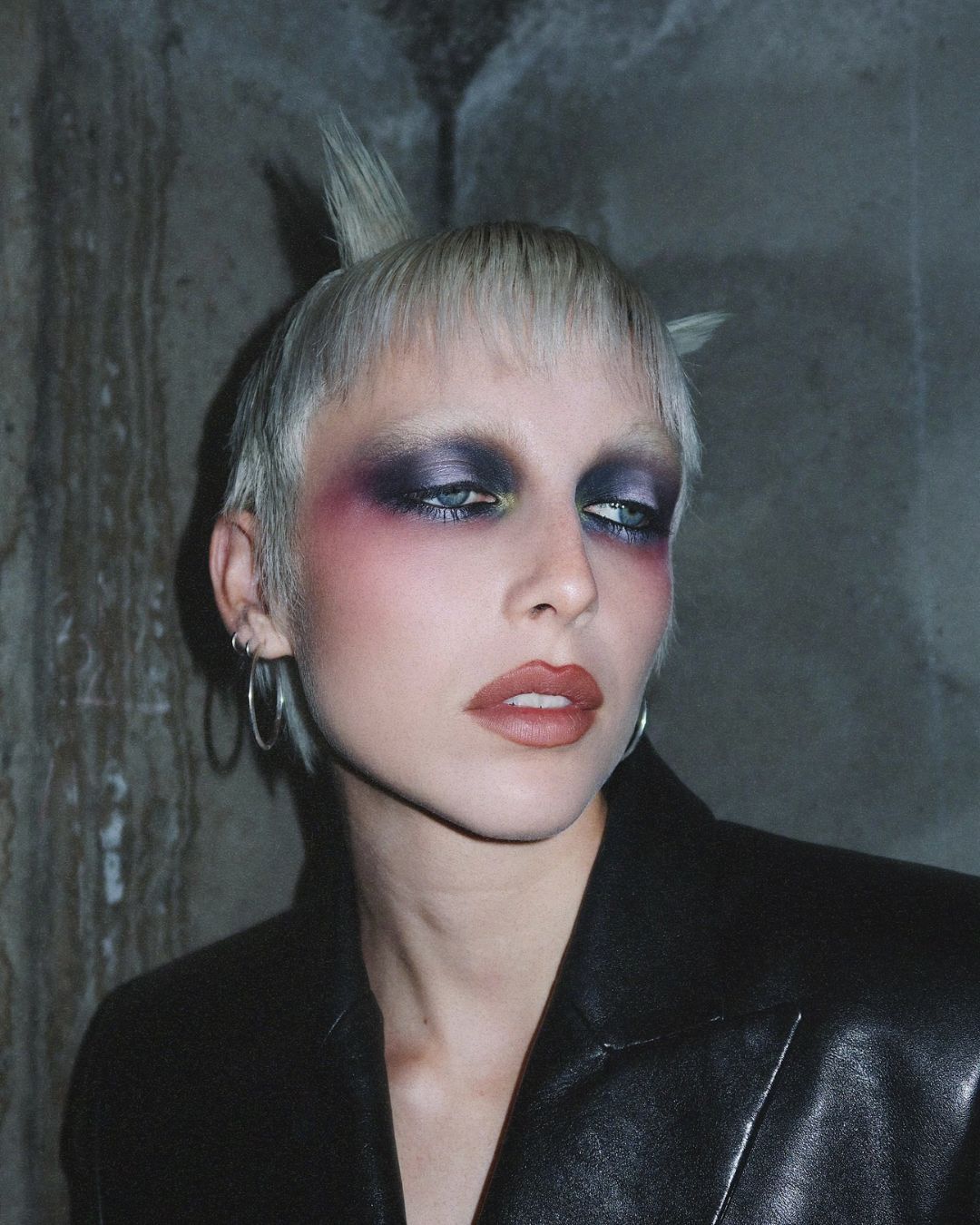
Let’s forget, for once, the usual DIY lifting effect: here, we go in the opposite direction. In sad eyes make-up, the eye shape is visually lowered, working especially on the outer corner which, instead of being lifted, is extended downward. It’s perfect for hooded eyes, because it follows the natural shape of the eye rather than opposing it. The main problem is that most classic eyelooks end up hidden when the eye is open. Sad eyes, on the other hand, do the opposite: they work on the areas that remain visible. Instead of focusing entirely on the mobile lid (which tends to disappear with hooded eyes), the shading is placed slightly higher in the crease, and especially along the lower lash line and outer corner. This way, the makeup is visible even with open eyes.
From flapper girls to Mina
Sad eyes make-up isn’t new. In the 1920s, it was already loved by flapper girls, who lined their eyes with soft, smudged black pencils above and below, accentuated by eyebrows that sloped downward. It was a way to create a melancholic and decadent gaze: circled, slightly smudged, tired eyes. Perfectly in tune with the rebellious life of the roaring twenties. Then came Mina, who made this type of look her signature. Her cat-eyes were intense, dramatic, and always gave her a mysterious air.
How to recreate sad eyes make-up today
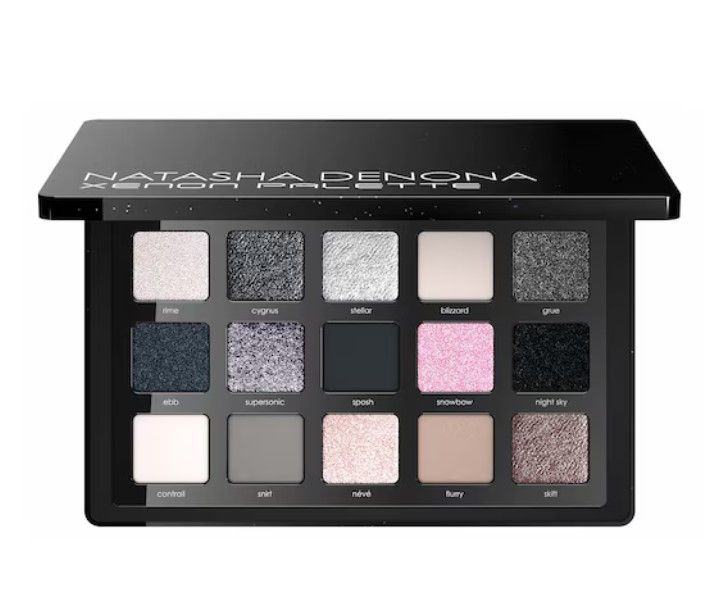
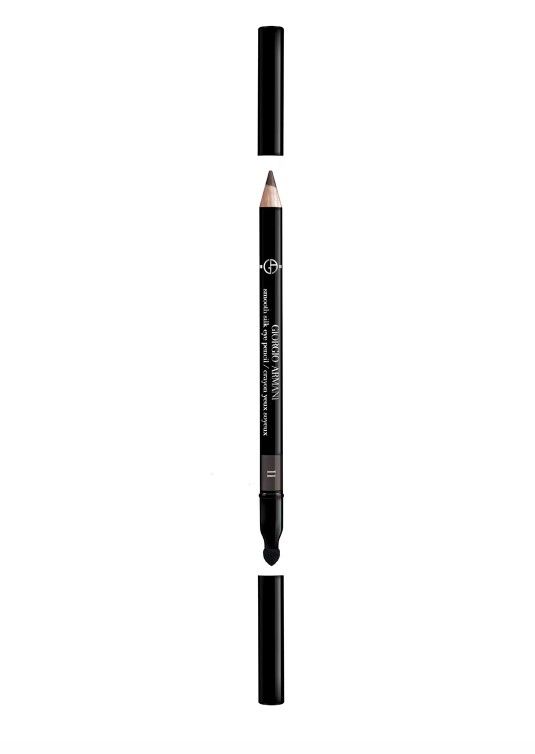
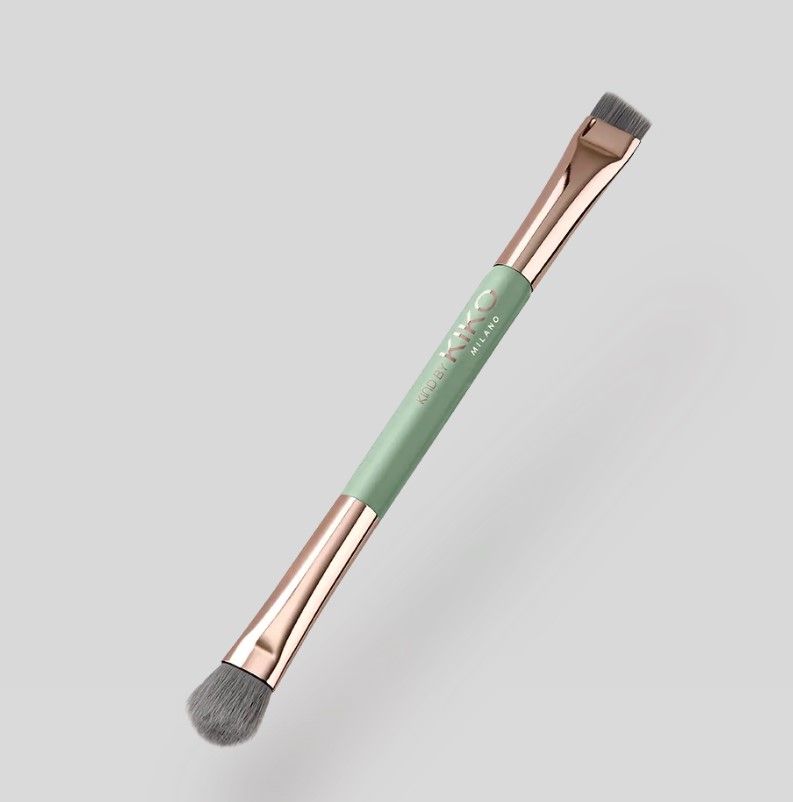
Today, sad eyes make-up no longer focuses only on black and dark tones, but also embraces color and the combination of different finishes, for a more maximalist approach. Despite the freedom in color choice, the base for recreating it remains the same. The starting point is shaping the eye: the outer corner should always be slightly extended downward, avoiding any lifting effect. Eyeshadows should always be well blended, soft, and diffused, as the goal is to create depth. The lower lash line is also crucial: it should be emphasized and blended well, as it helps build that heavier, lived-in gaze.
