









































What are copper peptides? All their uses: from skin to hair A new active ingredient on the horizon
Every so often, skincare revives a forgotten active ingredient and turns it into the latest miracle. In recent months, this has happened with copper peptides: you’ll find them in the INCI of the most loved serums and, naturally, in the most viral TikTok videos. They promise exactly what we want to hear: firmer, more luminous skin with fewer marks and less stress. But beyond aesthetics and marketing, the question we at nss G-Club love to ask remains the same: do they actually work, or are they just another skincare trend?
What are copper peptides? Uses from skin to hair
Copper peptides: what are they
Copper peptides are, quite simply, short chains of amino acids, the building blocks the skin uses to produce essential proteins like collagen and elastin. When these peptides bind with copper, naturally present in our bodies, they form a complex called GHK-Cu. As Healthline explains, unlike many actives that work only on the surface, this type of peptide acts more deeply: it signals cells to stimulate collagen production and supports repair processes, improving concerns like fine lines, spots, and skin texture. In short, they don’t do something completely new, they boost your skin’s natural functions, which tend to slow down over time.
Why all the hype?
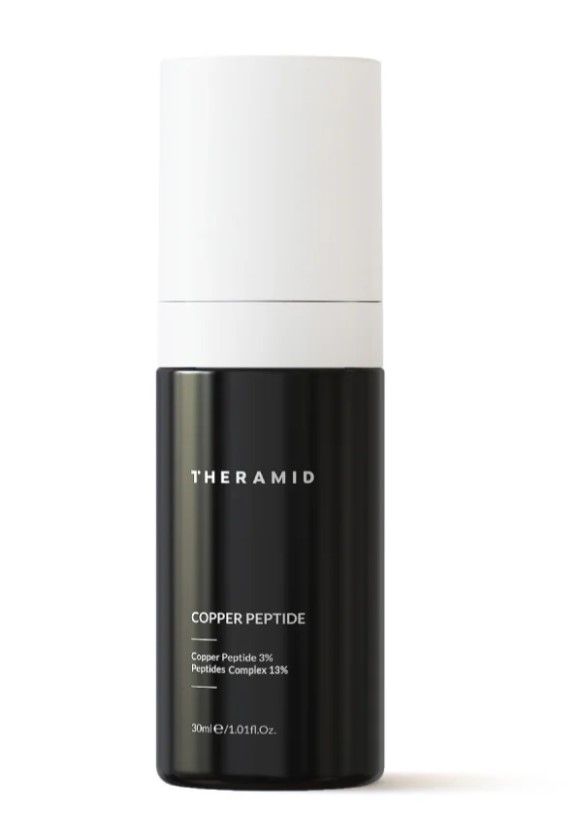
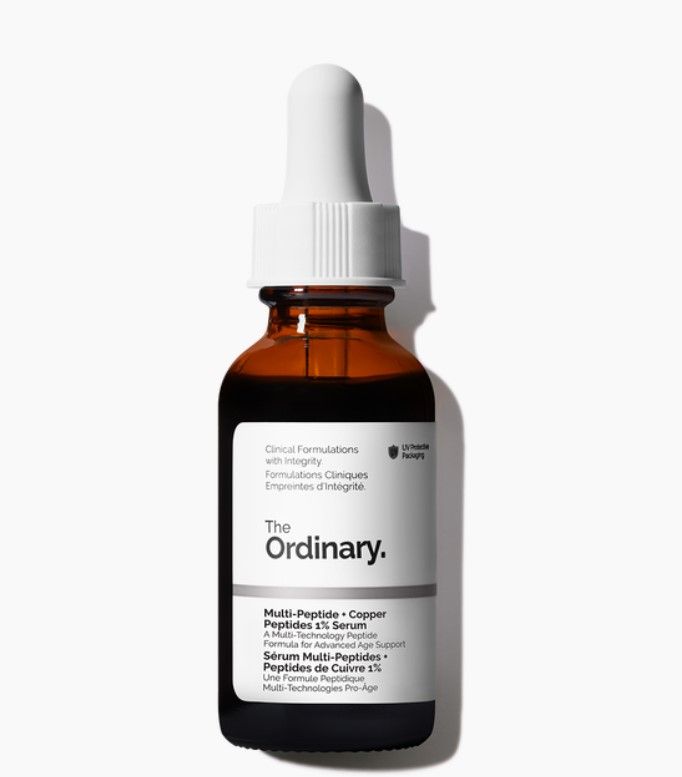
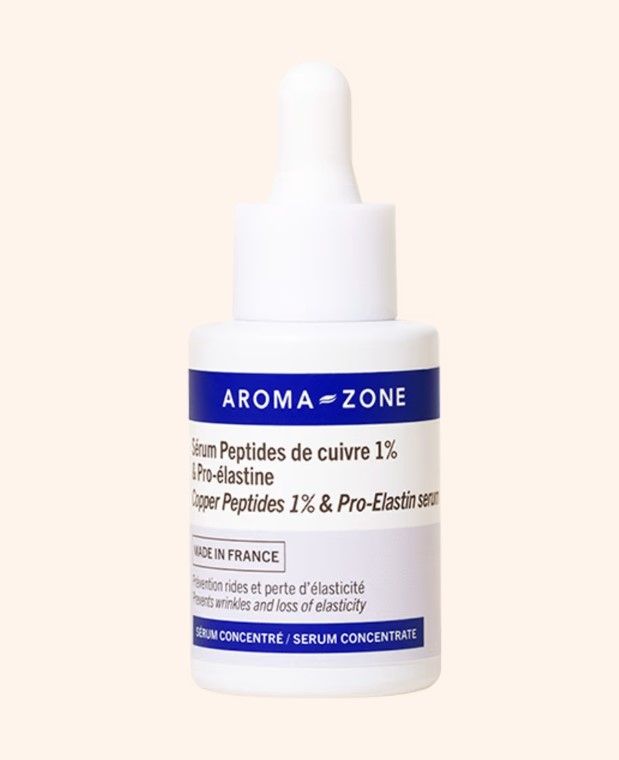
Many compare them to retinoids, while others prefer them, and for good reason: they work on multiple levels. They’re not a single-function active like “just exfoliation” or “just hydration”; they do a bit of everything, and do it well. First, as mentioned, they stimulate collagen production. They improve elasticity, making skin appear plumper, more luminous, and softer, so it looks less tired. They also assist in repair processes, reducing post-blemish marks, persistent redness, and creating a more even texture over time. Plus, they have antioxidant properties, helping protect the skin from daily stress: pollution, UV rays, late nights, and questionable lifestyle choices. Truth moment: they aren’t miracle ingredients and results aren’t immediate. Copper peptides work gradually over time, improving skin quality slowly. Consistency and patience are key. Another important note: they don’t always mix well with everything. Some sources advise against using them in the same routine with potent actives like retinol, pure vitamin C, or strong exfoliating acids, as they may interfere or reduce effectiveness. So plan your skincare routine carefully if you want to start using copper peptides.
Not just for the skin, but for the hair too
@lydiamarie_ Bury me with my ghkcu
A fun plot twist: copper peptides can also be used on hair. According to Healthline, the GHK-Cu complex can support follicle health and create a more favorable environment for growth. In practice, they improve circulation and nutrient delivery to the follicle, exactly what’s needed for stronger hair that’s less prone to breakage. Being involved in repair processes and collagen production, they also help maintain a healthier scalp, laying a solid foundation for more stable hair growth.