



































Broken hair or new hair? Let's clarify a bit All the differences and precautions to know
How many times have you looked in the mirror, noticing a few mischievous strands and a crown of seemingly out-of-control baby hairs, wondering just one thing: are these new hairs or broken ones? As a fake blonde, I admit I often tell myself the fairy tale of miraculous regrowth, imagining my hair busy sprouting new strands. But the truth, not so well hidden, is that these are broken hairs, the result of past bleaching and those stressful periods when haircare was the last thing on my mind. If the doubt keeps bothering you (and no, you’re not alone), you just need some clarity.
How to recognize new hair and keep it under control
New hair grows fairly evenly, especially along the middle part and the hairline. It’s thin, soft, and elastic, with naturally tapered ends since it hasn’t been exposed to chemical or heat stress yet. At first, it can feel unmanageable: it flies around, never stays in place, and defies any styling, sticking straight up no matter what. But it’s just a phase. To manage it without damage, avoid heat. Instead, use a light styling cream or a minimal amount of oil: once applied, comb or brush through it to guide the strands and give them shape. This will weigh them down just enough to keep them under control for a while.
How to recognize broken hair
Broken hair doesn’t grow: it snaps. It appears suddenly at irregular lengths and tends to cluster in specific areas, like the temples, around the face, or the more stressed lengths. Often it’s not just single strands, but entire sections, small or large, that seem to have shortened all at once, creating visible breaks compared to the rest of your hair. To the touch, it feels dry, rough, and dull, with blunt or frayed ends, never tapered. Visually, it stands out because it doesn’t blend with the rest of your hair: it pokes out, flies around, following its own rules.
How to treat broken hair
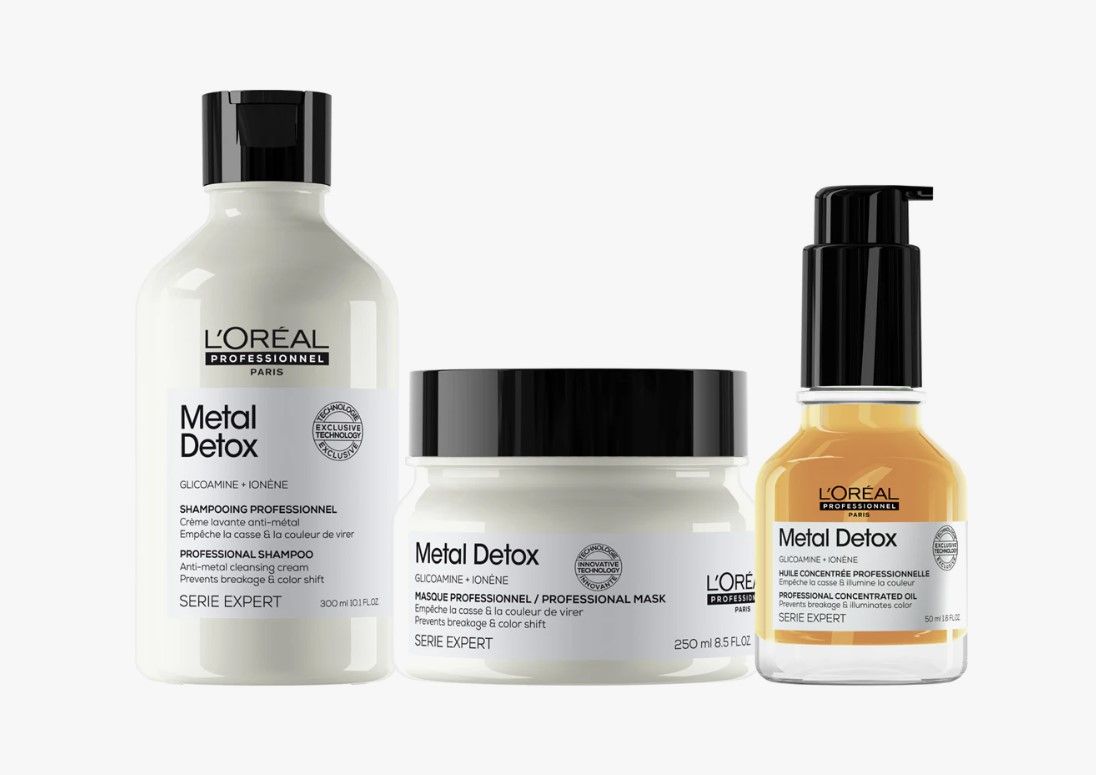
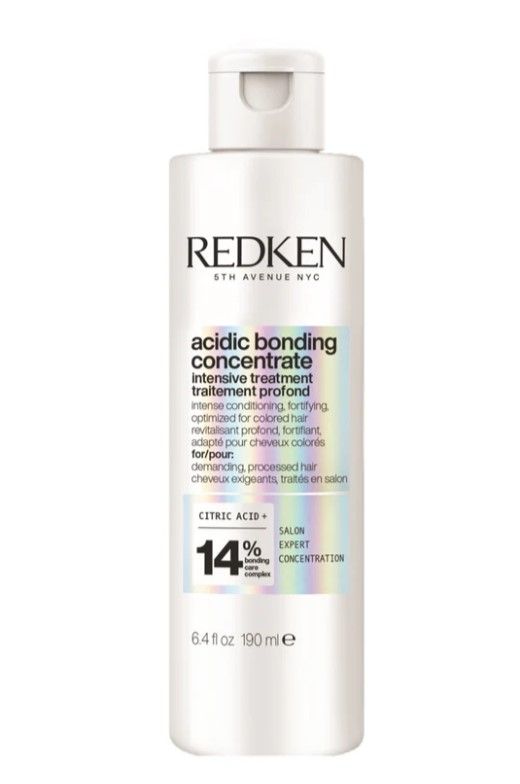
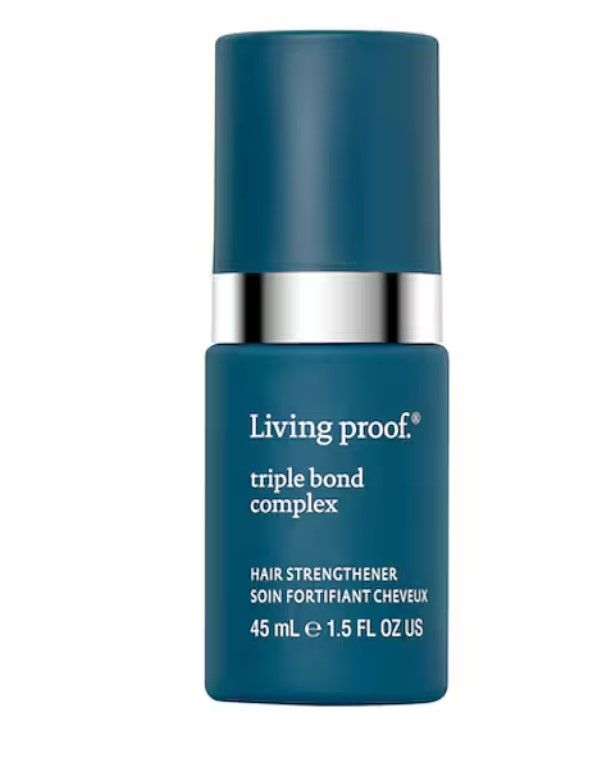
The first step is acceptance: broken hair can’t be repaired, but it will grow back. What you can do now is prevent further damage and make it less noticeable. That said, avoid heat like you’d avoid a shopping mall on sale days: less flat ironing and high-heat blow-drying, no overly tight elastics, and gentle brushing, especially when hair is wet. It’s essential to include strengthening and hydrating products in your routine, such as masks, bond-repair treatments, and protective leave-ins that improve hair elasticity and fill the hair fiber, making it less prone to breakage. Styling matters too: go for soft hairstyles, so no sleek buns, super-tight braids, or excess gel. Last but not least, a strategic trim every now and then is necessary: ideally every six weeks, to prevent breakage from traveling up the hair shaft.
What to read next

Miu Miu's commercial boom is coming to a halt
The rest of the Prada Group, however, is holding up well

Liu Jo presents “The Gigi Hadid Edit”
The project that transforms selection into an identity gesture