





































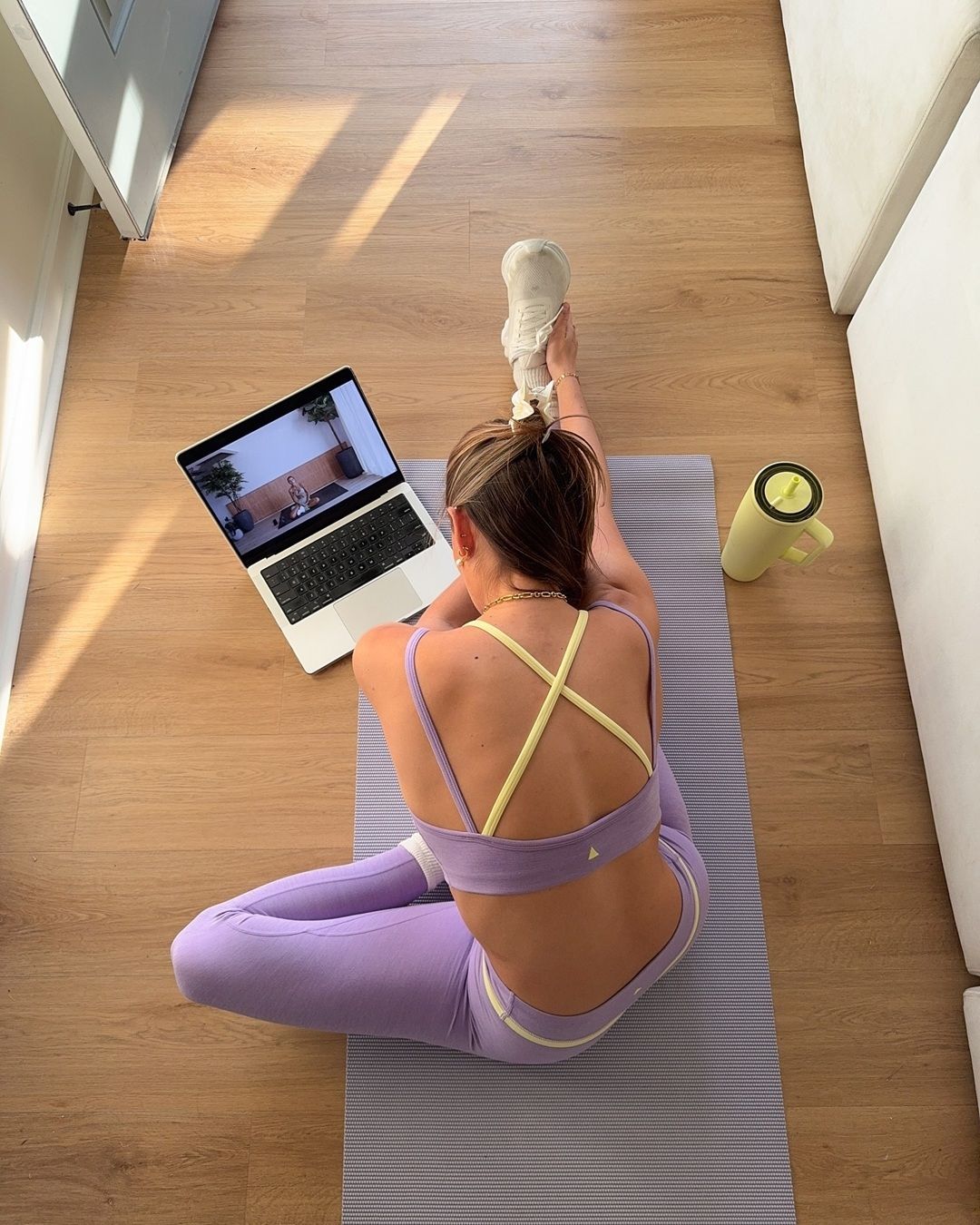
CloudFit, the new platform for holistic health Artificial intelligence in the service of health and corporate welfare
We live in a society witnessing a growing level of work-related stress, with sick leave absences estimated to have caused around 185.6 million working days lost in 2022 in the UK. According to the 2025 Eudaimon-Censis report, Italians are the most stressed workers in Europe, and awareness around the need for a better work-life balance is rising, with 80% of employees listing it as a priority. Corporate wellness programs often fail to meet workers’ real needs and can feel outdated and ineffective. In this scenario, 64% of employees expect their workplace, where they spend more than half their day, to become a true corporate wellness hub. CloudFit, the first WholeHuman holistic health platform, was developed in the UK by a team including Kristian Phillips, Inid Leksina, Reisli Hysas, and Jonathan Dyck. It aims to make a real difference, especially in the workplace wellness sector.
CloudFit: what it is and how it works
It’s the first all-in-one holistic health platform, fully powered by artificial intelligence, designed to redefine the idea of personalized wellness. Using machine learning, CloudFit delivers custom fitness and wellness programs, available 24/7 for all employees. How does it work? The user downloads the holistic health app, enters biometric data and sets personal goals. CloudFit then generates a tailored workout plan with nutritional guidance and mental and physical wellbeing tips. The key innovation is that the platform adapts to each individual’s needs, time, and available equipment. It offers a 360-degree training experience, built for real life, whether at home or at the gym. CloudFit is a digital wellness coach that offers flexible and personalized support, perfect for today’s fast-paced lifestyles.
The words of the founder and investors
Kristian Phillips, co-founder and CEO, and a former rugby player, says in an interview on HTSI: “My partner Inid Leksina is a former soccer player, so we both understood what professional health care meant. Long sedentary hours can lead to burnout, musculoskeletal issues, and even desk-job diabetes.” There are customers who, with enthusiasm, having experienced the benefits of the app for themselves have decided to invest, as in the case of Kit Harington: “Health and fitness have become central to my life, and I’m excited about where fitness and technology are going.” And that's not all: you can modify the program according to your daily needs: “If you're not feeling well, the app adjusts your session.” CloudFit in fact, is an interactive guide: in real time via messages and online coaching it adapts to your needs, modifies and provides tailor-made support at any time. A pocket coach that doesn't judge you if you overdid it the night before.
CloudFit in companies
What about companies? The first user was Howden Insurance, a global insurance group, which implemented the tool in its offices in the States. “Over the past few years we have been looking for new ways to support our colleagues,” explains vice-president Elliot Richardson. "Helping people with their physical well-being has a great correlation with making them feel better mentally. I introduced CloudFit to our human resources team and they loved it." Forward-thinking interventions by entities that have internalized the idea that health and wellness are related to the concept of individual and professional advancement, in a broader perspective of better functioning society and consequently productivity.
Future goals: collaboration with the health system
Looking ahead, CloudFit’s vision is ambitious: “We aspire to work with the NHS,” says Phillips. “Encouraging physical activity could reduce hospital admissions and waiting lists, at a fraction of the cost.”