
















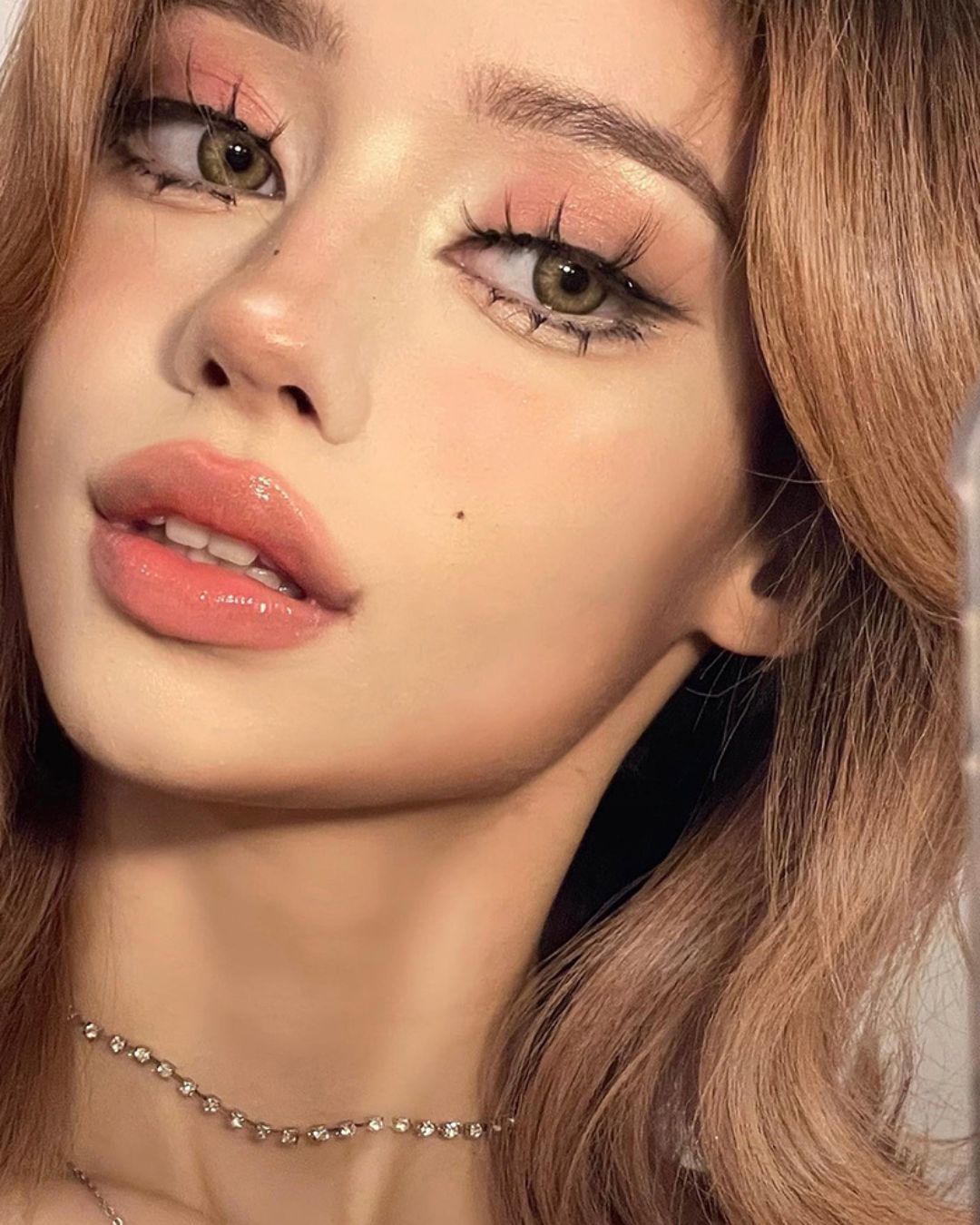
It's time for C-Beauty brands Thus, Chinese beauty is rewriting the rules of global make-up
Who defines what is beautiful today? For decades (centuries, really), global beauty standards have been shaped by Western ideals. But today, something is shifting East. And we’re not just talking about the now-mainstream obsession with Korean skincare – think centella asiatica and glass skin – but a newer phenomenon that could rewrite the rules of the beauty industry. The (temporary) TikTok ban in the U.S. triggered an unexpected side effect: the discovery – or rediscovery – of C-beauty, or Chinese makeup, complete with viral products and brand-new aesthetic codes. How? To bypass the looming platform shutdown in the States – now only postponed – many TikTok users migrated to Xiaohongshu, a Chinese app known in the West as RedNote. And here came the revelation: China has an entire makeup market still largely unexplored, with its own secrets and a new visual grammar – softer, more curated, more theatrical.
From the TikTok ban to the Douyin Look: beauty in China
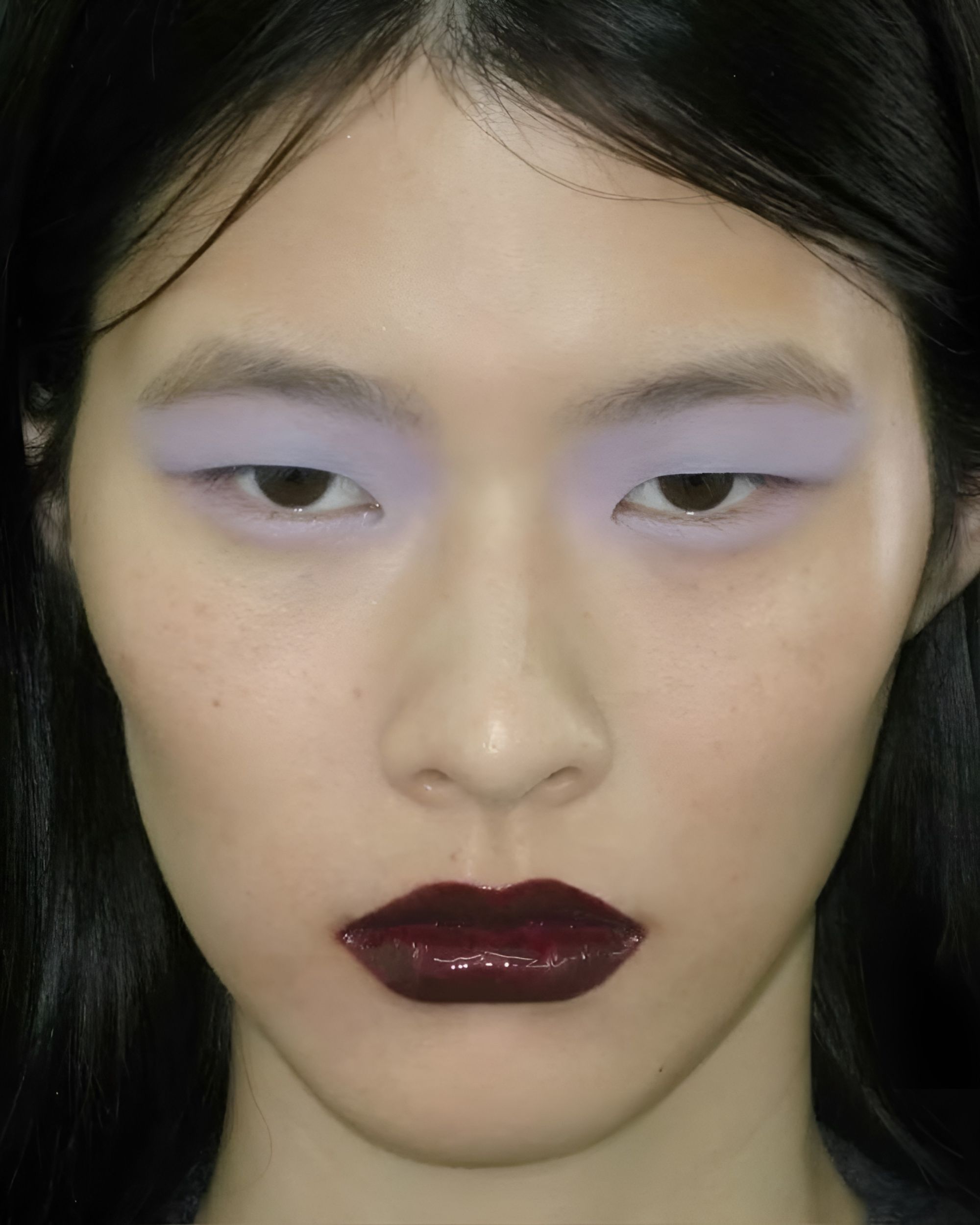
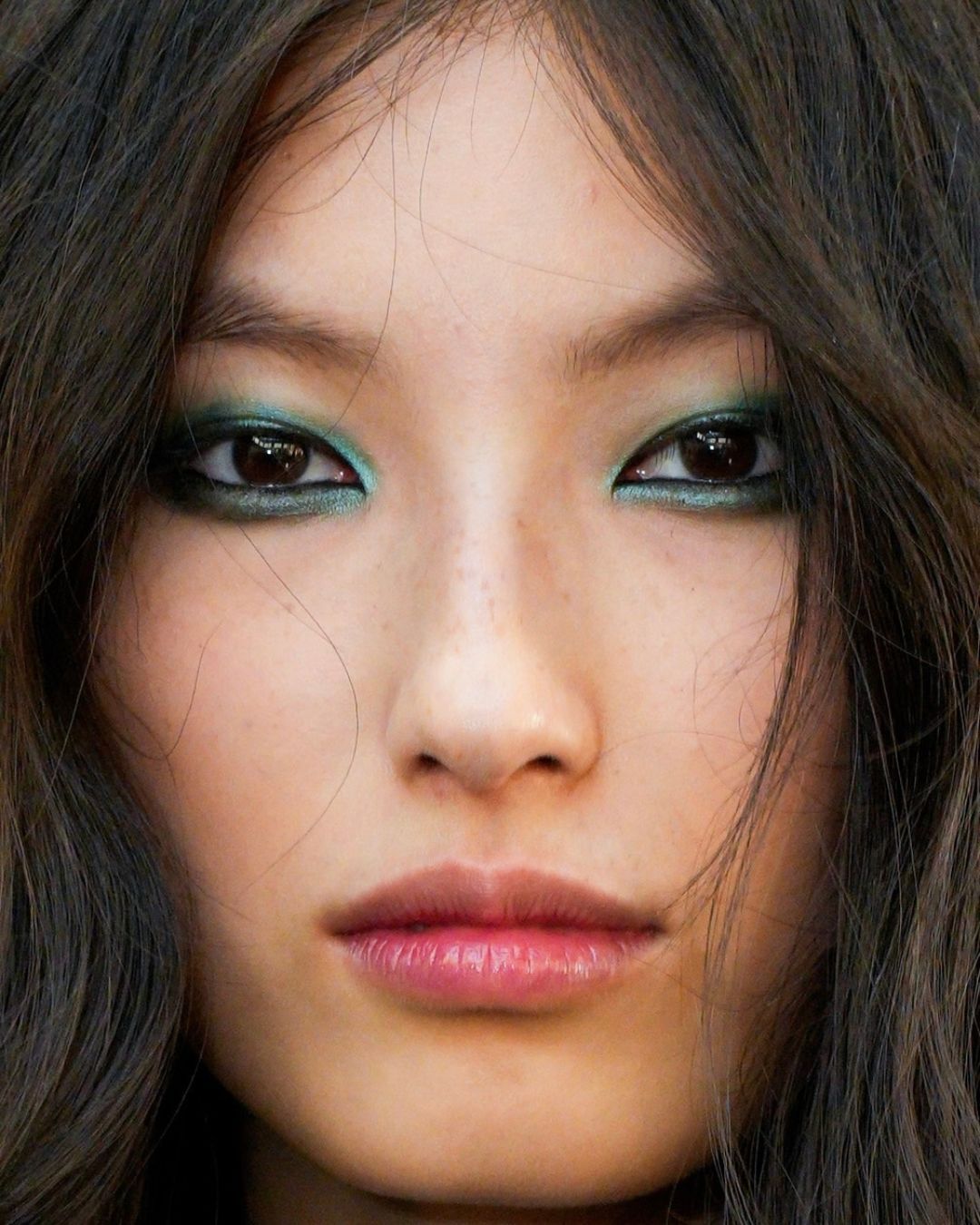
Soon, many content creators began taking inspiration from viral beauty tricks on RedNote and adapting them into content for TikTok, which had since returned online. Simultaneously, a new aesthetic emerged on the platform – the so-called "Douyin Look", named after the Chinese version of TikTok: velvety, matte skin, cheekbones and noses enhanced with matte blush and highlighter, lips softly blurred in the center (the bitten lips effect), and eyes defined with precisely curled lashes. This aesthetic is influenced by different cultural values – like purity, grace, and formal restraint – but also by a different interface logic. Unlike TikTok, where virality often stems from chaos or memes, Douyin’s algorithm is designed to highlight repeatable beauty: crisp videos, symmetrical faces, codified gestures. In other words, content that builds a standard and makes it appear attainable. Here, beauty is algorithmic: the more a look aligns with visual, aesthetic, and behavioral norms, the more it’s rewarded. As a result, self-replicating micro-trends emerge: the girls on your feed start to look like slightly varied versions of the same person, and makeup becomes the passport into that world.
@ghoul.in.japan black and red gothic/alt douyin look flower knows: GHOUL #cbeauty #altmakeup #altdouyin #gothmakeup #flowerknows #girlcult #greenscreen original sound - ghoul ʕ⁎̯͡⁎ʔ
The rise of C-Beauty brands: Judydoll and Florasis
In this context, the success of C-beauty brands is no accident. Their products are designed for the algorithm: powders that pop on camera, foundations with sheer but buildable coverage, highly pigmented blush. And the packaging – often inspired by Chinese cultural motifs – isn’t just decorative: it’s made to look good on camera. Brands like Judydoll and Florasis have turned packaging into collectible design, focused on lightweight formulas and unexpected pigments, and use hyper-targeted communication with digital strategies tailored to their audience. Judydoll, founded in 2017, offers budget-friendly cult products like the curling iron mascara ($14) with a unique steel wand, or the matte contour palette ($17), famous for its matte highlighter – a Douyin look essential. As reported by BoF, the brand’s international sales surged 400% in 2024, mainly driven by DTC (direct-to-consumer) channels like TikTok Shop. Florasis, on the other hand, is arguably the most luxurious and symbolic brand of the Chinese wave. Its eyeshadows and lipsticks are intricately carved, housed in cases that resemble fine jewelry. It’s no surprise that it’s landed in French department stores (Samaritaine), won beauty awards from Allure and Marie Claire, and now stars in the feeds of a growing international audience captivated by its sophisticated cultural identity.
@thedapperdahlia @florasis.official sent me their Impression of Dai collection and I am in awe of how beautiful each product is. [#gifted]
When aesthetic becomes strategy
What we’re witnessing is more than just the rise of new brands – it’s a shift in perspective: beauty no longer speaks only in American or Korean accents. Today, it’s China setting the pace – not with aggressive slogans, but with curated imagery and a fresh visual language. The virality of C-beauty brands isn’t an isolated trend, but the reflection of a cohesive aesthetic system designed to be exported. In an era where glamour is consumed one scroll at a time, China understood first how to make beauty algorithmic, photogenic, and desirable. And while Douyin makeup may still seem niche, one quick glance at Gen Z’s feeds reveals it’s already rewriting the global rulebook.
