


































What Timothée Chalamet’s story reveals about our relationship with culture When a comment sparks a crisis: opera, ballet, and the future of cultural relevance
The words of Timothée Chalamet about opera and ballet have sparked an international controversy that, within just a few days, involved theaters and cultural institutions worldwide. A remark made almost in passing during a public conversation was enough to reopen a much broader discussion: have the performing arts truly become irrelevant, or are we witnessing a transformation in how audiences engage with culture? Everything began during a meeting at the University of Texas with Matthew McConaughey, where Chalamet reflected on his relationship with cinema and the importance of preserving the movie theater experience. During the conversation, the actor explained that he personally would not want to work in artistic disciplines such as opera or ballet, where, in his view, people often insist on “keeping a tradition alive even if no one is interested anymore.” It was a casually delivered statement, yet it was perceived, arguably rightly, as a dismissive judgment toward art forms with centuries of history. Chalamet quickly clarified that he has “the utmost respect” for those working in the field, but by then the debate had already taken off.
The response from theaters and artists
Reactions were immediate. Dancers, opera singers, and cultural institutions responded across social media with posts and videos celebrating the value of musical theater and dance. Among the most viral responses was that of the Metropolitan Opera, which shared a behind-the-scenes video featuring technicians, musicians, and set designers, paired with an ironic message directed at the actor. The Royal Ballet and Opera also joined the conversation, showcasing sold-out performances and reminding audiences that thousands of people still attend live performances every evening. In Italy, a country that gave birth to much of the European operatic tradition, the response was particularly sharp. The Teatro dell'Opera di Roma humorously invited Chalamet to visit, pointing out that audiences continue to fill its halls and that passion for these arts is far from gone. Similarly, Teatro alla Scala responded with irony, posting a video of a cheering audience captioned: “No one cares? Someone does. And if you come visit, you might discover you do too.”
The numbers tell a different story
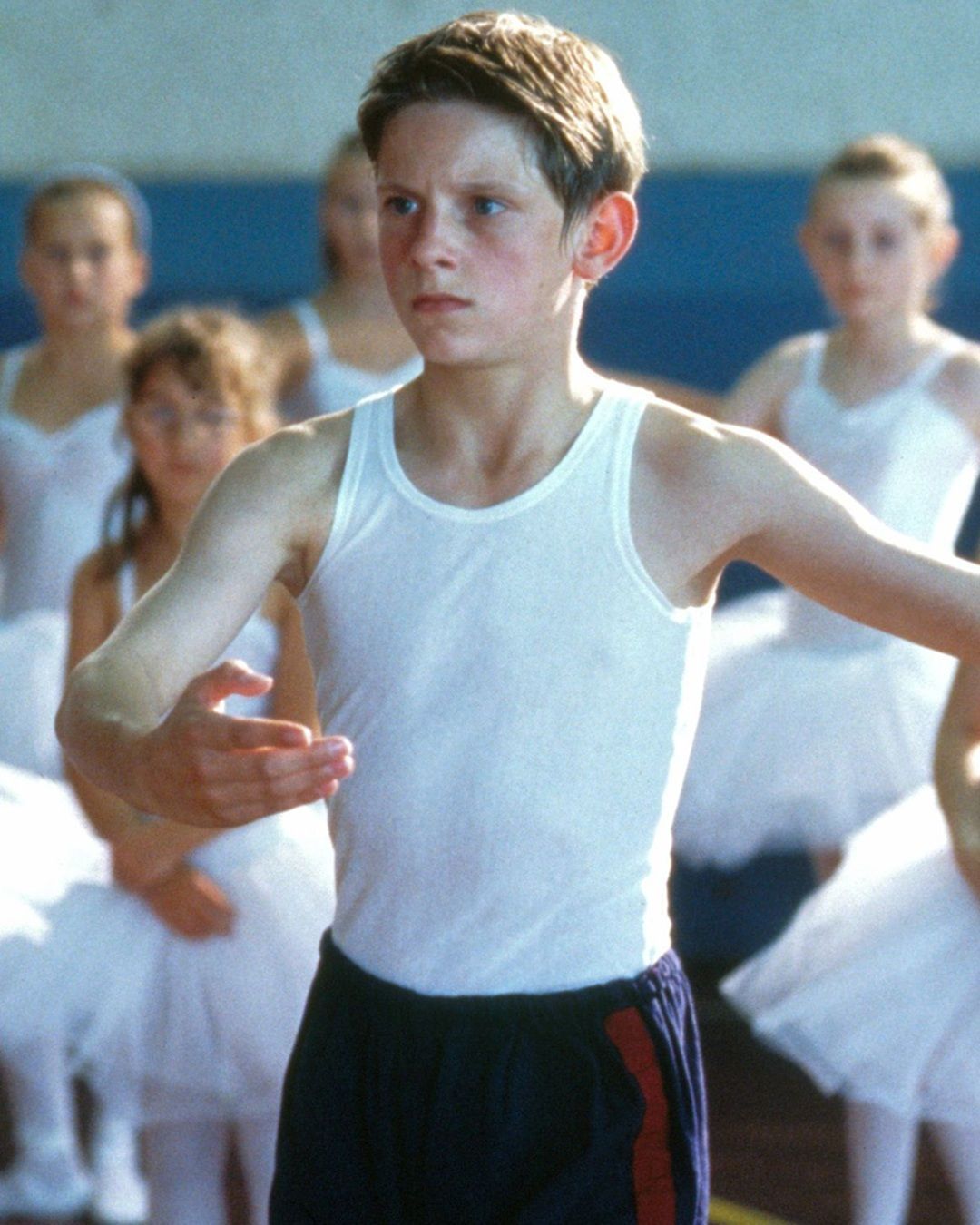
Beyond the controversy, recent data contradict the idea that opera and ballet are declining arts. According to a 2024 report by the Società Italiana degli Autori ed Editori, theaters in Italy hosted over 153,000 performances and attracted more than 28 million spectators, with total audience spending exceeding €578 million. Ballet, in particular, has shown growth: performances increased by over 6%, while audiences rose by around 12%. Opera remains stable, with approximately 2.13 million spectators annually, figures that point to a sector far from decline. According to many cultural professionals, the issue is not a lack of audience but rather a shift in cultural habits. Today, younger generations tend to choose specific events rather than artistic genres, they go to the theater for a show that intrigues them, not necessarily because they are devoted to opera or dance. Ballet and opera may appear more fragile compared to other forms of entertainment because they require a different kind of attention. They are arts rooted in time, gesture, and physical presence. In an era dominated by fast content and digital consumption, this slowness may seem outdated, but it is also what makes the experience unique. Many artistic directors emphasize that high-quality productions continue to achieve excellent results. When the artistic offering is strong, audiences respond, often precisely because theater provides something no digital platform can replicate: the shared experience of a live moment.
The unexpected effect of the controversy
The controversy sparked by Chalamet’s words quickly became a media case because it touches on a much broader cultural issue. In recent years, several scholars have noted a growing distrust toward expertise and cultural forms perceived as “high.” In the book The Death of Expertise, political scientist Tom Nichols describes this very phenomenon: a society increasingly skeptical of cultural institutions and specialized knowledge. In this context, opera and ballet become symbols of a culture that some view as distant or elitist, while others defend them as among the last spaces for collective experience and deep emotional engagement. Ultimately, the controversy may have produced the opposite effect of what the actor intended. For days, social media were flooded with videos of performances, backstage footage, and artists’ testimonies. Theaters and companies seized the opportunity to showcase their work and highlight the vitality of these disciplines. And if someone decides to buy a ticket to an opera or ballet just to prove Chalamet wrong, the result will be the same: a full theater and an audience that continues to seek, even in the digital age, the irreplaceable experience of live performance.