










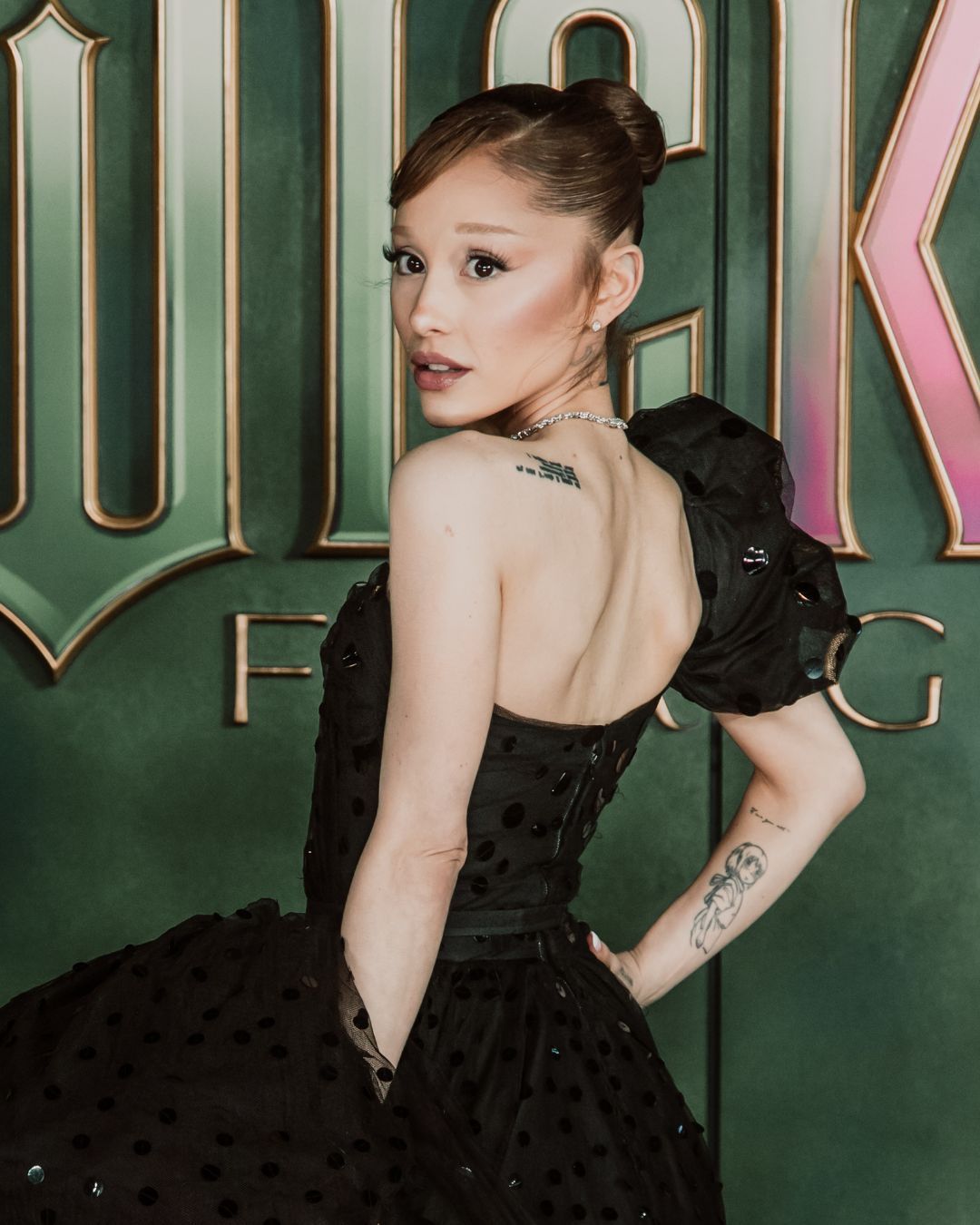
Ariana Grande and why stopping sometimes is necessary The actress is at the center of the debate and decides to step down and, perhaps, not return to the tour
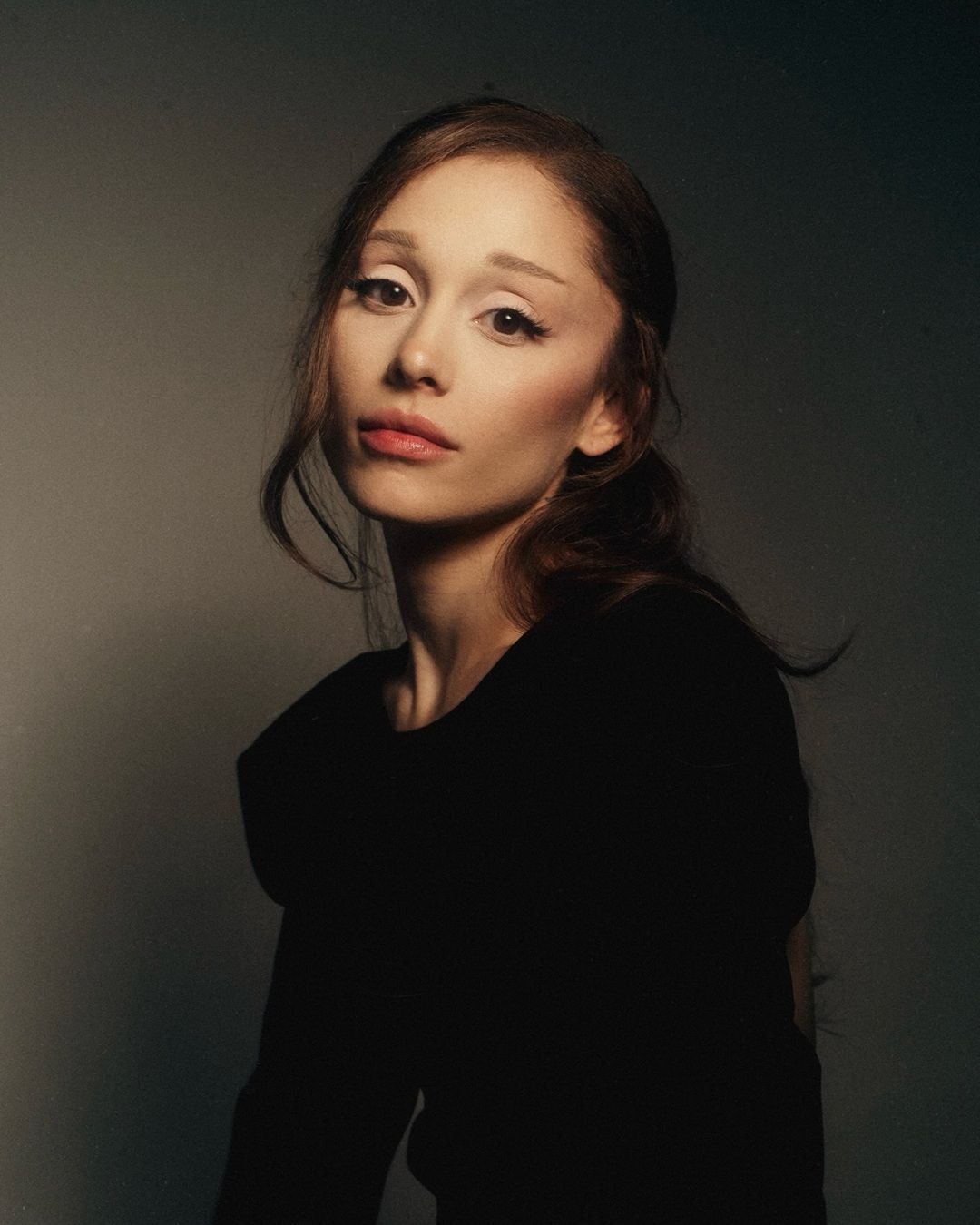
Ariana Grande is going through a radical transformation that resonates with many of us. After fifteen years inside a showbiz machine that made her one of the most recognizable pop stars of her generation, the singer has now chosen to slow down and take a long break, perhaps the longest of her career. The announcement that her 2026 tour will likely be "the last for a very, very, very, very long time" shook fans but didn’t come as a complete surprise. For months, Ariana has been openly discussing what many artists dare not admit: fatigue, depression, vulnerability, memory loss, and the struggle to recognize herself in a role that, while making her a superstar, has demanded a very high personal price.
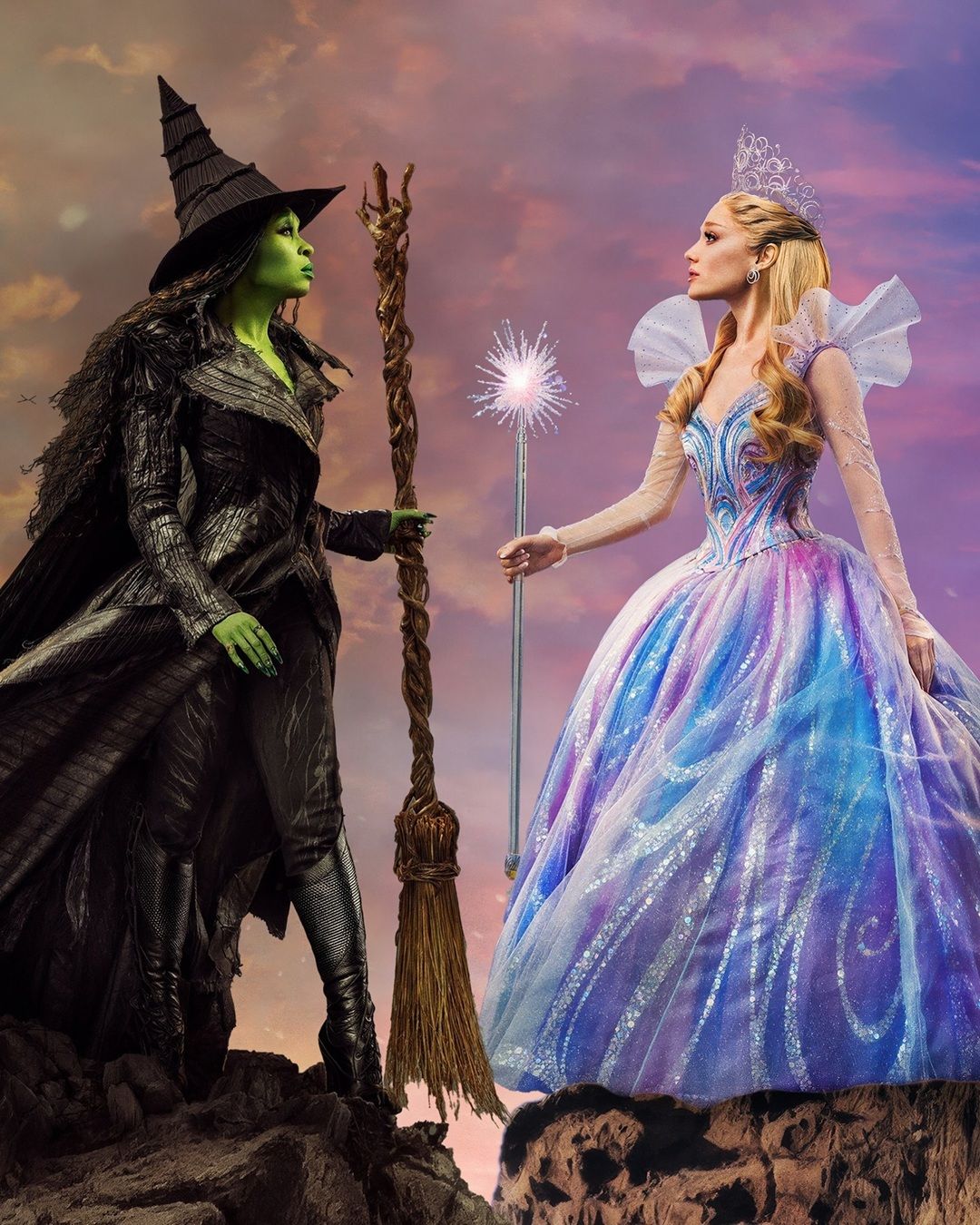
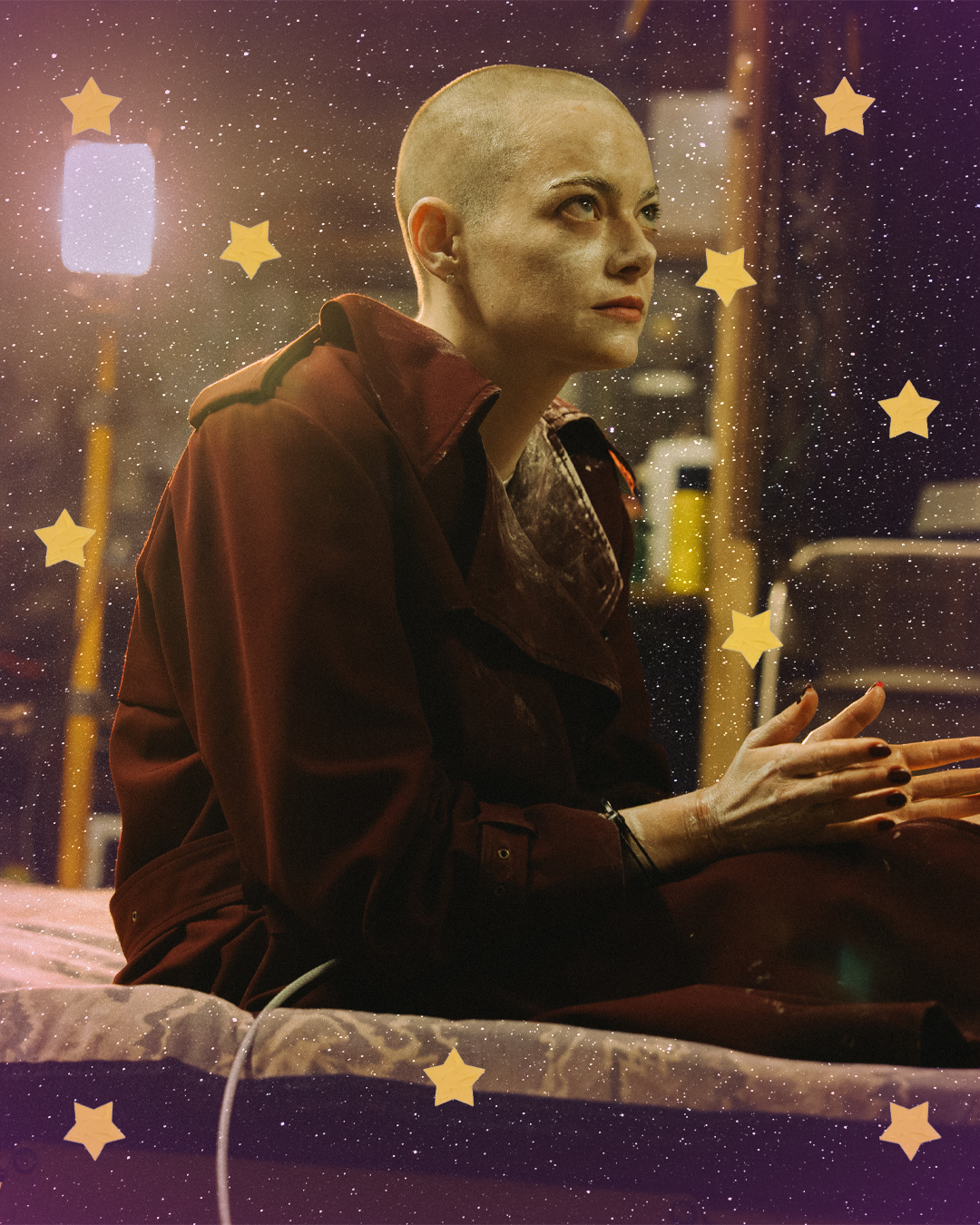
Behind Ariana Grande's performance in Wicked 1 and 2
The turning point didn’t come suddenly. It was the result of years during which Ariana’s public image hid a much more complex inner world. The singer has never denied her battles with anxiety and trauma, especially after the Manchester tragedy in 2017, which profoundly marked her life and worldview. But only in recent months has she begun speaking openly about an even more unsettling aspect: parts of her career have vanished from her memory. She literally misses entire years, periods erased by emotional and professional overload. In interviews, Ariana has tried to explain this phenomenon with a simplicity that makes it even more disarming. She says she remembers images and feelings, but not events. It’s as if the accumulation of stress, grief, professional pressures, and expectations left scars so deep that they altered how her memory functions.
This is a rare confession in the entertainment world, where the dominant narrative is constant success, resilience without cracks. Ariana, instead, brings to light the other side of the pop myth: being trapped in a role that demands always showing up and always performing perfectly. A persona that often doesn’t match who you really are. It’s no coincidence that the singer has said that, with age, she realized how difficult it had become to "stay inside" the pop star figure. The body asks for rest, the mind asks for breathing space, and the pursuit of authenticity collides with a world that thrives on appearances.
Wicked and the world of showbiz: the lead actress’s choice and story
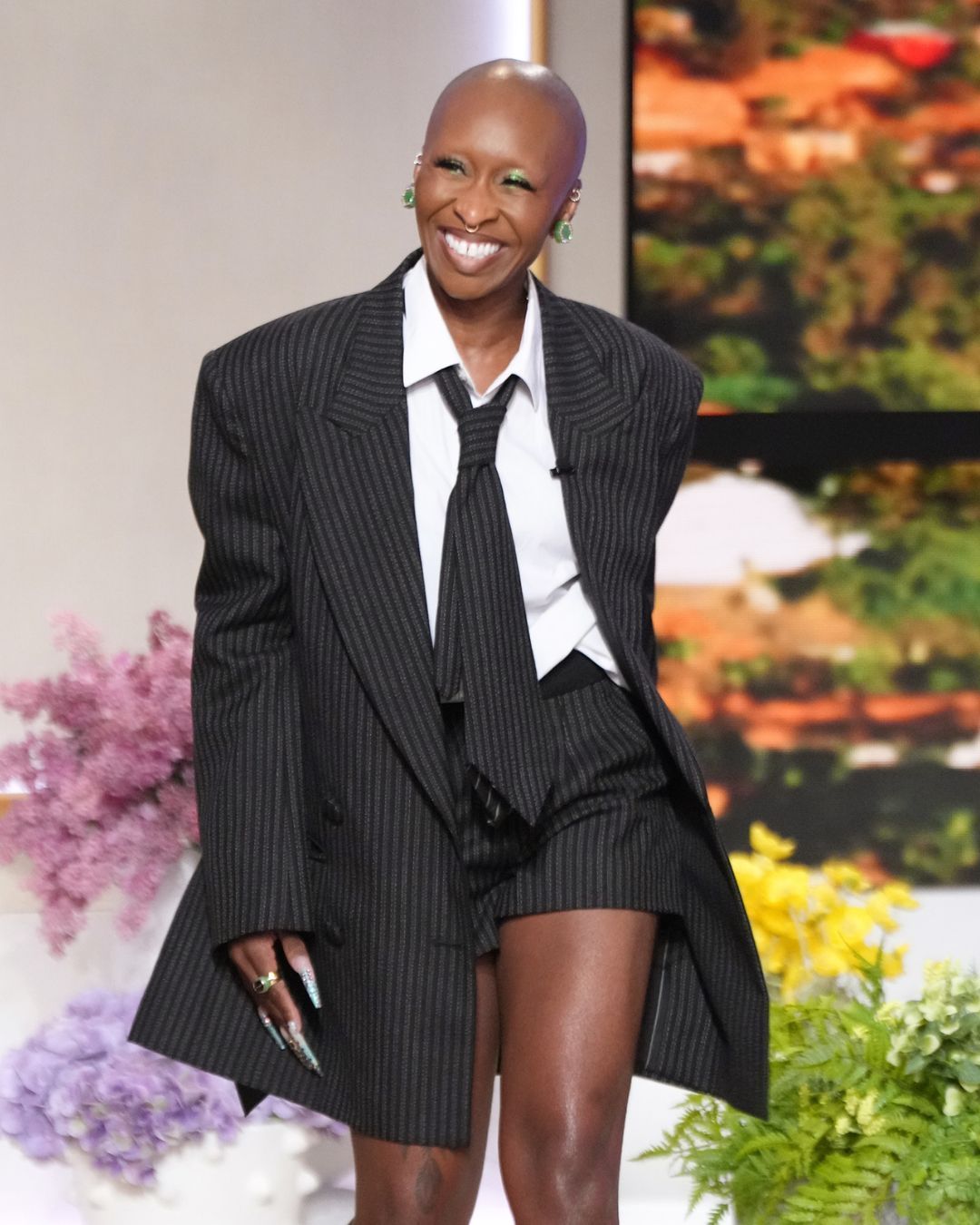
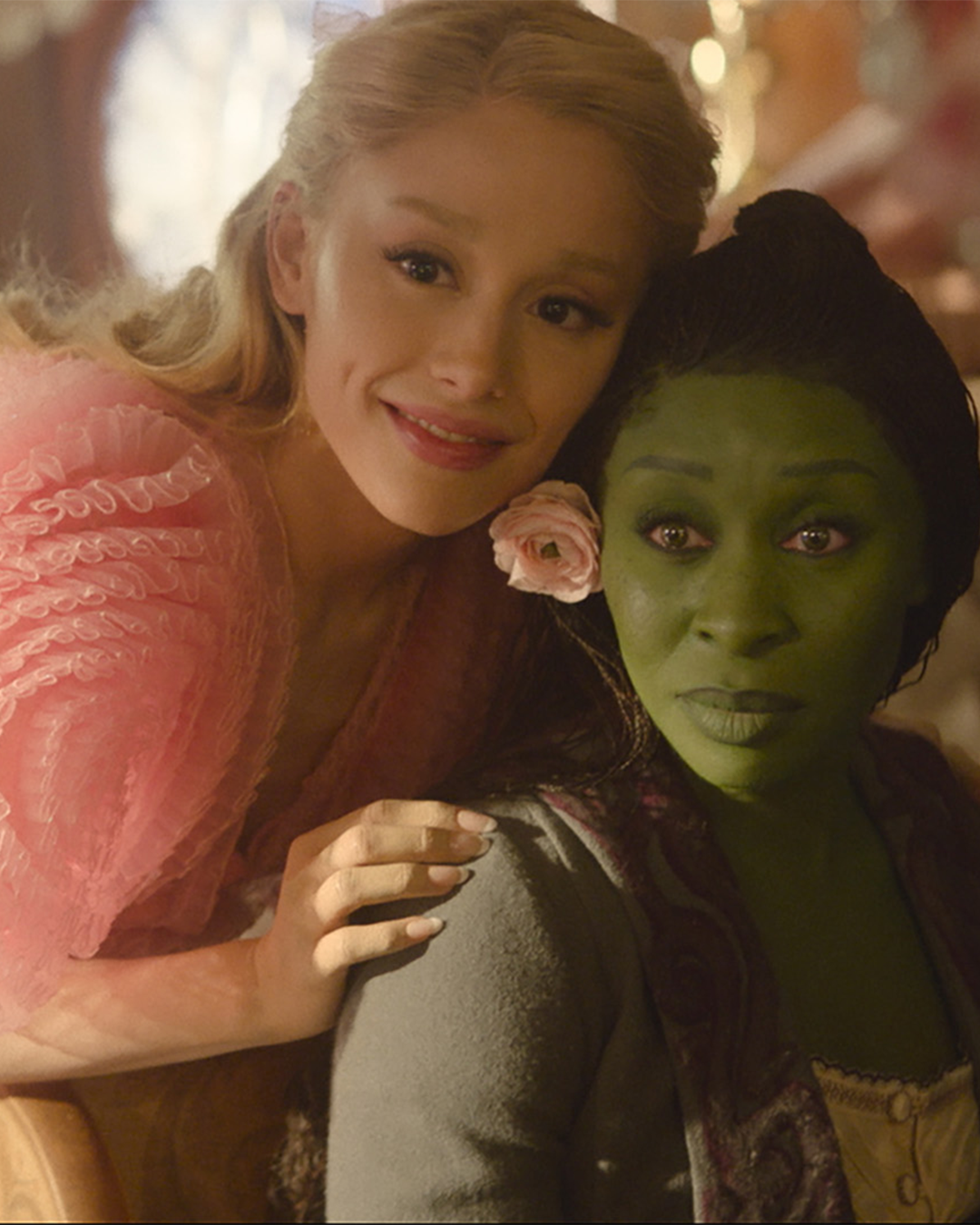
In recounting her time on the set of Wicked, Ariana speaks of a story rooted in highly relevant modern themes: the temptation to conform to be accepted, the ease with which masses can be manipulated through carefully crafted narratives. It’s a tale that, on closer look, seems more about 2025 than Oz. Ariana, who plays Glinda, and Cynthia Erivo, who brings Elphaba to life, have repeatedly said how much this film meant to them beyond being just a job. Cynthia describes the friendship between the two protagonists as a bond that defies any cliché, a relationship that grows from conflict, passes through prejudice, and becomes something profoundly deep. For her, the ideal friend is someone unafraid of having difficult conversations and who loves you even at your worst. Not someone who always applauds you, but someone who truly sees you, who recognizes your vulnerability. This perspective resonates strongly with Ariana’s journey, especially now as her battle with depression becomes a visible part of her public narrative.
@_madismith back to posting my tour videos because i miss it #arianagrande #fyp #sweetenerworldtour #2019 #bloodline #arianator #arianagrandefan #sweetener #thankunext original sound - madi
Ariana Grande beyond pop music
For both actresses, the film became a place of liberation. For Cynthia, a way to claim difference as strength; for Ariana, a path back to the essence: not the idolized pop star, but the human being who falls and rises again. Wicked became an emotional space for her, where the pressures of pop didn’t exist. And perhaps that’s why, when Ariana talks about her music hiatus, everything suddenly seems clearer. Wicked wasn’t just a work project. It was a turning point, a moment that made her realize how necessary it was to slow down, how urgent it was to protect herself from overload that led to depression, memory loss, and the disorientation she’s still processing today.
The 2026 tour will therefore be a farewell, a celebration more akin to an act of love than a goodbye. Ariana describes this tour as "a party," something to enjoy without the pressure to prove anything, like a bridge between her past life and the one she has yet to build. Her story, like so many others, reminds us that stopping isn’t a defeat, it’s an advanced form of self-care. A concept we perhaps should rediscover.