Mini guide to discover Istanbul Discovering a city between east and west
A city divided between two continents, among the few in the world, admired for its beauty and its magic. Istanbul is much more than just a crossroads: it is living proof that respect and multiculturalism can deeply enrich both those who live there and those who visit.
Istanbul in 2025: an immense and cosmopolitan city
Bigger than New York, Istanbul immediately impresses with its titanic size and dense population. In Italy and the Western world, it often reaches us filtered through Netflix series such as Thank You Next or Another Self (both highly recommended), which depict a part of society that truly exists: the secular, Western-influenced one. About 50% of the city dresses and behaves like us, drinks, smokes, and doesn’t follow religious obligations; the other half is more devout, observing Islam’s rules with varying degrees of strictness. These worlds coexist harmoniously, creating surprising scenarios, like a girl wearing a hijab being best friends with a girl in a miniskirt, proving that diversity can also mean respect and mutual growth.
A glimpse into recent political history
Despite the apparent freedom of customs, since 2003 national politics have been strongly influenced by Recep Tayyip Erdoğan, now President of Turkey, who has sought to steer the country toward a stronger Islamist identity. This has meant, among other things, stricter rules, especially for women from religious families. However, a significant portion of the population continues to affirm a secular lifestyle, pursuing the freedom and modernity typical of 20th-century Turkey.
Getting around the city
Visiting a new city with different cultures and rules can seem daunting, especially for a woman. I traveled only with my sister, and we didn’t know what to expect. We were pleasantly surprised: we felt safe, apart from a few insistent stares here and there, something inevitable in any city around the world. Given Istanbul’s size, 3–4 days are the right amount of time to explore it, letting the rhythm of the capital flow more slowly. But where to start? Here’s a small guide with some suggestions on where to eat and drink.
Where to eat and drink in Istanbul
Ortaköy, between the Bosphorus and culture
Ortaköy is a picturesque neighborhood beneath the Bosphorus Bridge, famous for its lively atmosphere and elegant Ottoman architecture. At its heart lies the Ortaköy Mosque, arguably the most beautiful in all of Istanbul. its façade looking directly out over the sea. The central square buzzes with street artists, food stalls, and a few tourists. It’s the perfect place to try a kumpir, a giant baked potato, soft on the inside and crispy on the outside, filled with a wide choice of toppings. Every Sunday, a small craft market takes place in the streets around the mosque, while walks along the Bosphorus offer breathtaking views, especially at sunset. I chose to stay here for the sense of peace contrasting with the frenzy of Sultanahmet, at The Stay Hotel, one of the most magical places I’ve visited: balconies overlooking the bridge and mosque, with the feeling of experiencing Istanbul in all its grandeur and magic. The hotel is elegant and well-curated, with modern and comfortable rooms, attentive service, and welcoming common areas perfect for reading or sipping Turkish tea. It’s also highly recommended for those who, like me, care about sustainability, thanks to its eco-friendly products and environmentally respectful practices.
Sultanahmet, the historic heart
Sultanahmet is the historic heart of Istanbul, the neighborhood that tells the city’s millennia-old story. Here you’ll find its main icons: the Hagia Sophia, a Byzantine masterpiece and city symbol; the Blue Mosque, with its six minarets and elegant blue tiles; and Topkapi Palace, once the residence of the Ottoman sultans, with courtyards and treasures that reflect power and art. Walking its cobbled streets is like stepping back in time: artisan workshops, traditional cafés, and hidden bazaars evoke the atmosphere of a bygone era. Small green corners like Gülhane Park are perfect for a break between monuments. Sultanahmet is ideal for first-time visitors, as it concentrates the best of the city’s history, culture, and spirituality into just a few blocks. For a drink with a view, I highly recommend the Queb Rooftop, overlooking the rooftops of the district.
Beyoğlu & Istiklal Caddesi, cosmopolitan life
Beyoğlu is a vibrant, cosmopolitan district, famous for its pedestrian street filled with cafés, galleries, and shops. Taksim Square is the modern meeting point, while the side streets hide authentic, lesser-known venues. A treat for a (very) generous snack: the Summer Afternoon Tea at The Peninsula Hotel, pure delight along the Bosphorus, with refined pastries and an elegant, relaxed atmosphere. Also in the Firuzağa neighborhood, in the heart of Beyoğlu, is Tavern, a cocktail bar that feels straight out of a Netflix series: stylish young Turks, background DJ sets, and carefully crafted drinks. A perfect place to savor the city’s contemporary soul.
Ataköy, sweet relaxation
Ataköy, in the Bakırköy district, is a residential neighborhood on the European side, near the Sea of Marmara. Built in the 1950s as a modern housing project, it was one of Turkey’s first examples of a “garden city,” with green spaces, tree-lined avenues, and orderly residential complexes. Today, Ataköy is calm yet lively, with shopping centers, fine restaurants, cafés, and a pleasant seaside promenade. The neighborhood blends modernity with convenience, offering cultural spaces, parks, and sports facilities. Here you’ll find Romu Ristorante, a contemporary Italian restaurant (yes, you read that right), serving Mediterranean cuisine with Asian, especially Japanese, influences. The setting is elegant and modern, with a large garden perfect for outdoor dining in a refined, relaxed atmosphere with DJ sets in the background.
Beşiktaş, between history and modernity
Beşiktaş blends history and modernity along the Bosphorus. The neighborhood is lively, with trendy cafés and a vibrant cultural scene. Not to be missed: Dolmabahçe Palace, residence of the last sultans, and the nearby Dolmabahçe Mosque, an elegant example of neo-baroque style. The Naval Museum recounts Turkey’s maritime history, while Yıldız Park is a green oasis perfect for quiet walks. In the bustling streets of Beşiktaş’s Çarşı, you can taste local cuisine and experience the neighborhood’s beating heart. I spent an afternoon here and had lunch at Taff Burger, a cozy place run by young locals mixing traditional and innovative flavors into delicious burgers.
Üsküdar and Kadıköy, the Asian side
Crossing the Bosphorus reveals another Istanbul. Üsküdar is known for its seaside mosques, spectacular sunsets, and local markets; Kadıköy offers independent bookstores, street food, and a young, alternative spirit. Tourism is less present here, and the views feel more authentic. In this area, you’ll find Leticia Patisserie, in Üsküdar, where most of the clientele is local and women dominate the scene, creating a true private space.
So, take that plane: in just two hours you’ll find yourself immersed in a world full of magic, charm, and contrasts, ready to let you experience Istanbul in all its incredible beauty. A city to visit at least once in a lifetime.
What to read next
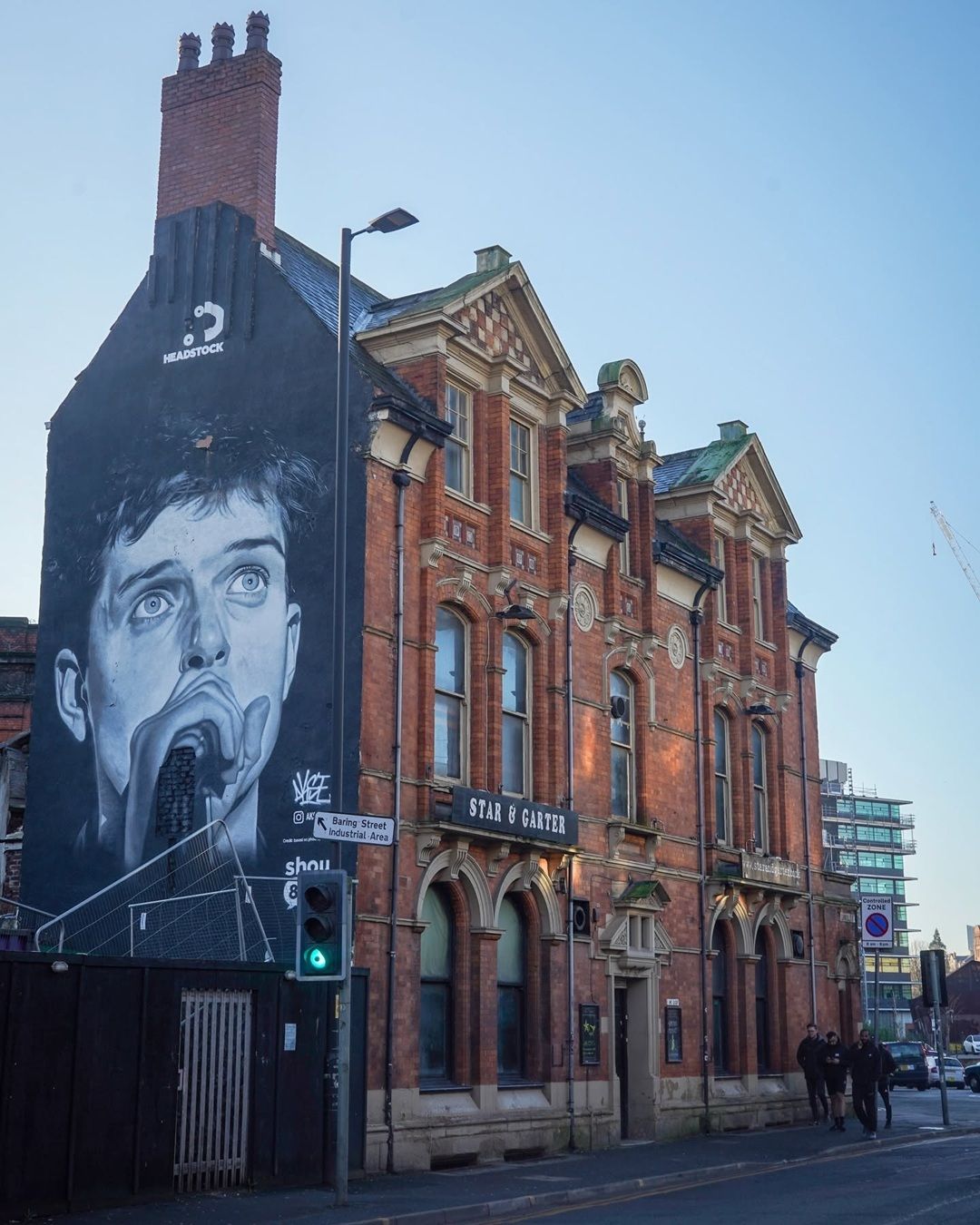
Manchester, the rebellious city where music and activism coexist
From music and LGBTQIA+ culture to suffragettes, industrial spaces and new addresses, a weekend in Manchester discovering the UK's most rebellious city

Mini guide to discover Porto
Neighborhoods, clubs and restaurants not to be missed during your trip to the Portuguese city

5 fashion exhibitions to visit in Europe
A museum in Milan, Florence, London, Paris and Antwerp and an outfit to visit it