










































"The Girlfriend" is the apex of the mother-in-law/daughter-in-law relationship It is also a Prime Video series starring Robin Wright and Olivia Cooke
It may be a myth, a legend, a rumor, or just plain malice. But sometimes, it’s simply the truth. Mother-in-law and daughter-in-law don’t necessarily have to like each other, but with The Girlfriend on Prime Video, things reach a whole new level. Based on the novel by Michelle Frances published in 2017, it elevates the conflict once portrayed by Jennifer Lopez and Jane Fonda in Monster-in-Law (2005). Streaming on Prime Video starting September 10, the series is a psychological thriller that doubles as a love triangle full of mommy issues. Directed by Robin Wright, who also stars as a mother fighting for her son Daniel (played by Laurie Davidson), the story pits her against the young and alluring colleague Olivia Cooke, widely recognized for her role as Alicent Hightower in House of the Dragon. They are both aiming for the boy's heart.
The characters and their conflicts in the new Prime Video series The Girlfriend
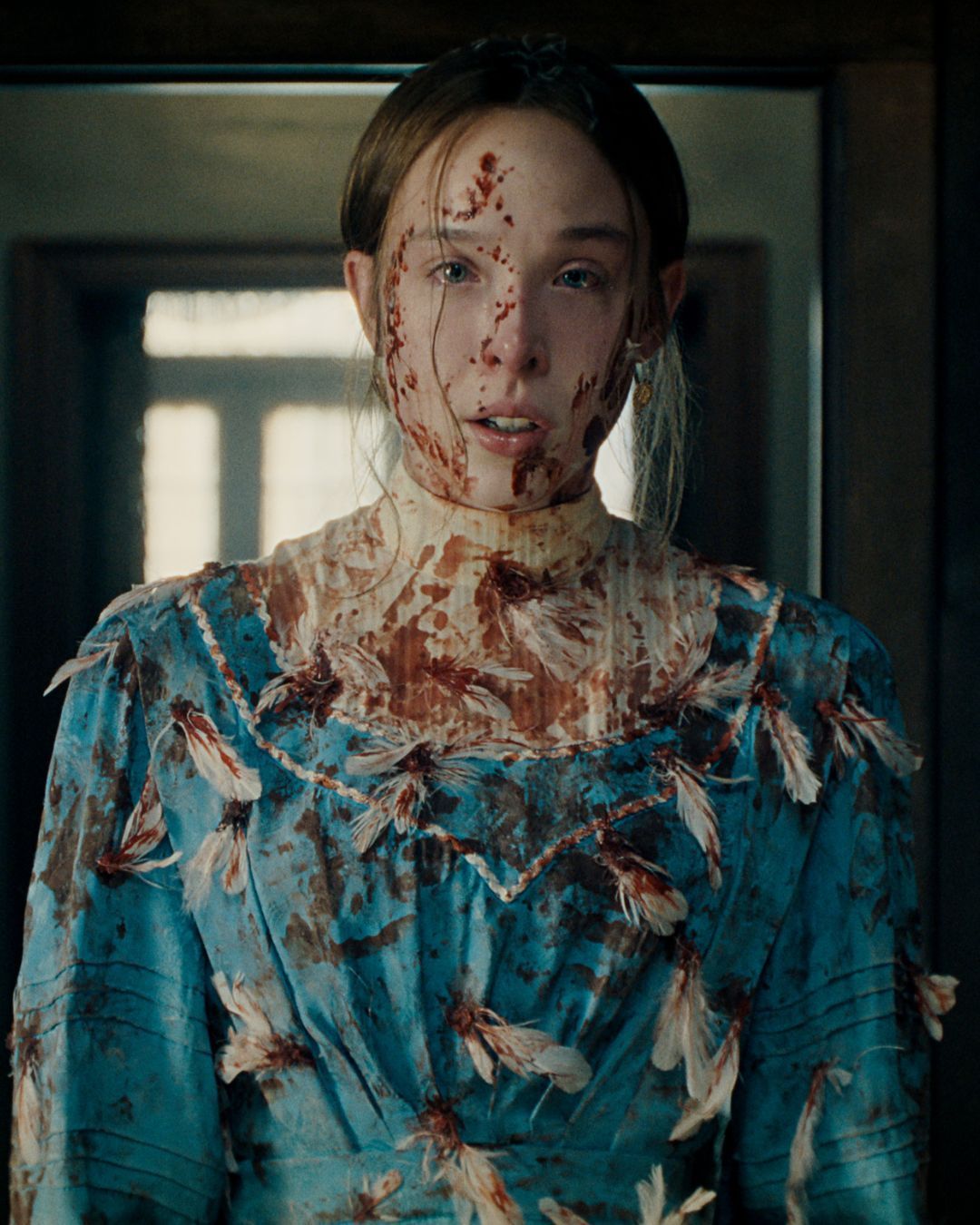
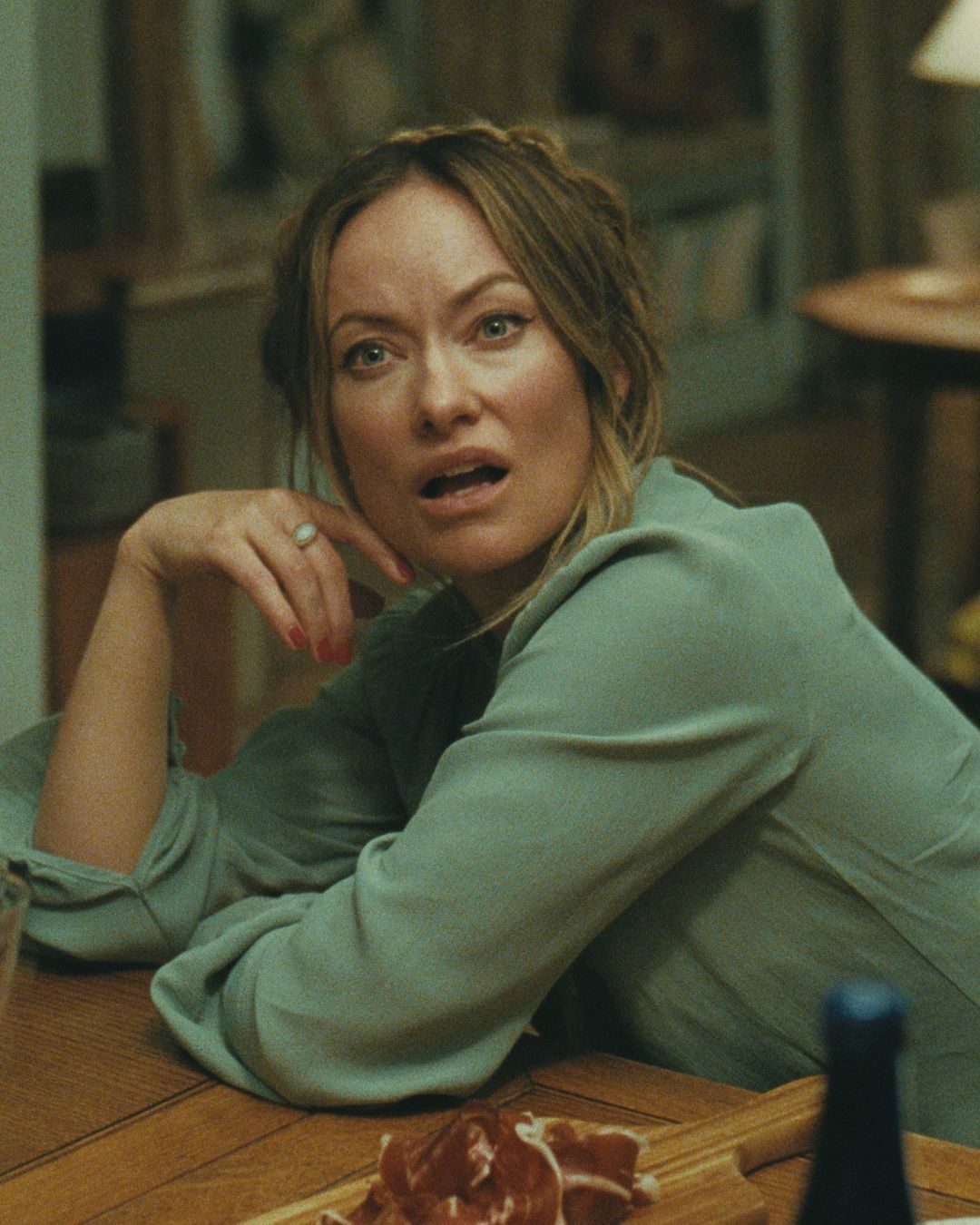
Laura (Wright), as a present and oppressive parent, has built over the years a beautiful relationship with her children, though one deeply influenced and above all conditioned by the premature death of another daughter, little Rose. Cherry (Cooke), meanwhile, is intent on proving herself to be the perfect partner for a young man from a good family, a doctor by profession, whose father owns some of the most luxurious hotels around. She is one of those girls who carry a secret that must never be revealed, hidden away like her humble origins and the fact that her mother works as a butcher, something Cherry tries to keep as far removed as possible from her ambitious and flashy aspirations in life. Like a diptych whose mirrored images face one another, with two versions that in the course of six episodes alternately follow Laura’s gaze and then Cherry’s, The Girlfriend proves to be as intriguing as it is morbid, spicy, and deliciously outrageous, even pushing the limits of good taste. It is popular and capable of sparking the viewer’s curiosity, who, though aware of the show’s emphatic spirit, cannot help but wonder who is in the right and who should ultimately hold Daniel’s heart. With its dual perspective, the series makes objective reality entirely superfluous for the sake of the entertainment it so effectively teases out. By offering multiple angles from which to revisit the same scenes, playing on shifts in tone and interpretation, on suggestions and even on the dialogue itself, the adaptation, crafted by creators Naomi Sheldon and Gabbie Asher, grips the audience from the very start. The viewer, aware of the show’s lightness, nonetheless feels passionately drawn into the whirlwind that will soon descend upon the Sanderson family and the life of the intruder, Cherry Lane.
Ambiguity is the strength of the show
Contributing to the effect is the fast-paced, melodramatic rhythm given by the writing, which the direction, never pretentious, but paired with the ostentatious character of the two protagonists, manages to highlight. Even at first glance, The Girlfriend conveys the two worlds set against each other: Laura and Cherry, while Daniel (Laurie Davidson) all but disappears, tightly caught in the clutches of his two wardens. Laura is sophisticated and obsessed with control; she appears satisfied, but sublimates both the death of her daughter and her unstable marriage into a pathological bond with Daniel. Cherry is the social climber who longs to escape her “natural state,” which she considers degrading, meaningless, unfair. In her flashy appearance and clothes still bearing the price tag, she might, at first glance, seem chic, but in reality it is a crude performance meant to cover up her roots. And yet, despite all this, who is right and who is wrong? Who is sincere, and who is lying to Daniel, and probably to herself? The narrative structure makes the differences in the two women’s voices explicit from the start, offering a prism in which the show revels, and whose entanglements are a pleasure to unravel. Even if truth itself may not be the goal of the audience’s delight, nor does it necessarily need to surface at all, just as when several bells ring to tell the same story. And it is precisely this ambiguity, though eventually resolved, that makes The Girlfriend, and its protagonists, irresistible.