











































Color Walk: the walk that changes your eyes (and mood) What it is, its benefits and where to practice it in Italy
We live in times when everything happens too fast: the endless scroll of images on social media, the constant ping of notifications, the overlapping commitments. In this digital and mental whirlwind, our attention frays like a worn-out thread, and the real world around us, tangible, full of details, fades into the background, like a hazy, distant memory we can't quite grasp. Trapped in this context of hyperconnection and distraction, we seek a way to detox from social media, from routine, and reconnect with ourselves. Sometimes that means swapping a smartphone for a flip phone, taking a long bath while watching a comfort show, doing some gardening, real or digital, turning up the music and dancing off-key like Liv Tyler in Stealing Beauty, journaling, or going for a run. Among these one stands out: walking of all kinds, silent walking, retro walking… and now, color walking. After learning to walk in silence and even backwards to regain balance and well-being, the latest trend coming from TikTok invites us to walk in color. This trend, seemingly simple, almost childish, involves choosing a color as your visual guide while you walk. That’s it. It’s like a chromatic treasure hunt to awaken the senses and turn down the mental noise. A rebellious act of presence, a creativity and mindfulness exercise disguised as a visual game.
What exactly is a color walk?
Let’s imagine stepping outside with a single goal: to look for yellow. Or blue. Or green, or any color that catches your eye in that moment. Choose it instinctively, like picking a card from a deck, without overthinking. Then start walking. And observing. Everything that resonates with that shade suddenly becomes visible, no, the star of the scene. An umbrella resting on a bench, a painted door, a flower growing through cracks in the pavement. Every detail speaks to us, calls us, stops us. And in that pause from our usual rhythm, something simple yet extraordinary happens: our mind aligns with what our eyes are doing. Finally, body and attention are moving in the same direction. This isn’t just a technique to regain calm or a creative pastime. It’s a form of full presence, a visual mindfulness that silently reshapes our perception. It shifts our focus from inside to outside, and back again, because when we truly observe the world, we inevitably begin to see ourselves more clearly. A color walk is a small act of personal revolution: it breaks us out of the autopilot mode we often live in and brings us back to wonder.
The poetic roots of a viral practice
Yes, TikTok popularized it. But its roots go far deeper, and carry surprising cultural depth. In the 1960s, Beat Generation writer William Burroughs described a sensory experience he had in Paris: a walk where he “saw all the blue,” from a passerby’s scarf to the sky over Montparnasse. A chromatic epiphany, almost psychogeographic, shared with artist Brion Gysin, his creative collaborator. For them, it was a way to break the mental routine, to escape the “grey room” of everyday monotony. In truth, the color walk is a kind of visual cut-up: as if we were snipping the landscape with imaginary scissors and reassembling it, looking for new associations, new meanings, and maybe, a new kind of mental freedom. Today, the color walk is reborn as a playful, accessible practice, something anyone can do, anywhere, with no tools but their eyes and curiosity. Yet it still holds that poetic, almost mystical root that makes it not just trendy, but essential.
The invisible benefits of a color walk
You don’t need to be a mindfulness expert or have read every meditation book to benefit from it. You just need to walk. But with intention. That’s the secret of the color walk: it brings your mind back to the present moment. Focusing on a single color helps us avoid mental multitasking, keeps us from spiraling into to-do lists, past conversations, or future worries. Studies and psychologists confirm that visual awareness reduces stress levels, boosts mood, and improves focus. And surprisingly, it can even slow down your walking pace and heart rate. Walking in this way becomes therapeutic. A sensory reset that blends movement, creativity, and contemplation. It’s also a creativity workout, like sketching with your gaze, composing a mental painting from what surrounds you. It’s no coincidence that many artists and designers use similar techniques to spark inspiration. But you don’t need to be a creative professional to feel its effects: just let yourself be drawn into the game.
Seven ideal italian destinations for a color walk
The beauty of the Color Walk? You can do it anywhere, from the sidewalk outside your home to a mountain trail. But for those craving a truly immersive experience, Campeggi.com, the Italian portal for campgrounds and holiday villages, has selected seven perfect destinations to surround yourself with the colors of nature and tradition. Seven corners of Italy that seem made for walking, seeing, and being amazed.
Valle del Vanoi, Trentino-Alto Adige - The realm of green
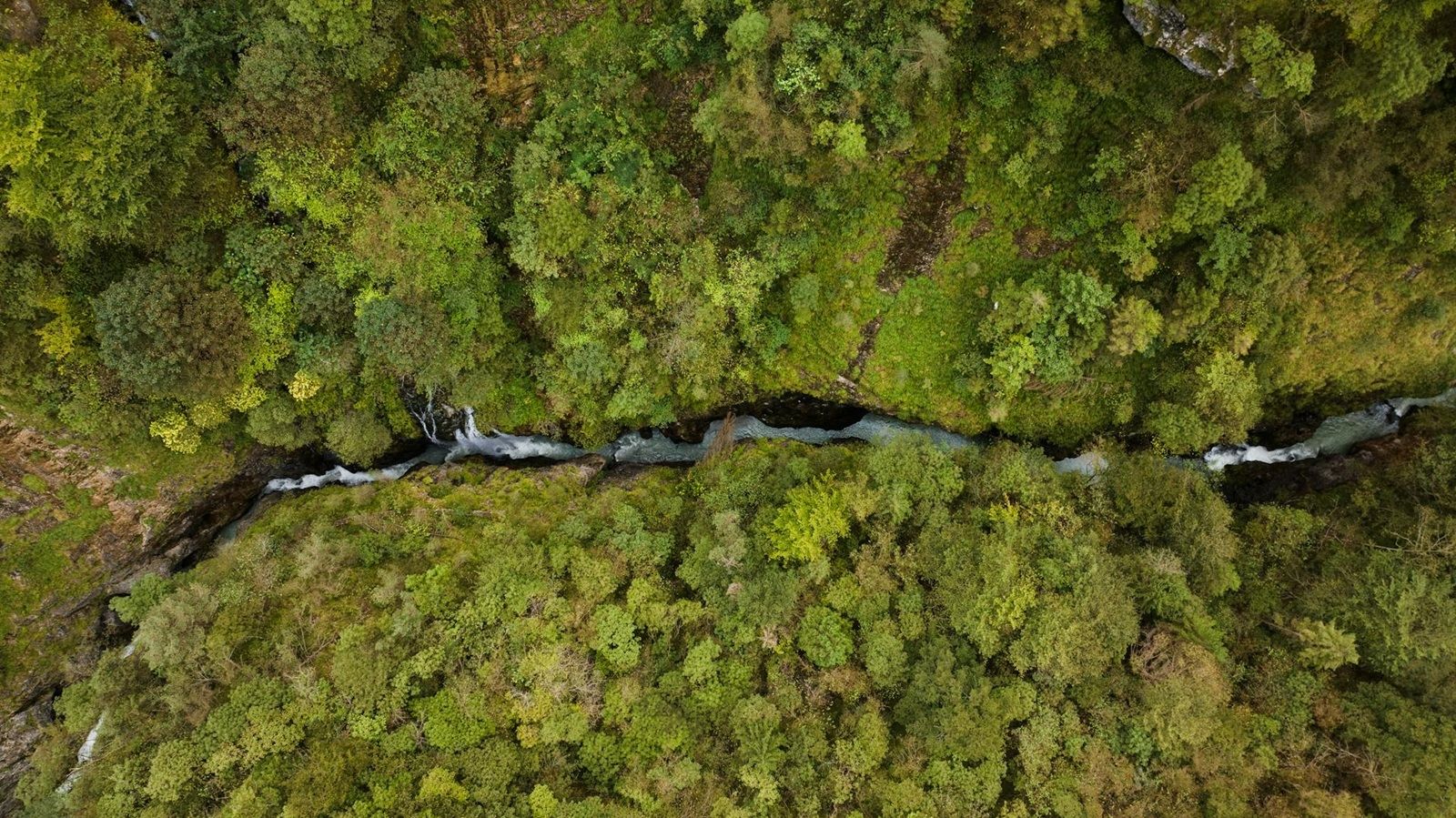
In the greenest heart of Trentino, the Vanoi Valley is a symphony of firs, larches, and willows. Here, green is not just a color, it's an enveloping presence revealed in every shade: from moss to meadows, from the treetops to the emerald reflections of the lakes. Even the wildlife, from the common frog to the grey-headed woodpecker, takes part in this chromatic concert. Walking through the valley feels like stepping into a tonal painting that soothes the soul. Ideal for those seeking green as a symbol of balance and renewal.
Chioggia, Veneto - Shades of Venetian red
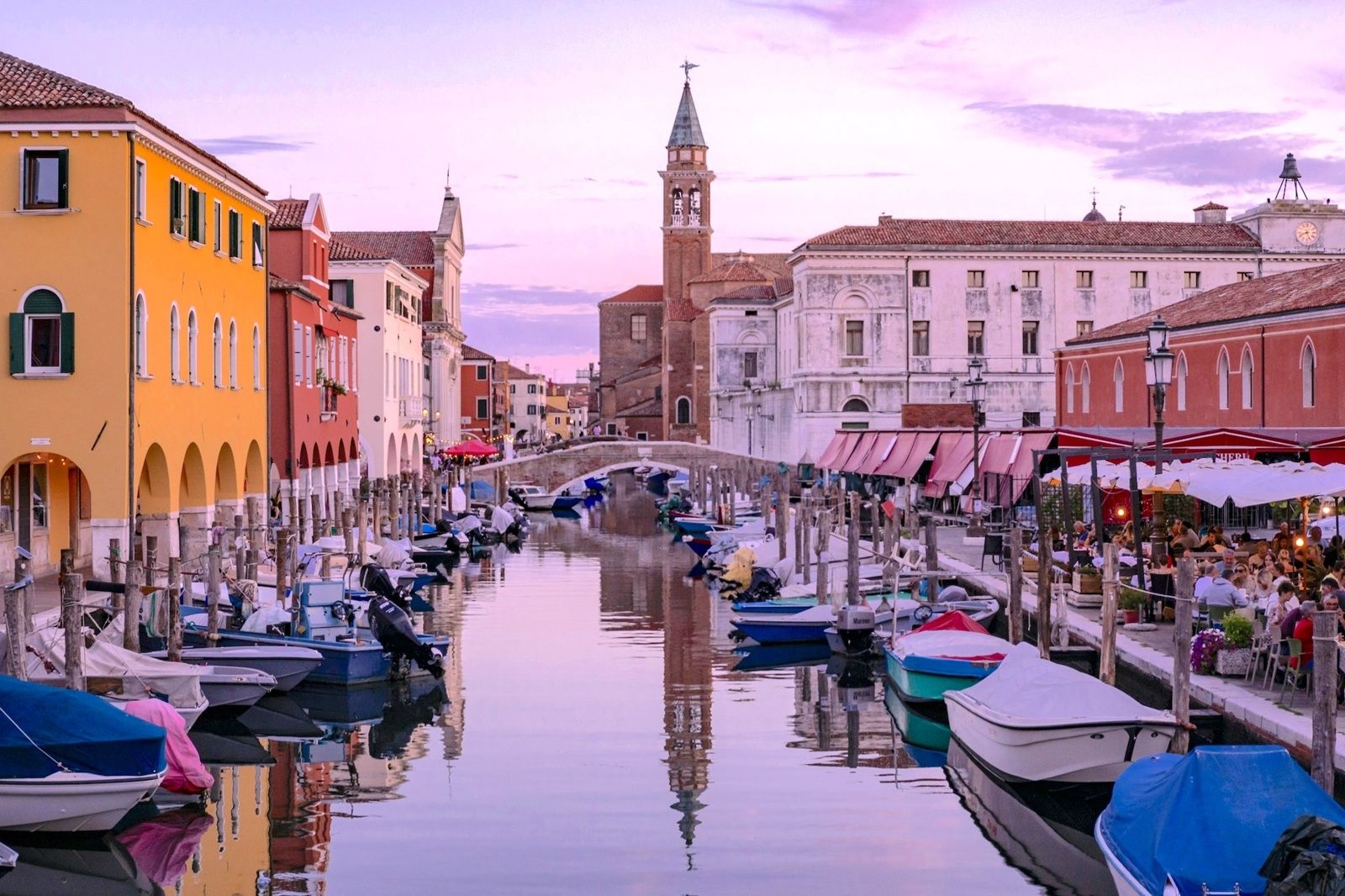
A miniature Venice with a distinct personality. Colorful houses, historic buildings, boats moored in the canals, Chioggia is a mosaic of vibrant tones where Venetian red bursts forth in hanging laundry, architectural details, and everyday life scenes. Following this hue through the city creates a sense of vibrant energy, as if the color itself were guiding you through the city’s history and present.
Massa Marittima, Tuscany - The golden yellow of sunflowers
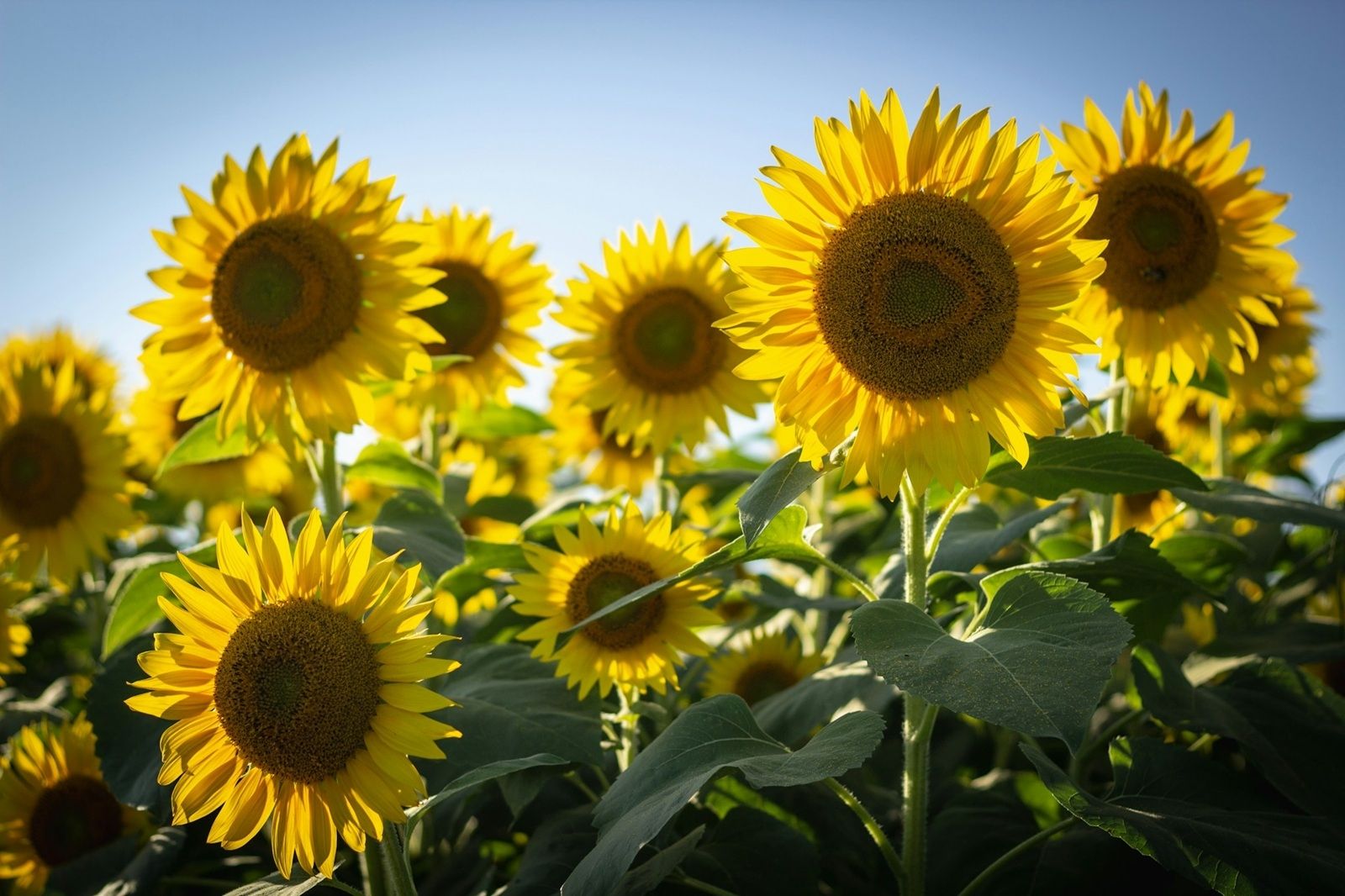
A perfect place for an all-yellow color walk. Among the hills of Maremma, summer turns the landscape into a radiant field of sunflowers. The Tuscan light, warm and sharp, enhances the golden hues and makes every detail shine. Even in the colder months, yellow persists: in the warm-toned stones, in the sunlight reflected on the cathedral façade, in the details of artisan shops. A walk here is a bath of light, an exercise in brightness that warms even the cloudiest days.
Castelluccio di Norcia, Umbria - The purple of blooming fields
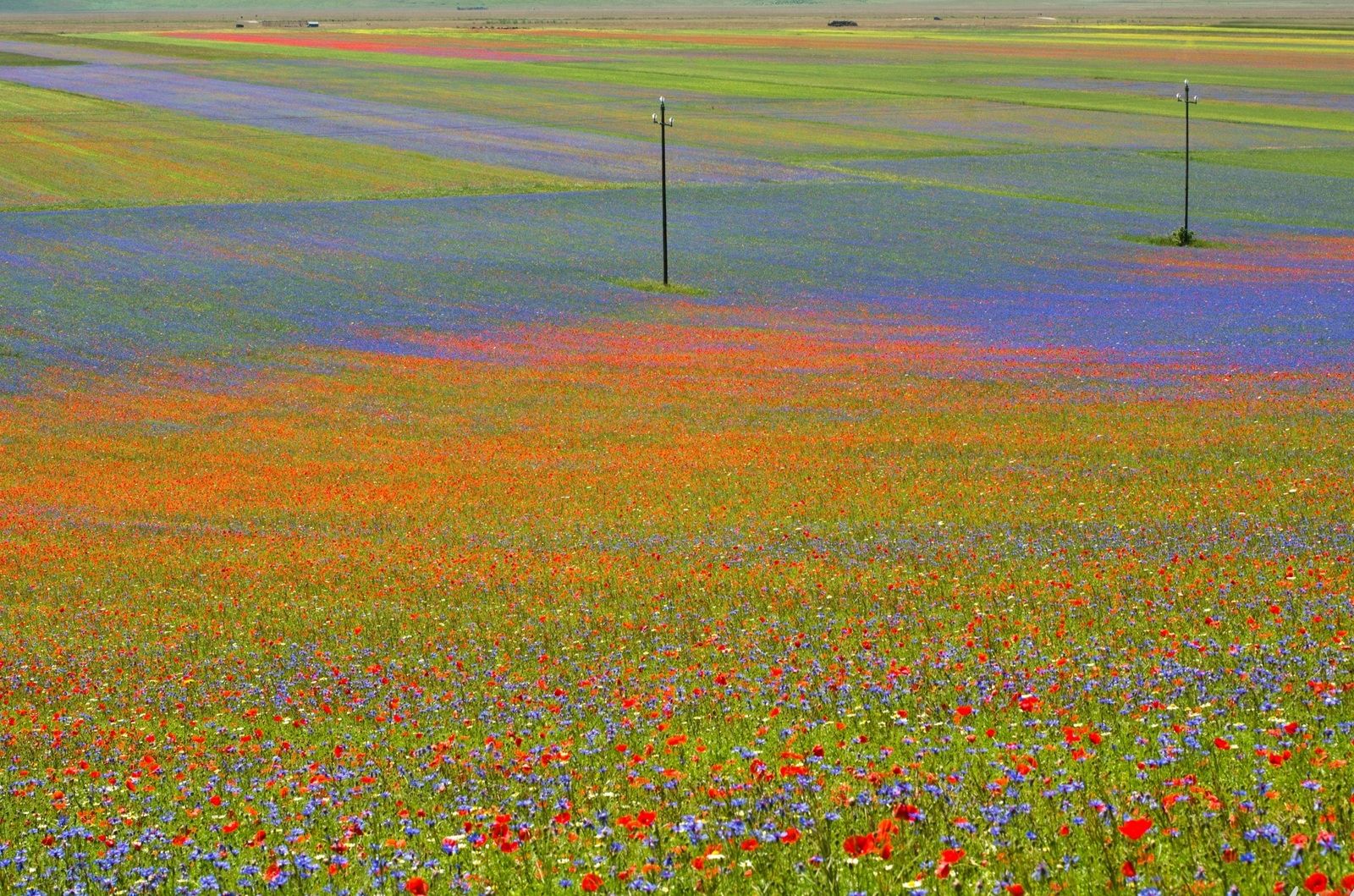
In the heart of the Umbrian Apennines, every spring the Castelluccio plateau transforms into a breathtaking spectacle: acres of flowering lentils, violets, lupines, poppies, and countless other colors blend like an infinite palette. Among them, purple stands out for its elegance and mystery, carrying a sense of intimacy, spirituality, and rarefied beauty. Ideal for those seeking a nearly meditative color walk.
Casamassima, Puglia - The Blue Village
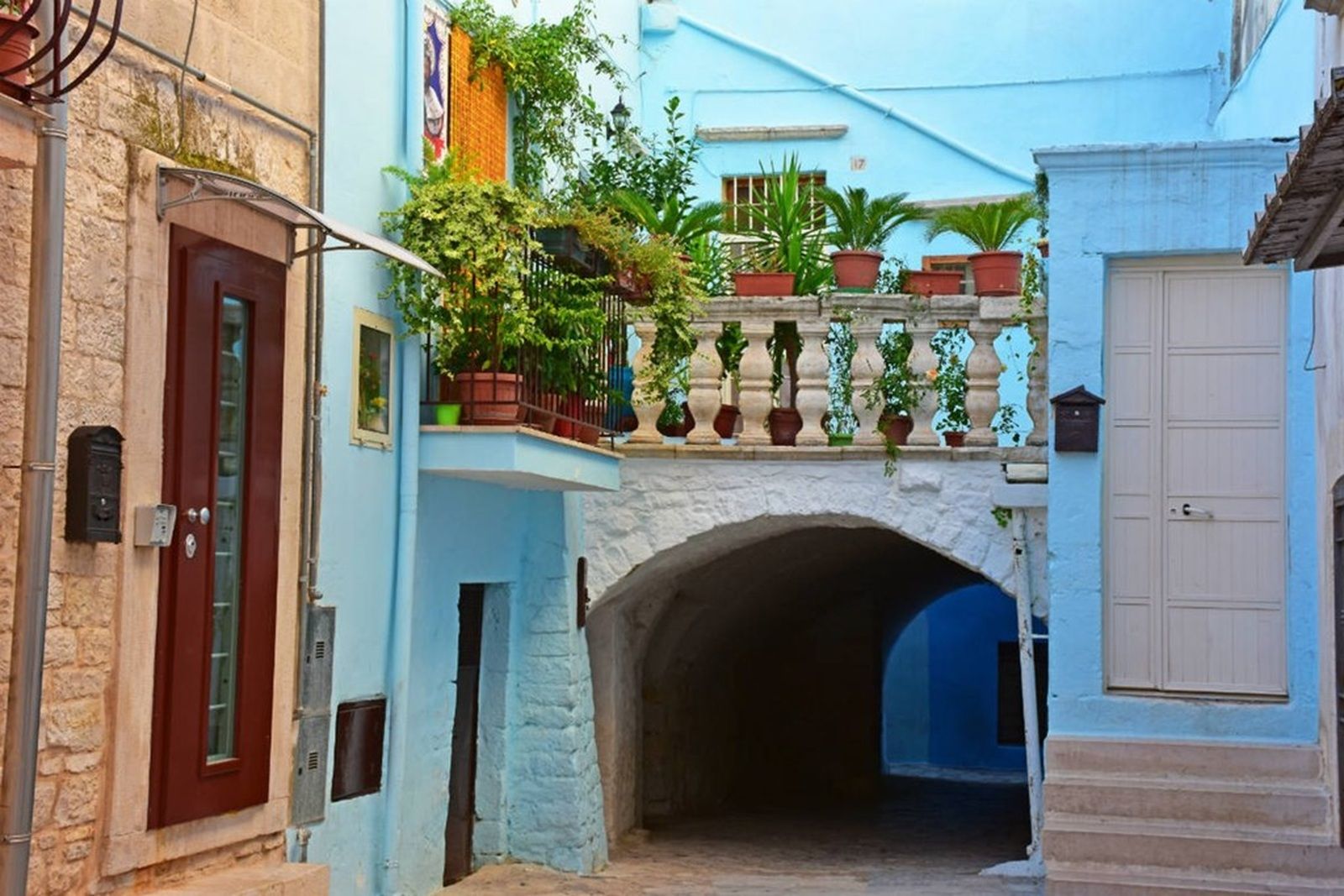
"The Blue Town" isn’t just a nickname. Casamassima is truly a village where many houses are painted blue, according to a legend that blends protection and faith. Walking through its narrow streets feels like stepping into a Mediterranean fairy tale, where every corner is peaceful and every shade offers a quiet pause. Blue here invites contemplation, as well as serene introspection.
Aggius, Sardegna - Brown like the earth
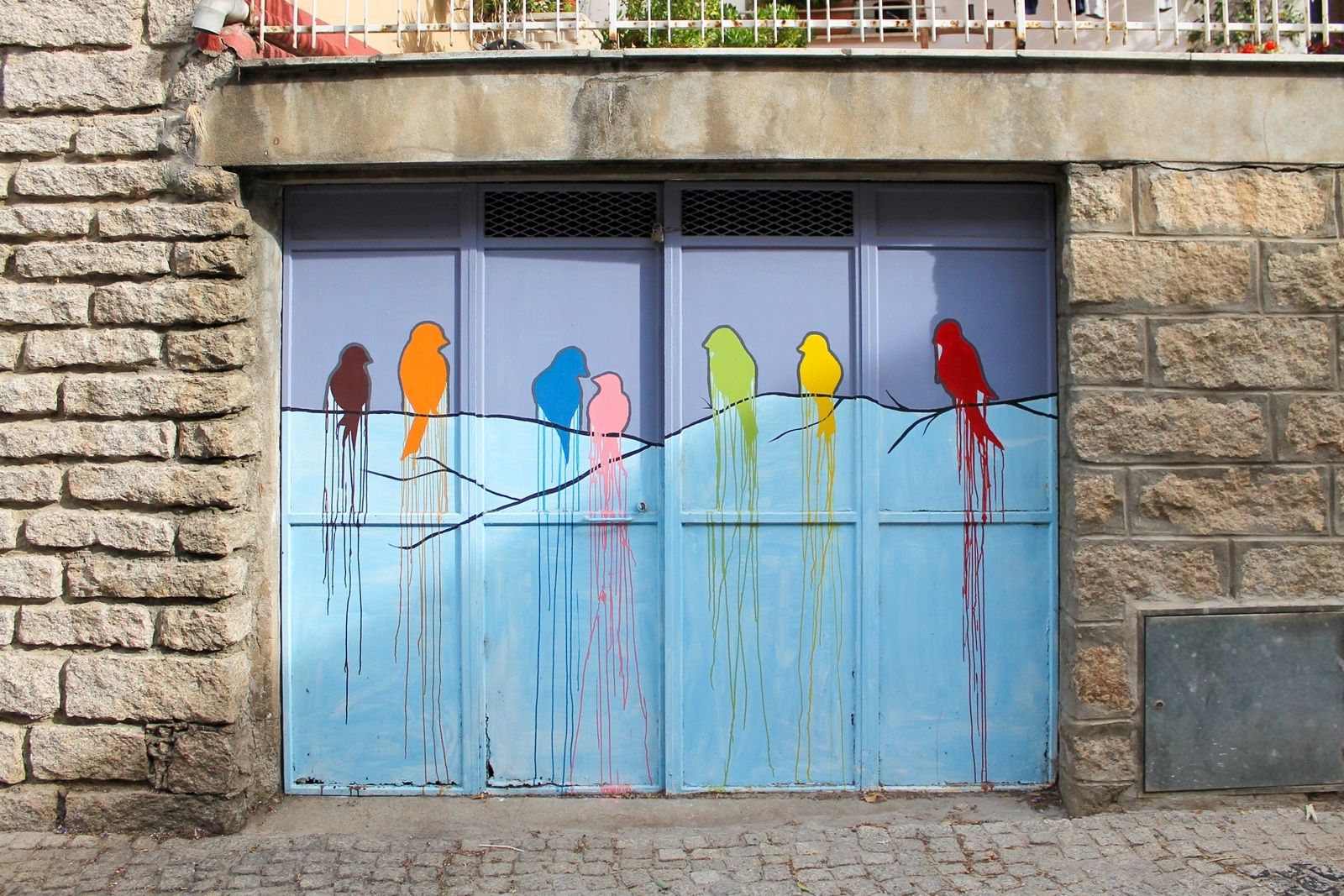
In the heart of Gallura, Aggius is a place where time seems to have stopped. Granite houses, paths between rocks, and enduring traditions all tell a story of resistance and authenticity. The colors here are those of the earth: ochre, rust, golden brown. Brown, in all its earthy variations, tells a story of roots, identity, and simplicity. Walking through its streets is like flipping through the pages of an ancient tale, where every detail speaks of deep heritage.
Pomponesco, Lombardia - Multicolored like a rainbow
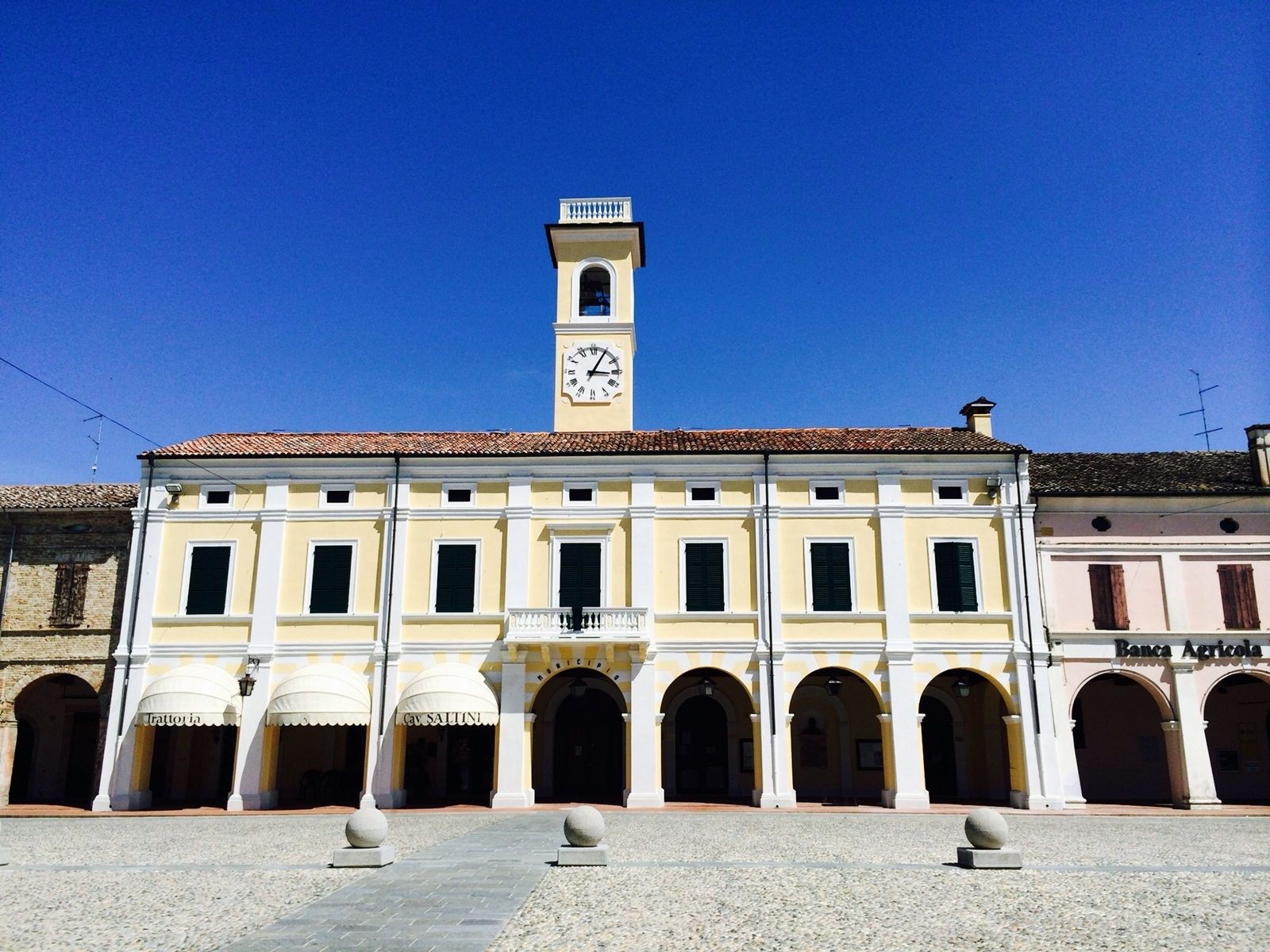
Nestled in the Mantuan countryside like a hidden gem among vineyard rows, Pomponesco is a place that feels like it came from a hand-painted dream. Its pastel-colored houses line quiet streets, composed like a Renaissance painting that embraces lightness as a stylistic choice. It’s no coincidence it’s been nicknamed “the Burano of the Po Valley.” The color walk here can follow many paths and tones: from the natural route of the Garzaia Reserve, with its delicate hues of sky, water, and vegetation, to the historic center, where time moves slowly under arcades and among old vistas. There's also the Teatro 900, small yet enchanting, a keeper of scenic memory that adds a theatrical, almost surreal touch to your walk.