














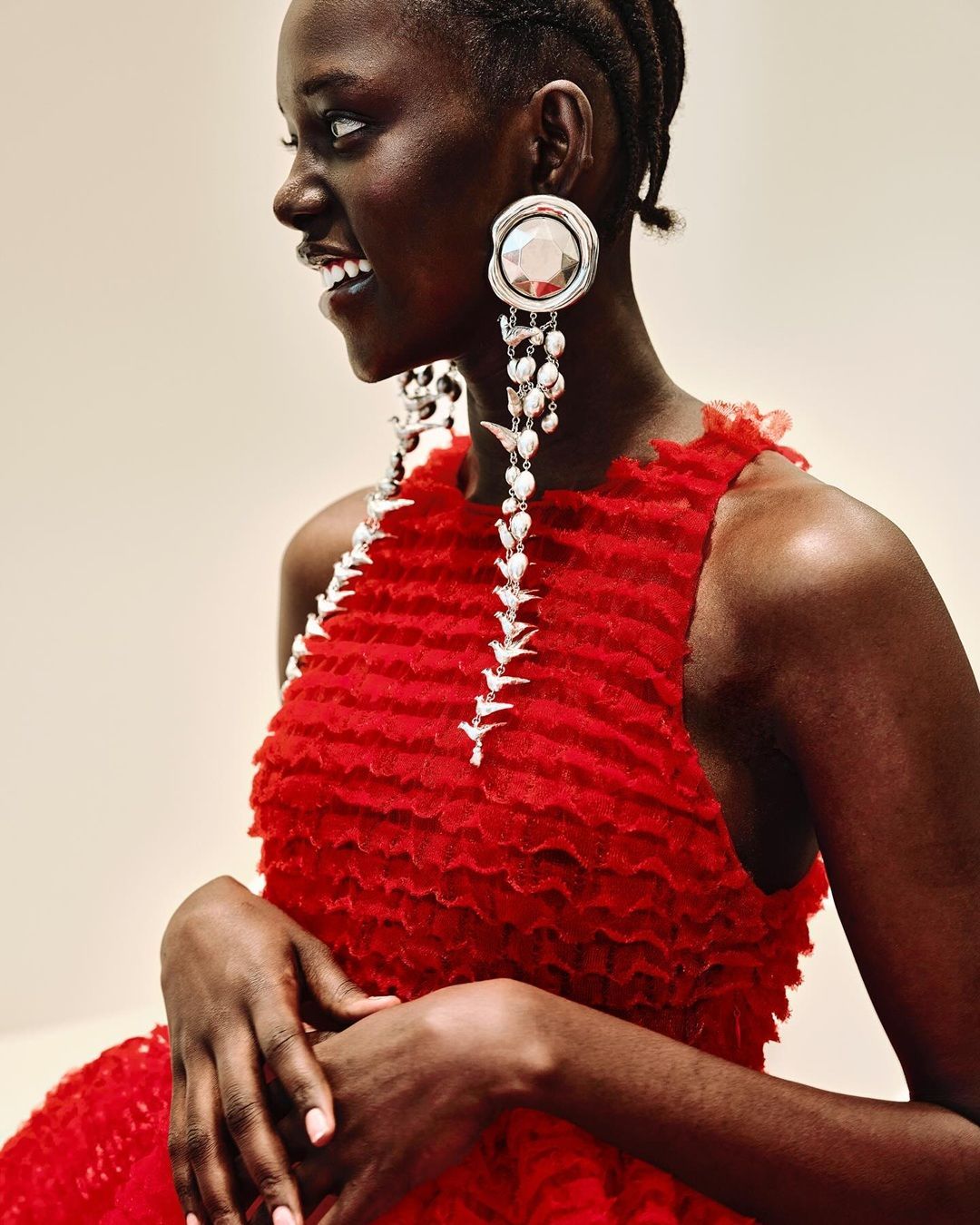
The female gaze in fashion’s new season SS26 marks a turning point between art, pragmatism, and empowerment
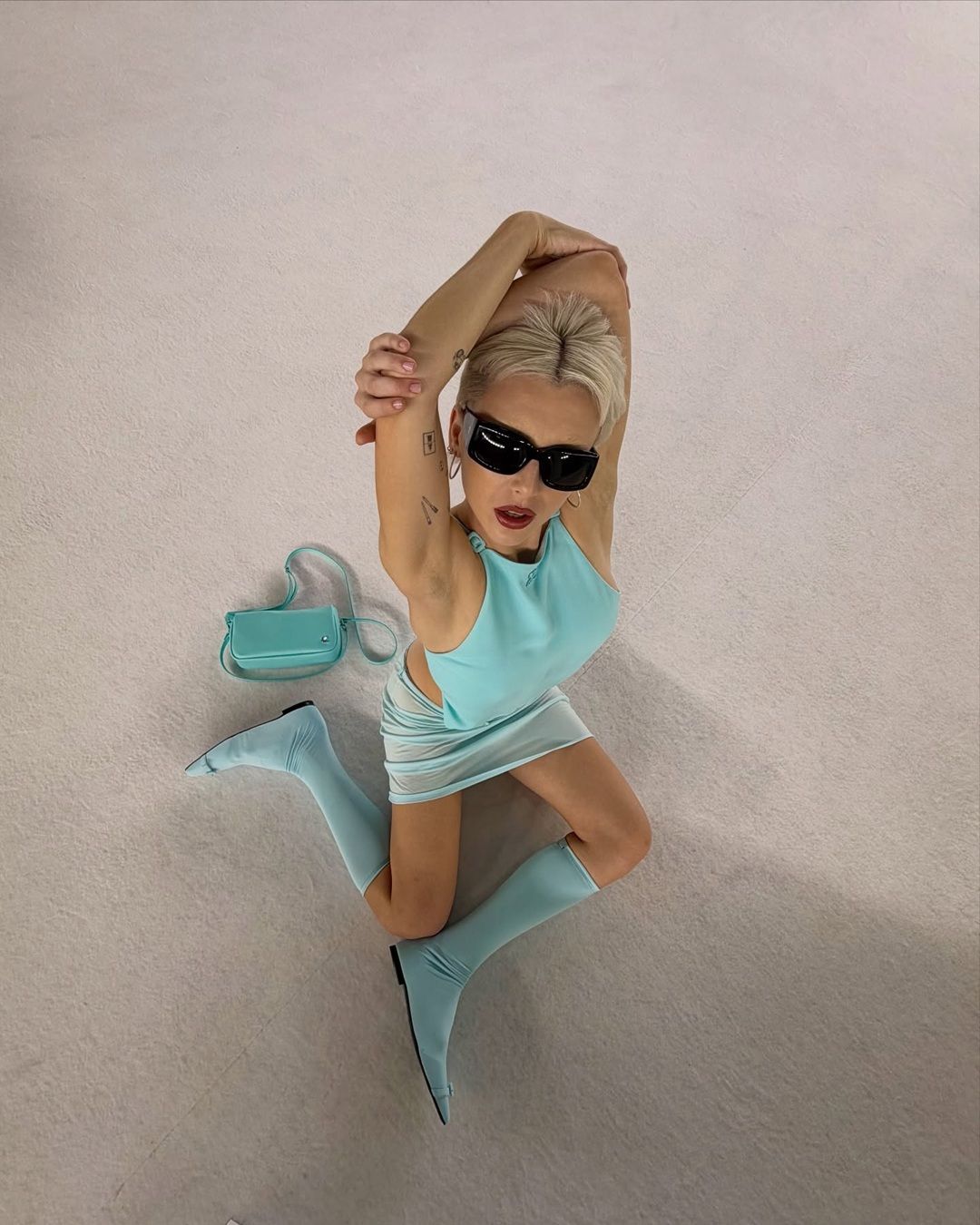
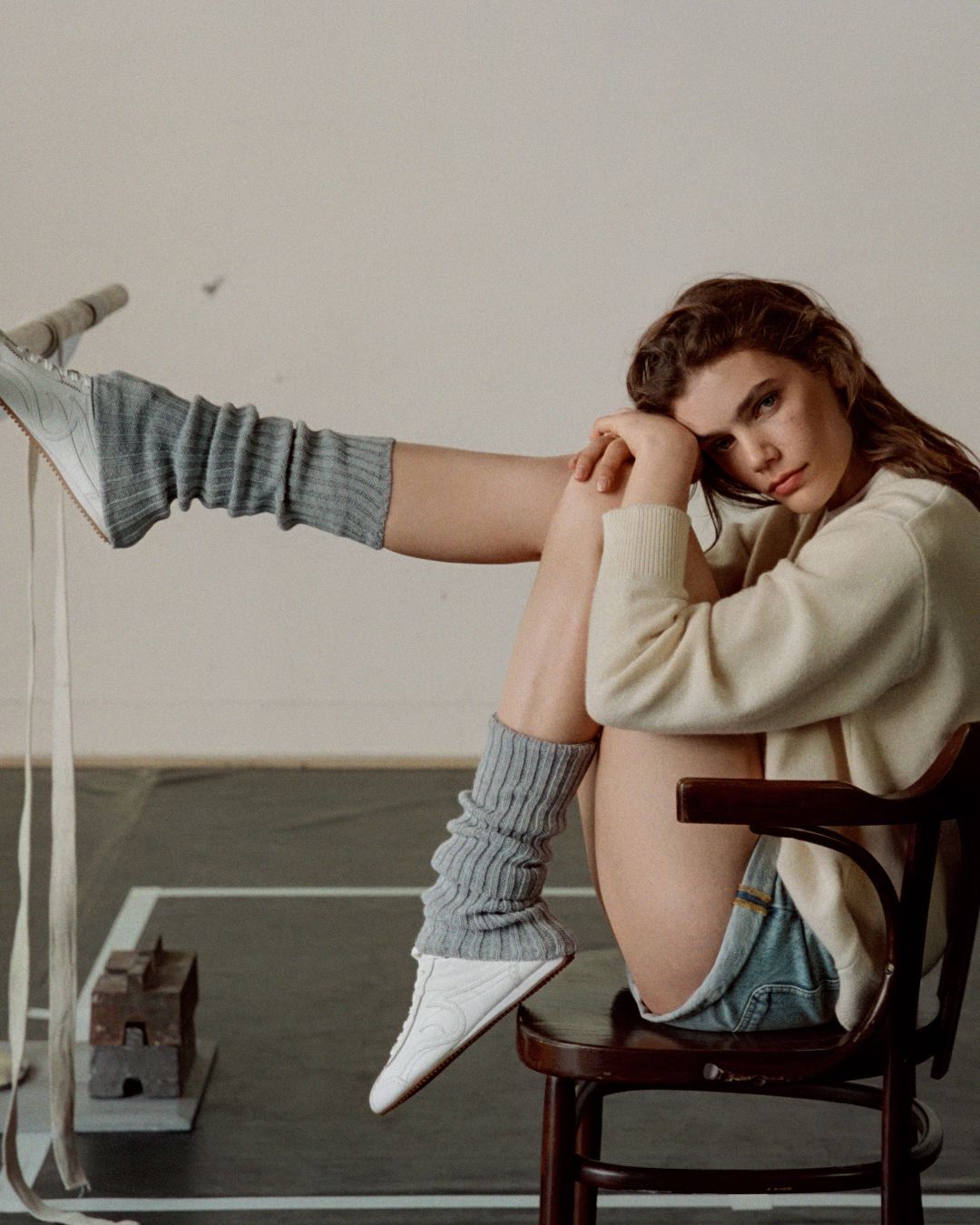
The Spring/Summer 2026 prêt-à-porter season made one fact clear: the fashion industry continues to be dominated by male designers. Yet when women take the creative lead, the difference can be felt in every seam, every silhouette, every stylistic choice. It’s not just a matter of aesthetics, but a unique ability to connect with the female experience and to redefine what fashion can represent in today’s social context.
The lack of female leadership and its consequences
In recent years, the shortage of women at the creative helm of major fashion houses has become increasingly apparent. Among more than 15 recent top appointments, only four went to women: Sarah Burton at Givenchy, Louise Trotter at Bottega Veneta, Chemena Kamali at Chloé, and Veronica Leoni at Calvin Klein. This imbalance has direct consequences on collections. Without a female perspective, many garments risk being aesthetic but impractical, spectacular, yet disconnected from the real lives of the women who wear them. The Spring/Summer 2026 runways revealed how the absence of a feminine touch can result in designs that trivialize sensuality or prioritize visual and theatrical concepts over practicality and comfort. Dresses that appear ideal for the catwalk often prove unwearable in everyday life, a warning sign for an industry that claims to design for women but rarely listens to them fully.
Women designers: where aesthetics meet pragmatism
Women designers bring a sensitivity that combines beauty with functionality. The collections of Burton, Trotter, and Kamali, for instance, show a rare balance between creativity and real life: pieces conceived to take a woman from the office to an evening event, garments that allow for movement, comfort, and confidence without compromising elegance or style. This attention to detail and usability doesn’t reduce fashion to mere practicality, on the contrary, it celebrates femininity in all its dimensions. Fabrics, silhouettes, and proportions are crafted not only for visual impact but to enhance the body and the sense of empowerment of the wearer. In this sense, fashion becomes a tool for expression and identity, capable of telling stories of real women, not just abstract ideals.
Fashion as a language of leadership and representation
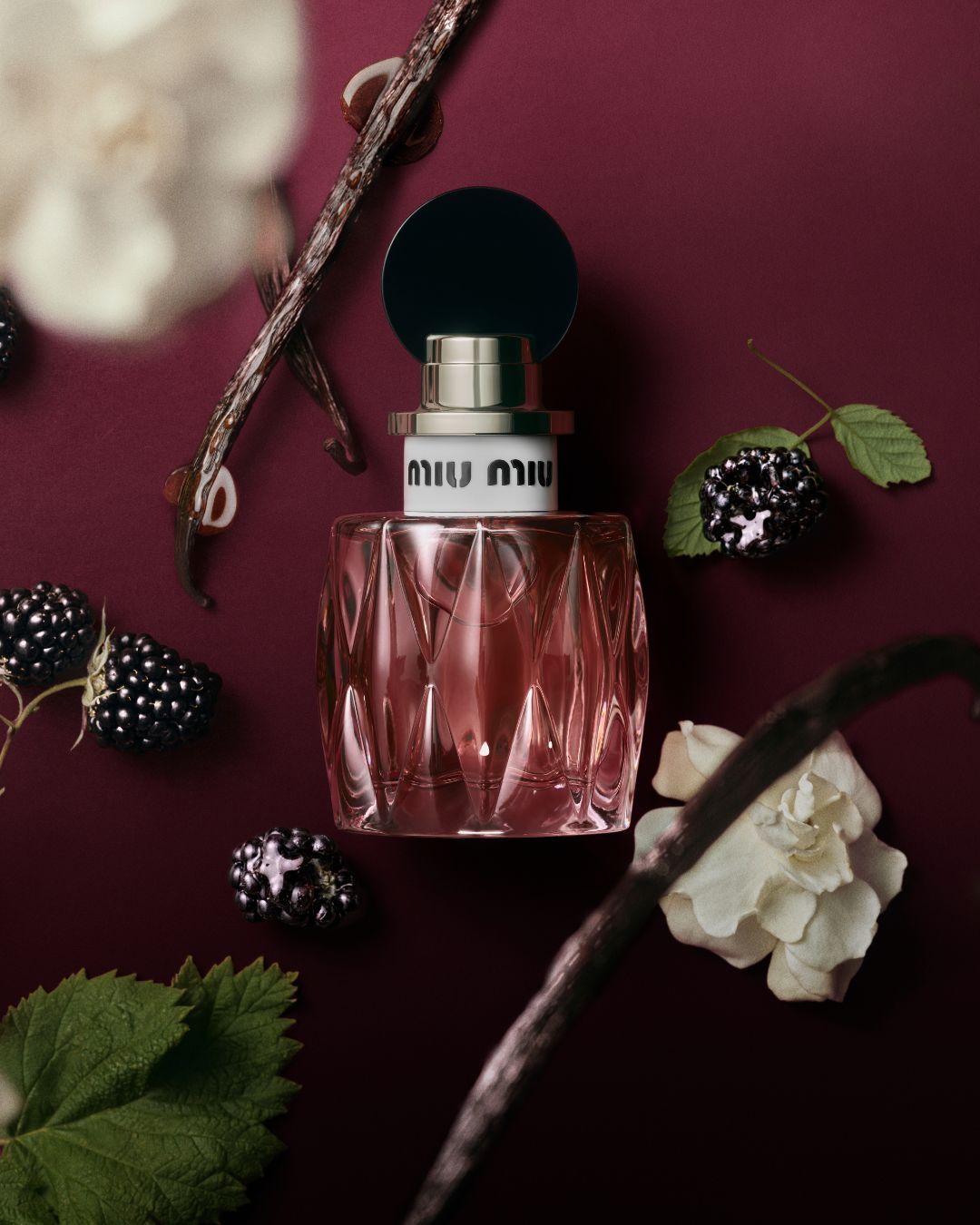
Female presence at the creative top is not only about aesthetics, it’s also a question of leadership and representation. When women lead creatively, the industry benefits from diverse perspectives, innovative solutions, and a deeper understanding of the female audience’s needs. Brands like Prada, Miu Miu, Bottega Veneta, and Givenchy demonstrate year after year that women designers not only create clothes that better align with women’s lives but also help redefine women’s roles within the fashion industry itself. No longer as muses or passive consumers, but as protagonists and leaders. Fashion thus becomes a powerful language, one that narrates the complexity of female experience and shapes the social perception of women’s roles. It’s not just about dressing, but about representing and giving voice. Each collection signed by a woman designer is a statement of autonomy, competence, and understanding of women’s everyday challenges.
SS2026: a season that speaks of women
This season proved that when women have creative and decision-making space, the result transcends superficial beauty. The pieces by Trotter at Bottega Veneta and Burton at Givenchy, for example, are not only elegant but deeply rooted in the female experience, seamlessly blending sophistication with practicality, aesthetics with real life. The Spring/Summer 2026 season, therefore, was more than a series of shows, it was a snapshot of what female leadership in fashion means today: a chance to redefine aesthetics, functionality, representation, and social roles. A clear reminder that female creativity is not optional, but essential to the future of prêt-à-porter.