















When Jil Sander invented perfumes that smelled like sunscreen With its legendary 1980s fragrance “Sun”
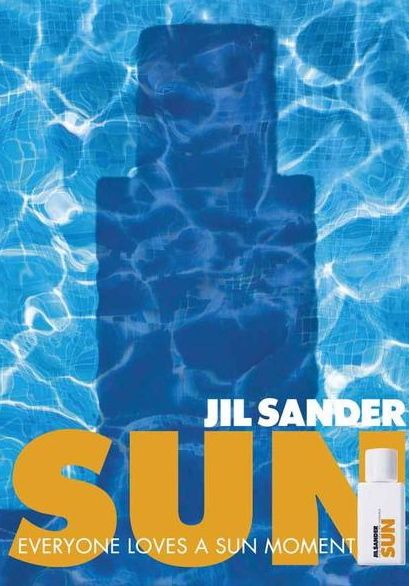
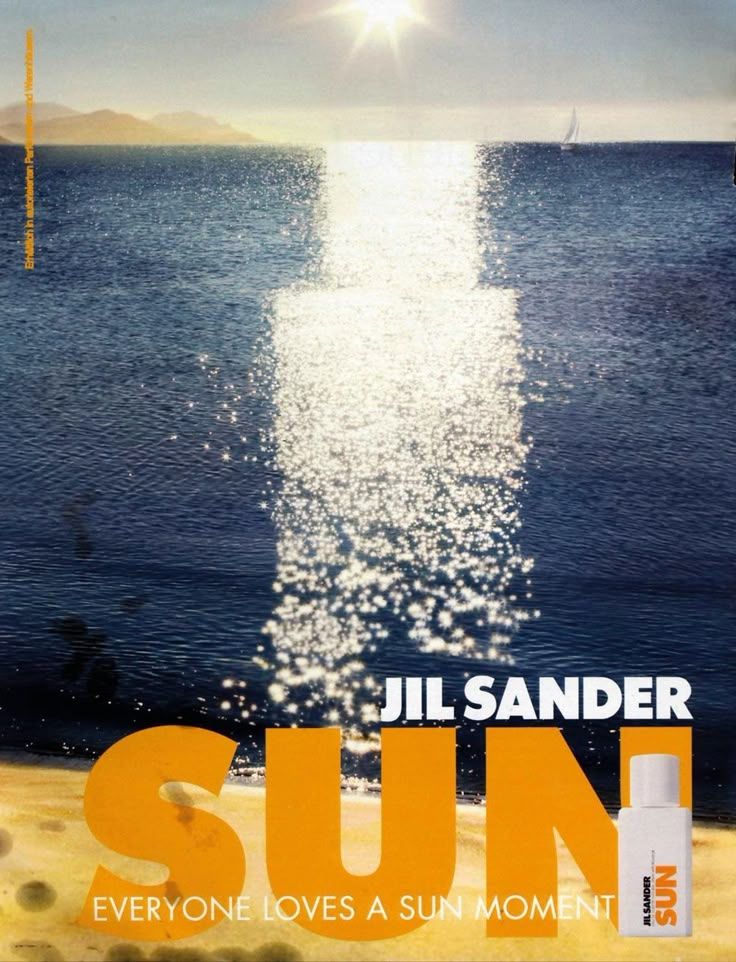
In a world where perfumes are becoming increasingly opulent, complex, and expensive, a certain desire for simplicity is beginning to emerge. According to a recent article from WWD, with the arrival of summer, more and more people are looking for a fragrance that unmistakably evokes the feeling of the beach and the sea – and if there's one scent that unlocks certain memories better than any other, it's the smell of sunscreen. Recently, brands like Vacation and Sun Bum have transformed their iconic sunscreens into perfumes and body mists. Vacation’s collection of body sprays, sold at $24 and inspired by its chardonnay body oil, aloe vera after-sun gel, and SPF spray, reportedly garnered a waiting list of over 3,000 people. Similarly, Sun Bum’s Sonny No. 101 fragrance sold out in just three hours after collecting a waitlist of 10,000 users, confirming customer interest in scents reminiscent of the first day of summer. The rise of these fragrances coincides with a broader shift in the market: lightweight formats like body mists are booming, with prestige segment sales growing 94% in 2024, according to Circana. Other brands have joined the trend as well, such as Snif with Spray Tan and Skylar with its SPF Scent-Screen mist, demonstrating the growing fusion between skincare and perfumery. The same can be said for cult brand Sol de Janeiro, which produces body mists scented like its sunscreens in a wide variety of versions. While the desire for these fragrances might seem new (this category has exploded in recent years as the latest example of affordable luxury), the idea of a perfume that smells like sunscreen is actually decades old. In fact, there is a fragrance that anticipated and embodied this trend more than thirty years ago and has never gone out of production: Sun by Jil Sander.
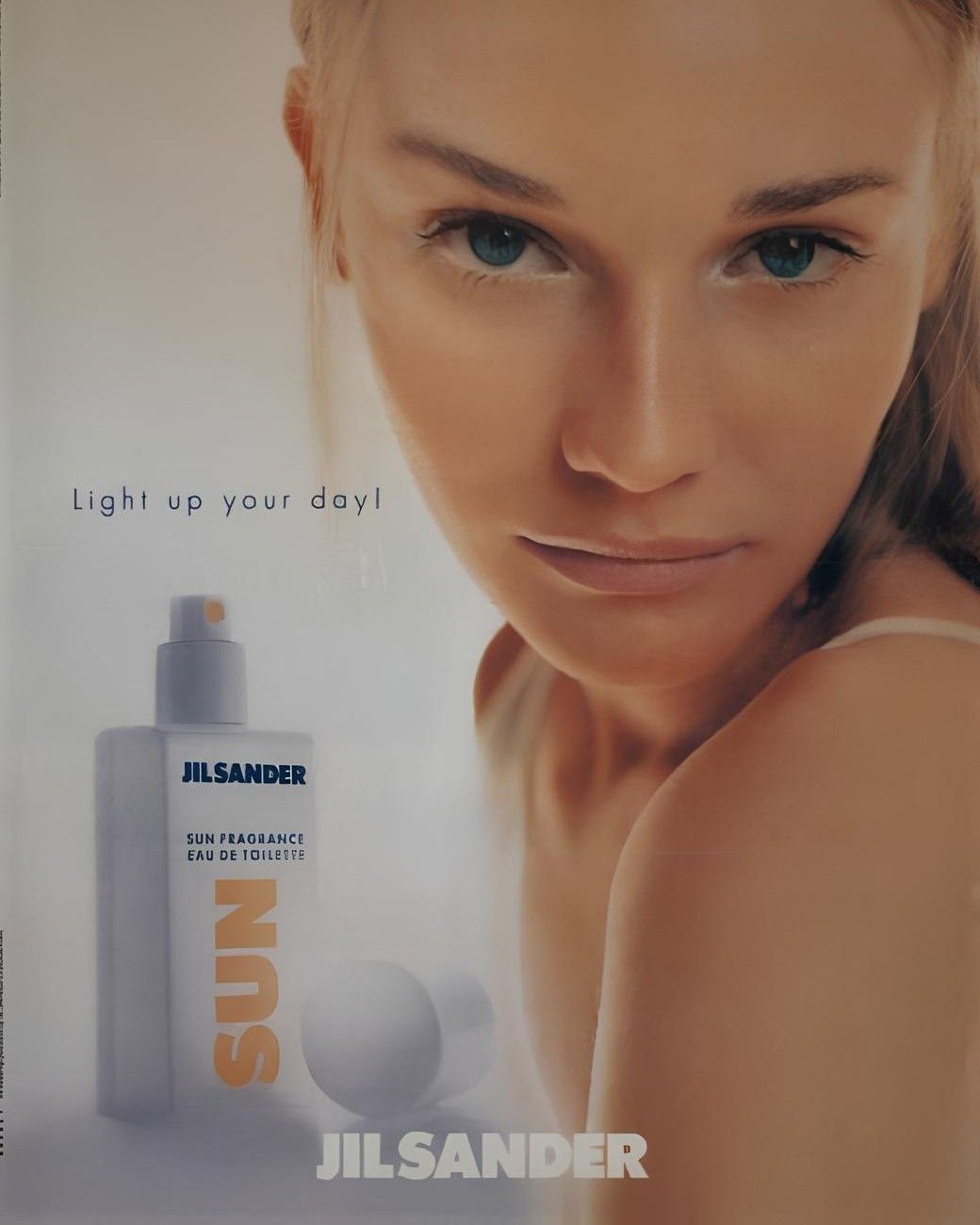
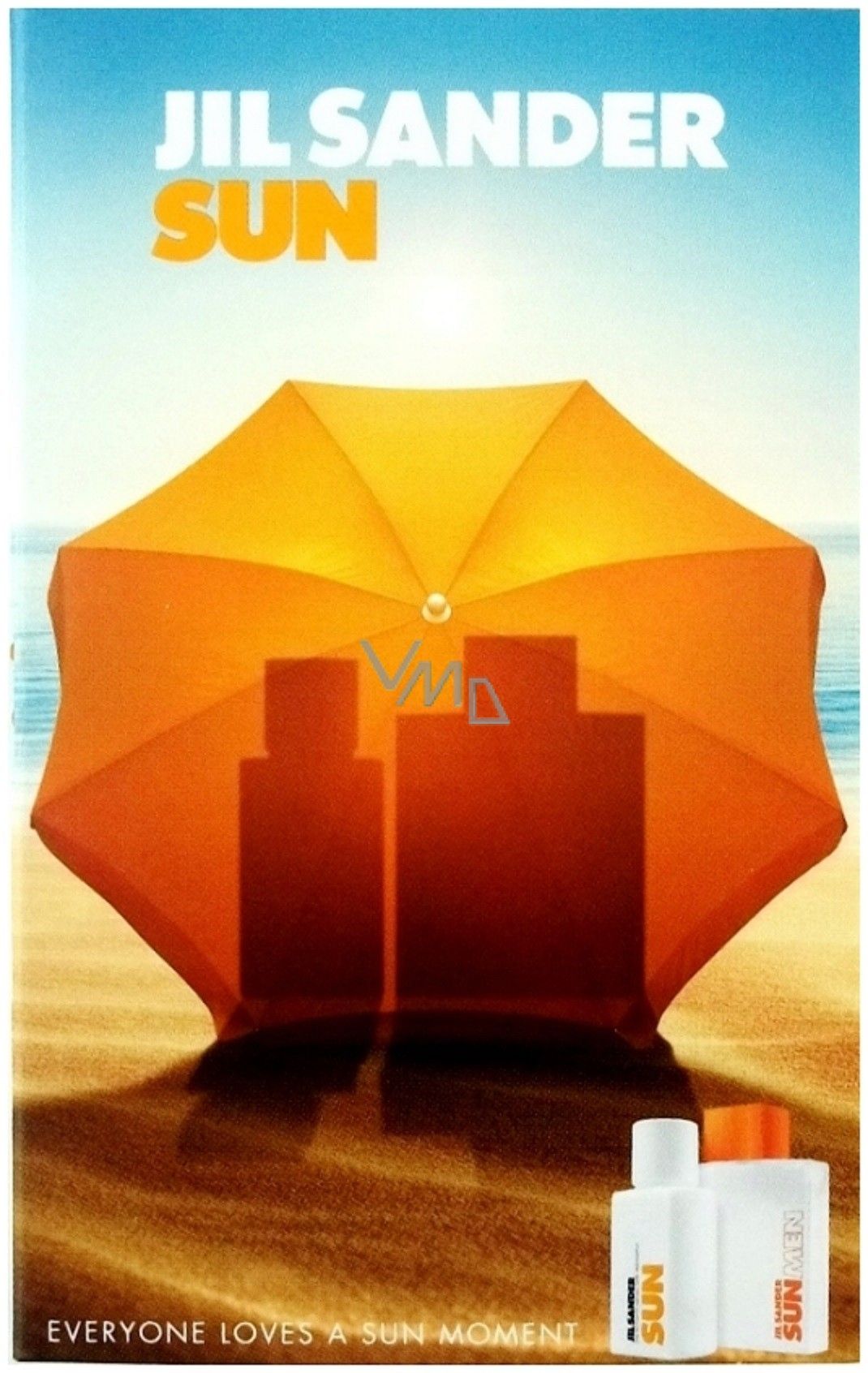
First launched in 1989 and signed by Pierre Bourdon (the nose behind iconic perfumes such as Davidoff’s Cool Water and Yves Saint Laurent’s Kouros), Jil Sander Sun is often considered the true prototype of fragrances that “smell like sunscreen.” The perfume wasn’t the brand’s first—Jil Sander, then a German label known for its minimalist aesthetic, had debuted in the fragrance world with “Pure” ten years earlier. That was followed by a masculine version and the two fragrances Woman II and Woman III. Information on Sun isn’t easily found, but it was a fragrance designed for a younger audience, more accessible and widely distributed in terms of price, but that met a specific market need at the turn of the decade. Most notably, the launch happened at a strategic time for the company, which in 1989 debuted on the Frankfurt Stock Exchange, initiating its global expansion. Not only did the perfume bottle resemble luxury sunscreen packaging from the era, like Bain de Soleil, but its composition was surprising for the time: beyond the top and heart notes, it was the base—made of vanilla, benzoin, tonka bean, and sandalwood, softened with musk, styrax, and a hint of tobacco leaf and patchouli—that set it apart from many of the more commercial summer fragrances of the time, often dominated by coconut or tiaré flowers, and in general by the opulent perfumes of the 1980s, which were often heavy and aligned with the exuberance of an era where popular scents included, to name a few, Guerlain’s Samsara, Elizabeth Taylor’s White Diamonds, and Yves Saint Laurent’s Opium. Sold at an affordable price and widely available, Sun soon became a best-seller and an iconic fragrance for many—to this day, while it no longer appears on the brand’s official website, it is still in production and available for purchase online.
I smell like Jil Sander Sun and tequila
— Louis Pisano (@LouisPisano) July 16, 2011
Culturally speaking, Sun represented one of the first examples of a “summer perfume” as its own category—casual yet elegant, evocative yet modern. Its accessible price made it appealing to a wide audience, often becoming the first “important” fragrance for many consumers. Its success solidified Jil Sander’s presence in perfumery, where already by the early 1990s the brand’s cosmetics division accounted for a significant portion of a $150 million business (that was the brand’s valuation at the time of the IPO), placing it among the top names in Germany alongside giants like Estée Lauder, Lancôme, and Chanel. Over the years, Sun developed a loyal following: largely ignored by trend-driven segments of the market and more glamorous brands, hard to find anywhere except at some duty-free stores or online, and certainly lacking the mystique of “lost perfumes” like the famous one from Helmut Lang (of which perhaps not even a drop survives), Sun has remained a niche curiosity, pleasantly vintage. Despite the passage of time and likely reformulations due to regulations or cost, Sun has remained true to its original identity, thanks in part to one of its most peculiar traits—a slightly medicinal note, attributed to styrax, which brings that unmistakable ‘80s feel and tends to divide opinion between those who find it too old-school and those who love it for its nostalgia. The fragrance’s success also led to the creation of male versions and flankers launched between 2002 and 2021 that updated the original formula. And on TikTok, someone even found a curious dupe for those wanting to spend even less than the already modest price of the original: the fragrance Summer Shine by Suddenly, sold at Lidl for around 4 euros. But nothing can replace the original.